
The Korean dogwood tree is a stunning addition to any garden or yard, but its significance goes beyond just its physical beauty. For centuries, this tree has been an integral part of Korean culture and tradition, symbolizing strength, resilience, and good fortune. But what makes the Korean dogwood tree so special? Not only does it boast striking white flowers and vibrant red berries, but it also offers a range of health benefits, from reducing stress to promoting digestive well-being. In this article, we’ll delve into the cultural significance, physical characteristics, and health benefits of the Korean dogwood tree, as well as provide practical tips on how to plant, care for, and maintain this stunning tree in your own outdoor space. Whether you’re a seasoned gardener or just starting out, get ready to discover the wonders of the Korean dogwood tree.
Overview and History
The Korean Dogwood tree has a rich history that spans centuries, originating from Asia and prized for its stunning beauty. Let’s take a step back to explore how it evolved over time.
Origins and Evolution of the Korean Dogwood
The Korean Dogwood tree has a rich and fascinating history that dates back thousands of years. Native to Korea, this stunning tree was first mentioned in ancient Korean texts as “Baekhwa,” which roughly translates to “white flowers.” For centuries, the Korean Dogwood was highly revered for its vibrant white blooms, which bloomed in the spring and added a touch of elegance to the country’s rugged landscape.
Over time, the Korean Dogwood tree underwent significant evolutionary changes. In the 16th century, it was introduced to Japan by Korean traders, where it became known as “Satsuki.” This new exposure to foreign soil led to natural hybridization with other dogwood species, resulting in a more diverse range of cultivars.
Today, the Korean Dogwood tree is prized for its unique characteristics and versatility. With over 20 varieties to choose from, gardeners can select the perfect specimen to suit their climate, space constraints, and personal style. Whether you’re a seasoned horticulturist or an enthusiastic novice, the Korean Dogwood tree is sure to captivate with its beauty and resilience.
Cultural Significance in Korean Society
In Korea, the dogwood tree holds significant cultural importance, deeply rooted in tradition and symbolism. For centuries, the tree’s white flowers have been a staple of Korean festivals, including the annual Seollal New Year celebrations. During this time, families gather to decorate their homes with branches adorned with dogwood blossoms, symbolizing good fortune and prosperity.
The dogwood tree is also deeply ingrained in Korean folklore, where its beauty and fragrance are said to ward off evil spirits. In traditional Korean weddings, the bride often carries a bouquet of dogwood flowers as a symbol of purity and innocence. Furthermore, the tree’s wood is highly valued for its durability and resistance to rot, making it a popular choice for crafting traditional Korean furniture.
To experience the cultural significance of the dogwood tree firsthand, consider visiting Korea during the blooming season (usually late April to early May). Take a stroll through Seoul’s Gyeongbokgung Palace gardens, where dogwood trees bloom in stunning profusion. As you walk among the blossoms, take note of the intricate details and patterns on the flowers – each one is unique, just like the tree’s cultural significance in Korean society.
Characteristics and Features
The Korean Dogwood Tree is known for its unique characteristics, including its vibrant flowers, striking foliage, and distinctive growth habits that set it apart from other dogwood species.
Physical Appearance and Growth Habits
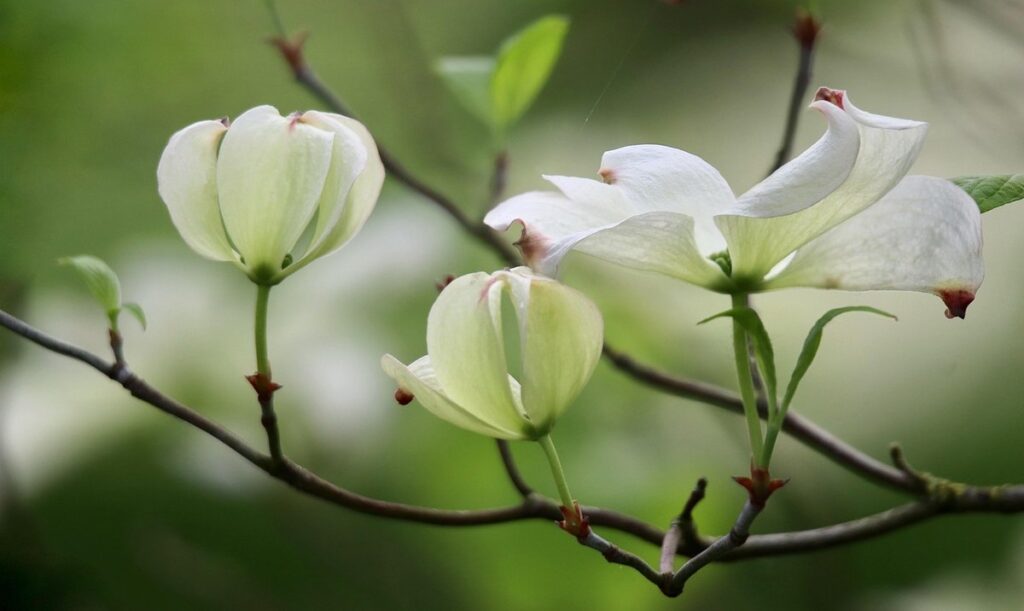
When it comes to the physical appearance and growth habits of the Korean Dogwood Tree (Cornus kousa), you’ll be delighted by its unique features. This stunning tree boasts a broad, rounded crown with horizontal branches that are densely packed with leaves. In spring, delicate white or pink flowers emerge from clusters along the stems, creating a beautiful display of color.
As it grows, the Korean Dogwood Tree can reach heights of 15 to 20 feet, with a spread of around 10 to 12 feet. Its growth rate is moderate, making it an excellent choice for landscape designs that require a slower-growing tree. One of its most notable characteristics is its adaptability to different environments – it thrives in full sun to partial shade and can tolerate a range of soils from well-draining acidic clay loam to dry limestone.
To encourage healthy growth, ensure your Korean Dogwood Tree receives regular watering, but avoid overwatering which can lead to root rot. Fertilize annually with a balanced fertilizer during the growing season to promote robust foliage and flowering. By following these simple care tips, you’ll be rewarded with a stunning display of color and texture that will add beauty and charm to any garden or landscape.
Unique Features: Bark, Leaves, and Flowers
When taking a closer look at the Korean Dogwood tree, it’s easy to appreciate its unique features that set it apart from other trees. Let’s start with its bark – a distinctive characteristic of this tree is its smooth, greyish-brown bark that becomes fissured and scaly with age. As the tree matures, its bark takes on a rugged texture, adding character to its overall appearance.
The leaves of the Korean Dogwood are also noteworthy, with their ovate shape and pointed tips giving them a slightly angular look. They’re a deep green color on top and lighter underneath, providing a striking contrast that catches the eye. One interesting aspect of the tree’s leaves is that they turn vibrant shades of red and purple in the fall, creating a stunning display of autumn color.
In terms of flowers, the Korean Dogwood produces showy white blooms in late spring, often attracting pollinators like bees and butterflies to the area. These fragrant flowers are not only beautiful but also serve as an important food source for local wildlife.
Planting and Care Instructions
To ensure your Korean dogwood tree thrives, follow these essential steps for planting and care, including soil selection and regular maintenance requirements.
Choosing the Right Location and Soil Conditions
When planting a Korean dogwood tree, choosing the right location and soil conditions is crucial for its health and success. This stunning deciduous tree thrives in well-draining soils with a slightly acidic pH between 6.0 and 7.0.
To select an ideal location, consider factors such as sunlight exposure, wind direction, and nearby water sources. Korean dogwood trees prefer full sun to partial shade, so choose a spot that receives at least four hours of direct sunlight per day. Also, avoid planting near underground pipes or water features, as the tree’s extensive root system may interfere with these structures.
Soil conditions play a significant role in the tree’s growth and development. Test your soil pH and adjust it if necessary to create an optimal environment for your Korean dogwood. The tree also requires regular watering, but the soil should drain quickly to prevent waterlogged roots. If your native soil is heavy clay or prone to waterlogging, consider planting in a raised bed with well-draining potting mix.
Watering, Fertilization, and Pruning Techniques
Caring for your Korean Dogwood tree involves proper watering, fertilization, and pruning techniques to ensure it thrives. Watering is crucial during its first year of growth, with regular checks of the soil moisture. Aim to provide about 1 inch of water per week, either through rainfall or irrigation. During dry spells, supplement with a deep soaking every 7-10 days.
Fertilization should occur in early spring, using a balanced fertilizer that contains nitrogen, phosphorus, and potassium. Apply it according to the manufacturer’s instructions, taking care not to over-fertilize, which can damage the tree. You can also add a layer of compost or mulch around the base to improve soil quality.
Pruning is essential for maintaining shape and promoting healthy growth. Remove any dead or diseased branches in late winter or early spring, cutting them at a 45-degree angle just above a bud. Thin out select branches to allow sunlight to reach inner areas, encouraging a strong, balanced structure. Prune no more than one-third of the tree’s canopy annually to avoid shocking it. Regular pruning will also promote beautiful blooms and attractive foliage throughout the seasons.
Health Benefits and Medicinal Uses
The Korean Dogwood tree has been a prized possession for centuries, not only for its stunning beauty but also for its numerous health benefits and medicinal uses that have helped people for generations. We’ll explore these advantages in more detail here.
Traditional Korean Medicine and the Dogwood Tree
In traditional Korean medicine, the Korean dogwood tree has been revered for its remarkable healing properties and versatility. For centuries, practitioners of Korean medicine have utilized various parts of the tree to treat a range of ailments, from fever and rheumatism to digestive issues and skin conditions.
According to ancient texts, the bark and roots of the Korean dogwood are particularly prized for their cooling and anti-inflammatory effects. Herbalists would typically boil or infuse these components in water to create teas that could be administered to patients suffering from heat-related illnesses or chronic pain. The flowers and leaves were also valued for their antioxidant properties and were often used to treat conditions like eczema, acne, and even certain types of cancer.
Interestingly, Korean dogwood is said to be a key ingredient in the traditional medicinal drink “insamcha”, which is believed to possess adaptogenic and restorative qualities. To prepare this tea, simply combine dried Korean dogwood flowers with other herbs and steep for 5-7 minutes before straining.
Modern Scientific Research and Findings
Recent scientific studies have shed light on the medicinal properties and potential health applications of the Korean Dogwood Tree. Researchers have isolated various compounds from the tree’s leaves and bark that exhibit anti-inflammatory, antioxidant, and antimicrobial activities. A 2020 study published in the Journal of Ethnopharmacology found that a water extract of Korean Dogwood Tree leaves showed significant wound healing properties by promoting collagen synthesis and tissue regeneration.
Other studies have explored the tree’s potential as an antidiabetic agent due to its ability to inhibit alpha-glucosidase activity. The tree’s extracts have also been shown to exhibit cytotoxic effects against certain cancer cell lines, suggesting its potential use in cancer treatment. However, more research is needed to confirm these findings and fully elucidate the tree’s medicinal properties.
As a reader interested in harnessing the health benefits of the Korean Dogwood Tree, you can try incorporating it into your daily routine through teas or infusions made from dried leaves or bark. But always consult with a healthcare professional before using any new herbal remedy, especially if you’re already taking medications or have underlying health conditions.
Pests, Diseases, and Maintenance Issues
When it comes to growing a healthy Korean Dogwood tree, it’s essential to be aware of common pests, diseases, and maintenance issues that can impact its beauty. Here are some potential problems to watch out for.
Common Problems and Solutions for Homeowners
As a homeowner with a Korean dogwood tree, it’s essential to be aware of common pests and diseases that can affect this beautiful specimen. One of the most significant threats is the Japanese beetle, which feeds on the tree’s leaves and flowers. To control these pests, use pyrethrin-based insecticides or hand-pick them from the tree during peak activity hours.
Another issue is dogwood borer, a pest that bores into the trunk and branches, causing damage and potentially killing the tree. Regularly inspect your tree for signs of infestation, such as holes in the bark or sawdust at the base. If you detect any issues, consider using systemic insecticides or consulting with a certified arborist.
Fungal diseases like anthracnose and powdery mildew can also affect Korean dogwood trees. These can be caused by poor air circulation, excessive moisture, or inadequate pruning. To prevent fungal growth, ensure good air circulation around the tree, water wisely, and prune regularly to promote healthy growth.
Prevention Methods and Best Practices
To ensure your Korean Dogwood tree remains healthy and thrives for years to come, it’s essential to implement preventative measures. Regular maintenance is key to preventing pest, disease, and other issues that can arise.
Watering should be done carefully, as overwatering can lead to root rot. Check the soil moisture by inserting a finger into the soil up to the first knuckle; if the soil feels dry, it’s time for watering. Water your tree during its dormant season (winter) sparingly, as this period is crucial for its recovery.
Mulching around the base of the tree helps retain moisture and suppress weeds that compete with the tree for nutrients. Keep mulch a few inches away from the trunk to prevent any potential damage. Pruning dead or diseased branches not only improves the tree’s appearance but also helps maintain its overall health.
By adhering to these best practices, you can minimize the risk of common issues affecting your Korean Dogwood tree.
Conclusion and Future Outlook
Now that you’ve learned everything there is to know about the Korean Dogwood Tree, let’s take a step back and consider its potential impact on your garden.
Recap of Key Points and Takeaways
In reviewing our comprehensive guide to the Korean Dogwood tree, we hope you’ve gained valuable insights into this remarkable species. Let’s recap the key points that will stick with you:
* The Korean Dogwood (Cornus kousa) is a stunning ornamental tree native to East Asia, prized for its showy white or pink flowers and vibrant fall foliage.
* Its adaptability to various environments makes it an ideal choice for gardeners and landscapers seeking low-maintenance trees that thrive in USDA zones 5-8.
* Regular watering, proper pruning, and fertilization are crucial for optimal growth; remember to plant multiple Korean Dogwoods for a stunning display of color.
* Its flowers attract pollinators like bees and butterflies, adding a vital element to your garden’s ecosystem.
* Consider planting the ‘Satomi’ or ‘Cherokee Brave’ cultivars for their unique characteristics and ornamental value.
By keeping these key points in mind, you’ll be well on your way to successfully growing and enjoying the beauty of the Korean Dogwood tree in your own space.
Potential Future Developments and Research Directions
As we conclude our comprehensive guide to the Korean dogwood tree, it’s essential to consider potential future research areas and developments that can further enhance our understanding of this remarkable species. One promising direction is the exploration of its unique genetic makeup, which could unlock new insights into plant breeding and hybridization techniques.
Researchers may also investigate the Korean dogwood tree’s ability to thrive in diverse environmental conditions, potentially leading to improved stress tolerance and adaptation strategies for other plant species. By studying its intricate relationships with mycorrhizal fungi, scientists can gain a deeper understanding of symbiotic interactions and develop more effective methods for promoting healthy soil ecosystems.
In addition, further research into the Korean dogwood tree’s medicinal properties and potential applications in traditional medicine could lead to breakthroughs in disease prevention and treatment. By exploring its chemical composition and pharmacological effects, researchers may uncover new targets for therapeutic interventions and develop novel treatments for various health conditions.
Frequently Asked Questions
How can I ensure the Korean dogwood tree thrives in my yard, considering its native habitat is Asia?
To replicate the conditions of the Korean dogwood’s native habitat, choose a location with partial shade to full sun and well-draining soil. Also, be mindful of temperature fluctuations; while it can tolerate some cold snaps, temperatures above 85°F (30°C) can cause stress. Regular watering and fertilization will help it adapt to its new environment.
What are the potential risks associated with planting a Korean dogwood tree in areas with extreme weather conditions?
Yes. Planting a Korean dogwood tree in areas prone to extreme weather conditions, such as strong winds or frequent droughts, can pose challenges. Its shallow root system makes it susceptible to wind damage, while its water requirements can be high. Regular pruning and mulching can help mitigate these risks.
How long does it take for the Korean dogwood tree to mature and produce vibrant red berries?
It typically takes 3-5 years for the Korean dogwood tree to reach maturity after planting. Once established, it will start producing white flowers in spring and vibrant red berries in autumn. Be patient, as this process may take time.
Can I use the Korean dogwood tree’s bark or leaves for medicinal purposes?
Yes. In traditional Korean medicine, various parts of the Korean dogwood tree are used to treat a range of ailments, from fever reduction to digestive issues. However, consult with a medical professional before using any plant-based remedies, especially if you have pre-existing health conditions.
What are some common pests or diseases that affect the Korean dogwood tree, and how can I prevent them?
Yes. The Korean dogwood tree is susceptible to pests like aphids, scale insects, and spider mites. Regularly inspect your tree for signs of infestation and use integrated pest management techniques to control outbreaks. Also, be aware of fungal diseases like powdery mildew and leaf spot, which can be prevented with good hygiene practices and fungicide treatment if necessary.