
Kousa dogwood fruit is a sweet and nutritious treasure waiting to be discovered in your garden. If you’re one of the many gardeners growing this beautiful tree, you’re probably curious about how to get the most out of its bounty. The kousa dogwood‘s edible fruit has been gaining popularity for its health benefits, unique taste, and versatility in cooking. But with so much potential comes a lot to learn – from optimal growing conditions to harvesting techniques and even the best ways to incorporate it into your diet.
In this comprehensive guide, we’ll delve into all aspects of kousa dogwood fruit cultivation. We’ll explore its growing requirements, discuss how to identify when the fruit is ripe for picking, highlight its nutritional value and potential health benefits, and provide expert advice on cultivating healthy trees that produce abundant fruit.
Introduction to Kousa Dogwood
Welcome to our comprehensive guide, where we’re excited to share everything you need to know about the kousa dogwood fruit. Let’s start by diving into its origins and unique characteristics.
What is a Kousa Dogwood?
The kousa dogwood tree is a stunning ornamental plant native to Asia, specifically China and Japan. It’s also known as Cynoxylon quinquefolium or Cornus kousa, which are its scientific names. Native to the mountainous regions of East Asia, this deciduous tree has been widely cultivated in other parts of the world for its attractive flowers, foliage, and edible fruit.
The kousa dogwood tree is relatively small, growing up to 15-20 feet tall with a spread of around 10-12 feet. Its bark is gray-brown in color, while its leaves are dark green with five pointed lobes. In the spring, it produces showy white or pale pink flowers that attract pollinators and add visual appeal to landscapes.
The kousa dogwood’s edible fruit is a key reason why many gardeners and fruit enthusiasts cultivate this tree. However, it’s essential to note that the tree takes around 5-7 years to mature after planting, so patience is required for those eager to harvest its fruit. In the following sections, we’ll delve deeper into the kousa dogwood fruit, including its characteristics, taste, and uses, as well as provide practical tips on how to cultivate this remarkable tree.
Importance of Kousa Dogwood in Gardens
Gardeners choose to plant kousa dogwoods for their unique combination of ornamental value and benefits. One of the main reasons is that these trees are incredibly versatile, thriving in a wide range of conditions from full sun to partial shade, and tolerating various soil types. Their beauty is not limited to just one season – they produce stunning flowers in the spring, which can be white or pink depending on the cultivar, and vibrant fall foliage.
Their ornamental value also extends to their ability to attract wildlife, particularly birds, as they are a food source for many species during the winter months. The fruit of the kousa dogwood is a favorite among robins, blue jays, and woodpeckers. This makes them an excellent choice for gardeners who want to create a bird-friendly environment.
In addition to their beauty and wildlife benefits, kousa dogwoods are also relatively low-maintenance trees. They require minimal pruning, are resistant to disease, and can tolerate some drought conditions. These factors make them an attractive option for gardeners looking to add a versatile and easy-to-care-for tree to their landscape.
Characteristics of Kousa Dogwood Fruit
The unique characteristics of kousa dogwood fruit are what set it apart from other types of berries, making them a fascinating subject for exploration. Let’s take a closer look at their distinguishing features.
Appearance and Size of Fruits
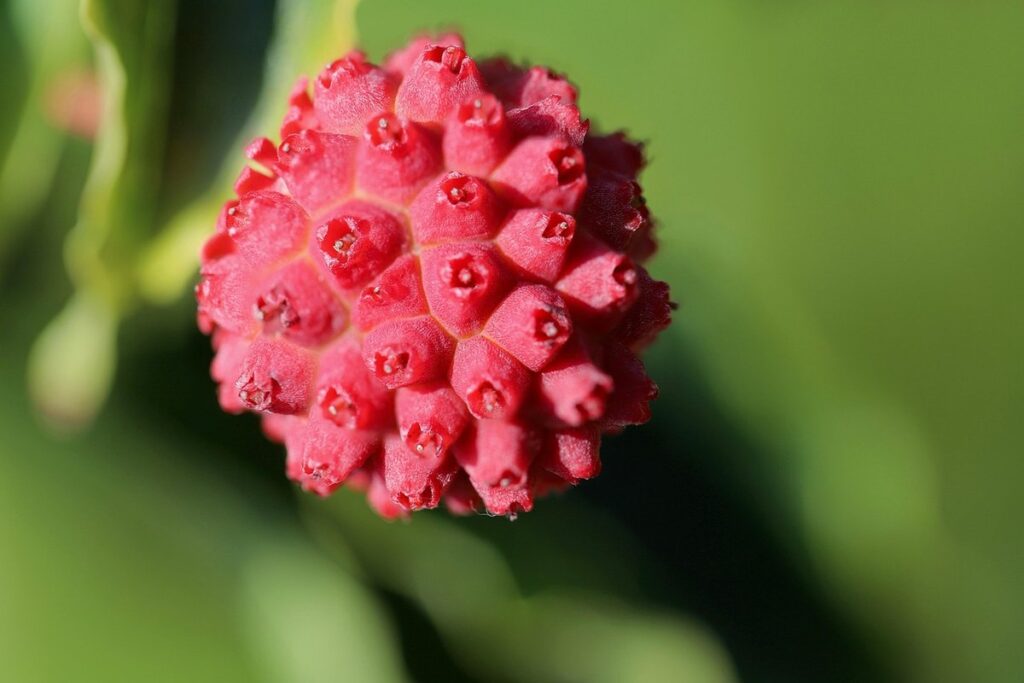
The kousa dogwood fruit is characterized by its unique physical appearance. In terms of size, the fruit typically ranges from 1 to 3 inches in length and 1 inch in width. The shape of the fruit can vary slightly, but it’s usually oval or elliptical with a pointed tip.
The skin of the kousa dogwood fruit is thin and edible, with a reddish-purple color when ripe. However, unripe fruits tend to be green or yellow-green in color. When touched, the skin feels smooth and slightly soft to the touch. As the fruit ripens, it becomes softer and develops a subtle sheen.
One of the most distinctive features of kousa dogwood fruits is their texture. The pulp is juicy and tender, making them a popular choice for snacking or using in recipes. In fact, they’re often compared to persimmons due to their similar texture. When choosing kousa dogwood fruits at the market or from your tree, look for those with a deep red color and a slight give when pressed – this indicates ripeness and optimal flavor.
Taste, Smell, and Edibility
The flavor profile of kousa dogwood fruit is often described as sweet and slightly tart, with hints of pineapple and strawberry. The taste can vary depending on the ripeness of the fruit; unripe fruits are typically more sour and astringent, while ripe ones are sweeter and softer. While the flavor may not be appealing to everyone, many people find it refreshing and enjoyable.
Kousa dogwood fruit is edible for both humans and animals. In some Asian cultures, the fruit is eaten raw or used in jams, jellies, and preserves. The seeds can also be dried and used as a coffee substitute. For animals, the fruit is a popular choice for birds and small mammals, who appreciate its sweet taste.
There are also potential health benefits associated with consuming kousa dogwood fruit. Rich in antioxidants and flavonoids, it may help protect against cell damage and inflammation. However, more research is needed to confirm these effects. If you’re interested in trying the fruit, be sure to choose ripe ones and wash them thoroughly before consumption.
Growing Conditions for Kousa Dogwood Trees
To successfully grow a thriving kousa dogwood tree, it’s essential to understand its specific growing conditions and provide the right environment. Let’s dive into the details of what your kousa dogwood needs to thrive.
Climate and Soil Requirements
Kousa dogwoods thrive in temperate climates with mild winters and warm summers. To ensure optimal growth, they prefer full sun to partial shade, with direct sunlight for at least 4-6 hours a day. This helps them produce an abundance of fruit, making the most of their unique characteristics.
In terms of soil requirements, kousa dogwoods can adapt to a wide range of conditions but perform best in well-draining acidic soils. A pH between 5.5 and 6.5 is ideal for these trees, which makes them suitable for areas with naturally acidic soil or those that have been amended accordingly.
To replicate the optimal climate and soil conditions for kousa dogwoods, consider incorporating organic matter such as compost or mulch into your garden bed. This will not only improve drainage but also provide essential nutrients for the tree’s growth. Additionally, ensure adequate moisture levels by providing regular watering during dry spells – a must for fruit-bearing trees like the kousa dogwood.
By understanding and catering to these basic needs, you’ll be well on your way to cultivating a thriving kousa dogwood that produces an abundance of delicious fruit.
Maintenance and Care
To ensure your kousa dogwood tree thrives and produces an abundance of delicious fruit, proper maintenance and care are crucial. Start by watering your tree regularly, but avoid overwatering, which can lead to root rot and other issues. Aim for about 1 inch of water per week, either through rainfall or irrigation.
Pruning is another essential aspect of kousa dogwood care. Prune your tree in late winter or early spring to remove any dead, diseased, or damaged branches. This will promote healthy growth and encourage fruiting. Remove no more than one-third of the tree’s branches at a time to avoid shocking the tree.
Fertilization is also vital for optimal growth and fruit production. Feed your kousa dogwood tree with a balanced fertilizer in early spring, following the manufacturer’s instructions. You can also add a fruit-tree specific fertilizer to give your tree an extra boost.
Proper care will result in a robust and healthy tree that produces an abundance of tasty kousa dogwood fruit.
Harvesting and Preparing Kousa Dogwood Fruit
When harvesting kousa dogwood fruit, timing is crucial to ensure optimal ripeness. Here’s how to pick and prepare it for a delicious and nutritious snack or recipe.
When to Harvest Fruits
When to Harvest Fruits for Optimal Flavor and Texture
The ideal time to harvest kousa dogwood fruits is crucial to unlock their full flavor and texture potential. As a general rule, kousa dogwood fruits are typically ready to be picked about 90-120 days after flowering, when they have reached their full color and are slightly soft to the touch. However, it’s essential to check for ripeness before harvesting.
To determine if your kousa dogwood fruits are ripe, gently twist them. A ripe fruit will come off the tree easily. Avoid picking green or unripe fruits, as they may not sweeten up even after several days of storage. For best results, harvest kousa dogwood fruits in the morning when they’re still cool from the night’s chill.
Timing is also critical to ensure optimal flavor and texture. Harvesting at the right moment can make a significant difference in the quality of your kousa dogwood fruit. If you wait too long, the fruits may become overripe and lose their crunchiness. By following these guidelines, you’ll be able to enjoy your kousa dogwood fruit at its best flavor and texture.
Culinary Uses and Recipes
When it comes to using kousa dogwood fruit in cooking and baking, the possibilities are endless. One of the most popular ways to enjoy this sweet and tangy fruit is in a refreshing summer salad. Try pairing diced kousa dogwood with juicy strawberries, crumbled feta cheese, and a sprinkle of mint for a light and satisfying side dish.
For a more decadent treat, use kousa dogwood in a homemade jam or preserves recipe. Simply combine the fruit with some sugar and pectin, and cook until thickened. This sweet spread is perfect for topping toast, yogurt, or using as a filling for cakes and pastries.
You can also add kousa dogwood to your favorite baked goods, such as muffins, bread, or even cookies. Its unique flavor pairs particularly well with spices like cinnamon and nutmeg. Experiment with different combinations to find your new favorite recipe.
In terms of sweet treats, consider making a kousa dogwood sorbet for a palate-cleansing dessert option. Simply puree the fruit in a blender, then freeze until set. This light and fruity sorbet is perfect for hot summer days or as a refreshing ending to any meal.
Health Benefits and Potential Risks of Kousa Dogwood Fruit
While kousa dogwood fruit is touted for its potential health benefits, it’s also essential to understand some possible risks associated with consumption. We’ll explore both in this section.
Nutritional Value and Antioxidants
Kousa dogwood fruits are not only a delicious and refreshing addition to salads and desserts but also packed with essential nutrients that can provide numerous health benefits. One of the key advantages of consuming kousa dogwood fruits is their high content of vitamins A and C, potassium, and dietary fiber.
These nutrients play a crucial role in maintaining overall well-being, from supporting immune function to regulating blood sugar levels. The high water content in kousa dogwood fruits also makes them an excellent choice for those looking to stay hydrated, especially during the summer months. Furthermore, the antioxidants present in kousa dogwood fruits have been shown to help protect against cell damage and reduce inflammation in the body.
To reap the most benefits from consuming kousa dogwood fruits, it’s recommended to eat them fresh or use them in moderation as a sweetener in desserts. They pair particularly well with citrus flavors like lemon or orange.
Allergic Reactions or Toxicity
While kousa dogwood fruit is generally considered safe for consumption, there are some potential concerns to be aware of. One important consideration is allergic reactions. Some individuals may experience an allergic reaction after consuming the fruit, which can manifest as symptoms such as hives, itching, or swelling.
It’s worth noting that the American Contact Dermatitis Society has identified kousa dogwood as a plant that can cause contact dermatitis in some people. If you’re new to eating kousa dogwood fruit, it’s essential to start with small amounts and monitor your body’s response. If you experience any adverse symptoms, discontinue consumption immediately.
Toxicity is another potential concern when it comes to kousa dogwood fruit. While the fruit itself is not toxic, the seeds and leaves contain a compound called cornin, which can cause gastrointestinal issues if ingested in large quantities. To minimize risk, be sure to only consume the ripe fruit and avoid eating the seeds or leaves altogether.
Cultivation and Propagation Methods for Kousa Dogwood Trees
To grow your own kousa dogwood tree, it’s essential to understand the various cultivation and propagation methods that ensure its success in different environments. Learn how to properly care for these trees here.
Propagation Techniques
Propagating kousa dogwood trees can be done through various techniques, each with its own advantages and challenges. Seed stratification is one method where seeds are subjected to a period of cold stratification to break dormancy. This process typically takes 3-6 months and involves placing seeds in a container filled with moist peat moss or vermiculite at a temperature range of 35°F to 45°F (2°C to 7°C). A successful example is seen in the USDA Forest Service, which has successfully germinated kousa dogwood seeds using this method.
Grafting is another technique used for propagating kousa dogwood trees. This involves joining a piece of stem from one tree (scion) onto the root system of another tree (rootstock). The scion and rootstock are selected based on factors such as disease resistance, growth habit, and fruit quality. Grafting is often used in commercial nurseries to produce large quantities of high-quality trees. A notable example is the grafting technique employed by the University of Illinois Extension, which has successfully grafted kousa dogwood onto various rootstocks.
Layering is a simpler method that involves bending a stem down to the ground and securing it with wire or tape, allowing roots to develop while still attached to the mother tree. The layer is then cut from the mother tree and potted up in spring after new growth begins.
Grafting and Budding Variations
Grafting and budding are essential techniques used to propagate Kousa Dogwood trees, allowing growers to reproduce desirable characteristics such as disease resistance, improved fruit quality, or faster growth rates. In commercial settings, various grafting methods are employed to maximize yields and efficiency.
One common technique is cleft grafting, where a small section of the rootstock’s stem is split and joined with the scion (the grafted tree). This method is often used for Kousa Dogwood propagation because it allows for easy access to the cambium layer, promoting healthy cell growth. Another popular approach is whip and tongue grafting, which involves cutting a small section of both the rootstock and scion at an angle, then joining them together.
Budding methods are also widely used in Kousa Dogwood cultivation. Shield budding, for instance, involves inserting a single bud into a shallow slit made on the rootstock’s stem. This method is particularly useful for commercial growers seeking to reproduce specific cultivars with desirable traits. Home gardeners can try T-budding or chip budding, which involve inserting small buds into pre-made slits using specialized tools.
When attempting grafting or budding, it’s crucial to select compatible rootstocks and scions. Research local nurseries or consult experts to determine the best pairings for your climate and desired outcomes.
Conclusion: Embracing the Beauty and Bounty of Kousa Dogwoods
As we’ve explored the unique characteristics and benefits of kousa dogwood fruit, it’s clear that this tree is a treasure trove of natural goodness. By embracing the beauty and bounty of kousa dogwoods, you can not only enjoy their delicious fruit but also reap their numerous health benefits and ornamental value. Whether you’re a seasoned gardener or just starting out, incorporating kousa dogwood into your landscape can add a touch of elegance and vibrancy to your outdoor space. To make the most of this incredible tree, be sure to plant multiple varieties in close proximity to create a stunning display of white blooms in the spring.
By embracing the beauty of kousa dogwoods, you’ll not only be enjoying the beauty of nature but also contributing to the local ecosystem and attracting beneficial wildlife to your yard. Whether you’re looking to enhance your garden’s aesthetic appeal or support local pollinators, kousa dogwood is an excellent choice.
Frequently Asked Questions
Can I grow kousa dogwood trees from seed, or do I need to propagate them through other methods?
Yes, you can grow kousa dogwood trees from seed, but it may take several years for the tree to mature and produce fruit. Propagation through grafting or budding is often recommended, as it allows for faster production of edible fruits.
What are some common pests or diseases that affect kousa dogwood trees, and how can I prevent them?
Kousa dogwood trees can be susceptible to pests like aphids, scale, and borers. Regular pruning, monitoring for signs of infestation, and using organic pest control methods can help prevent damage. Fungal diseases like powdery mildew and root rot can also occur; ensure good air circulation, water carefully, and remove infected areas promptly.
Can I eat kousa dogwood fruit raw, or should it be cooked before consumption?
While some people enjoy eating kousa dogwood fruit raw, cooking or processing the fruit can bring out its natural sweetness and make it more palatable. Cooking also helps break down cell walls, making nutrients easier to absorb.
How long does it take for a kousa dogwood tree to start producing edible fruits after planting?
The time it takes for a kousa dogwood tree to produce edible fruit can vary depending on factors like climate, soil quality, and growing conditions. Generally, it may take 2-5 years for the tree to mature and start producing fruit.
Can I grow kousa dogwood trees in containers or must they be planted directly in the ground?
Yes, you can grow kousa dogwood trees in containers provided they are large enough (at least 14-16 inches deep) and have good drainage. Choose a container with sufficient root space, use high-quality potting mix, and follow regular watering and fertilization schedules for optimal growth.