
The thrill of incubation – watching those precious eggs crack open and tiny chicks emerge. But when hatches don’t meet expectations, it can be frustrating and costly. Late hatch issues are a common problem many breeders face, and it’s essential to tackle them head-on to boost success rates. From maintaining optimal temperature control to ensuring precise humidity levels, every aspect of incubation plays a critical role in the hatching process.
In this article, we’ll delve into expert advice on identifying and fixing late hatch issues, covering key areas like egg quality, incubator maintenance, and more. We’ll explore what might be going wrong and provide actionable tips to get your hatches back on track. Whether you’re a seasoned breeder or just starting out, this guide is designed to help you overcome common challenges and achieve consistent results in the incubation process.
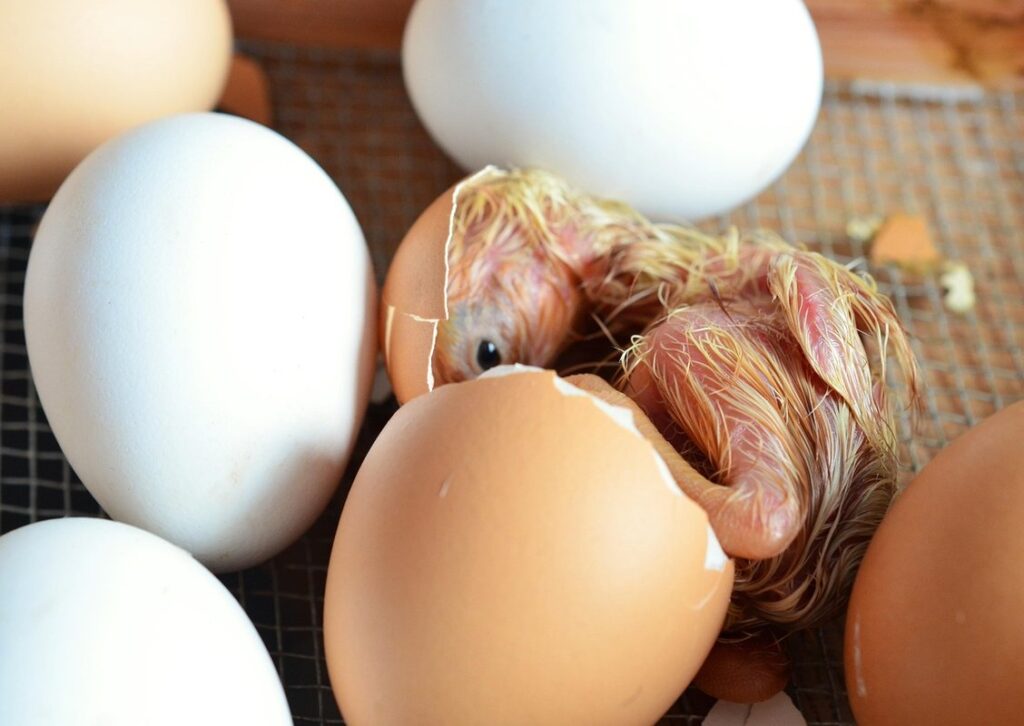
Understanding the Basics of Incubation and Hatching
To successfully troubleshoot late hatches, it’s essential to understand the basics of incubation and hatching. This process includes maintaining optimal temperatures, humidity levels, and turning eggs correctly.
Factors Affecting Incubator Temperature
Maintaining a stable incubator temperature is crucial for successful hatching. Temperature fluctuations can have devastating effects on embryos, leading to late hatch or even complete failure. Ideally, the temperature should remain within 0.1-0.2°C of the set point.
Common issues arise when the incubator’s thermostat is faulty or the temperature probe isn’t calibrated correctly. Furthermore, changes in ambient temperature can cause the incubator to heat up or cool down, leading to fluctuations in the internal temperature. For instance, if the room temperature drops suddenly due to air conditioning, the incubator may start to overheat.
To adjust the temperature settings, first, ensure that the thermostat is calibrated and functioning correctly. Then, check for any blockages in the airflow vents, as this can cause the incubator to heat up excessively. If necessary, fine-tune the temperature by small increments (0.1-0.2°C) until you achieve a stable reading on the thermometer.
Humidity Levels and Their Impact on Hatch Success
Maintaining optimal humidity levels is crucial during the incubation process. Humidity plays a vital role in facilitating the hatching process by keeping the embryo’s skin moist and helping to break down the eggshell. If humidity levels are too low, it can lead to desiccated eggs, resulting in stunted or failed hatchings.
To measure and maintain optimal humidity levels, you’ll need an incubation thermometer with a hygrometer attached. Aim for 50-60% relative humidity (RH) during the first 18 days of incubation. This can be achieved by using a water pan placed in the incubator. However, make sure to check the temperature regularly as over-humidification can lead to mold growth and bacterial contamination.
Monitor your eggs closely for any signs of desiccation or excess moisture. If you notice any unusual cracking patterns or difficulty hatching, it may be due to inadequate humidity levels. Consider using a humidifier specifically designed for incubators to maintain optimal RH. In extreme cases, try gently spraying the eggs with distilled water while taking care not to get the egg contents wet.
Common Causes of Late Hatches
One of the most frustrating things that can happen is a late hatch, and understanding what’s causing it can be just as puzzling. Let’s explore some common culprits behind this issue.
Poor Egg Quality or Handling Issues
Eggs with poor quality can significantly impact hatch success. Check for visible cracks or clean breaks before setting eggs in the incubator. Also look out for discolored or misshapen shells, which may indicate internal damage.
Some other signs of egg quality issues include:
• Soft or thin-shelled eggs
• Eggs that are too large or too small
• Dirty or stained eggs
To inspect eggs effectively, gently turn them over in your hands and check the eggshell for any imperfections. Hold the egg near a light source to illuminate any dark areas.
Improper handling is another common cause of late hatches. Rough handling can cause internal damage to the embryo, leading to poor hatch rates or delayed development. To minimize this risk:
• Handle eggs gently when collecting them from the coop
• Store eggs in a carton with the pointed end down and the large end up
• Avoid stacking eggs on top of each other
By paying attention to egg quality and handling procedures, you can reduce the likelihood of late hatches and increase your chances of successful incubation.
Inadequate Incubation Techniques or Equipment
One of the most common causes of late hatches is inadequate incubation techniques or equipment. Even with modern incubators, it’s surprising how often people overlook the importance of proper settings and equipment maintenance. Let’s face it: if you’re not using the right equipment or following the correct protocols, it’s like trying to cook a cake in a toaster oven.
First and foremost, temperature control is critical. If your incubator isn’t calibrated correctly, or if the thermometer is faulty, you’ll never achieve consistent temperatures that are ideal for embryo development. This can lead to late hatches or even failed hatch rates altogether. For example, let’s say you’re trying to hatch a batch of eggs at 99°F (37°C), but your incubator is actually running at 101°F (38°C). The result? A bunch of dead embryos and no chicks.
Another critical aspect of incubation is humidity control. Eggs need a certain level of moisture to develop properly, but if it’s too high or too low, the consequences can be disastrous. To avoid this, make sure your incubator has a reliable humidistat that can maintain optimal levels between 50-60% relative humidity.
Proper turning and monitoring are also essential components of successful incubation. If eggs aren’t turned regularly, the embryo will settle to one side and won’t develop properly. And if you’re not checking the temperature and humidity levels regularly, you’ll never know when something’s going wrong. Make sure your incubator has a reliable automatic turner or that you’re turning the eggs manually at least 5-7 times a day.
In addition, it’s crucial to choose the right equipment for the job. Look for an incubator with advanced features like digital temperature control, automatic turning, and alarm systems for temperature and humidity fluctuations. Don’t be tempted by cheap, manual turners or old-style incubators that rely on inaccurate thermometers and basic humidistats.
By paying attention to these crucial details, you’ll significantly reduce the risk of late hatches and ensure a successful hatch every time. So take it from us: investing in proper equipment and sticking to tried-and-true incubation techniques will save you headaches (and possibly even some money) down the line.
Troubleshooting Tips for Late Hatches
If you’re experiencing late hatches, don’t worry – we’ve got some expert advice to help you identify and fix common issues that might be causing the delay. Let’s dive into some troubleshooting tips together!
Identifying the Root Cause of the Problem
Identifying the root cause of late hatches is often the most crucial step in resolving the issue. It’s easy to get caught up in quick fixes, but without understanding what’s causing the problem, you’re unlikely to see long-term success.
Start by observing egg behavior. Are eggs developing normally until a certain point, then slowing down? Or are they showing signs of distress from the beginning? Take note of any visible cracks or weaknesses in the shell, as these can indicate underlying issues with temperature, humidity, or handling.
Next, double-check your incubator settings to ensure that you’re within the optimal range for your specific model. Even small deviations from recommended parameters can significantly impact hatch rates. Review your logs and records to see if there have been any recent changes or adjustments made to the setup.
Finally, take a close look at your hatch records. Are late hatches concentrated around specific days or batches? This could indicate a broader issue with your incubation process or egg quality. By analyzing these patterns, you can begin to piece together what’s going on and make targeted adjustments to get your flock back on track.
Adjusting Incubation Parameters for Improved Success Rates
When it comes to late hatch troubleshooting, one of the most critical areas to examine is incubation parameters. Small adjustments can make a significant difference in success rates, and many breeders have successfully improved their hatch rates by tweaking temperature, humidity, or turning schedules.
For instance, if you’re noticing consistent late hatches, try reducing the temperature by 0.5-1°F (0.3-0.6°C) to see if it improves embryo development. Some breeders report significant improvements in hatch rates when making this simple adjustment.
Alternatively, take a closer look at your turning schedule. Are you turning the eggs frequently enough? If not, try increasing the number of turns or implementing an automated turning system to ensure consistent movement and prevent adhesions.
Another crucial factor is humidity levels within the incubator. Aim for a relative humidity (RH) between 45-55% during the first week and adjust as necessary. A few breeders have reported improved hatch rates by maintaining slightly higher RH levels, around 58-60%, especially in areas with dry climates.
In one study, a commercial breeder achieved a 10% increase in hatch rate simply by adjusting their temperature from 99.5°F (37.7°C) to 98.5°F (36.9°C).
Advanced Techniques for Improving Hatch Success
Now that we’ve covered the basics, let’s dive into some advanced techniques to boost your hatch success and ensure even the toughest eggs crack open. These expert tips will take your late hatch troubleshooting skills to the next level.
The Role of Egg Turning in Late Hatch Prevention
Proper egg turning is a critical aspect of incubation that can significantly impact hatch success. When eggs are not turned regularly, the embryo’s development can be compromised, leading to late hatches or even failures. In fact, studies have shown that eggs left stationary for extended periods can experience up to 20% reduction in hatch rates.
To optimize egg turning protocols and minimize late hatches, it’s essential to understand the importance of frequency and consistency. Aim to turn eggs every hour, or at least 2-3 times a day, to ensure the embryo is properly positioned and developing evenly. It’s also crucial to identify the turning point where the embryo is in its most vulnerable stage (around day 7-9) and increase turning frequency during this period.
Aim for gentle but firm turns to avoid dislodging the embryo or disrupting the development process. You can use a turner specifically designed for incubators, or manually rotate eggs if you’re using a still-table setup. By implementing these simple yet effective techniques, you’ll significantly reduce the risk of late hatches and improve overall hatch success rates.
Optimizing Incubator Performance Through Regular Maintenance
Regular maintenance is often overlooked, but it’s essential for optimizing incubator performance and ensuring successful hatch rates. Think of your incubator as a machine that needs regular tune-ups to run smoothly. If you don’t clean and maintain it properly, it can lead to inconsistent temperatures, humidity fluctuations, and other issues that might contribute to late hatches.
Start by cleaning the incubator regularly with mild soap and warm water. This will help remove dirt, grime, and bacteria that can accumulate over time. Calibrate your temperature and humidity controls according to the manufacturer’s instructions to ensure accuracy. Check for any signs of wear or malfunction, such as cracked or broken parts, loose connections, or faulty sensors.
It’s also crucial to check the incubator’s air exchange system, which helps maintain a healthy atmosphere inside the unit. Make sure the fans are working correctly and replace them if necessary. Don’t forget to inspect the incubator’s exterior for any signs of damage or wear that could affect its performance. By following these simple steps, you’ll be able to identify potential issues before they cause problems during hatching, ensuring a healthier and more successful flock.
Monitoring and Recording Hatch Data
When it comes to late hatch troubleshooting, tracking your hatch data is essential. In this next step, we’ll show you how to effectively monitor and record your hatching process.
Setting Up a Comprehensive Record-Keeping System
Establishing a reliable record-keeping system is crucial for monitoring and recording hatch data. This allows you to track hatch rates, egg quality, and incubation conditions accurately, making it easier to identify potential issues before they lead to late hatches.
Start by identifying the key metrics you want to monitor, such as hatch rate percentage, embryo development stage at transfer, and humidity levels during incubation. For instance, tracking the number of eggs cracked during handling can help you pinpoint a specific step in your process where errors might be occurring.
Use a spreadsheet or database software like Google Sheets or Microsoft Excel to store and analyze your data. Include columns for each metric, and consider adding notes fields for comments on any unusual occurrences. Regularly reviewing this data will enable you to detect patterns or trends that may indicate the need for adjustments in your incubation procedures.
To make analysis more effective, set thresholds for acceptable ranges of each metric. This can help you quickly identify when a problem arises, allowing for prompt corrective action. By keeping detailed records and monitoring these specific metrics, you’ll be better equipped to troubleshoot late hatches and improve overall hatch success rates.
Using Data Analysis to Inform Incubation Decisions
Data analysis is a powerful tool that can help you identify trends and areas for improvement in your incubation procedures. By monitoring and recording hatch data, you can gain valuable insights into what’s working and what needs adjustment. This information can be used to inform future decisions and adjust incubation protocols accordingly.
For instance, if you notice that a particular breed is consistently hatching late or not at all, it may indicate an issue with temperature or humidity settings during the incubation process. You can use this data to make adjustments to your incubation schedule or experiment with different environmental conditions to see what works best for that specific breed.
One way to start using data analysis in your incubation procedures is by tracking key metrics such as hatch rate, embryonic mortality rate, and time-to-hatch. By analyzing these metrics over time, you can identify patterns and trends that may indicate areas where adjustments are needed. This could be as simple as adjusting the temperature or turning frequency, or it could require more significant changes to your incubation protocol.
When reviewing data, look for trends and correlations between different variables. For example, if you notice that hatch rate is consistently lower on weekends compared to weekdays, it may indicate an issue with maintenance or staff schedules. By making adjustments based on these insights, you can improve hatch rates and reduce late hatches.
Best Practices for Handling Late Hatches
When a late hatch occurs, it’s crucial to handle the situation carefully to ensure the health and well-being of both the hatching chicks and the rest of your flock. In this section, we’ll share our top tips for managing late hatches.
Managing Stress and Maintaining a Healthy Flock
Managing late hatches can be emotionally draining for breeders. It’s common to feel frustrated, anxious, and overwhelmed by the uncertainty of whether your chicks will hatch on time. These feelings can lead to burnout if not addressed.
Firstly, it’s essential to acknowledge that stress can affect both you and your flock. When you’re under pressure, your body releases stress hormones like cortisol, which can weaken your immune system. This can make you more susceptible to illnesses, affecting your ability to care for your birds. To manage stress, prioritize self-care activities such as exercise, meditation, or spending time with loved ones.
Maintaining a healthy work-life balance is also crucial. Late hatches often require extra attention and monitoring, which can blur the lines between work and personal life. Set clear boundaries by allocating specific times for flock care and sticking to them. This will help you avoid burnout and ensure your well-being isn’t compromised.
Additionally, prioritize flock well-being by providing a safe and nurturing environment. Ensure proper ventilation, adequate nutrition, and regular health checks to minimize the risk of disease or injury. By managing stress and maintaining a healthy work-life balance, you’ll be better equipped to handle late hatches and promote a thriving flock.
Reviewing Incubation Protocols and Making Adjustments as Needed
Reviewing incubation protocols after experiencing late hatches is crucial for identifying and correcting the underlying issues. Take this opportunity to analyze what went wrong and make adjustments to prevent similar problems from occurring in the future.
Start by documenting every step of your incubation process, including temperature, humidity, egg turning, and candling schedules. This record will help you identify any discrepancies or potential causes for late hatches. Consider factors such as equipment calibration, ventilation, and room temperature stability.
Once you’ve pinpointed the problem area, make adjustments to your protocols accordingly. For instance, if your incubator’s temperature is running too high, recalibrate it to ensure optimal temperatures between 99°F and 100°F (37°C-38°C). Similarly, if you find that eggs are not being turned regularly enough, automate the turning process or schedule more frequent manual checks.
Implement these changes for future batches, and monitor their effectiveness. Be prepared to make further adjustments as needed, even after implementing new procedures. Remember, every late hatch is a chance to refine your incubation protocols and improve the overall health and success of your flock.
Frequently Asked Questions
How Do I Monitor and Record Hatch Data for Future Improvement?
Monitoring and recording hatch data is crucial for identifying trends and areas for improvement. You can use a spreadsheet to track incubation parameters, temperature fluctuations, and hatch rates. Additionally, consider investing in software that allows you to track data in real-time, providing valuable insights into your incubation process.
What Are the Common Causes of Late Hatches Due to Incubator Maintenance Issues?
Regular maintenance is essential for ensuring optimal incubator performance. Common causes of late hatches due to maintenance issues include clogged air vents, dirty egg turners, and worn-out temperature probes. Regularly inspecting your incubator and replacing worn-out parts can help prevent these issues.
Can I Use a Temperature Gun to Monitor Incubator Temperatures?
Yes, using a temperature gun is an excellent way to monitor incubator temperatures. However, ensure the temperature gun is calibrated correctly and positioned accurately to obtain accurate readings. This will provide you with real-time data on your incubator’s performance, allowing for quick adjustments.
How Do I Adjust My Incubation Parameters When Switching from One Breed to Another?
When switching breeds, it’s essential to adjust your incubation parameters accordingly. Different breeds have unique requirements for temperature, humidity, and egg turning. Research the specific needs of the new breed and make adjustments gradually to avoid shocking the embryos.
How Long After a Late Hatch Can I Expect to Wait Before Trying Again with the Same Incubator?
It’s essential to troubleshoot the issue thoroughly before trying again. If you’ve identified a maintenance or setup issue, it may be best to address these problems first. Generally, it’s recommended to wait at least 1-2 incubation cycles to ensure that any issues have been resolved before attempting another hatch.