
If you’re a backyard chicken keeper or a commercial egg farmer, you’ve likely noticed that your laying hens just aren’t producing as many eggs as they used to. It’s not just a small dip in production either – many farmers and keepers are reporting a significant decrease in their hens’ egg-laying capabilities. But what’s behind this trend? Are changes in breeds or nutrition the culprit, or is it something more complex like climate change or disease outbreaks? In this article, we’ll dig into the shocking truth behind laying hens decreasing egg production and explore the various factors contributing to this decline. From breeding and feed quality to environmental stressors, we’ll examine the ways in which our laying hens are struggling to keep up with demand.
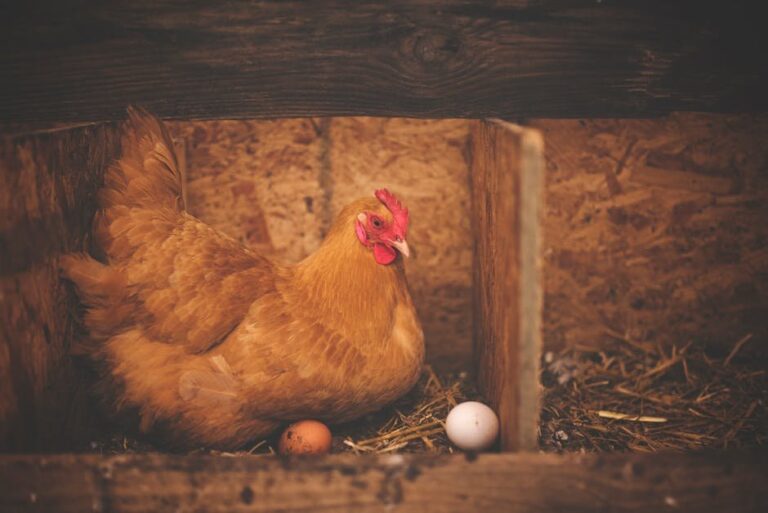
Changes in Laying Hen Breeds and Their Impacts
Changes in laying hen breeds are a significant factor in the decline of egg production, with new breeds emerging that prioritize efficiency over traditional characteristics. We’ll take a closer look at these changes and their effects on the industry.
Shift from Heavy to Lighter Breeds
In recent years, poultry breeding programs have undergone significant changes, shifting focus from heavy to lighter breeds. This deliberate selection aims to enhance efficiency and productivity, but also impacts egg production. Lighter breeds, such as the Leghorn and Cornish Cross, are more prolific layers than their heavier counterparts.
These breeds produce around 280-300 eggs per year, a notable increase compared to the traditional heavy breeds like Orpingtons or Plymouth Rockers that lay about 200-220 eggs annually. The lighter breeds’ high egg production rate is due in part to their accelerated growth rates and increased feed efficiency, allowing them to focus more energy on laying eggs.
As a result of these changes, farms can now produce more eggs with the same amount of resources. However, this shift also means that heavier breeds, which were once valued for their rich flavor and firmer texture, are being phased out. The decision to choose lighter or heavier breeds ultimately depends on the farm’s specific needs and production goals.
Effects of Selective Breeding on Egg Yields
Selective breeding has been a cornerstone of poultry farming for decades, aiming to increase egg yields and improve overall efficiency. However, this process has not been without its trade-offs. As breeders focus on maximizing production, they often compromise on other aspects of laying hen health and well-being.
One key consequence of selective breeding is the decrease in egg quality. Modern breeds are bred for high egg-laying capacity, but this comes at the expense of yolk size and color, shell thickness, and overall nutritional value. A study by the University of California found that eggs from intensive breeding programs had significantly lower levels of omega-3 fatty acids and vitamins compared to those from heritage breeds.
Furthermore, selective breeding can lead to reduced fertility rates and increased susceptibility to disease in laying hens. For example, commercial egg farms often cull their birds after just 18-20 months due to declining egg production, a practice that not only perpetuates the cycle of high-input farming but also contributes to environmental degradation.
By choosing heritage breeds or adopting more sustainable farming practices, producers can work towards balancing egg yields with hen health and welfare. This approach may require adjustments in breeding strategies, nutrition, and management practices but could ultimately lead to more resilient and productive flocks.
Rise of Intensive Farming Practices
The rise of intensive farming practices has had a significant impact on egg production, leading to changes in laying hen management and welfare. This shift is closely tied to the increasing global demand for affordable eggs.
Over-Reliance on Industrial-Scale Farms
Industrial-scale farms have become a dominant force in modern agriculture, driving efficiency and productivity through large-scale operations. However, this increased scale has raised concerns about the environmental impact of these massive farming systems. Laying hens, in particular, are often subjected to crowded conditions and strict production schedules within these industrial settings.
The emphasis on efficiency can lead to compromised animal welfare, as seen in the prevalence of health issues such as respiratory problems and feather pecking among hens raised in large-scale farms. These conditions not only affect the birds’ quality of life but also compromise their ability to lay eggs efficiently. Furthermore, the focus on maximizing production often results in a lack of attention to soil quality and biodiversity within these industrial settings.
To mitigate these issues, consider supporting small-scale, free-range farming operations that prioritize animal welfare and environmental sustainability. These farms often implement regenerative practices, such as rotational grazing and crop diversification, which promote soil health and biodiversity. By choosing eggs from these more sustainable sources, consumers can help create a market demand for better farming practices.
Worker Exploitation and Animal Welfare Issues
As we delve into the world of intensive farming practices, it’s essential to acknowledge the potential worker exploitation and animal welfare issues that can arise. Workers in these industrial-scale farms often face grueling conditions, long hours, and low wages. For instance, a report by the Food Chain Worker Alliance found that over 70% of farmworkers in the United States experience wage theft or denied overtime pay. This not only affects their well-being but also compromises their ability to advocate for better working conditions.
Animal welfare is also a significant concern in intensive farming practices. Laying hens, in particular, are often confined to cramped cages with little access to natural light or exercise. According to the Animal Welfare Institute, over 95% of laying hens in the United States are kept in battery cages that fail to meet basic animal welfare standards. This leads to stress, illness, and even death. To combat these issues, look for egg producers that prioritize animal welfare and fair labor practices. Consider choosing eggs from farms that offer free-range or organic options, where hens have more space to roam and are treated with greater respect. By supporting sustainable farming practices, we can create a better future for both workers and animals alike.
Decline of Small-Scale, Family-Owned Farms
As you explore the decline in egg production, it’s essential to consider how small-scale, family-owned farms have been squeezed out by larger industrial operations. Their disappearance has left a void in local agricultural communities worldwide.
Loss of Diversity and Biodiversity
The decline of small-scale, family-owned farms has led to a significant loss of diversity and biodiversity in egg production. As these smaller operations are forced out of business due to economies of scale, the range of breeds and varieties used for laying hens dwindles. In the past, many farmers would breed their own chickens using diverse genetics, resulting in unique characteristics such as feather color, egg size, and disease resistance.
Today, however, most large-scale commercial farms rely on a handful of high-production breeds developed by big-name companies like Aviagen or Cobb-Vantress. This has resulted in a homogenization of laying hen populations, with many varieties facing extinction. For instance, the beloved Easter Egger breed, prized for its blue eggs and friendly demeanor, is now largely extinct.
This loss of biodiversity not only reduces genetic diversity within egg-producing flocks but also makes them more vulnerable to disease outbreaks and environmental stressors. To support a more resilient and diverse egg industry, consumers can look for farms that prioritize heritage breeds or offer organic and free-range options.
Impact on Local Economies and Communities
The decline of small-scale, family-owned farms has far-reaching consequences that extend beyond the agricultural industry. When it comes to laying hen production, this decline affects local economies and communities in significant ways. For instance, the loss of these farms results in reduced economic activity, which can have a ripple effect on surrounding businesses and towns.
The decrease in egg production also means fewer opportunities for local farmers’ markets and roadside stands, ultimately leading to a reduction in jobs and income for community members involved in agriculture. Furthermore, many family-owned farms are staples within their communities, hosting events and providing educational programs that promote sustainable farming practices and connect consumers with the people behind their food.
As these farms disappear, so do these valuable contributions to local culture and economy. To mitigate this decline, consider supporting local farmers by purchasing eggs directly from them or shopping at farmers’ markets, which can help keep revenue within the community. By doing so, you’re not only getting fresher, better-tasting eggs but also contributing to the preservation of family-owned farms in your area.
Changes in Laying Hen Feed and Nutrition
Lately, many poultry experts have pointed out changes in laying hen feed and nutrition as a potential cause for declining egg production. Let’s dive into what’s behind these shifts.
Shift from Natural to Synthetic Feed Sources
In recent years, there’s been a significant shift from natural to synthetic feed sources for laying hens. This transformation has had a profound impact on their health and productivity. Gone are the days of lush pastures and nutrient-rich grains; today’s commercial egg production relies heavily on industrially produced feed.
The effects of this shift are multifaceted. Natural feed sources, like locally sourced grains and vegetables, provide essential micronutrients that support hens’ immune systems. In contrast, synthetic feeds often contain fillers and by-products that can lead to nutrient deficiencies and health issues. For instance, a study published in the Journal of Applied Poultry Research found that hens fed natural diets exhibited better egg production and lower mortality rates compared to those on conventional diets.
As consumers increasingly demand higher-quality eggs, producers are taking notice. Some farms are beginning to incorporate more organic and locally sourced ingredients into their feed formulations. This trend towards more sustainable and humane farming practices is a step in the right direction for laying hen welfare. If you’re a producer looking to improve your flock’s health and productivity, consider exploring alternative feed sources that prioritize natural and organic ingredients.
Effects of Over-Reliance on Soy and Corn-Based Diets
As we explore the factors contributing to the decline in egg production, it’s essential to examine the effects of over-reliance on soy and corn-based diets for laying hens. These feed sources have become increasingly dominant in commercial poultry farming due to their high protein content and affordability. However, a diet heavily reliant on soy and corn can lead to several negative consequences.
Feeding laying hens primarily soy and corn can disrupt the balance of essential nutrients in their digestive system. A lack of fiber, omega-3 fatty acids, and antioxidants can result in decreased eggshell quality, reduced fertility rates, and weakened immune systems. For instance, a study by the University of California found that hens fed a diet high in soy showed significant decreases in egg production and shell thickness.
Moreover, relying on these feed sources can lead to increased energy costs for farmers due to their high glycemic index, causing blood sugar spikes followed by crashes in energy levels. This rollercoaster effect can significantly impact the overall health and well-being of laying hens. As a result, many farmers are seeking alternative and more balanced feed options that prioritize nutritional diversity and reduce the risks associated with soy and corn-based diets.
Impact of Climate Change on Egg Production
Climate change is having a significant impact on egg production, with rising temperatures and more frequent extreme weather events affecting laying hens worldwide. Let’s take a closer look at how climate change is specifically impacting egg production.
Rising Temperatures and Changing Weather Patterns
Climate change is not just a distant threat; it’s already having a profound impact on egg production worldwide. Rising temperatures and changing weather patterns are altering the delicate balance of laying hen health and productivity.
Heat stress, one of the most significant climate-related challenges facing egg producers, occurs when hens experience temperatures above 26°C (79°F). When this happens, they can become lethargic, stop eating, and even die. For example, a recent study in Australia reported a 20% decline in egg production due to heat stress during a severe heatwave. To mitigate this, many farmers are using ventilation systems, providing shade, and extending their daily light cycle.
Droughts and extreme weather events also pose significant risks to laying hen health. Water scarcity can lead to dehydration, while heavy rainfall and flooding can contaminate feed and water sources. In such situations, it’s essential for egg producers to invest in robust infrastructure and emergency preparedness plans. This includes maintaining backup water supplies, using flood-resistant materials in coop construction, and developing contingency plans for heatwaves and other extreme weather events.
Implications for Laying Hen Health and Welfare
As we explore the factors contributing to the decline in egg production, it’s essential to consider the implications for laying hen health and welfare. Climate change is having a profound impact on these birds, with rising temperatures, altered precipitation patterns, and increased frequency of extreme weather events affecting their living conditions.
Laying hens are particularly vulnerable to heat stress, which can lead to respiratory problems, reduced egg production, and even death. In the US alone, heat-related mortality in commercial laying flocks has been reported to be as high as 10%. To mitigate this risk, farmers can provide adequate ventilation, shade structures, and cooling systems to maintain a comfortable temperature range for their hens.
In addition to heat stress, climate change is also altering the distribution of pests and diseases that affect laying hens. For example, ticks and lice are becoming more prevalent in areas with warmer temperatures, while avian influenza outbreaks are on the rise due to changing migration patterns. By adopting integrated pest management strategies and enhancing biosecurity measures, farmers can reduce the risk of disease transmission and protect their flocks.
Farmers can take proactive steps to address these challenges by:
* Conducting regular climate assessments to identify areas of vulnerability
* Implementing heat stress mitigation strategies, such as cooling systems and shade structures
* Enhancing ventilation and air quality in hen houses
* Practicing integrated pest management and biosecurity measures to prevent disease transmission
The Role of Disease in Declining Egg Production
Disease is a significant contributor to declining egg production, affecting not just the hens themselves but also farm operations and bottom lines. In this crucial section, we’ll explore the impact of disease on laying hen productivity.
Increased Resistance to Antibiotics
The overuse of antibiotics in agriculture has become a pressing concern for laying hen health and productivity. As we continue to rely on these medicines to promote growth and prevent disease in our poultry flocks, we’ve seen an alarming rise in antibiotic resistance. This phenomenon occurs when bacteria develop the ability to withstand or neutralize the effects of antibiotics, rendering them ineffective against infections.
According to a 2020 report by the World Health Organization (WHO), overuse and misuse of antibiotics have contributed significantly to the global crisis of antimicrobial resistance. In the context of laying hens, excessive antibiotic use can lead to a weakened immune system, making birds more susceptible to disease. This, in turn, results in decreased egg production, compromised flock health, and increased mortality rates.
To mitigate this issue, farmers can adopt alternative strategies for maintaining healthy flocks. These include implementing improved biosecurity measures, enhancing nutritional programs, and exploring the use of natural antimicrobial agents like essential oils or probiotics. By adopting a more holistic approach to poultry management, we can reduce our reliance on antibiotics and preserve their effectiveness for generations to come.
Spread of Avian Influenza and Other Diseases
Disease outbreaks have become a major concern for egg producers worldwide. Avian influenza, also known as bird flu, is one such example that has significantly impacted egg production. This highly contagious and deadly disease can spread rapidly through poultry farms, leading to massive losses. The economic burden of an avian influenza outbreak is substantial, with some farms reporting losses of up to 90% in a single event.
In addition to avian influenza, other diseases like Newcastle disease and infectious bronchitis have also affected egg production. These outbreaks not only reduce egg yields but also compromise the health and welfare of laying hens. To mitigate these risks, it’s essential for farmers to maintain robust biosecurity measures, including vaccination programs and strict hygiene protocols.
For instance, implementing a vaccination schedule can help prevent or minimize the impact of disease outbreaks. Regular health checks, proper ventilation, and waste management practices can also reduce the risk of disease transmission. By taking proactive steps, egg producers can protect their flocks and maintain a steady supply of eggs to market.
Conclusion: Moving Forward with Sustainable Egg Production
Now that we’ve explored the decline in egg production, let’s focus on how to move forward with sustainable and profitable laying hen farming practices. This concludes our journey into understanding the factors behind the decrease in laying hens.
Strategies for Improving Laying Hen Welfare
As we’ve explored the decline in egg production and its various contributing factors, it’s essential to consider the welfare of our laying hens. Improving their living conditions and reducing stress can have a significant impact on productivity and overall well-being.
Firstly, better ventilation is crucial. Hens need access to fresh air, which can be achieved through the installation of vents or the creation of an open-air aviary. This not only reduces ammonia levels but also minimizes the risk of respiratory diseases. Providing adequate space per bird is another critical aspect – aim for at least 40 square inches (0.25 m2) of floor space per hen.
Reducing stress through enrichment activities is equally important. Offer a variety of toys, scratching posts, and perches to keep hens engaged and stimulated. This can be as simple as providing cardboard boxes or plastic bottles filled with treats for them to peck at. Additionally, consider rotating the flock every few weeks to prevent boredom and fatigue. By implementing these strategies, you can significantly improve laying hen welfare, ultimately contributing to a more sustainable egg production system.
Implementing Sustainable Practices in Egg Farming
As we’ve explored the factors contributing to the decline in egg production, it’s clear that adopting sustainable practices in egg farming is essential for mitigating this issue. Sustainable egg farming not only benefits the environment but also ensures the long-term viability of egg production. One key area to focus on is reducing waste and optimizing resource use.
For instance, implementing a circular economy approach can help minimize food waste by utilizing all parts of the laying hen, from feathers to manure. This can be achieved through innovative processing techniques, such as converting chicken feathers into insulation materials or fertilizers. Additionally, efficient water management systems can conserve this precious resource and reduce the environmental impact of egg farming.
By adopting these sustainable practices, farmers can create a more resilient and self-sufficient egg production system. This approach also opens up new revenue streams, such as selling value-added products like organic manure or using renewable energy sources to power farms.
Frequently Asked Questions
What are the immediate steps I can take to improve egg production on my farm?
Start by assessing your flock’s health, nutrition, and living conditions. Ensure that your hens have access to clean water, adequate ventilation, and a balanced diet. Consider implementing practices like pasture-raising or rotational grazing to promote overall well-being. You may also want to explore ways to reduce stress on your flock, such as providing enrichment activities or adjusting their daily routine.
How can I differentiate between the effects of climate change and disease outbreaks on my egg production?
To determine whether climate change or disease is impacting your egg production, monitor temperature fluctuations, precipitation levels, and other environmental factors. Also, keep a close eye on disease incidence and outbreak patterns in your region. Consult with local veterinarians, agronomists, or extension specialists to help you make an informed decision.
Are there any breeds that are more resilient to climate change than others?
While no breed is completely immune to the effects of climate change, some laying hen breeds have been developed to perform better under varying conditions. Consider researching and selecting breeds known for their heat tolerance, adaptability, or resilience to environmental stressors. However, keep in mind that even hardy breeds require proper care and management to thrive.
What are some sustainable feed options for my laying hens?
Consider incorporating locally sourced, organic grains like oats, barley, or wheat into your hens’ diet. You can also explore using alternative protein sources, such as insects or algae-based feed supplements. Remember to consult with a poultry nutritionist to ensure that any changes to your flock’s diet are balanced and meet their nutritional needs.
Can I still produce high-quality eggs on a small scale, without relying on industrial-scale farms?
Yes, it is possible to produce high-quality eggs on a small scale by focusing on sustainable practices like rotational grazing, free-range management, or organic feed sources. Prioritize animal welfare, maintain detailed records of your flock’s health and productivity, and invest in building relationships with local customers who value the unique characteristics of your farm’s eggs.