
Are you fascinated by the vibrant colors of Leghorn eggs? As an egg enthusiast or poultry keeper, understanding the genetics behind these beautiful hues can be both intriguing and useful. Did you know that Leghorn egg color is influenced by a combination of genetic and environmental factors? While some people might see them as just pretty shades, knowing how to identify and track various colors can be beneficial for breeders, farmers, and even backyard chicken keepers. In this comprehensive guide, we’ll delve into the science behind Leghorn egg colors, exploring what influences their coloration and providing a detailed Leghorn egg color chart. Whether you’re looking to improve your breeding stock or simply want to learn more about these stunning eggs, join us as we crack open the secrets of Leghorn egg color!
Understanding Leghorn Chickens and Their Eggs
Leghorns are known for their prolific egg-laying, but what affects the color of those eggs? Let’s dive into the characteristics that influence Leghorn egg colors.
Characteristics of Leghorn Chickens
The Leghorn chicken breed has its roots in Italy, where they were first bred in the 19th century for their exceptional egg-laying abilities. These birds have a rich history, and their popularity can be attributed to their high productivity and hardiness. When it comes to physical characteristics, Leghorns are known for their compact size, typically weighing between 4-6 pounds. They have a slender build, with a length of about 20 inches and a wingspan of around 24 inches.
Leghorns are often described as friendly and docile birds, making them an excellent choice for backyard chicken keepers. Their temperament is usually calm and gentle, which is ideal for families with children or for those who want to raise chickens in a small space. One of the most notable characteristics of Leghorns is their incredible egg-laying abilities. They are prolific layers, producing on average 280-300 large white eggs per year.
In terms of egg production, Leghorns are known for their consistent laying schedule, with some birds producing an egg every 24 hours. Their eggs are typically large in size and have a clean, white appearance. This is due to the breed’s unique characteristic of having a single, dominant gene that promotes white feathers and skin, resulting in clean, white eggs.
Egg-Laying Potential of Leghorns
When it comes to egg-laying potential, Leghorns are renowned for their impressive production rates. On average, a healthy Leghorn hen will lay around 280-300 large brown eggs per year. This is due in part to their high fertility rate and relatively long laying period, which can span up to five years.
One of the primary reasons backyard chicken keepers and commercial farmers alike love Leghorns is their ability to produce larger eggs. Leghorn eggs typically weigh around 60-70 grams and have a medium to large size range, making them ideal for baking and cooking. This is especially important for bakers who rely on consistent egg sizes for recipes.
It’s worth noting that while individual Leghorn hens may not be as prolific as other breeds, their overall production rate makes up for it. Many backyard chicken keepers find that keeping multiple Leghorns helps to balance out the numbers and ensure a steady supply of eggs throughout the year. With proper care and nutrition, your Leghorns can become valuable additions to any flock, providing an abundance of fresh eggs for years to come.
Factors Influencing Leghorn Egg Color
When it comes to raising Leghorns, understanding what factors influence their egg color is essential for any backyard chicken keeper or commercial producer. Let’s explore these variables together.
Genetic Influence on Eggshell Color
When it comes to understanding the eggshell color variation in Leghorns, genetics play a crucial role. At its core, eggshell color is determined by two types of genes: dominant and recessive.
The B gene is responsible for the brown pigment in eggs, while the W gene controls the white pigment. If a chicken has the genotype BB or BW, it will lay brown eggs, as the B gene dominates the W gene. On the other hand, if a Leghorn has the genotype WW, it will lay white eggs.
Inheriting a single copy of the B gene (BW) from one parent can also result in brown egg-laying, even if the other parent contributes a W allele. This is because the B gene masks the expression of the W gene. To predict the eggshell color of your Leghorn flock, consider the genotype of both parents and how their genes will combine.
By understanding the genetic influence on eggshell color, you can make informed decisions when breeding or selecting chickens for your farm or backyard flock.
Environmental Effects on Eggshell Color
When it comes to Leghorn egg color, you may have noticed that eggs from different hens can vary significantly in their shade and intensity. While genetics play a significant role in determining the overall color of an egg, several environmental factors can impact the actual coloration.
Diet is one such factor that can influence eggshell color. For instance, if your Leghorns are fed a diet rich in calcium, it may result in eggs with a more intense, darker shade. On the other hand, a lack of sufficient calcium can cause egg yolks to be paler or even greenish in color. It’s essential to provide your flock with a balanced and nutrient-rich feed to ensure optimal eggshell quality.
Age is another critical factor that affects eggshell color. Young Leghorns tend to produce eggs with lighter-colored shells, which darken as they mature. Additionally, stress can impact the coloration of eggs, causing them to become paler or more faded. By ensuring a comfortable living environment and minimizing stress levels, you can encourage your hens to produce eggs with vibrant, consistent colors.
Incorporating supplements like alfalfa or oyster shells into their diet can also enhance eggshell quality and coloration. However, it’s crucial to maintain a delicate balance between these additives to avoid overloading the birds’ systems.
The American Poultry Association’s Standard for Leghorn Egg Colors
The American Poultry Association (APA) sets a standard for Leghorn egg colors, which we’ll explore in more detail below. This guide will walk you through their classification system.
Describing Eggshell Colors According to APA Standards
The American Poultry Association (APA) has established standardized terminology to describe the various shades of eggshell colors produced by Leghorns. According to their standards, eggshell colors are categorized into six main groups: white, brown, blue, green, pink, and olive. Each group is further divided into distinct shades, allowing breeders and enthusiasts to accurately identify and differentiate between them.
For example, the white egg color group includes not only pure white eggs but also those with a slight cream or yellow tint. The APA standards provide specific guidelines for describing these subtle variations, ensuring that breeders can communicate effectively about their flocks’ egg-laying capabilities. To describe an eggshell color accurately according to APA standards, one must consider the following factors: the overall hue (e.g., white, brown, blue), any secondary or undertones (e.g., pink, yellow, green), and the egg’s sheen or glossiness.
To apply these standards in practice, breeders can consult the APA’s official guidelines and reference charts. This will enable them to accurately categorize their Leghorns’ eggshell colors and make informed decisions about breeding and selection programs. By using standardized terminology, breeders can ensure consistency and clarity when communicating with other enthusiasts and professionals within the poultry community.
Examples and Photos of Different Eggshell Colors
In this section, we’ll explore the different eggshell colors recognized by the American Poultry Association (APA) for Leghorns. Let’s take a closer look at some of these variations and examine their distinct characteristics.
White Eggs
The most common egg color for Leghorns is white, accounting for approximately 90% of all eggs produced. White eggs are characterized by a smooth, glossy surface with no visible markings. The yolk will also be a bright yellow color. In a typical layer house setting, you can expect to see mostly white eggs from your Leghorn flock.
Brown Eggs
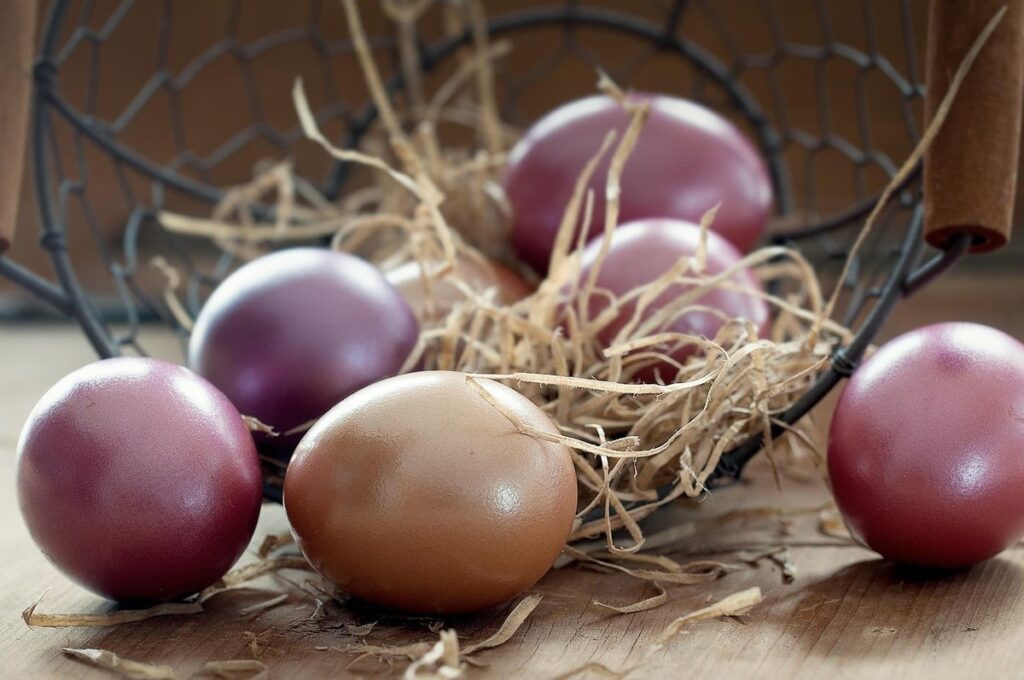
Leghorns producing brown eggs have a more mottled appearance compared to their white counterparts. Brown eggs range in color from light tan to dark chocolate and may feature small speckles or freckles on the surface. The yolk will also be lighter yellow than that of a white egg.
Pink or Rose-Colored Eggs
This is the rarest of all Leghorn egg colors, with only a few birds exhibiting this trait in their egg-laying capabilities. Pink or rose-colored eggs have a smooth, pinkish tint and may feature small spots or blotches on the surface.
Some breeders have experimented with breeding specific characteristics into their Leghorns, including different shades of blue and green. However, these colors are not recognized by the APA as official standards for eggshell coloration.
Key Takeaways
* White eggs account for 90% of all eggs produced by Leghorns
* Brown eggs have a mottled appearance with lighter yellow yolks
* Pink or rose-colored eggs are rare, but smooth in texture
Using a Leghorn Egg Color Chart: Tips and Best Practices
Now that you’ve mastered identifying egg colors, it’s time to learn how to use a Leghorn egg color chart effectively in your daily poultry endeavors. This section shares valuable tips for getting the most out of your egg color chart.
Creating Your Own Egg Collection System
Creating an efficient egg collection system is crucial when keeping Leghorns for their colorful eggs. Here’s a step-by-step guide to help you set up a system that makes categorizing and tracking the different colors a breeze.
Start by assigning a specific nesting box or area for each color group. For example, you can dedicate one box to blue eggs, another to green, and so on. This will make it easier to separate and count the eggs. Labeling each nesting box with its corresponding color will also help maintain organization.
Another option is to create an egg carton with designated slots for each color. This way, as you collect the eggs, simply place them in their respective slots. You can also use egg dividers or small containers within a larger carton to separate the colors. Whichever method you choose, make sure it’s consistent and easy to follow.
To further streamline your collection process, consider implementing a color-coding system for your nesting boxes or egg cartons. For instance, use blue tape for blue eggs, green stickers for green eggs, or even different colored markers to label the corresponding boxes. This visual system will help you quickly identify which box contains which color eggs, saving you time and effort in the long run.
Common Misconceptions About Leghorn Egg Colors
One common misconception about Leghorn egg colors is that they are solely determined by genetics. While it’s true that genetic factors play a significant role in determining the color of an eggshell, environmental influences can also affect the final hue.
For instance, changes in diet or exposure to certain minerals may cause slight variations in eggshell color. However, these effects are usually temporary and do not significantly impact the overall appearance of the eggs.
Another myth is that Leghorns only produce white eggs, which is a misconception based on breed-specific expectations. While many Leghorns do lay white eggs, they can also come in various shades of brown or even blue.
It’s essential to note that APA (American Poultry Association) standards for eggshell colors are not strictly adhered to by all farmers, particularly those focused on backyard or heritage breeds.
Conclusion: Maximizing Your Understanding of Leghorn Egg Color
As we wrap up our exploration of the fascinating world of Leghorn egg colors, let’s recap the key takeaways to ensure you’re equipped with expert knowledge.
Recap of Key Points Covered
As you’ve navigated through our comprehensive guide on Leghorn egg color charts, we hope you’re now equipped with a deeper understanding of this fascinating topic. To recap, let’s summarize the key points covered:
Leghorns’ egg colors are primarily determined by genetics, with multiple genes interacting to produce the unique hue and shade. The interaction between these genes is influenced by environmental factors such as nutrition, stress levels, and age. We discussed how to determine the eggshell color of your Leghorn flock using our easy-to-use chart.
We also highlighted the importance of adhering to the American Poultry Association (APA) standards for eggshell colors, which are a vital consideration for breeders and enthusiasts aiming to register their birds. By understanding these guidelines, you can ensure that your birds meet the necessary requirements for registration. In addition, we provided practical advice on how to create a customized Leghorn egg color chart tailored to your specific flock’s needs.
By applying these insights, you’ll be well on your way to accurately predicting and recording the eggshell colors of your prized Leghorns.
Additional Resources for Further Learning
If you’re fascinated by the complexities of Leghorn egg color and want to explore further, there are numerous resources available. To dive deeper into poultry genetics, consider checking out “Genetics for Dummies” by Sterne, which offers an accessible introduction to the subject.
For a more in-depth look at egg production and its various factors, “Egg Production: A Comprehensive Guide” by Van Voorhis is an excellent resource. This book covers topics such as nutrition, breed selection, and environmental influences on egg laying.
Online forums like Backyard Chickens or online courses on platforms like Udemy can also provide a wealth of information. These resources offer a platform to connect with experienced poultry keepers, ask questions, and gain insights into best practices for egg production.
Another useful resource is the Poultry Science journal, which publishes peer-reviewed articles on various aspects of poultry science, including genetics and nutrition.
Frequently Asked Questions
How can I use a Leghorn egg color chart to track the eggs from my own flock?
A comprehensive Leghorn egg color chart is not just for breeders, but also useful for backyard chicken keepers like you. By regularly observing and recording the colors of your hens’ eggs, you can monitor their health, identify any potential issues, and even use this data to select for desirable traits in future breeding. Yes, start by collecting and documenting eggshell samples from each hen to create a personalized chart.
Can I use the Leghorn egg color chart to predict or influence the sex of my chicks?
No, you cannot determine the sex of your chicks based on the color of their mother’s eggs. The Leghorn egg color chart is primarily used for tracking and identifying different eggshell colors, which are influenced by genetics but not directly related to chick sex.
What if I have a mix of breeds in my flock – will the Leghorn egg color chart still be useful?
Yes, understanding the genetic influence on Leghorn egg colors can help you identify the characteristics that your mixed-breed hens inherit from their Leghorn ancestors. By using a comprehensive chart and tracking the colors produced by each hen, you’ll gain valuable insights into their breeding potential.
How do I choose the right color classification for my Leghorn eggs according to the American Poultry Association (APA) standards?
When describing eggshell colors according to APA standards, look for the most accurate match from their established palette. If an exact match isn’t available, describe the closest color and provide supporting evidence, such as photographs or measurements.
Can I use a digital version of the Leghorn egg color chart on my smartphone or tablet?
Yes, you can definitely digitize your egg collection system by using an app or creating a spreadsheet to track and record eggshell colors. This will make it easier to analyze data and identify trends in your flock’s egg-laying habits.