
Are you thinking of adding some egg-laying birds to your backyard flock, but not sure where to start? Or perhaps you’re looking for a hardy rooster breed that’s easy to care for? Look no further than the Leghorn rooster! This popular breed has been around for centuries and is renowned for its high egg production and gentle nature. But what makes the Leghorn rooster so special, and how can you raise healthy birds at home?
In this article, we’ll delve into the history of the Leghorn rooster, exploring its origins and characteristics that make it a favorite among backyard chicken keepers. We’ll also cover the uses of this versatile breed, from providing fresh eggs to controlling pests in your garden. And don’t worry – we won’t leave you hanging! Our comprehensive guide will walk you through everything you need to know about raising healthy Leghorn roosters, including their care requirements and tips for getting the most out of their egg-laying abilities.
History and Origins of the Leghorn Rooster
The Leghorn rooster has its roots in Italy, where it was bred for its exceptional egg-laying abilities and later became a popular choice for farm flocks worldwide. Let’s explore its fascinating history.
Early Development in Italy
The origins of the Leghorn rooster can be traced back to Italy in the late 19th century. At that time, Italian breeders were focused on developing a chicken breed that would excel at laying eggs, rather than for meat production. They achieved this goal by selectively breeding birds from the Campine and Andalucian breeds, which are known for their high egg-laying abilities.
The result of these breeding efforts was a robust and efficient bird capable of producing up to 300 large brown eggs per year. Italian farmers were thrilled with the Leghorn’s performance and quickly adopted it as a preferred breed on their farms. The Leghorn’s exceptional egg-laying abilities made it an ideal choice for small-scale farming operations, where every egg counted.
As the demand for Leghorns grew, so did its popularity worldwide. Today, the Leghorn is one of the most widely kept breeds in backyards and commercial farms alike, celebrated not only for its impressive egg production but also for its friendly, docile nature.
Introduction to America
The introduction of the Leghorn rooster to America marked a significant turning point in the country’s poultry industry. In the late 19th century, Italian farmers began crossing local breeds with the native Leghorn strain, resulting in a robust and prolific bird that quickly gained popularity among American breeders.
When Italian immigrants brought their prized birds to the United States, they brought more than just a new breed – they brought a fresh perspective on poultry production. The Leghorn rooster’s impressive egg-laying abilities, coupled with its striking appearance, made it an instant hit among farmers and breeders. The birds thrived in America’s climate, and their adaptability to different living conditions soon earned them widespread recognition.
By the early 20th century, the Leghorn had become a dominant force in American poultry farming. Its impact on the industry was profound, as its high egg production rates and robust constitution enabled farmers to meet the growing demand for eggs. As you consider adding a Leghorn rooster to your flock, it’s essential to remember their rich history and the significant role they’ve played in shaping America’s poultry landscape.
By the 1920s, the American Poultry Association recognized the Leghorn as one of its core breeds, solidifying its place in the country’s agricultural heritage. Today, you can still find purebred Leghorns on farms across the United States, a testament to their enduring popularity and influence on modern poultry production.
Breed Standardization
In the early 20th century, the Italian Leghorn rooster underwent significant breed standardization efforts. This process involved creating a breed description that would serve as a blueprint for future breeding and selection decisions. The aim was to establish a distinct breed with consistent physical characteristics, temperament, and performance traits.
Notable milestones in this process include the 1919 publication of the American Standard of Perfection (ASP) by the American Poultry Association (APA). This document outlined the official breed standards for various poultry breeds, including the Leghorn rooster. The ASP emphasized key characteristics such as pea-comb type, white skin, and a high egg-laying capacity.
To this day, breeders continue to refer to these original breed standards when selecting breeding stock. This focus on standardization has helped maintain consistency in the breed’s performance and appearance across different flocks and regions. If you’re considering raising Leghorn roosters for their eggs or as show birds, understanding the breed’s standardized characteristics can be invaluable in making informed decisions about your flock management and breeding program.
Characteristics of the Leghorn Rooster
The Leghorn rooster is a lively and energetic bird, known for its striking appearance and impressive personality traits that set it apart from other breeds. Let’s take a closer look at what makes them so unique.
Physical Appearance
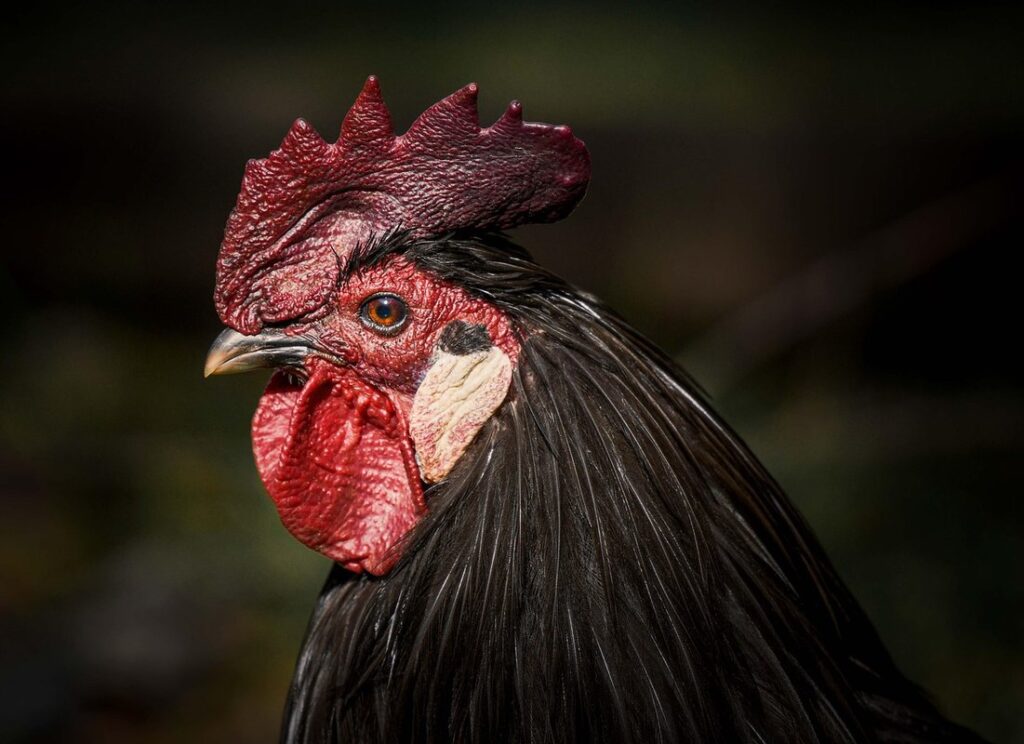
A Leghorn rooster is easily recognizable due to its distinctive physical appearance. Males of this breed typically stand between 28 and 30 inches tall, making them a medium-sized chicken variety. The plumage of the Leghorn rooster is another identifying feature, as it features a predominantly white coat with occasional black or red accents on the wings and tail.
The beak shape of the Leghorn rooster is relatively long and pointed, which can make it a bit more challenging to maintain compared to other breeds. However, this unique characteristic also serves as an advantage in terms of foraging capabilities, allowing the bird to efficiently pick up food from the ground.
Some breeders and owners prefer to trim or file the beak of their Leghorn roosters periodically to prevent damage and discomfort. This process typically involves gently shaping the tip of the beak with a nail file or similar tool under close supervision. It’s essential to exercise caution when handling your bird’s beak, as even minor cuts can lead to infections.
Overall, the physical appearance of the Leghorn rooster makes it a visually appealing addition to any backyard flock, and its unique characteristics warrant regular monitoring and maintenance to ensure optimal health and well-being.
Temperament and Personality
Leghorns are renowned for their bold and energetic personalities, making them a joy to have around. Their confidence and fearlessness can be quite entertaining, especially when they strut around the yard with their tails held high. One of the most distinctive aspects of the Leghorn’s temperament is their assertive nature – they’re not afraid to speak up and will often loudly announce their presence.
As backyard chicken keepers, you’ll find that Leghorns are naturally curious and love to explore their surroundings. They’re intelligent birds and can get into all sorts of mischief if given the chance. To manage this curiosity, provide them with a stimulating environment that includes plenty of perches, toys, and scratching posts.
When it comes to interacting with humans, Leghorns are generally friendly and social. However, they do have a bit of an independent streak and may not always seek out attention from their owners. With patience and consistent handling, though, you can build trust and develop a strong bond with your Leghorn rooster.
Health Considerations
Leghorns are known for their hardiness and ability to thrive in a variety of environments. However, like all breeds, they can be prone to certain health issues that you should be aware of as an owner.
One common problem affecting Leghorn roosters is heat stress. Due to their lightweight build and large combs, they can easily overheat in warm temperatures, especially if they don’t have access to adequate shade or ventilation. To prevent this, ensure your rooster has a cool place to retreat to during hot weather and provide plenty of water.
Another issue that may arise is respiratory problems caused by Mycoplasma gallisepticum (MG). This bacterium can cause chronic respiratory disease in chickens and is highly contagious. To mitigate the risk of infection, maintain strict hygiene standards within your coop, isolate any new birds before introducing them to your flock, and consider vaccinating against MG.
By being aware of these potential health concerns and taking proactive measures, you can help minimize the risks and keep your Leghorn rooster healthy and thriving.
Uses of the Leghorn Rooster
Leghorns are versatile birds, and beyond their impressive egg-laying abilities, they also make valuable additions to various agricultural settings. Let’s explore some practical uses for your Leghorn rooster.
Egg Production
When it comes to egg production, Leghorn roosters are often misunderstood. While they’re male birds and therefore cannot lay eggs themselves, their presence can significantly boost a flock’s overall productivity. Leghorns are renowned for their exceptional laying abilities, and when paired with hens of the same breed or others known for high egg production, the result is a remarkable increase in egg numbers.
In fact, studies have shown that adding a Leghorn rooster to a flock can increase egg production by up to 20% within just a few months. This is largely due to their unique ability to stimulate hens to lay more eggs. It’s not uncommon for small-scale farmers and backyard chicken keepers to see an average of 300-400 extra eggs per year with the introduction of a Leghorn rooster.
To reap these benefits, it’s essential to introduce the rooster to your flock at a young age and allow them to develop a strong bond. Start by introducing him slowly, under close supervision, to ensure a peaceful transition for all birds. Once integrated, monitor egg production closely, adjusting feeding schedules or habitat improvements as needed to maximize results. With proper care and attention, you can unlock the full potential of your flock’s egg-laying abilities with the help of a Leghorn rooster.
Meat Production
Raising Leghorns for meat production can be an excellent option due to their fast growth rate and high-quality meat. A study by the University of California found that Leghorn roosters can reach market weight in as little as 8-10 weeks, compared to 14-16 weeks for other breeds. This accelerated growth rate allows farmers to increase productivity and reduce costs.
When it comes to meat quality, Leghorns have a well-deserved reputation for producing tender and flavorful meat. Their fast growth rate is often accompanied by a high feed conversion ratio, meaning they require less feed to produce the same amount of meat as other breeds. However, Leghorns may not be suitable for large-scale commercial operations due to their relatively smaller size.
To raise Leghorns successfully for meat production, it’s essential to prioritize proper nutrition and provide adequate space for exercise. Aim to offer a diet rich in protein (20-22%) and ensure access to fresh water at all times. Provide enough space per bird (around 2-3 sq ft) to prevent overcrowding and promote healthy growth. Regular health checks and parasite control measures should also be implemented to maintain optimal health.
By following these guidelines, you can successfully raise Leghorns for meat production and enjoy the benefits of their high-quality meat.
Show Poultry
Leghorns are not typically used for show poultry due to their small size and lack of impressive plumage. However, they can still be a competitive breed in certain circumstances. One notable example is the American Bantam Association’s Lightweight class, which allows Leghorns to compete against other breeds.
To prepare your Leghorn rooster for a show competition, focus on developing its muscular physique through proper nutrition and exercise. A balanced diet rich in protein and calcium will help build muscle mass, while regular exercise will improve overall fitness and mobility.
Leghorns also excel in agility and speed, making them well-suited to obstacle courses often included in poultry shows. With training and practice, your Leghorn rooster can navigate these obstacles with ease, earning valuable points towards a competitive edge.
While their smaller size may be a drawback for some breeders, the Leghorn’s agility and intelligence make it an attractive choice for more specialized competitions.
Care and Management
Proper care and management are crucial for a happy, healthy Leghorn rooster, so let’s dive into the details on housing, nutrition, and health maintenance.
Housing Requirements
When it comes to housing Leghorns, it’s essential to provide them with adequate space, good ventilation, and protection from predators. A general rule of thumb is to allocate at least 4-5 square feet per bird inside the coop, and an additional 8-10 square feet in the run for exercise.
In terms of ventilation, a well-designed coop should have windows or vents that allow for airflow and sunlight penetration. This not only helps maintain a healthy environment but also supports egg-laying and overall well-being. Consider installing a predator-proof roof, walls, and enclosure to safeguard your birds from potential threats.
To create an ideal housing setup, consider the following:
* Place roosting bars about 3-4 feet off the ground for comfortable perching.
* Ensure adequate nesting boxes (about one box per 3-4 hens) with soft bedding like straw or pine shavings.
* Use wire mesh with openings of 1 inch or less to prevent escapes and predator entry.
By providing a well-designed housing system, you’ll be creating a happy and healthy environment for your Leghorns. Remember to check local regulations regarding coop size and design requirements before constructing your bird’s home.
Nutrition and Feeding
When it comes to providing optimal care for your Leghorn rooster, nutrition plays a vital role. These birds are known for their high energy levels and need a diet that meets their nutritional requirements. A balanced diet should consist of 16-18% protein, 2-3% calcium, and 1-2% phosphorus. It’s essential to provide them with a variety of foods including grains like oats and barley, as well as fruits and vegetables.
A common mistake many new owners make is overfeeding their birds, which can lead to obesity and related health issues. To avoid this, it’s crucial to monitor your rooster’s food intake closely and adjust accordingly. You should also provide fresh water at all times, and consider supplementing with calcium-rich foods like crushed eggshells or dark leafy greens.
In addition to dietary needs, be aware of potential health concerns related to diet. For example, a lack of vitamin D can lead to softening of the bones (rickets), while excessive intake of protein can cause kidney damage. Regularly checking your rooster’s droppings and overall health will help you identify any issues early on, allowing for prompt adjustments to their diet as needed.
Health Maintenance
Maintaining the health of your Leghorn roosters is crucial to ensure their well-being and productivity. A healthy flock is less susceptible to diseases and parasites, which can lead to significant losses. Develop a comprehensive vaccination schedule with your veterinarian to protect against common poultry diseases such as Newcastle disease, infectious bronchitis, and fowl pox.
Parasite control is another essential aspect of health maintenance. Regularly inspect your birds for signs of external parasites like mites, lice, or fleas. Use an insecticide specifically designed for poultry, following the manufacturer’s instructions carefully. Also, maintain clean living conditions by removing soiled bedding and providing adequate ventilation.
Disease prevention strategies include maintaining good hygiene practices, such as washing hands before handling birds, cleaning equipment, and ensuring proper feeding and watering systems. Monitor your flock daily for any signs of illness or stress, such as changes in appetite or behavior. Early detection allows prompt treatment, minimizing the risk of disease spread. By following these tips, you can create a healthy environment for your Leghorn roosters to thrive.
Breeding and Raising Leghorn Roosters
Breeding a healthy Leghorn rooster requires careful consideration of genetics, nutrition, and environmental factors to produce strong offspring. You’ll learn essential tips for raising your Leghorn roosters from chick to maturity.
Selecting a Mate
When it comes to breeding and raising Leghorn roosters, selecting a suitable mate is crucial for maintaining genetic diversity and ensuring the overall health and well-being of your flock. A good mate will not only help improve egg production but also contribute positively to the temperament of your birds.
To begin with, consider the temperament of the potential mate. Leghorns are known for their friendly and docile nature, so it’s essential to select a rooster that shares these characteristics. Look for a bird that is calm and gentle around humans and other chickens. A good way to assess temperament is by observing how the rooster interacts with its surroundings and other birds.
Genetic diversity is also critical when selecting a mate. You can achieve this by introducing new bloodlines or breeds into your flock. Mixing breeds can help reduce inbreeding and increase resistance to diseases. It’s recommended to cross-breed Leghorns with other breeds that share similar characteristics, such as the Rhode Island Red or the Barred Plymouth Rock.
When selecting a mate, it’s also essential to consider compatibility. If you already have a flock of hens, introduce the new rooster gradually to ensure they can live together peacefully. Monitor their behavior and adjust your introduction plan accordingly.
By following these guidelines, you’ll be able to select a suitable mate for your Leghorn rooster, ensuring a harmonious and healthy flock.
Brooding and Chicks
When it comes to raising Leghorn roosters, one of the most critical stages is brooding. This period, typically between 1-6 weeks of age, requires careful attention and optimal care to ensure healthy development. During this time, chicks are vulnerable to stress, disease, and environmental factors that can impact their growth.
To provide a suitable environment for your Leghorn rooster chicks, you’ll want to focus on maintaining a clean, draft-free brooder with adequate ventilation. A temperature range of 90-100°F (32-38°C) is recommended during the first week, gradually decreasing by 5°F (3°C) each subsequent week. Ensure access to fresh water and a starter feed that’s specifically formulated for young chickens.
Monitor your chicks’ progress closely, watching for signs of stress or illness, such as labored breathing, lethargy, or loss of appetite. Keep the brooder quiet and minimize disturbance to prevent unnecessary stress. With proper care and attention during this critical development stage, your Leghorn rooster chicks will be well on their way to becoming healthy, thriving birds.
Raising Juveniles to Maturity
Raising young Leghorns into mature birds requires attention to their nutritional needs, health checks, and socialization. A balanced diet is crucial for growth and development. Provide a starter feed that’s high in protein (around 20%) until they’re about six weeks old. Then, switch to a grower feed with a slightly lower protein content. Don’t forget to include calcium-rich foods like oyster shells or crushed eggshells to support strong beak and skeletal growth.
Regular health checks are essential to catch any potential issues early on. Monitor their overall appearance, behavior, and droppings for signs of illness or stress. For example, pale comb or legs can indicate anemia. Check the droppings daily for proper color, consistency, and frequency. Ensure they have access to clean water at all times.
Socialization is also vital during this period. Introduce young Leghorns to new environments, people, and other birds gradually. This helps them become confident and calm adults. Provide adequate space and opportunities for exercise to promote mental and physical well-being. For instance, you can let them free-range or provide a spacious coop with perches and toys.
Frequently Asked Questions
How do I determine if a Leghorn rooster is suitable for my backyard flock?
A Leghorn rooster can thrive in small to medium-sized flocks, but it’s essential to consider your available space and experience level. If you have limited space or are new to raising chickens, other breeds might be more suitable.
What are some common health issues I should watch out for in Leghorn roosters?
Leghorns are generally hardy birds, but they can be prone to respiratory issues and eye problems due to their large eyes. Ensure your flock has access to clean water, a balanced diet, and adequate ventilation to minimize these risks.
Can I raise Leghorn roosters as pets, or are they better suited for egg production?
While Leghorns excel at laying eggs, they can make great pets if socialized properly from an early age. However, their loud crowing may not be suitable for everyone’s lifestyle. If you’re looking for a pet chicken, consider factors like noise levels and your local ordinances.
How do I ensure my Leghorn roosters are receiving the proper nutrition to maintain high egg production?
Provide your flock with a balanced diet rich in protein (16-18% for layers) and calcium supplements to support strong eggshell formation. Fresh fruits and vegetables can also be given as treats, but avoid overfeeding.
What’s the ideal ratio of Leghorn roosters to hens in my backyard flock?
A general rule of thumb is 1 rooster per 5-10 hens to maintain order within your flock. However, this ratio may vary depending on factors like breed, size, and temperament. Research specific recommendations for your flock’s unique characteristics.