
When it comes to choosing the perfect breed for your poultry farm, two popular contenders often come to mind: Leghorns and Australorps. These two breeds are known for their impressive egg-laying abilities, but that’s not all they have in common. Deciding between them can be a daunting task, especially if you’re new to raising chickens. Each breed has its unique strengths and weaknesses when it comes to egg production, temperament, health, and adaptability to different environments. In this article, we’ll dive into the key differences between Leghorns and Australorps, exploring their performance in these crucial areas. By the end of this post, you’ll have a clear understanding of which breed is best suited for your farm’s specific needs and goals.
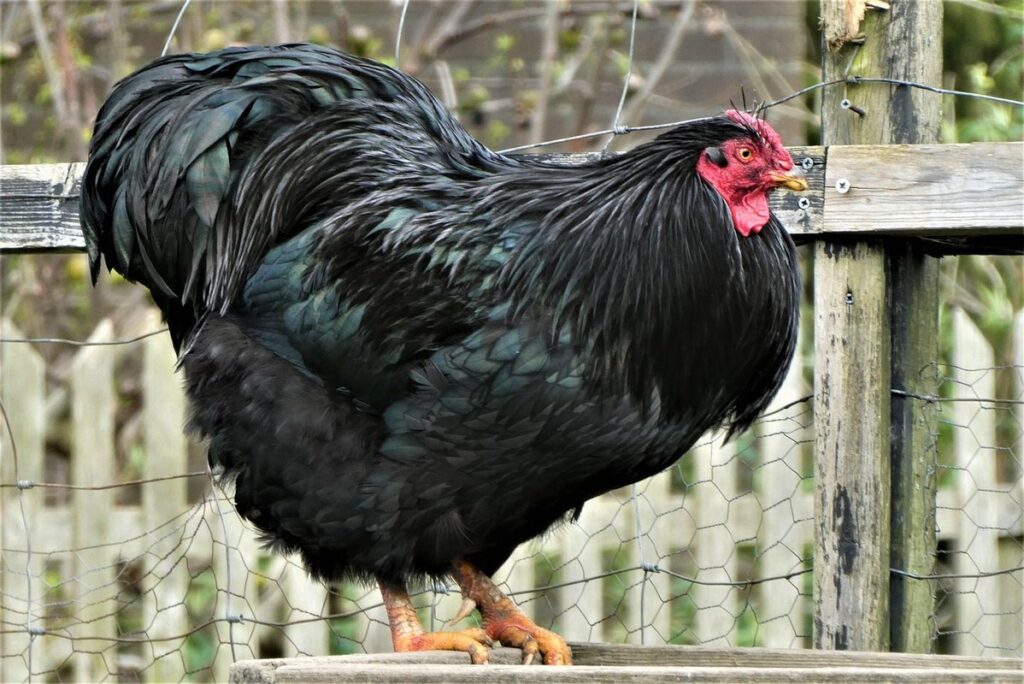
Introduction to Leghorns and Australorps
When choosing between a Leghorn and an Australorp, understanding their unique characteristics is crucial. Let’s dive into the basics of these popular breeds and what sets them apart.
Origins of Leghorns and Australorps
The origins of Leghorns and Australorps are fascinating stories that date back centuries. Let’s start with the Leghorn breed, which hails from Italy. This Mediterranean region has been known for its rich poultry heritage, and the Leghorn is one of the most iconic breeds to emerge from it. Bred specifically for egg production in the 19th century, Leghorns were initially raised on small farms and homesteads in the Tuscany region.
In contrast, the Australorp breed originates from Australia, where it was developed in the early 20th century. The name “Australorp” is a portmanteau of “Australian” and “Orpington,” a popular breed at the time. Australorps were bred to thrive in the country’s harsh climate and produce large quantities of eggs. Their robust build, hardiness, and high egg-laying abilities made them an ideal choice for Australian farmers.
These two breeds have distinct histories that shape their characteristics today. Understanding their origins can help you decide which breed is best suited for your needs.
Physical Characteristics of Leghorns and Australorps
One of the most noticeable differences between Leghorns and Australorps is their physical characteristics. Let’s start with the Leghorn: this breed is known for its sleek, smooth plumage that can come in a variety of colors such as white, black, and brown. Their beak shape is medium-sized, tapering to a point, and their overall size is relatively compact.
In contrast, Australorps have a more robust build with a slightly larger body frame than Leghorns. Their plumage is soft and fluffy, often described as being like “wool” in texture. The color options for Australorps include blue, white, and light brown, but it’s worth noting that their feathers can sometimes develop a subtle sheen.
It’s also worth mentioning that both breeds have a similar weight range: Leghorns typically weigh between 4-6 pounds (1.8-2.7 kg), while Australorps come in at around 9-13 pounds (4-5.9 kg). However, it’s essential to remember that individual birds may vary depending on factors such as diet and genetics.
When choosing a breed, keep in mind the space you have available for your coop: if you’re working with limited space, Leghorns might be the better fit due to their compact size.
Egg-Laying Performance Comparison
Let’s dive into how Leghorns and Australorps stack up when it comes to egg-laying performance, from daily output to annual production. We’ll compare their numbers side by side.
Egg Size and Yield for Leghorns and Australorps
When it comes to egg size and yield, both Leghorns and Australorps are known for their high production rates. However, there are some notable differences between the two breeds.
On average, a Leghorn hen lays around 280-300 large eggs per year, with an average weight of about 50-60 grams each. In contrast, an Australorp hen typically produces around 200-220 large eggs per year, but with a slightly larger average weight of around 65-70 grams.
One notable trend is that Leghorns tend to have a higher egg production rate in the early stages of their laying cycle, while Australorps take longer to reach their peak production. This means that if you’re looking for a breed that will produce eggs consistently from an early age, a Leghorn might be the better choice.
When selecting a breed, consider your specific needs and goals. If you prioritize larger egg size, an Australorp might be the way to go. But if you need a high-volume producer, a Leghorn could be the better option.
Factors Affecting Egg Production in Leghorns and Australorps
When it comes to egg production, both Leghorns and Australorps are sensitive to environmental and management factors. Proper lighting is crucial for optimal egg laying, with a 14-hour day length recommended for peak production. However, the quality of light is equally important; full-spectrum lighting can improve eggshell strength and reduce the risk of feather pecking.
Nutrition also plays a significant role in determining egg production. Both Leghorns and Australorps require a balanced diet rich in protein, calcium, and phosphorus to maintain optimal health and fertility. Providing a high-quality layer feed, supplemented with fruits and vegetables, can support peak production levels.
Health issues such as respiratory problems or mites can significantly impact egg laying performance. Maintaining clean living conditions, providing regular vaccinations, and practicing good hygiene can help mitigate these risks. Additionally, monitoring the flock’s overall health through regular checks and recording production levels will allow for early detection of potential issues.
By paying attention to these factors, you can ensure your flock is receiving optimal care and support peak egg production levels.
Temperament and Handling of Leghorns vs Australorps
When it comes to temperament, one breed stands out for its calm demeanor while another shines for its lively spirit. Let’s compare how these two breeds handle in your backyard flock.
Breeding Purpose and Temperament Traits
When it comes to breeding purposes and temperament traits, the Leghorn and Australorp have distinct origins that shape their behavior. The Leghorn was originally bred for its exceptional egg-laying abilities, with some breeds reaching over 300 eggs per year. This intense focus on production has led to a breed that can be quite flighty and skittish, particularly in new or unfamiliar environments.
In contrast, the Australorp was developed as a dual-purpose bird, intended not only for egg-laying but also for meat production. As a result, they tend to be more docile and laid-back, making them easier to handle and manage on small farms. Their temperament is often described as calm and gentle, which makes them an excellent choice for backyard flocks.
Understanding these breeding purposes can help you choose the right breed for your needs. If you’re looking for a high-volume egg producer that’s easy to care for, the Leghorn might be a good fit. However, if you prefer a more relaxed, family-friendly atmosphere, the Australorp may be the better choice. By considering the original breeding purposes of each breed, you can make an informed decision and enjoy a harmonious flock.
Handling Considerations for Leghorns and Australorps
When it comes to handling Leghorns and Australorps, there are some key considerations to keep in mind. For one, both breeds are known for being active and flighty, so they require regular exercise and mental stimulation to prevent boredom and stress.
Leghorns, in particular, can be quite skittish and may not tolerate handling as well as other breeds. To handle them effectively, it’s essential to move slowly and calmly around them, avoiding any sudden movements that might startle them. They also appreciate a gentle touch and may become more docile with regular handling.
Australorps, on the other hand, are often described as friendly and outgoing. However, they can still be quite wary of new people and environments, so it’s crucial to introduce them slowly and carefully to new situations. Providing a safe and comfortable space for them to acclimate will go a long way in building trust.
When handling either breed, make sure to support their wings gently but firmly, as rough handling can cause injury. Regular grooming, including nail trimming and beak maintenance, is also essential to keep your birds healthy and happy.
Health Comparison: Leghorns vs Australorps
When it comes to health, both Leghorns and Australorps have their unique strengths and weaknesses. Let’s dive into a detailed comparison of these two breeds’ health profiles.
Common Health Issues in Leghorns and Australorps
Both Leghorns and Australorps are popular chicken breeds known for their egg-laying abilities. However, each breed has its unique set of health issues that may arise due to genetic predispositions, environmental factors, or poor husbandry practices.
Leghorns, for instance, are prone to respiratory problems, such as tracheal stenosis and bronchitis, particularly in hot and humid climates. They can also be affected by gastrointestinal parasites like coccidiosis and histomoniasis. Leghorn hens may experience reproductive issues, including egg-binding and pericardial fluid accumulation. To mitigate these risks, it’s essential to provide a balanced diet, maintain proper ventilation, and ensure regular health checks.
Australorps, on the other hand, are susceptible to Marek’s disease, an infectious viral condition affecting the nervous system. They may also experience obesity-related problems due to their tendency to overeat. To manage these issues, focus on providing a well-rounded diet with limited treats and ensuring your flock has adequate space for exercise.
Some breeders recommend implementing targeted health measures, such as vaccinations, deworming, and parasite control programs. Regular veterinary check-ups can help identify potential health concerns early on, allowing you to take corrective action before problems arise.
Management Strategies for Preventing Health Problems
As you care for either Leghorns or Australorps on your farm, preventing health issues is crucial to maintain a thriving flock. Vaccination protocols are essential to protect against diseases common in chickens, such as Marek’s disease and Newcastle disease. Consult with your veterinarian to develop a vaccination schedule tailored to your region and flock needs.
Good sanitation practices also play a vital role in maintaining the health of your birds. Regular cleaning and disinfection of coops and runs can help reduce the risk of disease transmission. Ensure all feeders, waterers, and nesting boxes are cleaned daily, and replace bedding material regularly.
Parasite control methods should also be implemented to prevent internal and external parasites from infesting your flock. Use a combination of strategies such as providing a clean living environment, using diatomaceous earth in feed or dusting birds lightly with it, and administering deworming medications as needed.
A well-managed vaccination schedule, coupled with proper sanitation practices and parasite control methods, can significantly reduce the risk of health issues in your flock. Regular monitoring and maintenance are key to maintaining a healthy and thriving flock of either Leghorns or Australorps.
Environmental Adaptability: Leghorns vs Australorps
When it comes to handling different climates and conditions, these two popular breeds have distinct approaches that’ll impact your farm’s success. Let’s dive into how Leghorns compare to Australorps in terms of environmental adaptability.
Climate and Housing Considerations
When it comes to climate and housing considerations, Leghorns and Australorps exhibit distinct differences. Leghorns are native to Italy and were bred for hot climates, making them more adaptable to high temperatures. They thrive in environments with good ventilation and can tolerate extreme heat. However, their lightweight bones make them vulnerable to strong winds.
Australorps, on the other hand, originated from Australia and were developed for cooler climates. They excel in temperate regions with adequate shelter and protection from harsh weather conditions. Their sturdy build allows them to withstand moderate winds but may struggle with intense heatwaves.
In terms of housing, Leghorns require spacious enclosures with ample room for movement and exercise. Australorps also need sufficient space but can tolerate smaller coops if properly ventilated. When choosing a breed, consider the local climate and provide suitable shelter to ensure your chickens’ well-being.
For example, if you live in an area with intense heatwaves, Leghorns might be a better fit. However, if you reside in a region with frequent rain or strong winds, Australorps may be more suitable.
Feeding Requirements for Leghorns and Australorps
When it comes to feeding requirements, both Leghorns and Australorps have specific needs that must be met to ensure optimal health and productivity. Leghorns are known for their high egg production, which means they require a diet rich in calcium and protein to support bone growth and development.
Australorps, on the other hand, are heavier breed chickens and require more calories to maintain their weight. They also need a balanced diet that includes adequate levels of phosphorus to prevent leg problems.
In terms of nutritional needs, both breeds benefit from a layer feed that is formulated to meet their specific requirements. Leghorns, in particular, respond well to a diet that includes 16-18% protein and 3.5-4% calcium. Australorps, however, require more calories to maintain their weight, so they may do better on a feed with slightly higher levels of energy.
In addition to nutritional needs, it’s also essential to consider dietary restrictions when feeding Leghorns or Australorps. For example, both breeds are sensitive to high levels of sulfur in their diet, which can cause kidney damage if consumed in excess.
To ensure your chickens are receiving the nutrients they need, be sure to provide fresh water and a balanced layer feed that meets their specific requirements. You can also supplement with oyster shells or crushed eggshells to support bone health. By following these guidelines, you can help keep your Leghorns or Australorps healthy and thriving.
Conclusion: Choosing Between Leghorns and Australorps
Now that you’ve weighed the pros and cons of each breed, it’s time to decide which one is right for your backyard flock. We’ll walk you through the key factors to consider in making this crucial decision.
Key Takeaways from the Comparison
So you’ve made it to the end of our comprehensive comparison between Leghorns and Australorps. Now that we’ve weighed the pros and cons of each breed, let’s recap the key takeaways from our analysis.
When it comes to egg production, one thing is clear: both breeds excel in this area. However, Australorps have a slight edge in terms of consistent daily production, while Leghorns are more prolific overall. If you’re looking for a steady supply of eggs, an Australorp might be the better choice.
In contrast, if temperament and adaptability are your top priorities, Leghorns are generally a better fit. They’re friendly, docile birds that thrive in backyard flocks and can even tolerate some level of human interaction. On the other hand, Australorps are often described as more reserved and may require more space to roam.
Health-wise, both breeds are relatively hardy, but Leghorns have been known to be more susceptible to respiratory issues due to their light bone structure. With proper care and management, however, either breed can live a long and healthy life. When it comes to environmental adaptability, Australorps have an advantage – they’re better suited to colder climates and can tolerate some frost.
In terms of overall suitability for small-scale backyard chicken keeping or large commercial operations, both breeds offer unique advantages and disadvantages.
Breeding Recommendations Based on Producer Needs
When it comes to choosing between Leghorns and Australorps for your farm or backyard flock, it’s essential to consider your specific needs and goals. As a producer, you likely have unique requirements for egg production, temperament, and overall performance.
If you’re looking for high-volume egg production, the Leghorn is an excellent choice. With an average of 280-300 eggs per year, they are one of the most prolific layers around. However, if you prioritize feed efficiency and hardiness, the Australorp might be a better fit. They require less feed to produce a similar number of eggs, making them a cost-effective option for large-scale producers.
On the other hand, if temperament is your top priority, consider the Leghorn’s friendly and outgoing nature. They are often described as “people-oriented” and thrive on human interaction. If you have a smaller flock or plan to raise chicks for show purposes, the Australorp’s docile and gentle disposition may be more appealing.
Ultimately, the decision between these two breeds comes down to your specific needs and goals. Consider what matters most to you: egg production, temperament, or cost-effectiveness. Research and select a breed that aligns with your priorities, ensuring a harmonious and productive flock for years to come.
Frequently Asked Questions
What are the ideal living conditions for Leghorns to maximize egg production?
Leghorns thrive in well-ventilated, dry areas with adequate space to roam. A temperature range of 40°F to 80°F (4°C to 27°C) and moderate humidity levels between 50% to 70% are ideal for optimal egg production. Providing a dust bath area can also help reduce stress and keep feathers clean.
How do I prevent health issues in my Leghorn or Australorp flock?
Regular vaccinations, monitoring for signs of illness, and maintaining good hygiene practices can significantly reduce the risk of health problems. Ensure access to clean water, provide a balanced diet, and ensure proper ventilation in your coop. Regularly inspecting birds for signs of stress, disease, or injury is also essential.
Can Leghorns and Australorps adapt to different climates?
Both breeds are relatively adaptable but can struggle with extreme temperatures and humidity levels. Leghorns tend to do better in warmer climates, while Australorps prefer milder temperatures. Be prepared to adjust your management strategies according to the climate and environment of your farm.
How often should I collect eggs from my flock to maintain their health?
Collecting eggs regularly can help prevent health issues such as egg binding or reproductive problems. It’s recommended to check the coop at least twice a day, especially during peak laying periods, to ensure any issues are caught early on.
Can Leghorns and Australorps be cross-bred for better performance?
While it is technically possible to cross-breed Leghorns and Australorps, this can lead to unpredictable results. Cross-breeding often reduces the egg-laying ability of the offspring, making it less desirable than sticking with purebred strains from reputable breeders.