
Are you considering adding to your backyard flock, but struggling to decide between two popular breeds: Leghorns and Rhode Island Reds? These iconic chicken breeds have been a staple in many American farms for decades, but they’re more than just pretty faces – each has its own unique strengths and weaknesses. When it comes down to egg-laying performance, feed efficiency, climate adaptability, and overall ease of care, which breed is the best fit for you? In this article, we’ll delve into the key differences between these two beloved breeds, covering everything from their prolificacy and hardiness to their temperaments and needs. Whether you’re a seasoned chicken keeper or just starting out, keep reading to find out which breed will thrive in your backyard flock.
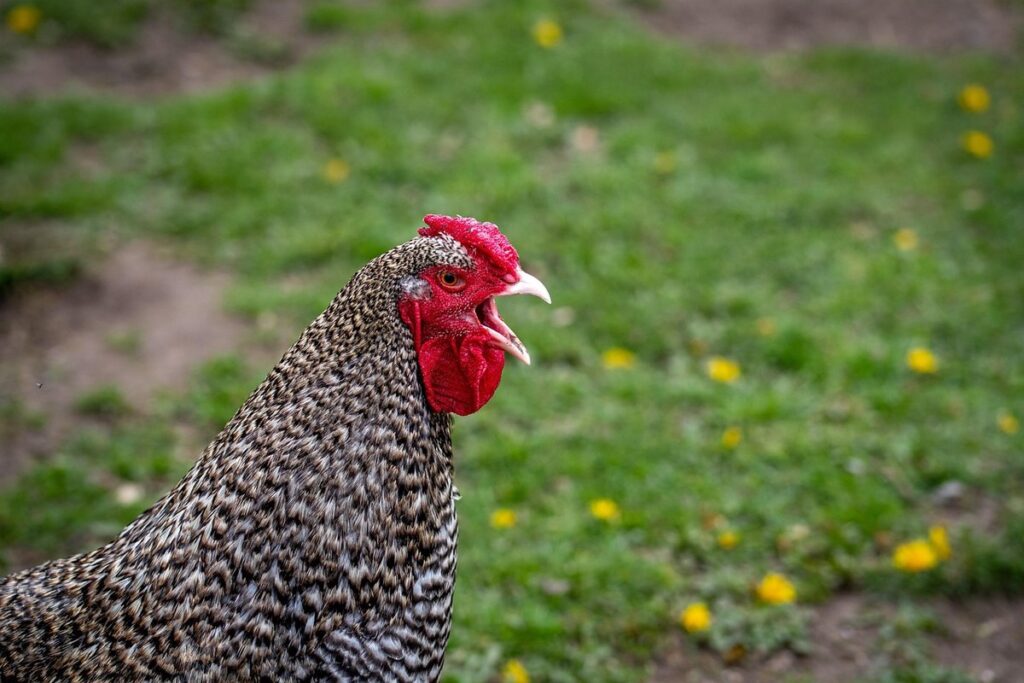
Introduction to Leghorns and Rhode Island Reds
Let’s start by getting familiar with two of the most popular chicken breeds: Leghorns and Rhode Island Reds. We’ll dive into their unique characteristics and traits next!
Origins and History of Both Breeds
The origins of these two popular breeds date back to different regions and time periods. The Leghorn breed originated in Italy during the 19th century as a prolific egg-layer, specifically bred for its exceptional egg-laying abilities. They were named after the city of Pisa’s province, Livorno (Leghorn), where they were developed.
Rhode Island Reds, on the other hand, emerged in the United States in the late 1800s, primarily bred to produce a hardy and reliable dual-purpose bird. Developed from stock brought over by Matthew Lyon, a Rhode Island farmer, these birds combined elements of other breeds such as the Malay and the Dorking.
A notable characteristic that sets Leghorns apart is their incredible egg-laying capacity – capable of producing up to 320 eggs per year. In contrast, Rhode Island Reds focus on providing both eggs (around 200 per year) and meat, making them a more versatile choice for farmers with larger needs. This fundamental difference in purpose highlights the unique strengths each breed offers.
Breed Characteristics and Temperaments
When it comes to breed characteristics and temperaments, both Leghorns and Rhode Island Reds have distinct traits that set them apart. Leghorns are known for their sleek and slender build, often weighing between 4-6 pounds. Their striking appearance is complemented by their bold and confident personalities. They’re naturally friendly and outgoing, making them an excellent choice for backyard flocks.
Rhode Island Reds, on the other hand, have a more robust and compact build, typically weighing between 7-9 pounds. Despite their larger size, they’re often described as gentle giants due to their calm and docile nature. While both breeds are known to be friendly, Rhode Island Reds tend to be more laid-back and easy-going.
In terms of strengths and weaknesses, Leghorns excel in their high egg production rates, with some hens laying up to 280 eggs per year. However, they can be prone to flightiness and may require additional fencing or enclosure measures to prevent escape attempts. Rhode Island Reds, while not as prolific layers, make up for it with their exceptional mothering abilities and gentle nature around their offspring.
Ultimately, the choice between a Leghorn and a Rhode Island Red depends on your personal preferences and needs. If you’re looking for a high-volume egg producer with a bold personality, a Leghorn might be the better fit. But if you prefer a more laid-back and easy-going breed that’s great with children or other pets, a Rhode Island Red could be the way to go.
Egg-Laying Performance: A Key Differentiator
When it comes to egg-laying performance, Leghorns and Rhode Island Reds have distinct strengths and weaknesses that set them apart from one another in a backyard flock. Let’s examine their unique characteristics up close.
Egg-Laying Capacity of Leghorns
When it comes to egg-laying capacity, Leghorns are renowned for their remarkable performance. On average, a healthy Leghorn can lay around 280-300 eggs per year, which translates to about 5-6 eggs per week. However, their peak laying period typically occurs between 18 and 24 months of age, during which they can produce up to 7-8 eggs per week.
Several factors influence the egg-laying capabilities of Leghorns. For instance, access to high-quality feed, adequate lighting, and sufficient space can significantly impact their performance. A well-balanced diet rich in protein, calcium, and other essential nutrients is crucial for maintaining optimal egg production.
Another critical aspect is management practices such as regular health checks, vaccinations, and parasite control. Regular monitoring of your flock’s overall health can help identify potential issues before they affect egg-laying capacity.
To optimize your Leghorns’ performance, make sure to provide them with a stress-free environment. Limiting stress factors like crowding, noise pollution, and sudden changes in their routine can help maintain their productivity. By paying attention to these key factors, you can unlock the full potential of your Leghorns and enjoy a bountiful harvest of eggs.
Egg-Laying Capacity of Rhode Island Reds
Rhode Island Reds are renowned for their impressive egg-laying capacity, which is one of the reasons they’re a popular choice among backyard chicken keepers. On average, a healthy Rhode Island Red can lay around 200-220 large brown eggs per year. This is significantly higher than some other breeds, making them an excellent option for families or individuals who rely on their hens for a steady supply of fresh eggs.
One key strength of Rhode Island Reds is their consistent laying pattern, with most females beginning to lay eggs at around 18-20 weeks of age and continuing to produce well into their second year. However, this breed can be prone to molting, which may reduce egg production temporarily while they grow new feathers. To mitigate this, make sure your Rhode Island Reds have access to a balanced diet rich in protein and calcium to support their overall health.
While Leghorns may lay more eggs per month, Rhode Island Reds’ steady production rate and larger egg size often outweigh the extra numbers for many enthusiasts.
Feed Efficiency and Nutritional Requirements
When it comes to raising Leghorns versus Rhode Island Reds, understanding their nutritional needs is crucial for optimal health. Let’s dive into the specific requirements of each breed.
Feed Conversion Ratios of Both Breeds
When it comes to feed efficiency and nutritional requirements, one key metric that poultry farmers consider is the Feed Conversion Ratio (FCR). FCR measures how efficiently a chicken breed can convert feed into meat or eggs. Both Leghorns and Rhode Island Reds have different FCRs, which can impact farm productivity and profitability.
On average, Leghorns have an FCR of around 1.8-2.0, while Rhode Island Reds typically range from 2.1 to 2.4. This means that for every kilogram of feed, a Leghorn will produce approximately 1.8-2.0 kilograms of egg or meat, whereas a Rhode Island Red will produce around 1.9-2.3 kilograms.
Factors such as genetics, nutrition, and management practices can influence FCR. For instance, if you provide your chickens with optimal feed quality, ensure proper ventilation, and maintain good health through vaccinations and disease prevention, you can optimize their FCR. In practice, this means adjusting feeding schedules, monitoring water intake, and maintaining a balanced diet to minimize waste and maximize output.
To get the most out of your flock, consider implementing strategies that promote efficient foraging, reducing stress levels, and encouraging physical activity. By understanding the unique nutritional needs of each breed, you can make informed decisions about feed selection, portion sizes, and overall farm management practices.
Nutritional Considerations for Optimal Performance
When it comes to optimizing performance, understanding the nutritional needs of each breed is crucial. Leghorns and Rhode Island Reds have distinct requirements when it comes to protein, calcium, and other essential nutrients.
Leghorns, being a lighter-bodied bird, require slightly less protein than Rhode Island Reds. A daily intake of 18-20% protein is recommended for Leghorns, while Rhode Island Reds require around 22-24% protein. This difference in protein requirements can impact their ability to produce eggs and maintain overall health.
Calcium is also a critical nutrient for both breeds, particularly during egg production. Rhode Island Reds tend to lay larger eggs, which means they need more calcium to support shell formation. A daily intake of 2-3% calcium is recommended for Rhode Island Reds, while Leghorns can get by with around 1.5-2% calcium.
When formulating feed for your flock, consider the breed-specific nutritional needs of each bird. Providing adequate protein and calcium will help optimize performance, whether it’s egg production or overall health. Aim to provide a balanced diet that meets or exceeds these requirements, taking into account factors like age, sex, and production level.
Climate Adaptability and Health Considerations
When choosing a chicken breed, it’s essential to consider their adaptability to various climates and potential health issues that may arise.
This section will delve into the differences in climate tolerance and health considerations between Leghorns and Rhode Island Reds.
Temperature Tolerance and Heat Stress
When it comes to withstanding hot weather, Leghorns and Rhode Island Reds have distinct approaches. Leghorns are bred for their high egg production and excel in warmer climates due to their efficient cooling system. They dissipate heat quickly through panting, which allows them to maintain a relatively stable body temperature even in extreme heat.
Rhode Island Reds, on the other hand, thrive in cooler conditions but can tolerate hot temperatures with proper care. However, they may experience heat stress if exposed to prolonged periods of high temperatures without adequate ventilation and hydration.
To mitigate heat stress in both breeds, provide ample shade, ensure access to cool water, and implement a slow introduction to increasing temperatures. Monitor your flock’s behavior for signs of distress, such as lethargy or panting. If you notice any unusual behavior, adjust their living conditions immediately. Regular health checks can also help identify potential heat-related issues early on.
Common Health Issues in Both Breeds
When it comes to the health of Leghorns and Rhode Island Reds, there are several common issues that you should be aware of. Both breeds can be prone to respiratory problems, such as bronchitis and pneumonia, especially if they’re exposed to extreme temperatures or dry air. To manage this, make sure your birds have access to a clean and well-ventilated coop.
Leghorns are also more susceptible to Marek’s disease, a viral illness that affects the nervous system. Vaccination is key here – work with your breeder or veterinarian to ensure your Leghorns receive proper vaccination from an early age.
In addition to respiratory issues, both breeds can be prone to reproductive problems, particularly in hens. Fertility and egg-laying issues are often linked to stress, poor nutrition, and inadequate lighting. Ensure that your birds have a balanced diet and adequate light exposure to help prevent these issues.
Both Leghorns and Rhode Island Reds require regular health checks to monitor for signs of illness or disease. Keep an eye out for changes in behavior, appetite, or egg production, and consult with your veterinarian if you notice any unusual symptoms.
Management Strategies for Success
To manage a thriving flock of Leghorns and Rhode Island Reds, you’ll want to learn key strategies on breeding, egg production, and broodiness management. Effective planning is crucial for success in your backyard chicken operation.
Housing and Environmental Considerations
When it comes to housing and environmental considerations for Leghorns and Rhode Island Reds, there are some key factors to keep in mind. Both breeds require adequate space allocation, but the type of enclosure can differ significantly.
For example, Leghorns thrive in free-range environments with plenty of room to roam, whereas Rhode Island Reds do well in smaller spaces like backyard coops or even indoor setups. A general rule of thumb is to allocate at least 3-4 square feet per bird for a coop and 8-10 square feet for a run.
Air quality is also crucial, as both breeds can be sensitive to fumes and ammonia from droppings. To mitigate this, ensure good ventilation by installing windows or vents that provide cross- airflow, and incorporate a dust-free bedding material like pine shavings or sand.
In terms of temperature regulation, Leghorns prefer cooler temperatures (around 60-70°F) while Rhode Island Reds can tolerate warmer climates. Be sure to monitor your birds’ behavior and adjust the environment accordingly.
Handling and Training Techniques
When it comes to handling and training Leghorns and Rhode Island Reds, understanding their individual temperaments is crucial. Leghorns, being known for their assertive nature, can be quite responsive to clear commands and rewards-based training. To reduce stress and promote ease of management, use high-value treats and frequent praise when interacting with Leghorns.
On the other hand, Rhode Island Reds are often more laid-back and may require a slightly more patient approach. They respond well to consistent routines and gentle handling, making them an excellent choice for beginners or families with children.
To implement stress-reducing techniques:
* Minimize loud noises and sudden movements when interacting with either breed.
* Provide a safe and comfortable environment, including adequate space and resources.
* Focus on positive reinforcement through rewards-based training, rather than punishment or negative reinforcement.
For example, using Leghorns for egg production can be made easier by incorporating interactive toys and puzzle feeders to challenge their problem-solving skills. Similarly, introducing Rhode Island Reds to new environments gradually, with plenty of enrichment activities, can help them become more confident and manageable.
Conclusion: Choosing Between Leghorns and Rhode Island Reds
Now that you’ve weighed the pros and cons of each breed, it’s time to make a decision based on your specific needs and goals for your flock.
Summary of Key Differences
When it comes to choosing between Leghorns and Rhode Island Reds, understanding the key differences is crucial. In terms of egg-laying performance, we’ve seen that Rhode Island Reds are slightly more prolific layers, producing around 200-220 eggs per year compared to Leghorns’ 180-200. However, Leghorns make up for this with their high egg quality and larger egg size.
In contrast, feed efficiency is where Leghorns truly shine, converting feed into eggs more efficiently than Rhode Island Reds. This is crucial for backyard farmers or small-scale producers looking to minimize costs. Climate adaptability is also a significant difference, with Leghorns tolerating heat better than Rhode Island Reds but struggling in colder temperatures.
Lastly, health considerations play a vital role when choosing between these breeds. Rhode Island Reds are generally more disease-resistant and have a longer lifespan (around 8-10 years) compared to Leghorns’ 5-7 years. By understanding these differences, you can make an informed decision that suits your specific needs and climate. This will ensure you get the most out of your flock while promoting overall health and productivity.
Recommendations for Breed Selection
When it comes to choosing between Leghorns and Rhode Island Reds as backyard chicken keepers, there are several factors to consider. If you’re a beginner looking for low-maintenance birds that are easy to handle, Leghorns might be the better choice. Their high egg production rates and friendly personalities make them an excellent option for those new to raising chickens.
On the other hand, if you’re looking for more robust birds with impressive egg-laying capabilities, Rhode Island Reds could be the way to go. These hardy birds are ideal for backyard flocks that need a bit more space to roam. They also have a higher tolerance for cold climates, making them suitable for areas with harsh winters.
Ultimately, consider your own needs and circumstances before deciding between these two popular breeds. If you’re looking for a high-yielding flock with minimal fuss, Leghorns might be the better option. However, if you’re willing to invest time and effort into caring for more robust birds, Rhode Island Reds can provide impressive rewards in terms of egg production and overall health.
Frequently Asked Questions
How can I determine which breed is best suited for my backyard flock’s climate?
Determine your region’s average temperature range and consider breeds that are tolerant of heat or cold, such as Rhode Island Reds for colder climates or Leghorns for warmer ones. Research local microclimates to ensure you’re prepared for any potential extreme weather conditions.
Can I raise both Leghorns and Rhode Island Reds together in the same flock?
While it’s possible to raise multiple breeds together, consider their temperaments and needs when deciding on a mixed flock. Leghorns can be more skittish, while Rhode Island Reds are generally friendly and social. Introduce birds gradually, and monitor for any signs of stress or aggression.
What’s the ideal ratio of Leghorns to Rhode Island Reds in a small backyard flock?
For a balanced flock, consider a mix of 2-3 Leghorns for every 1-2 Rhode Island Reds. This ratio allows you to benefit from both breeds’ strengths: Leghorns’ prolific egg-laying and Rhode Island Reds’ hardiness.
How do I handle potential health issues in my Leghorn or Rhode Island Red flock?
Regular vaccinations, proper nutrition, and regular health checks can help prevent common health issues like respiratory infections. Monitor your birds for signs of illness, such as labored breathing, lethargy, or changes in appetite. Consult a veterinarian experienced with poultry care if you notice any unusual behavior.
Can I use commercial feed alone, or do I need to supplement my flock’s diet?
While commercial feed is essential, consider adding supplements like oyster shells for calcium and probiotics to support digestive health. Research specific nutritional requirements for your breed(s) and adjust feed accordingly to ensure optimal performance and egg production.