
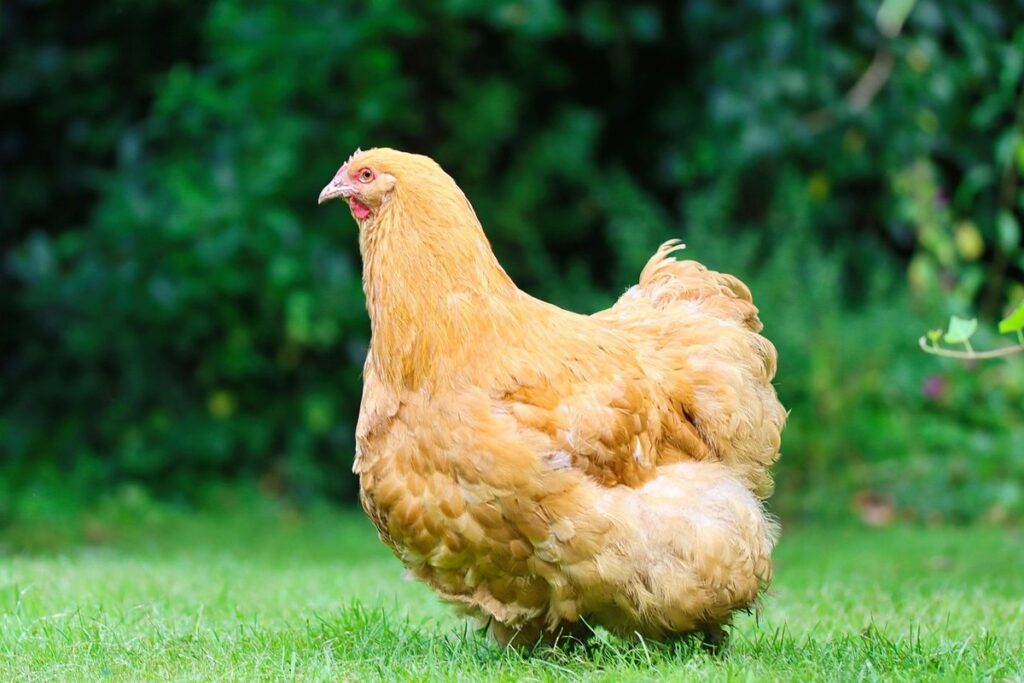
Are you an avid chicken enthusiast looking to add some unique charm to your backyard flock? Or perhaps you’re simply fascinated by the colorful world of poultry breeds? Either way, today we’re going to delve into the delightful realm of Lemon Cuckoo Orpington chickens. These stunning birds boast a one-of-a-kind appearance, with their soft, fluffy feathers in shades of golden yellow and blue-grey creating a mesmerizing effect.
If you’re new to chicken keeping or simply curious about this breed, this article will cover everything you need to know about the Lemon Cuckoo Orpington’s origins, temperament, breeding, and health considerations. We’ll explore what makes them such an attractive choice for both experienced and novice chicken owners alike, and discuss their suitability for various living situations. By the end of this comprehensive guide, you’ll be equipped with all the knowledge necessary to decide whether this charming breed is right for your farm or backyard coop.
Origins and History of the Breed
The origins of the Lemon Cuckoo Orpington chicken are shrouded in mystery, but one thing is certain: this breed has a rich and storied history that spans centuries. Let’s take a closer look at where it all began.
Early Development and Purpose
The French breeders who created the Lemon Cuckoo Orpington in the late 19th century had a specific goal in mind: to develop a chicken that would thrive in a variety of environments. They wanted a bird that could adapt to different climates, be prolific layers, and possess a robust constitution.
To achieve this, French breeders crossed the Cuckoo Marans with the Black Orpington. The result was the Lemon Cuckoo Orpington, characterized by its mottled lemon and black feathers and high egg-laying abilities. This new breed quickly gained popularity among backyard chicken keepers due to its gentle nature, hardiness, and impressive egg production.
In creating the Lemon Cuckoo Orpington, French breeders addressed a pressing need for a versatile and resilient chicken that could be raised in various conditions. Today’s backyard chicken enthusiasts can benefit from their ingenuity by learning about this breed’s characteristics and needs. By understanding its origins and purpose, you’ll be better equipped to provide the best possible care for your Lemon Cuckoo Orpington flock.
Adaptation and Spread
The Lemon Cuckoo Orpington breed was first introduced to the UK from Australia in the late 1990s. Breeders were immediately drawn to its unique characteristics and striking appearance. As with many new breeds, its introduction led to a process of adaptation and spread across different regions.
In the early 2000s, Australian breeders began exporting the Lemon Cuckoo Orpington to other countries, including the United States and Europe. This global expansion not only increased awareness but also allowed the breed to adapt to diverse climates and living conditions.
Interestingly, local breeders soon discovered that the Lemon Cuckoo Orpington’s egg-laying habits could be influenced by its new environment. For instance, in warmer climates, they tend to lay more eggs than in cooler regions. Breeders began experimenting with selective breeding to optimize egg production according to regional needs.
This adaptation process also led to variations in plumage and feather characteristics. In areas where predators were present, breeders opted for thicker feathers or other protective features. This flexibility demonstrates the breed’s ability to thrive in different environments while maintaining its unique genetic makeup.
Physical Characteristics and Markings
Let’s take a closer look at what makes a Lemon Cuckoo Orpington chicken truly unique, from their striking feather patterns to their physical build. You’ll learn about all the distinctive features that set them apart.
Plumage and Color Variety
One of the standout features of the Lemon Cuckoo Orpington chicken is its stunning plumage. As their name suggests, these birds have a unique yellow coloration that sets them apart from other breeds. But what exactly does this mean for potential owners? In terms of intensity, lemon cuckoo orpingtons can exhibit varying shades of yellow, ranging from a light creamy hue to a deeper golden tone.
In addition to the overall color intensity, the pattern and texture of their feathers are also noteworthy. Lemon cuckoo orpingtons typically feature soft, silky plumage with intricate feather patterns that add depth and visual interest. One characteristic you might notice is the presence of subtle “speckles” or “dots” on the breast and thighs – these are normal and add to the bird’s natural beauty.
If you’re considering bringing a lemon cuckoo orpington into your flock, it’s essential to keep in mind that their plumage requires regular maintenance. This includes gentle brushing and the occasional dust bath to keep their feathers in top condition. With proper care, your lemon cuckoo orpington will continue to display its stunning coloration throughout its life.
Size and Build
One of the most distinctive features of the Lemon Cuckoo Orpington is its size and build. On average, an adult Lemon Cuckoo Orpington chicken weighs around 8-10 pounds (3.6-4.5 kg) and stands about 24-26 inches (61-66 cm) tall at the shoulder. This makes them a sturdy and compact breed, well-suited for backyard flocks.
In terms of body shape, Lemon Cuckoo Orpingtons have a broad, muscular build with a deep chest and well-sprung ribs. Their legs are strong and feathered, while their feet are clean and free from feathers. One of the most noticeable characteristics is their plumage – they have a mix of lemon and cuckoo patterns on their feathers, creating a unique and attractive appearance.
If you’re planning to raise Lemon Cuckoo Orpingtons, it’s essential to provide them with enough space to move around comfortably. A minimum of 2-3 square feet (0.18-0.28 sq meters) per bird is recommended, taking into account the breed’s adult size and activity level.
Temperament and Behavior
When it comes to living with a lemon cuckoo Orpington, understanding their temperament is crucial for building a harmonious relationship. Let’s dive into what you can expect from this friendly breed in terms of behavior and personality.
Friendly Nature and Interaction with Humans
When it comes to temperament and behavior, one of the standout characteristics of the Lemon Cuckoo Orpington is its incredibly friendly nature. These birds are known for being docile and social, making them a great addition to families with children or as pets for those who want a low-maintenance companion.
One of the most notable traits of the Lemon Cuckoo Orpington is its ability to interact well with humans. They are often described as “lap chickens,” meaning they love to snuggle up on your lap and receive attention from their owners. This makes them an excellent choice for families who want a bird that can be handled and interacted with regularly.
In fact, Lemon Cuckoo Orpingtons have been known to form strong bonds with their owners, often following them around the yard or even seeking out interaction in their own time. With proper introduction and handling, these birds can become incredibly affectionate and trusting of humans, making them a joy to care for.
It’s not uncommon for Lemon Cuckoo Orpingtons to be seen roaming freely in yards with their owners, exploring and investigating their surroundings together. This level of interaction is a testament to the breed’s friendly nature and adaptability to human companionship.
Social Structure Within Flocks
When introducing new chickens to your flock, it’s essential to consider their social structure. Lemon Cuckoo Orpingtons are known for being friendly and docile, but establishing a pecking order is crucial to maintaining harmony within the group.
In a flock setting, a clear hierarchy emerges as birds establish dominance. This can be influenced by factors such as age, size, and temperament. Within your Lemon Cuckoo Orpington flock, you may notice that older or larger birds take on leadership roles, while younger or smaller ones defer to them.
To minimize stress and conflicts, it’s crucial to introduce new birds gradually, allowing them to integrate into the existing social structure. Start by separating the new bird from the rest of the flock for a few days to allow them to get accustomed to their surroundings before introducing them to the group. Monitor your birds’ behavior closely, especially during this transition period, and be prepared to intervene if you notice any signs of aggression or stress.
A balanced flock with adequate space and resources can help reduce competition and aggression among birds. Providing a large enough enclosure with plenty of perches, nesting boxes, and feeding areas can go a long way in maintaining peace within your Lemon Cuckoo Orpington flock.
Breeding and Raising Techniques
If you’re interested in raising Lemon Cuckoo Orpingtons, understanding their breeding and raising techniques is crucial for success. This section will explore the key considerations for achieving healthy, thriving flocks.
Choosing Healthy Parents
When choosing parents for your breeding program, it’s essential to select individuals that exhibit desirable traits. For Lemon Cuckoo Orpingtons, you’ll want to focus on fertility, egg production, and genetic diversity.
Start by assessing the fertility of potential parents. Look for birds that have successfully hatched chicks in previous breeding seasons and have a good reproductive health record. Consider selecting a male with a high fertility rate and a female with a proven track record of raising healthy, robust offspring.
Next, evaluate the egg-laying capacity of your parents. Lemon Cuckoo Orpingtons are known for their excellent egg production, so choose birds that consistently lay large, brown eggs. A good rule of thumb is to select parents that have produced at least 280-300 eggs per year in previous breeding seasons.
In terms of genetic diversity, it’s crucial to introduce new bloodlines into your flock to prevent inbreeding and maintain the overall health of your population. Aim to incorporate birds with different coat patterns, feather lengths, or egg-laying capacities to create a diverse gene pool.
Nurturing Hatchlings and Growing Chicks
Raising orphaned or underweight chicks to full health is crucial for their survival and growth. When it comes to Lemon Cuckoo Orpingtons, providing optimal care during the critical stages of development is essential.
For instance, a brooder with a temperature range between 90-100°F (32-38°C) and humidity levels around 50% is ideal for young chicks. This environment will help them regulate their body temperature and prevent heat stress. It’s also crucial to provide adequate ventilation to ensure fresh air circulation.
In terms of feeding, Lemon Cuckoo Orpingtons require a starter feed rich in nutrients during the first four weeks. Ensure you provide access to clean water at all times and gradually introduce a layer feed around six weeks old. Monitor their weight closely, and adjust their diet accordingly to prevent underweight issues.
Some key indicators of health include shiny feathers, active behavior, and proper digestion. Keep an eye out for signs of disease or illness, such as lethargy, labored breathing, or changes in droppings. If you notice any unusual behavior, consult a veterinarian specializing in poultry care immediately.
Health Considerations and Potential Issues
When considering bringing a lemon cuckoo Orpington into your flock, it’s essential to be aware of some potential health concerns that may arise due to their unique characteristics. Let’s explore these in more detail.
Common Diseases and Their Symptoms
As with any chicken breed, Lemon Cuckoo Orpingtons are not immune to certain diseases. It’s essential for owners to be aware of the common health issues that can affect this breed and know how to identify their signs and symptoms early on.
Some diseases that have been known to affect Lemon Cuckoo Orpingtons include Newcastle disease, Marek’s disease, and Avian Influenza. These diseases can manifest in different ways, but some common symptoms include:
* Lethargy and loss of appetite
* Changes in droppings or difficulty passing them
* Swelling around the eyes or face
* Discharge from the nostrils or eyes
Early intervention is crucial for managing these diseases effectively. Owners should keep a close eye on their birds’ behavior and health, consulting with a veterinarian at the first sign of illness. Regular check-ups can also help identify any potential issues before they become serious.
In addition to these specific diseases, owners should also be aware of common problems such as mites, lice, and feather pecking that can affect the breed’s overall well-being.
Dietary Needs and Recommendations
When it comes to feeding your Lemon Cuckoo Orpington chicken, providing an optimal diet is crucial for their overall health and egg production. These birds are known to be prolific layers, producing around 200-220 large brown eggs per year. To support this level of productivity, they require a balanced diet that meets their nutritional needs.
As a general rule, it’s essential to provide your Lemon Cuckoo Orpingtons with high-quality layer feed as the main staple of their diet. However, you can also supplement their diet with fresh fruits and vegetables to add variety and ensure they’re getting all the necessary vitamins and minerals. For example, leafy greens like kale and spinach are rich in calcium, which is essential for strong eggshell production.
In addition to a balanced diet, consider adding a calcium supplement to your flock’s feed, especially during peak laying seasons. This will help prevent issues like egg binding and promote healthy eggshell development. Some chicken keepers also swear by adding probiotics or omega-3 fatty acids to their flock’s feed, which can support immune system health and overall well-being.
Remember, every flock is different, so be sure to monitor your birds’ individual needs and adjust their diet accordingly.
Tips for Raising Happy and Healthy Lemon Cuckoo Orpingtons
Raising happy and healthy Lemon Cuckoo Orpingtons requires attention to their specific needs, which we’ll explore in the next section. With these tips, you can help your flock thrive.
Providing Space and Comfort
When it comes to raising happy and healthy Lemon Cuckoo Orpingtons, providing them with a suitable environment is crucial. These birds require plenty of space to roam around, stretch their wings, and exercise, so make sure you have a spacious coop or enclosure that can accommodate your flock.
A good rule of thumb is to provide at least 4-5 square feet of space per bird inside the coop, with additional outdoor areas for them to forage and play. You should also consider the height of the coop – Lemon Cuckoo Orpingtons are known for their impressive size, so ensure the coop has enough vertical space for them to move comfortably.
Make sure to line the coop with comfortable bedding materials like straw or wood shavings, which will keep your birds dry and warm. You can also add some enrichment activities like scratching posts, perches, and climbing structures to keep them engaged and stimulated. For example, you could hang a few pieces of rope for them to peck at or create a “treasure hunt” by hiding treats around the enclosure.
Remember, happy chickens are healthier chickens, so prioritize their comfort and well-being when designing their living space. With a little creativity and planning, your Lemon Cuckoo Orpingtons will thrive in their new home!
Encouraging Egg Laying and Reducing Stress
Promoting healthy egg production and reducing stress are essential aspects of raising happy and healthy Lemon Cuckoo Orpingtons. A balanced diet, adequate lighting, and proper ventilation can significantly impact the flock’s overall well-being.
For optimal egg laying, ensure that your girls have access to a calcium-rich feed supplement. Calcium is crucial for strong eggshell production. You can also provide oyster shells as an alternative source of calcium. Aim to provide around 16-18% protein content in their diet, which will help maintain healthy muscle and egg production.
Regular exercise and social interaction are vital for reducing stress levels. Ensure your Lemon Cuckoo Orpingtons have a spacious run area where they can roam freely and engage with each other. You can also try introducing some environmental enrichments like hanging toys or hiding treats to stimulate their natural foraging behavior.
Be aware of potential signs of distress such as excessive feather pecking, lethargy, or irregular egg laying patterns. If you notice any unusual behaviors, consult a veterinarian to identify the root cause and provide necessary support.
Frequently Asked Questions
Can I mix Lemon Cuckoo Orpingtons with other breeds to create a hybrid?
Yes, you can crossbreed the Lemon Cuckoo Orpington with other Orpington varieties or even other breeds like Leghorns or Barred Rocks. However, keep in mind that this may affect their desirable traits, such as egg-laying capacity and size stability. It’s essential to research and choose suitable breeding partners to maintain the quality of your flock.
How do I provide a comfortable living space for my Lemon Cuckoo Orpingtons during extreme weather conditions?
Providing adequate shelter and shade is crucial to protect your chickens from heat stress or cold drafts. Ensure their coop has proper ventilation, insulation, and protection from wind, rain, and sun exposure. Consider adding perches, nesting boxes, and a dust bath area for them to relax and engage in natural behaviors.
Can I raise Lemon Cuckoo Orpingtons without prior experience in chicken keeping?
While it’s possible to raise these birds with minimal experience, having some knowledge of chicken behavior, health, and husbandry practices is crucial. Start by learning about the specific needs of your flock, including their dietary requirements, vaccination schedules, and common health issues. Begin with a small group and gradually expand as you gain confidence.
How do I ensure my Lemon Cuckoo Orpingtons receive proper nutrition during different stages of growth?
A balanced diet is vital for your chickens’ overall well-being. Provide a high-quality commercial feed as their primary source, supplemented by fresh fruits, vegetables, and grains. Ensure they have access to clean water at all times, and avoid overfeeding to prevent obesity.
Can I expect my Lemon Cuckoo Orpingtons to be good egg layers?
Lemon Cuckoo Orpingtons are known for being moderate egg producers, laying around 200-220 eggs per year. However, their egg-laying capacity may decrease with age or due to factors like diet, health issues, and environmental stressors. Provide a nutrient-rich diet, ensure adequate space and comfort, and monitor their health to encourage consistent egg production.