
Are you an avid chicken keeper looking to take your hatch rates to the next level? Lock down hatching is a game-changer for backyard farmers, allowing you to carefully monitor and control every aspect of the incubation process. By doing so, you can significantly improve the chances of successfully hatching eggs. But what exactly is lock down hatching, and how do you get started? In this ultimate guide, we’ll cover everything from the benefits of lock down hatching to choosing the right equipment and maintaining optimal conditions for a higher hatch rate. We’ll dive into the specifics of setting up your incubator, monitoring temperature and humidity levels, and creating a stress-free environment that supports healthy embryonic development. Whether you’re a seasoned pro or just starting out, this guide will walk you through every step of the lock down hatching process.
Understanding Lock Down Hatching
Now that you have a solid grasp of what lock down hatching is, let’s dive into understanding its specific techniques and requirements. This section will break it all down for you.
What is Lock Down Hatching?
Lock down hatching is a modern twist on traditional incubation methods that has gained popularity among backyard chicken keepers and breeders. At its core, lock down hatching involves securing the fertile egg in a specialized device called an incubator or an egg locker, where it can be carefully monitored and maintained until it’s ready to hatch.
Unlike traditional incubation methods, which often involve rotating eggs multiple times a day, lock down hatching minimizes the risk of embryo damage caused by jarring and shaking. This is especially important for fragile breeds or eggs with pre-existing health issues. By keeping the egg stationary and in a controlled environment, lock down hatching also allows for more precise temperature regulation and humidity control – two critical factors that can make all the difference in successful hatching.
In practice, lock down hatching typically involves setting up an incubator or egg locker with precise temperature and humidity settings, then carefully placing the fertile egg inside. The device will do the rest, providing a safe and stable environment for the embryo to develop until it’s ready to hatch. This method is ideal for those who want to ensure optimal hatching rates without sacrificing the health of their eggs.
Benefits of Lock Down Hatching
Lock down hatching has been gaining popularity among backyard chicken keepers and commercial breeders due to its numerous benefits. One of the most significant advantages is the increased hatch rate. By keeping eggs at a consistent temperature between 37-38°C (98.6-100.4°F) for the first 24 hours, you can significantly boost the chances of successful hatching.
This method also reduces stress on eggs, which is often a major factor contributing to failed hatchings. When eggs are exposed to extreme temperatures or movements during incubation, it can cause damage to the embryo and ultimately lead to death. Lock down hatching minimizes this risk by maintaining a stable environment for the developing chick.
In addition, lock down hatching has been shown to improve overall health for chicks. By providing a consistent temperature and humidity level, you can promote healthy growth and development in the embryo. This results in stronger, more robust chicks that are better equipped to withstand environmental stressors. With lock down hatching, you can enjoy higher hatch rates, healthier chicks, and greater peace of mind knowing your eggs are being incubated under optimal conditions.
Choosing the Right Lock Down Hatchers
When it comes to choosing the right lock down hatcher, you’ll want to consider factors such as hatch rate, ease of use, and budget, all of which will be discussed in this section.
Types of Lock Down Hatchers
When it comes to choosing the right lock down hatcher for your eggs, you’ll find that there are several options available. These can be broadly categorized into three main types: manual, automated, and hybrid.
Manual lock down hatchers require you to monitor and turn the eggs manually. They’re a cost-effective option, but they do demand more of your time and attention. Automated lock down hatchers, on the other hand, use mechanical or digital systems to rotate the eggs for you. These are ideal for those who want hands-off incubation, but may require more investment upfront.
Hybrid lock down hatchers combine manual and automated features, offering a balance between cost-effectiveness and convenience. Some popular brands, such as Brinsea and HovaBator, offer hybrid models that allow you to adjust settings and receive notifications when the eggs need attention.
When selecting a lock down hatcher, consider your specific needs and preferences. If you’re short on time or have multiple batches of eggs to hatch, an automated model might be the best choice.
Factors to Consider When Selecting a Lock Down Hatcher
When selecting a lock down hatcher, it’s essential to consider several factors to ensure you’re getting the right equipment for successful incubation. First and foremost, think about egg capacity. How many eggs do you plan to hatch at one time? A larger capacity may be beneficial if you’re planning to hatch multiple clutches simultaneously, but it also means more energy consumption and increased cost.
Temperature control is another critical aspect to consider. Look for a lock down hatcher with precise temperature control, ideally between 99°F and 100.5°F (37.2°C to 38°C). A digital thermostat or temperature probe can provide accurate readings and alert you if there are any deviations. Ease of use is also vital, as you’ll be relying on the equipment for several weeks during incubation.
Consider a lock down hatcher with automatic egg turning, which can help prevent embryo malpositioning and increase hatch rates. Some models may also feature humidity control or alarm systems to ensure optimal conditions for your eggs.
Setting Up Your Lock Down Hatchers
Now that you’ve selected your lock down hatchers, it’s time to set them up for a successful hatching process, starting with a safe and secure environment. In this section, we’ll walk through the essential setup steps.
Preparing the Lock Down Hatcher for Eggs
Now that you have set up and assembled your lock down hatcher, it’s time to prepare it for eggs. This step is crucial to ensure a successful hatch and healthy chicks.
First, inspect the hatcher for any debris or dust that may have accumulated during shipping or storage. Use a soft brush or cloth to gently remove any loose particles from the vents, grates, and other components. Next, wash the entire unit with mild soap and warm water to prevent bacterial growth. Rinse thoroughly and let it air dry.
Before adding eggs, make sure the temperature is set correctly. Lock down hatchers typically require a temperature range of 99-100°F for incubation. You can use a thermometer to ensure accuracy.
Another essential step is to maintain proper humidity levels within the hatcher. Aim for 50-60% relative humidity during incubation. You can adjust the humidity level using the built-in misting system or by adding a humidifier nearby.
Once your lock down hatcher is clean, temperature-checked, and properly humidified, you’re ready to add eggs.
Placing Eggs in the Lock Down Hatcher
When placing eggs in the lock down hatcher, it’s essential to ensure they are securely positioned and aligned correctly. This not only helps prevent accidental tipping but also promotes even temperature distribution throughout the incubator.
Begin by gently setting each egg into the designated compartment, taking care not to touch the delicate surfaces or apply excessive pressure that could damage the eggs. Next, align the egg so that the large end (the end with the thicker portion of the shell) is facing up towards the top of the lock down hatcher.
* The large end should always be facing upwards to prevent condensation from accumulating and causing moisture-related issues.
* It’s also crucial to ensure the egg is centered within its compartment, with about 1 inch (2.5 cm) of space between it and any adjacent eggs. This allows for adequate air circulation and prevents the buildup of bacteria.
By following these simple steps, you can confidently place your eggs in the lock down hatcher, setting them up for success on their journey to hatch.
Maintaining Optimal Conditions
Now that you’ve cracked open those eggs, it’s essential to maintain optimal conditions for successful hatching. This includes temperature, humidity, and a clean environment.
Temperature Control
Maintaining an optimal temperature environment is crucial during lock down hatching. A slight variation in temperature can significantly impact the incubation process, leading to reduced hatch rates and increased mortality rates among chicks.
To set up a stable temperature environment, you’ll need a good thermometer that can accurately measure temperature fluctuations within your incubator or brooder. It’s essential to understand that different breeds have specific temperature requirements, so research the ideal temperature range for your specific breed before starting the lock down hatching process.
A general rule of thumb is to maintain an ambient temperature between 99°F and 100°F (37°C to 38°C) during the first 18 days of incubation. You’ll also need to ensure that the temperature remains consistent, with minimal fluctuations of less than 1 degree Fahrenheit. To achieve this, you can use a temperature controller or thermostat, which allows for precise control over your incubator’s temperature.
For example, if you’re using an electric heating mat, place it under one end of the incubator to maintain even heat distribution. Monitor the temperature closely, making adjustments as needed to prevent overheating or underheating.
Humidity Levels
Maintaining optimal humidity levels is crucial for lock down hatching eggs. The ideal relative humidity (RH) range for incubation varies depending on temperature, but a general guideline is to keep it between 45% and 55%. It’s essential to monitor and adjust the humidity levels as needed to prevent dehydration or over-hydration of the developing embryo.
You can use a hygrometer specifically designed for egg incubation to track RH levels. Place the device near the eggs, but not directly touching them, to get accurate readings. To maintain optimal humidity, you can mist the eggs lightly with distilled water daily using a spray bottle. However, be cautious not to over-mist, as this can lead to mold growth.
It’s also crucial to keep an eye on temperature fluctuations, which can affect RH levels. For example, if your incubator is set at 100°F (38°C), you may need to adjust the humidity level accordingly. A good rule of thumb is to aim for a slight decrease in RH as temperature increases. By monitoring and adjusting humidity levels regularly, you’ll ensure a healthy environment for your lock down hatching eggs.
Monitoring Progress and Troubleshooting
As you navigate the lock down hatching process, it’s essential to regularly check on your eggs for signs of growth and potential issues that may arise. This section covers troubleshooting common problems and monitoring progress.
Signs of Successful Hatching
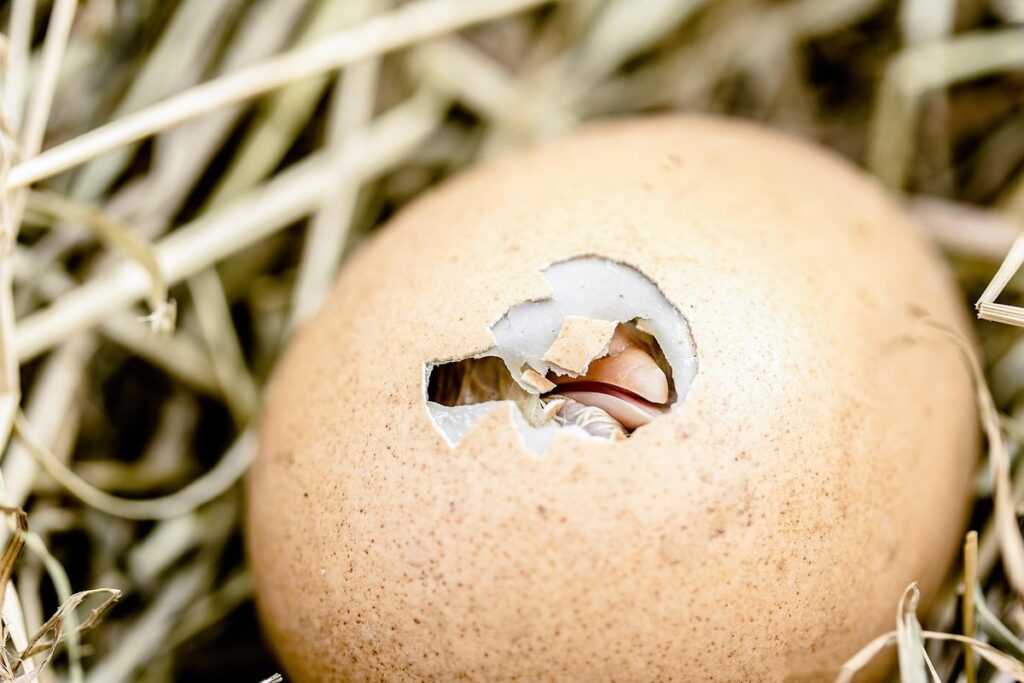
As you approach lock down hatching day, it’s essential to recognize the signs of successful hatching to ensure a healthy and thriving chick. One of the most exciting moments is observing pip marks on the eggshell, which indicate that the embryo has started to break through its shell. You might notice small pinprick holes or crescent-shaped cracks – these are usually located near the large end of the egg.
As hatching progresses, you’ll start to see beak pipping, where the chick’s beak emerges from the shell. This is a significant milestone, and it often occurs around 24 hours before fully piping out. Keep a close eye on the egg as this can happen quickly.
Another clear sign of successful hatching is visible movement inside the eggshell. You may notice gentle rocking or nudging motions as the chick prepares to emerge. At this stage, it’s crucial not to handle the eggs excessively, as you want to avoid disturbing the delicate process.
Keep in mind that these signs don’t necessarily mean the hatch will be trouble-free – but they do indicate progress and give you hope for a successful outcome. Continue monitoring your eggs closely, and with patience and attention, you’ll be rewarded with the joy of watching new life emerge from its shell.
Common Issues with Lock Down Hatching
As you embark on the exciting journey of lock down hatching eggs, it’s essential to be aware of potential issues that may arise. Despite careful planning and execution, problems can still occur. If an egg doesn’t hatch or a chick emerges with deformities, it’s not uncommon.
One common issue is prolonged incubation time due to incorrect temperature settings or faulty equipment. This can lead to weakened chicks or even failed hatches. To troubleshoot, ensure your incubator is calibrated correctly and maintain a consistent temperature range between 99°F and 100°F. Monitor your eggs closely for any signs of distress.
Chick deformities, such as twisted legs or misshapen beaks, can also occur. This might be due to genetic factors or an adverse environment within the egg. If you notice abnormal chicks emerging, it’s crucial not to panic. Provide them with a safe and nurturing environment, and ensure they receive proper care and attention.
Keep in mind that even with meticulous planning, things don’t always go as expected. By being prepared for potential issues and knowing how to address them, you can minimize stress and focus on enjoying the successful aspects of lock down hatching.
Frequently Asked Questions
How do I choose the right eggs for lock down hatching?
Choosing the right eggs is crucial for successful lock down hatching. Look for eggs that are clean, dry, and free of cracks or other damage. Consider factors like egg size, breed, and fertility rate when selecting eggs for incubation. It’s also essential to ensure that the eggs you choose are specifically designed for lock down hatching.
Can I use a traditional incubator instead of an egg locker?
Yes, you can use a traditional incubator for lock down hatching, but keep in mind that they may not offer the same level of precision and control as an egg locker. If you’re using a traditional incubator, make sure to carefully monitor temperature and humidity levels to achieve optimal conditions.
What if I notice unusual noises or movements during incubation?
If you notice unusual noises or movements during incubation, it’s essential to investigate the cause promptly. This could be due to issues with temperature control, humidity, or even pests in the incubator. Consult your incubator manual and troubleshoot the issue to prevent potential harm to the developing embryos.
How often should I check on the eggs during lock down hatching?
It’s recommended to check on the eggs regularly, ideally once or twice a day, to ensure that temperature and humidity levels are within optimal ranges. This will help you catch any issues early on and make adjustments as needed to support healthy embryonic development.
Can I use a thermometer specifically designed for incubation in an egg locker?
Yes, using a high-accuracy thermometer specifically designed for incubation is crucial in maintaining precise temperature control. Look for thermometers that can withstand the humid conditions of an egg locker and provide accurate readings within 0.1°C or 0.2°F for optimal results.