
Are you tired of the same old pasta sauces? Look no further than nettle pesto, a game-changing alternative that’s not only delicious but also packed with nutrients. This superfood sauce is made from the humble stinging nettle plant, which is rich in vitamins and minerals. But don’t worry if you’re new to cooking with nettles – we’ve got you covered. In this article, we’ll show you how to make nettle pesto from scratch, including tips on growing your own nettles and using them in creative ways. You’ll also learn about the benefits of incorporating nettle pesto into your diet, from boosting energy levels to supporting healthy digestion. By the end of this post, you’ll be equipped with everything you need to make nettle pesto a staple in your kitchen.
Introduction to Nettle Pesto
Let’s dive into the basics of nettle pesto, including how to make it, its health benefits, and why you’ll love using it as a pasta sauce alternative.
What is Nettle Pesto?
Nettle pesto is a vibrant and nutritious twist on traditional pasta sauces that’s quickly gaining popularity among foodies and health enthusiasts. This delicious condiment originates from the Mediterranean region, where wild nettle leaves have been used for centuries to add flavor and texture to various dishes.
At its core, nettle pesto is similar to basil pesto in composition – it typically consists of blended nettle leaves, garlic, pine nuts, Parmesan cheese, and olive oil. However, the difference lies in the distinct earthy and slightly sweet flavor profile that nettle leaves impart to the sauce. This makes it an excellent alternative for those looking to break free from traditional basil pesto’s familiar taste.
Nettle pesto’s rising popularity can be attributed to its numerous health benefits. Nettle leaves are rich in vitamins A, C, and K, as well as minerals like calcium and iron. They also possess anti-inflammatory properties that make them an excellent addition to a balanced diet. To try nettle pesto at home, simply substitute the basil leaves in your favorite pesto recipe with fresh or frozen nettle leaves and enjoy a nutritious twist on this Italian classic!
Benefits of Using Nettles in Cooking
Using nettles in cooking not only adds a burst of flavor to your dishes but also provides a wealth of nutritional benefits. One of the key advantages of incorporating nettles into your meals is their high content of vitamins A and C. These essential vitamins play a crucial role in maintaining healthy skin, boosting the immune system, and even supporting eye health.
Nettles are also an excellent source of iron, making them an ideal addition to dishes for those with iron-deficiency or looking to boost their overall iron intake. In fact, just one cup of cooked nettles can provide up to 1 milligram of iron – a significant contribution to the daily recommended intake. Furthermore, nettles are packed with antioxidants that help protect against cell damage and inflammation.
When using nettles in cooking, it’s essential to note that they should be cooked before consumption as raw nettles can cause skin irritation and digestive discomfort. Simply blanch them in boiling water for a few minutes, then chop and add to your favorite recipes, such as pasta dishes or salads. By harnessing the nutritional power of nettles, you can create delicious and nutritious meals that support overall well-being.
Growing and Harvesting Nettles for Pesto
To grow your own nettle pesto, you’ll need to harvest young leaves from a mature plant, which typically requires patience and some knowledge of when and how to pick them at their best. Timing is everything!
Choosing the Right Variety of Nettle
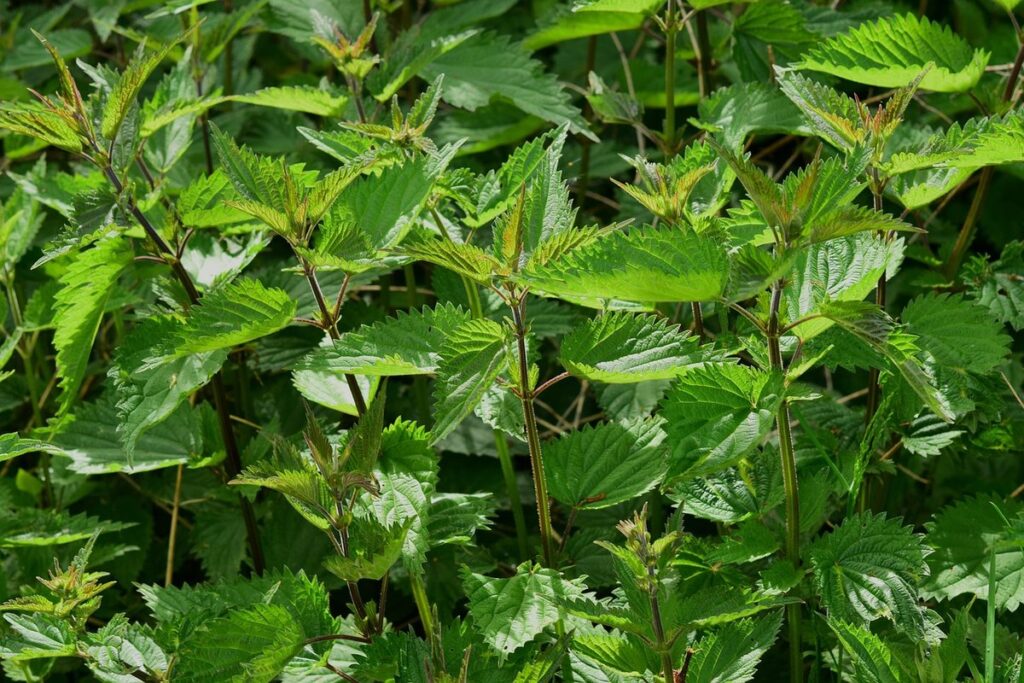
When it comes to growing nettles for pesto, choosing the right variety is crucial. While there are several species of nettle, only a few are suitable for culinary use. One popular option is Urtica dioica, also known as giant nettle or common nettle. This variety is widely available and has been used for centuries in cooking.
Another consideration is the size of the leaves. Look for varieties with larger leaves, as they will be easier to harvest and blend into pesto. Giant nettle, as its name suggests, produces some of the largest leaves, making it an ideal choice. If you’re new to growing nettles, start with Urtica dioica and see how it performs in your climate.
Some other factors to consider when selecting a variety include hardiness, growth rate, and pest resistance. Be sure to research the specific needs of your chosen variety to ensure you can provide optimal conditions for growth. By choosing the right type of nettle, you’ll be well on your way to creating delicious and nutritious nettle pesto at home.
Tips for Growing Nettles in Your Garden
Growing nettles from seed can be a rewarding experience, especially when you consider the numerous benefits they bring to your garden and pesto sauce. To start, choose a spot with partial shade to full sun, depending on your climate. Nettles prefer well-drained soil rich in organic matter, making them perfect for compost-enriched beds or containers.
For optimal growth, plant nettles in regions with mild winters and warm summers, typically USDA zones 3-9. Sow seeds directly into the ground in early spring or late summer/early fall, about 1/4 inch deep and 6-8 inches apart. Keep the soil consistently moist during the first few weeks after planting.
As nettles grow (typically 2-3 feet tall), they’ll require occasional pruning to maintain a bushy shape and promote new growth. This regular maintenance will encourage leaf production, making it easier to harvest for your pesto sauce later on. Regular harvesting also helps prevent nettle plants from flowering, which can reduce their potency and flavor.
When selecting seed varieties, look for those bred specifically for leaf quality or culinary use, such as ‘Red Emperor’ or ‘King of the Blues.’ These will yield larger, more tender leaves with a milder flavor ideal for pesto making.
Preparing Nettles for Pesto
To make the most of your nettle pesto, you’ll need to prepare the nettles properly, and here’s a step-by-step guide on how to do it. Simply follow these easy steps for perfectly prepped nettles.
How to Harvest and Dry Nettles
Harvesting nettles at the right stage of growth is crucial to preserve their flavor and nutritional value. The ideal time to harvest is when the leaves are young and tender, usually between late spring and early summer. Avoid picking them when they’re in bloom or producing seeds, as this can make them bitter.
To harvest, carefully snip off the top sets of leaves with scissors or pinch them off by hand, leaving a small portion of stem intact to encourage regrowth. Harvesting individual leaves can be time-consuming, but it’s worth it for the best flavor and texture.
Drying is an excellent way to preserve nettles for later use in pesto-making. There are several methods: air-drying, tying them in small bunches and hanging upside down; dehydrating using a food dehydrator or your oven on the lowest temperature setting; or freeze-drying, which helps retain nutrients. Regardless of the method, make sure nettles are completely dry before storing them in an airtight container to preserve their potency.
Cooking with Fresh vs. Dried Nettles
When it comes to making nettle pesto, you have two main options: using fresh nettles versus dried ones. While both can produce delicious results, there are some key differences between the two.
Fresh nettles offer a more vibrant flavor and aroma, which is especially desirable if you’re looking for that bright, springtime taste in your pesto. However, they require more effort to prepare, as you’ll need to carefully pick or harvest them, then chop off any leaves that are too tough or fibrous. Additionally, fresh nettles have a shorter shelf life than dried ones, so be sure to use them within a day or two of harvesting.
Dried nettles, on the other hand, offer more convenience and can be stored for longer periods of time. They still pack plenty of flavor and nutrition, but their texture may not be as smooth as fresh nettles. When using dried nettles, simply rehydrate them by soaking them in hot water or broth before adding to your pesto.
Ultimately, the choice between fresh and dried nettles comes down to personal preference and what’s readily available to you.
Making Classic Netl Pesto
Now that you’ve learned how to forage and prepare nettle leaves, let’s make a classic pesto sauce using fresh herbs from your garden. This recipe brings together the perfect balance of flavors.
Basic Recipe for Traditional Nettle Pesto
To make a basic nettle pesto, you’ll need some fresh nettle leaves, garlic, pine nuts, Parmesan cheese, and olive oil. For this recipe, use 1 cup of fresh nettle leaves, 3 cloves of garlic, 1/4 cup of pine nuts, 1/2 cup of grated Parmesan cheese, and 1/2 cup of extra virgin olive oil.
Start by rinsing the nettle leaves in cold water to remove any dirt or debris. Then, dry them thoroughly with a salad spinner or paper towels to prevent excess moisture from affecting the pesto’s texture. Next, peel the garlic cloves and place them in a food processor along with the pine nuts. Process until the mixture is well combined and slightly crushed.
Add the nettle leaves, Parmesan cheese, and olive oil to the processor. Blend the ingredients on high speed for about 30 seconds, or until you reach your desired consistency. Season the pesto with salt to taste. Transfer it to an airtight container and store in the refrigerator for up to 1 week. This basic recipe serves as a foundation for experimentation with various flavor combinations.
Variations on Traditional Nettle Pesto
While traditional nettle pesto is incredible, it’s also fun to experiment and create unique variations that still showcase the amazing flavor of nettles. One way to do this is by incorporating different types of cheese. For example, you could substitute Parmesan with Pecorino Romano for a tangier, more sheep’s milk-forward flavor profile.
Another option is to mix in some crumbled goat cheese or feta for added creaminess and a hint of saltiness. Feel free to experiment with various combinations – after all, pesto is all about embracing the art of improvisation!
You can also take your nettle pesto on an international journey by incorporating herbs like basil, parsley, or cilantro. Simply chop them up and add them to the mix for a fresh, bright twist.
Spices can also elevate your nettle pesto game – try adding some red pepper flakes for a spicy kick, or a pinch of nutmeg for added warmth. Don’t be afraid to get creative and find your own signature flavors!
Using Netl Pesto in Various Dishes
Now that you’re hooked on nettle pesto, let’s explore how to incorporate it into a variety of dishes beyond traditional pasta. Get inspired by these creative ideas!
Pasta Dishes Featuring Nettle Pesto
When it comes to pasta dishes, nettle pesto is a game-changer. Its vibrant green color and nutty flavor add an exciting twist to classic recipes. Let’s take a look at some popular pasta recipes that feature nettle pesto as the star sauce.
One of our favorites is Spaghetti alla Primavera with Nettle Pesto. This spring-inspired dish combines cooked spaghetti, sautéed spring vegetables (such as asparagus and bell peppers), and a generous helping of nettle pesto. The result is a refreshing and light pasta dish perfect for warm weather. To make it, simply cook your spaghetti al dente, then toss with roasted nettle pesto, cherry tomatoes, and chopped fresh parsley.
Another showstopper is Nettle Pesto Fettuccine with Pan-Seared Chicken. This creamy and indulgent dish features fettuccine tossed in a rich nettle pesto sauce, topped with crispy pan-seared chicken and shaved parmesan cheese. To make it, cook your fettuccine according to package instructions, then toss with roasted nettle pesto, cooked chicken, and toasted pine nuts.
These are just two examples of the many delicious pasta dishes you can create using nettle pesto. Feel free to experiment with different combinations of ingredients and flavor profiles to find your new favorite recipe!
Other Creative Ways to Use Nettle Pesto
Nettle pesto is incredibly versatile, and its uses extend far beyond traditional pasta dishes. One of our favorite ways to enjoy nettle pesto is as a dip for crudités or pita chips. Simply spread it on a platter, garnish with some cherry tomatoes and fresh herbs, and you’ve got an elegant appetizer perfect for any gathering. For a more substantial snack, try using nettle pesto as a spread in sandwiches and wraps. It pairs particularly well with roasted vegetables like eggplant or zucchini.
You can also get creative with pizza night by topping your favorite crust with nettle pesto instead of marinara sauce. The earthy flavor of the nettles complements melted mozzarella beautifully, and you can add some sliced meats or fresh veggies for added texture and nutrition. Just remember to adjust cooking time accordingly, as the pesto will cook faster than a traditional tomato-based sauce. Whatever your preference, nettle pesto is sure to elevate your meals with its rich flavor and impressive nutritional profile.
Tips for Making Netl Pesto Ahead of Time and Storage
To make the most of your nettle pesto, it’s great to know how to prep and store it in advance, allowing you to enjoy this tasty sauce all week long. We’ll share our top tips for ahead-of-time preparation and storage.
Freezing Nettle Pesto for Later Use
Freezing nettle pesto is a great way to preserve it for extended periods. To freeze, first, scoop small portions of the pesto into an ice cube tray, leaving about 1/4 inch headspace at the top. This will allow you to easily pop out the desired amount later.
Once frozen solid, transfer the cubes to a freezer-safe container or zip-top bag, making sure to press out as much air as possible before sealing. Label the container with the date and contents.
When you’re ready to use your frozen nettle pesto, simply thaw it overnight in the refrigerator or thaw quickly by submerging the container in cold water. Frozen pesto will keep for up to 6 months, but be aware that the flavor may slightly degrade over time. If you notice any browning or off odors after thawing, it’s best to err on the side of caution and discard.
To maintain optimal flavor, freeze nettle pesto as soon as possible after making, ideally within a day or two.
Tips for Storing Freshly Made Pesto
When it comes to storing freshly made nettle pesto, proper handling and storage are crucial to maintaining its vibrant green color, flavor, and nutritional value. To keep your nettle pesto fresh for a longer period, make sure to transfer it to an airtight container immediately after preparation. This will prevent exposure to air, light, and moisture that can cause the pesto to oxidize and lose its potency.
Store the airtight container in the refrigerator at a temperature below 40°F (4°C). It’s best to use glass or BPA-free plastic containers as metal can impart flavors to the pesto. If you plan to store the nettle pesto for an extended period, consider freezing it. Simply place the pesto in an ice cube tray, freeze until solid, and then transfer the frozen cubes to a freezer-safe bag or container. Frozen nettle pesto is perfect for adding flavor to soups, stews, or sauces at a later date.
When storing nettle pesto, keep in mind that it’s best consumed within 1-2 weeks of preparation if stored in the refrigerator and within 3-6 months if frozen. Freshness can be checked by observing its color – if it turns brownish or develops an off smell, it’s time to make a fresh batch!
Conclusion: The Benefits and Delights of Nettle Pesto
You’ve now made it through our journey into the world of nettle pesto, and it’s time to wrap up by exploring its wonderful benefits and why you’ll love using it in your cooking. Let’s dive into the advantages!
Recap of Key Points
In conclusion to our journey through the world of nettle pesto, let’s recap the key takeaways that will inspire you to give this nutritious and delicious sauce a try. Nettle pesto is not only an innovative twist on traditional pasta sauces but also packed with benefits that will elevate your cooking experience.
We’ve explored how nettle pesto can be made easily at home using just a few simple ingredients, including fresh or frozen nettles, garlic, lemon juice, olive oil, and parmesan cheese. You can also experiment with other herbs like parsley or basil to create unique flavor combinations.
Some of the notable benefits of incorporating nettle pesto into your diet include its high nutritional value, rich in vitamins A, C, and K, as well as minerals like calcium and iron. Additionally, nettle pesto is a great way to utilize wild foraged ingredients, reducing waste and supporting sustainable living practices. As we’ve demonstrated through various recipes and ideas, nettle pesto can be used as a sauce for pasta dishes, pizza, sandwiches, or even as a dip for vegetables. Remember, the possibilities are endless when it comes to this versatile sauce!
Encouragement to Experiment with Nettle Pesto
Now that you’ve discovered the delight of nettle pesto, it’s time to experiment and make it your own. We encourage you to try making nettle pesto at home, and don’t be afraid to get creative with different variations. You can start by substituting some of the basil in our recipe with other leafy greens like kale or spinach.
Consider adding some garlic scapes or shallots for a deeper flavor profile. Or, if you’re feeling adventurous, try using nettle-infused oil as a base instead of olive oil. The options are endless! You might be surprised at how a simple change can elevate the taste and nutritional value of your pesto.
As you experiment with different combinations, remember that nettle pesto is not just about flavor – it’s also about sustainability. By using wild-harvested nettles or growing your own in your garden, you’re reducing waste and supporting eco-friendly practices. So go ahead, get creative, and make nettle pesto your own!
Frequently Asked Questions
Can I make nettle pesto without an outdoor garden or access to fresh nettles?
You can still enjoy the benefits of nettle pesto even if you don’t have a garden or easy access to fresh nettles. Consider purchasing dried nettle leaves from a reputable supplier, which can be rehydrated and used as a substitute in your recipe. This option allows you to prepare nettle pesto indoors, making it perfect for those without outdoor space.
How long does homemade nettle pesto typically last when stored properly?
When stored in an airtight container in the refrigerator, homemade nettle pesto can last up to 1 week. For longer-term storage, consider freezing your pesto in ice cube trays or airtight containers, which can keep for several months. Be sure to label and date your frozen pesto for easy identification later.
Can I use nettle pesto as a sauce for non-pasta dishes?
While traditional pasta sauces are a popular use for nettle pesto, its applications extend far beyond just pasta. Try using it as a dip for vegetables or crackers, as a spread on sandwiches, or even as a topping for soups and salads. Get creative with your recipe and find the perfect ways to incorporate nettle pesto into your favorite dishes.
How do I know if my homemade nettle pesto has gone bad?
If you notice any visible mold, slimy texture, or unpleasant odor when opening your jar of homemade nettle pesto, it’s best to err on the side of caution and discard it. Regularly check the expiration date, store it properly in airtight containers, and freeze for longer-term storage to minimize the risk of spoilage.
Can I make variations of nettle pesto with other leafy greens like kale or spinach?
While traditional nettle pesto is made with stinging nettle leaves, you can experiment with other leafy greens like kale or spinach to create unique flavor profiles. Keep in mind that using different greens may alter the taste and nutritional content of your pesto, so feel free to adjust seasoning accordingly and enjoy the creative process!