
When you spot a flock of geese waddling by, can you tell the males from the females? Most people wouldn’t be able to, but surprisingly, there are some distinct differences between male and female geese. Not only do they vary in size and plumage patterns, but their behavior and habitat preferences also differ significantly. For instance, while both sexes play a crucial role in raising their young, males often take on the responsibility of protecting the family unit from predators. To learn more about these fascinating birds, this article will delve into the unique characteristics of male and female geese, including size variations, mating rituals, and habitat preferences. Whether you’re an avid birdwatcher or just curious about these waterfowl, read on to discover the intricacies of goose behavior and biology.
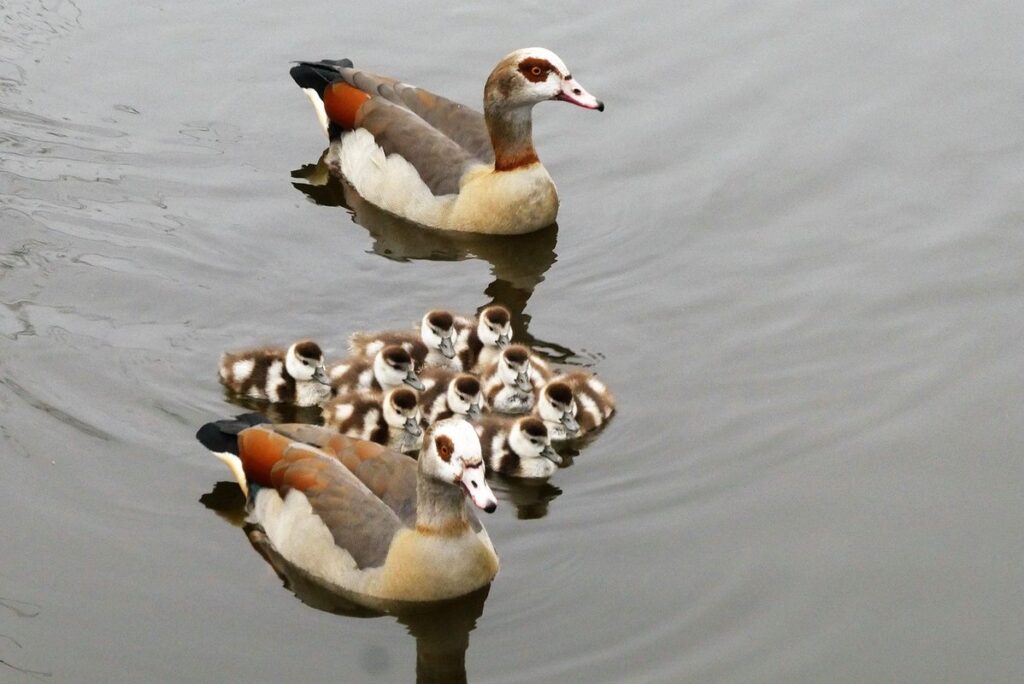
Physical Differences Between Male and Female Geese
When it comes to physical differences, male and female geese exhibit distinct characteristics that set them apart from one another. Let’s take a closer look at some of these notable variations.
Size and Weight Variations
One of the most noticeable differences between male and female geese is their size and weight variations. On average, males tend to be larger than females. While both sexes can grow up to 2-3 feet in length, males typically weigh between 8-12 pounds (3.6-5.4 kg), whereas females usually top out at around 7-10 pounds (3.2-4.5 kg). This size disparity is more pronounced during the breeding season when males puff out their feathers to appear larger and more intimidating to potential rivals.
It’s essential to note, however, that these weight variations can be influenced by factors such as diet, genetics, and overall health. In some cases, females may reach sizes comparable to those of males if they have access to optimal nutrition and living conditions. When it comes to choosing geese for your backyard flock or farm, consider the specific needs and requirements of each sex to ensure you’re providing the best possible care.
Plumage and Feathers
When it comes to identifying male and female geese, their distinctive plumage patterns play a significant role. One of the most noticeable differences is the coloration of their feathers. Female geese tend to have a duller, brownish-gray coat with a lighter belly, while males sport a more vibrant white or light gray color on their head, neck, and breast.
However, it’s essential to note that these colors can change depending on the season. During mating season, male geese develop an intense black stripe running across their face from crown to beak, known as a “black mask.” This distinctive feature helps males establish dominance and attract mates.
In contrast, females do not exhibit any significant changes in their plumage during breeding season. To accurately identify a goose’s sex, observe its feathers and behavior during non-breeding periods when the males lack the black mask. As you get to know geese better, pay attention to the subtle variations in their coats and learn to recognize these differences to confidently tell male from female.
Beak and Claw Differences
When it comes to the physical differences between male and female geese, their beaks and claws are two of the most notable features. A male goose‘s beak is typically thicker and stronger than a female’s, which helps him forage more efficiently during mating season when he needs to gather food for his family. In contrast, a female goose‘s beak is usually more slender and agile, making it ideal for snatching up small aquatic plants and insects.
In terms of claws, male geese tend to have longer, sharper talons than females, which are better suited for defending their territory and intimidating potential predators. Female geese, on the other hand, often have shorter, more curved claws that are perfect for grasping and holding onto objects, such as nesting materials or food.
These differences in beak and claw structure can have a significant impact on the daily lives of male and female geese. For instance, males tend to dominate foraging and defense duties, while females focus on gathering and incubating eggs. By understanding these unique features, you can better appreciate the fascinating world of geese and even learn how to provide them with the best possible care in a domestic setting.
Behavioral Traits: Male vs. Female Geese
When it comes to behavior, male and female geese exhibit some interesting differences that set them apart from one another in unique ways. Let’s dive into these distinct traits!
Mating and Pair Bonding
In the complex world of geese mating rituals, both male and female geese engage in elaborate courtship displays to establish a strong pair bond. During this time, males will often perform aerial acrobatics, flying high above their potential mate while honking loudly to showcase their strength and agility.
Not all courtship behaviors are alike, however, as females tend to be more discerning than their male counterparts when choosing a partner. In fact, research has shown that female geese can reject multiple suitors before finally settling on one they deem worthy of forming a bond with. On the other hand, males will often pursue a receptive female for hours, if not days, until she agrees to mate.
Despite these differences in courtship behavior, both sexes share a common goal: establishing a strong and enduring pair bond. In geese, this bond is crucial for survival as they migrate long distances together and raise their young in tandem. If you’re planning on raising geese, understand that creating a healthy pair bond between your male and female birds requires patience, attention to detail, and a willingness to observe and respond to their individual needs.
To foster a strong pair bond between your male and female geese, establish a consistent routine for feeding, exercise, and interaction. Monitor their behavior closely during courtship season, taking note of any signs of stress or aggression in either bird. With careful observation and attention to detail, you can help create a thriving and loving partnership between your male and female geese.
Parental Care and Brood Rejection
When it comes to parental care, male and female geese take turns incubating eggs and caring for their goslings. This unique behavior is often referred to as “biparental care.” Both parents share the responsibility of keeping the eggs warm and safe until they hatch. After the goslings are born, both males and females feed and protect them from potential predators.
However, brood rejection can occur when a parent bird decides not to care for its own young. This can happen due to various reasons such as stress, lack of food or water, or even health issues. When a parent rejects their goslings, it’s often because they feel threatened or overwhelmed by the demands of caring for their chicks.
In some cases, brood rejection can be avoided by providing a safe and stable environment for the birds to raise their young. This includes ensuring access to clean water, nutritious food, and adequate shelter from harsh weather conditions. If you’re raising geese and notice signs of stress or rejection in your parents, take immediate action to address the issue before it’s too late.
Male and female geese have a remarkable ability to adapt and adjust their parental care depending on the circumstances. While brood rejection is unfortunate, understanding the reasons behind it can help us provide better care for these fascinating birds.
Social Hierarchies and Dominance
When it comes to social hierarchies within goose flocks, both males and females play crucial roles in maintaining dominance structures. In most species of geese, males tend to be more aggressive and dominant than females, but this isn’t always the case.
In fact, some research suggests that females often hold higher ranks within the flock due to their expertise in foraging and food distribution. This is particularly evident in smaller flocks where individuals know each other well, and social bonds are stronger. For example, a study on Canada geese found that females consistently held positions of power within their groups.
While males may engage in aggressive behavior to establish dominance, females often use more subtle strategies such as vocalizations and body language to assert their authority. Observing these behaviors can be fascinating for bird enthusiasts and wildlife observers alike.
To appreciate the social dynamics of goose flocks, try observing a group in person or through camera footage. Note how individuals interact with each other, particularly during feeding and breeding seasons when dominance structures are most pronounced. By understanding these intricate relationships, you’ll gain a deeper appreciation for the complex world of geese behavior.
Habitat Preferences and Migration Patterns
Geese can be found in a wide range of habitats, from Arctic tundras to urban parks, and their migration patterns are just as fascinating. Let’s explore where they live and how they travel.
Territorial Marking and Home Range Establishment
When it comes to establishing their territories and home ranges, both male and female geese rely on distinctive markings to signal ownership and boundaries. In fact, territorial marking is a crucial aspect of goose behavior, allowing them to communicate with other geese and maintain social order.
For geese, the concept of “home” extends far beyond their roosting site or nesting grounds. A home range is a larger area that includes their territory, feeding grounds, and escape routes from predators. Both males and females work together to establish and defend this home range, using visual cues like droppings and feathers to signal boundaries.
To create an effective home range, geese will often engage in what’s called “defecation marking.” This involves depositing their droppings at strategic locations throughout the territory to communicate with other geese. By doing so, they’re able to convey vital information about their presence, reproductive status, and social hierarchy.
In fact, research has shown that geese are capable of learning and remembering the exact location of these marking sites. This ability allows them to revisit these areas repeatedly, reinforcing their territorial boundaries and maintaining order within their social group.
Migration Routes and Altitudinal Movements
When it comes to migration patterns, male and female geese exhibit distinct behaviors that are worth noting. While both sexes migrate together as a pair or within larger flocks, their routes and altitudinal movements can vary significantly.
Male geese tend to be more nomadic than females, often taking longer and more unpredictable routes to reach their wintering grounds. For instance, the Lesser Snow Goose is known to fly over 3,000 miles from its Arctic breeding grounds in Canada to its wintering grounds in the Gulf Coast region of the United States. Meanwhile, female geese tend to be more consistent in their migration patterns, often following traditional routes and stopping at established roosting sites.
Some notable altitudinal movements occur during these migrations. For example, geese flying from high-altitude breeding grounds in the Himalayas may descend to lower elevations in the Indian subcontinent or Southeast Asia before continuing on to their wintering grounds. This change in elevation can be influenced by various factors such as weather patterns, food availability, and predation pressure.
In general, understanding these distinct migration patterns can help you better appreciate the amazing journeys made by geese each year. By observing and tracking their movements, bird enthusiasts can gain valuable insights into the complex behaviors of these fascinating creatures.
Wintering Grounds and Flocking Behaviors
When winter arrives, many geese species migrate to warmer regions, but some populations stay put and adapt to their local climates. Male and female geese typically have different wintering grounds depending on the species. For example, Canada Geese tend to migrate to coastal areas or large lakes in the southern United States, while Snow Geese head to California’s Central Valley.
During this period, geese exhibit fascinating flocking behaviors, often gathering in large numbers to conserve energy and protect themselves from harsh weather conditions. Female geese usually take charge of leading their flocks, using their keen spatial memory and homing abilities to navigate back to reliable foraging spots.
In mixed-species flocks, male and female geese engage in intriguing social interactions with other waterfowl species. For instance, they often form alliances with Mallards and Canada Geese, which help them outcompete predators and rival goose groups. To observe these behaviors up close, consider visiting a local park or nature reserve during the winter months. Keep a safe distance to avoid disturbing the geese, and bring binoculars to get a better view of their social dynamics.
Unique Characteristics of Domestic vs. Wild Geese
One of the most fascinating differences between domestic and wild geese lies in their unique characteristics, influenced by years of selective breeding. Let’s explore what makes them distinct from each other.
Temperament and Handling Differences
Domesticated geese are often known for their affectionate nature towards humans, being easily trainable and forming strong bonds with their owners. They are generally more docile and less aggressive than their wild counterparts. On the other hand, wild geese have a much stronger prey drive and are naturally wary of humans, making them more challenging to handle.
When it comes to interacting with domesticated geese, understanding their temperament is key to building trust and establishing a strong relationship. Geese thrive on routine, so regular feeding times and consistent interaction help establish a sense of security and predictability. It’s essential to move slowly and calmly around them to avoid startling, which can lead to aggression.
In contrast, wild geese require a much more cautious approach. Observing their natural behavior from a safe distance is crucial in understanding their territorial boundaries and flight patterns. When interacting with wild geese, it’s vital to respect their personal space and not attempt to touch or handle them, as this can be perceived as a threat.
It’s worth noting that individual personalities within both domesticated and wild geese populations exist. Some may be more curious or friendly than others, while some may be naturally more aggressive. Understanding these unique characteristics is essential for effective handling and interaction with geese of any type.
Adaptation to Human Environment and Farming Practices
Domestic geese have evolved remarkable adaptations to thrive in various human environments and farming practices. One notable example is their ability to adapt to different climate conditions. While wild geese migrate seasonally to escape harsh weather, domestic geese can tolerate a range of temperatures and humidity levels. This flexibility allows them to be raised on farms across the globe, from arid deserts to cold tundras.
In terms of farming practices, domestic geese are surprisingly efficient grazers and foragers. They can thrive in small spaces with minimal feed supplementation, making them an attractive choice for backyard farmers and permaculture enthusiasts. In fact, many small-scale farms rely on domestic geese as a low-maintenance and sustainable source of meat and eggs.
To adapt your farm or homestead to raise domestic geese, consider the following tips: provide a mix of grasses, grains, and aquatic plants in their diet; ensure access to clean water and shelter from extreme weather; and be prepared for their loud honking calls, which can be an effective alarm system against predators. With proper care and management, domestic geese can become valuable additions to your agricultural ecosystem.
Conclusion: The Importance of Understanding Male and Female Geese
In conclusion, understanding the characteristics of male and female geese is essential for anyone who wants to appreciate these fascinating birds. By knowing the differences between the sexes, you can better recognize and identify individual geese in a flock. This knowledge can also help you provide the best care for your own pet goose or geese. For example, if you notice that your male goose is developing a distinctive vocal call, it’s likely reaching adulthood and may require more space to roam.
Recognizing the unique traits of male and female geese can also enhance your bird-watching experience in nature reserves or parks. By paying attention to plumage patterns, size differences, and behaviors, you can observe geese with a newfound appreciation for their intricate social dynamics. Whether you’re an avid birder, a wildlife enthusiast, or simply a curious observer, understanding male and female geese is a valuable skill that will enrich your connection with these remarkable creatures.
Frequently Asked Questions
Can I observe male and female geese differences in my local park or backyard?
Yes, if you pay attention to their behavior, habitat preferences, and plumage patterns. While it may take some time and patience to notice the variations, observing these birds regularly can help you develop an appreciation for their unique characteristics.
How do I determine the sex of a goose without harming it?
To determine the sex of a goose without causing harm, look for physical differences such as size, plumage patterns, and beak shape. You can also observe behavior like mating rituals or parental care to make an educated guess about the goose’s sex. However, keep in mind that determining sex with absolute certainty often requires a professional’s assistance.
What are some signs of aggression in geese, and how should I respond?
Aggressive geese may display behaviors such as hissing, growling, or charging at people. If you encounter an aggressive goose, maintain a safe distance and avoid direct eye contact. Slowly back away while keeping the bird in view, and consider seeking assistance from wildlife experts if the behavior persists.
Can I keep male and female geese as pets, and what are their living requirements?
While it’s possible to keep geese as pets, they require specialized care and housing. Both sexes need access to a large enclosure or pool of water for swimming, as well as space for exercise and socialization. Consult local regulations and consult with experienced breeders before deciding to bring geese into your home.
How do I distinguish between male and female goose calls, especially during mating season?
Male and female geese have distinct vocalizations, but these can be challenging to identify without prior experience. Listen for the tone and pitch of their calls: males tend to produce a deeper, more resonant sound, while females emit higher-pitched, more nasal tones. During mating season, listen for the male’s distinctive honking or piping sounds, which may signal his interest in finding a mate.