
Male ducks are often overshadowed by their more vibrant female counterparts, but these charming birds have some fascinating characteristics that deserve attention. From their unique physical features to their complex behaviors and habitats, male ducks play a vital role in maintaining the delicate balance of our ecosystem. Unfortunately, many species of male ducks face significant threats to their populations due to habitat destruction, climate change, and hunting practices. In this article, we’ll delve into the world of male ducks, exploring their characteristics, habitats, conservation status, diet, reproduction habits, and more. By understanding these aspects, we can gain a deeper appreciation for these remarkable birds and work towards protecting their populations for future generations. Let’s take a closer look at what makes male ducks so fascinating.
Characteristics and Identification
To accurately identify a male duck, you’ll want to look out for distinct physical characteristics such as its plumage and beak shape. Let’s break them down together!
Physical Features of Males
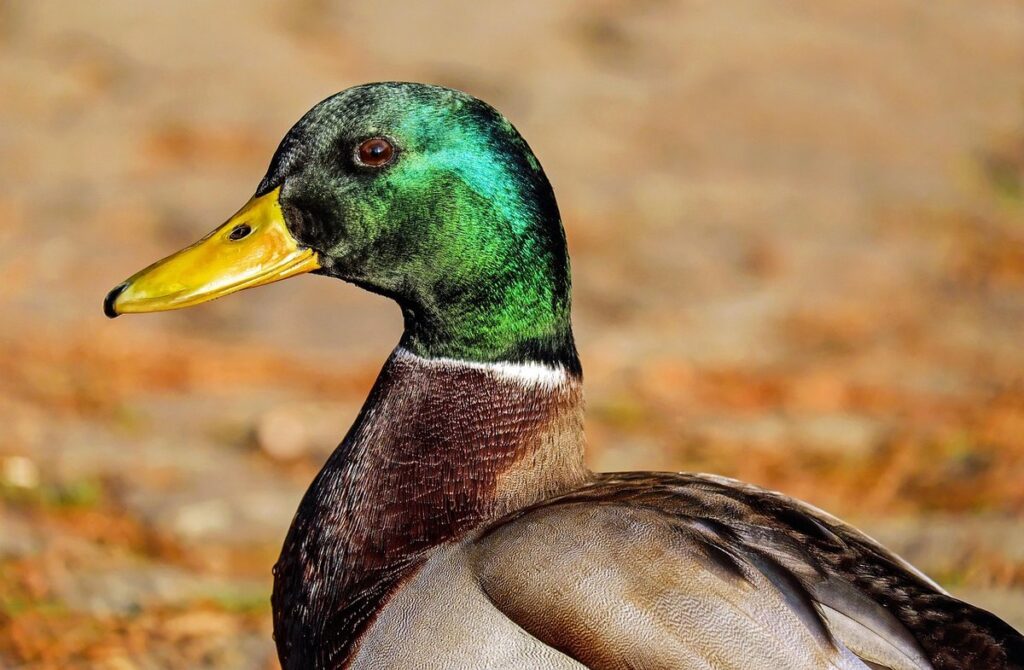
When it comes to identifying male ducks, several distinct physical features can be observed. One of the most noticeable differences is the beak shape and size. Male ducks tend to have a thicker, more robust beak than females, which is often straight or slightly curved. In contrast, female ducks typically have a slender, tapering beak.
The plumage coloration of male ducks also varies depending on the species, but generally, they display brighter, more vibrant hues than females. For instance, some male ducks exhibit striking shades of green, blue, or purple on their heads, necks, and breasts. In contrast, female ducks tend to have duller, more subdued plumage colors.
In terms of size, male ducks are usually larger than females, especially during breeding season when they undergo significant weight gain to attract mates. To accurately identify a male duck, it’s essential to examine its overall physique, taking note of the beak shape, plumage coloration, and size. With practice, you’ll become more confident in distinguishing males from females, enhancing your understanding and appreciation for these fascinating birds.
Behavioral Traits of Males
Male ducks are known for their distinctive behavioral traits, which play a crucial role in establishing dominance, attracting mates, and defending territories. When it comes to mating habits, male ducks typically engage in elaborate displays of courtship behavior to impress females. This can include impressive preening rituals, strutting around the pond, and even performing acrobatic dives.
One of the most recognizable behaviors exhibited by male ducks is territorial display. They will fiercely defend their territory from other males, using a combination of visual and auditory cues to deter intruders. You may notice a male duck standing tall, puffing out his chest, or spreading his wings to appear larger.
Male ducks are also prolific vocalizers, using a wide range of calls to communicate with potential mates, warn off rivals, and alert other ducks to potential threats. For example, a male wood duck will produce a distinctive “whistle” to attract a female, while a mallard duck may let out a series of loud quacks to signal aggression.
When observing male ducks in the wild or in captivity, it’s essential to recognize these behavioral traits as signs of dominance and courtship. By understanding their behavior, you can better appreciate the fascinating social dynamics at play in these charming birds.
Unique Identification Marks
Male ducks are known for their striking plumage, and one of the most distinctive features that can help you identify a male duck is its unique identification marks. These markings vary depending on the species, but some common characteristics include wing patterns and feather colors.
For example, the Wood Duck has a distinctive band of feathers across its forehead, while the Green-winged Teal has a bright green stripe running along its head. The Mallard, one of the most recognizable duck species, has a distinctive orange beak and yellow bill. Male ducks also tend to have more vibrant colors on their heads, necks, and breasts compared to females.
When trying to identify a male duck, pay attention to these patterns and coloration. For instance, if you see a male with a bright blue-gray head and breast, it could be a Blue-winged Teal. Similarly, if you notice a distinctive white patch on the wing of a male duck, it might be a Pochard.
Remember that each species has its unique markings, so familiarizing yourself with these characteristics will help you accurately identify a male duck in the wild or even in your backyard.
Habitat and Distribution
Male ducks can be found in a variety of aquatic habitats, including ponds, lakes, rivers, and wetlands around the world. Let’s take a closer look at where these fascinating birds make their homes.
Breeding Grounds for Male Ducks
When it comes to breeding grounds for male ducks, these fascinating creatures can be found in various locations across different continents. Wetlands are a crucial breeding ground for many species of male ducks. These areas provide an abundance of food, shelter, and water, making them ideal for raising ducklings.
In North America, the prairie potholes region is known to be a prime breeding ground for males such as the Northern Pintail and Green-winged Teal. The shallow wetlands and ponds in this area offer an ideal environment for these ducks to nest and raise their young. Similarly, in Europe, male ducks can be found breeding in areas such as the Camargue region in France and the Wadden Sea in Germany.
Grasslands are another significant breeding ground for male ducks. These open spaces provide a mix of grasses, seeds, and insects that serve as a vital food source for ducklings. The Pampas grasslands in South America are home to species such as the Silver Teal and the Blue-billed Duck.
Male ducks have adapted to breed in various forest environments around the world. For example, the Mandarin Duck is known to inhabit deciduous forests in Asia, while the Wood Duck breeds in coniferous forests across North America.
Migration Patterns of Males
Male ducks are known to be migratory birds, with their movements playing a crucial role in shaping their habitats and interactions. During different seasons, male ducks undertake various migration patterns that allow them to adapt to changing environments.
In the spring, male ducks migrate from their wintering grounds to breeding areas, typically flying long distances across continents. For instance, male Wood Ducks have been tracked traveling over 1,000 miles from Mexico to Canada during this period. As they arrive at their destinations, males engage in fierce territorial displays and establish dominance hierarchies.
In the fall, male ducks make their way back to wintering grounds, often following established flyways. During this season, males tend to travel shorter distances than they do in the spring, as they seek to conserve energy for future breeding cycles. Notably, some species of male ducks, such as the Mallard, have been observed adapting their migration routes to avoid areas with high human activity.
By understanding these migration patterns, duck enthusiasts can better appreciate the remarkable journeys undertaken by male ducks and learn how to provide them with suitable habitats during different seasons.
Environmental Factors Affecting Male Duck Populations
Climate change has been impacting male duck populations worldwide. Rising temperatures and altered precipitation patterns have led to changes in habitat quality and availability. For example, in the UK, warmer winters have resulted in a decline of 27% in teal populations between 2000 and 2015. In North America, droughts caused by climate change have reduced water bodies, affecting duck habitats.
Habitat destruction is another significant threat to male ducks. Deforestation and urbanization have led to the loss of wetlands, which are essential for duck breeding and feeding grounds. According to a study published in the Journal of Wildlife Management, habitat fragmentation has resulted in isolated populations of wood ducks in North America, reducing genetic diversity.
Pollution also affects male duck populations. Chemical runoff from agricultural activities and industrial processes contaminates water bodies, making them uninhabitable for ducks. For instance, in China’s Yangtze River Delta, the widespread use of pesticides has been linked to a decline in dabbling duck populations.
As a duck enthusiast, you can contribute to conservation efforts by supporting organizations that work on habitat preservation and pollution reduction. Additionally, consider participating in citizen science projects or volunteering for local birding groups to help monitor and protect male duck habitats.
Diet and Nutrition
When it comes to maintaining optimal health, a well-balanced diet is crucial for male ducks, which can be influenced by their habitat and environmental factors. Let’s dive into what they need to thrive.
Foraging Habits of Male Ducks
When it comes to foraging habits, male ducks are quite skilled at scavenging for food. In the wild, they tend to follow a mix of aquatic and terrestrial sources to meet their nutritional needs. For instance, they’ll often forage for algae and water plants like duckweed and water lilies in shallow waters. These plants provide essential vitamins, minerals, and fiber that help maintain their digestive health.
But that’s not all – male ducks are also known to feed on insects and small animals like snails, leeches, and even tiny fish. They use their sharp beaks to dig into mud and debris, uncovering hidden treasures like earthworms and insect larvae. In fact, some species of male ducks have been observed diving up to 6 feet underwater in search of aquatic delicacies.
To replicate this foraging behavior in a home environment, consider providing your male duck with a shallow pool or pond filled with aquatic plants and insects. You can also supplement their diet with small amounts of commercial duck pellets or high-quality grains to ensure they’re getting all the nutrients they need.
Nutritional Requirements for Males
Male ducks require a balanced diet that includes essential nutrients to maintain optimal health. When it comes to protein, male ducks need about 18-20% of their daily calories to be from protein sources like grains, legumes, and insects. This is crucial for maintaining muscle mass and supporting overall growth.
Vitamins also play a vital role in the diet of male ducks. Vitamin A is essential for healthy skin, feathers, and eyesight, while vitamin D helps with calcium absorption, which is necessary for strong bone development. Ensure that your male duck’s feed includes supplements or natural sources rich in these vitamins.
Minerals such as calcium, phosphorus, and potassium are also crucial for maintaining optimal health in male ducks. A diet lacking in these essential minerals can lead to weakened bones, poor feather growth, and other health issues.
To provide a balanced diet for your male duck, make sure to include a variety of nutrient-rich foods in their feed, such as fruits, vegetables, grains, and protein sources. You can also supplement with mineral blocks or crushed oyster shells to ensure they are getting all the necessary minerals.
Adaptations to Food Scarcity
When food becomes scarce, male ducks adapt their feeding habits to survive. They become highly selective, focusing on high-calorie foods that provide energy and nutrients. For example, during winter when aquatic plants are frozen, they switch to eating seeds from grasses and weeds. In areas where human activity is prevalent, such as agricultural fields or parks, male ducks have learned to forage for grains, fruits, and vegetables left behind.
In some regions, seasonal changes bring about unique adaptations. For instance, in the spring when insects are abundant, male ducks gorge on these protein-rich foods to replenish their energy reserves. During this period, they also eat small crustaceans like snails and worms. In contrast, during autumn when water levels drop, they focus on eating more plant-based foods like aquatic vegetation.
One key adaptation is their ability to adjust their daily activity patterns. Male ducks become more active at night, foraging under the cover of darkness when predators are less likely to be present. This helps them conserve energy and avoid competition from other animals during the day. By observing these behaviors, you can learn how to create a balanced diet for your pet male duck or better understand their natural feeding habits in the wild.
Reproduction and Parenting
When it comes to raising a family, male ducks have some unique characteristics that set them apart from other birds. Let’s dive into how they approach reproduction and parenting responsibilities.
Mating Rituals of Male Ducks
Male ducks are renowned for their elaborate mating rituals, which play a crucial role in attracting females and establishing dominance within their social hierarchy. One of the most distinctive aspects of male duck courtship is the display of vibrant plumage and feathers. During the breeding season, males will often preen their feathers to create an impressive visual spectacle, showcasing their bright colors and striking patterns.
In addition to visual displays, male ducks also employ a wide range of vocalizations to attract females. These sounds can vary from soft coos and quacks to loud, booming calls that echo across the water. By mastering these various vocalizations, males can convey information about their genetic quality, dominance status, and even their suitability as a mate.
To encourage the development of these complex mating rituals in your own duck flock, provide your male ducks with a stimulating environment. Ensure they have access to a suitable breeding pond or enclosure, complete with adequate shelter and foraging opportunities. By observing and learning from the natural behavior of wild male ducks, you can better understand their unique courtship displays and adapt them to your own duck-keeping practices.
Incubation and Brooding
When it comes to raising their young, male ducks play a crucial role in incubation and brooding. While female ducks are often the primary caregivers, males can also take on this responsibility, especially when females are busy foraging or when there’s a large clutch of eggs.
In fact, some breeds of male ducks, such as Muscovy drakes, are known to be devoted fathers, sitting on their nests and incubating eggs for up to 28 days. During this time, they’ll maintain the temperature at around 99°F (37°C), ensuring the eggs develop properly.
To encourage male ducks to participate in brooding, provide them with a safe and comfortable nesting area. Make sure the enclosure is draft-free and protected from predators. It’s also essential to teach your male duck how to sit on the eggs gently, as they can accidentally roll them or break them if not careful.
When introducing the eggs to the male duck, place them under his wings, where he’ll naturally position them against his body. With patience and practice, your male duck will learn to incubate and care for his young, becoming a devoted father in the process.
Parental Care for Males
When it comes to raising their young, male ducks are often misunderstood as being uninvolved parents. However, this is far from the truth. In reality, males play a crucial role in caring for their offspring, and their contributions should not be overlooked.
One of the most significant ways in which male ducks contribute to parenting is through food provision. They will actively search for food and bring it back to their nests or brood patches, where they will feed their young. This not only helps to ensure that their chicks are well-nourished but also allows the female to focus on incubation and other essential tasks.
Male ducks are also fiercely protective of their families. They will aggressively defend their mates and offspring from predators, using a variety of techniques such as loud calling, flapping, and even chasing away intruders. This protection is vital for the survival of their young, and it’s not uncommon to see male ducks putting themselves in harm’s way to keep their families safe.
In addition to feeding and protecting, males also help with incubation by keeping the eggs warm and turning them regularly. They will often sit on the nest alongside the female, taking turns to incubate the eggs and keep them secure. This cooperative breeding behavior is a key aspect of duck reproduction and highlights the important role that males play in raising their young.
Conservation Status and Threats
Unfortunately, male ducks are facing various threats that impact their populations worldwide. Let’s take a closer look at the conservation status of these magnificent creatures and what we can do to help protect them.
Current Conservation Efforts
There are several conservation efforts underway to protect male duck populations. The International Union for Conservation of Nature (IUCN) has listed some species of ducks under threatened categories, prompting conservation organizations to take action. For example, the Audubon Society’s Waterfowl Program works with farmers and hunters to promote sustainable hunting practices and habitat restoration.
Additionally, groups like Ducks Unlimited and the U.S. Fish and Wildlife Service are implementing programs to restore wetlands, which provide crucial habitats for male ducks during migration and breeding seasons. These conservation initiatives also involve engaging local communities in conservation efforts, such as educating them about the importance of protecting duck habitats.
If you’re interested in contributing to these efforts, consider supporting organizations like the Audubon Society or Ducks Unlimited through donations or volunteering your time. You can also participate in citizen science projects that track duck populations and habitat health. By taking small actions, you can help protect male duck populations for future generations.
Major Threats to Male Duck Populations
Male duck populations face numerous threats that impact their survival and well-being. Habitat loss is one of the most significant concerns, as wetlands and waterways are destroyed or degraded due to human activities such as urbanization, agriculture, and infrastructure development. This not only reduces the availability of food and shelter for male ducks but also disrupts their migratory patterns.
Hunting is another major threat, with male ducks often being targeted for their meat and feathers. In some regions, hunting regulations are inadequate or poorly enforced, leading to overhunting and population decline. Disease outbreaks, such as avian cholera and botulism, can also have devastating effects on male duck populations, particularly in areas with poor sanitation and water quality.
To mitigate these threats, conservation efforts focus on protecting and restoring wetland habitats, implementing sustainable hunting practices, and promoting disease prevention measures. By understanding the key threats facing male duck populations, we can work towards preserving the integrity of these fascinating birds and their ecosystems.
Ways to Support Conservation Efforts
As you’ve learned about the fascinating male duck and its conservation status, you might be wondering what you can do to make a difference. Supporting conservation efforts is crucial for the long-term survival of these incredible birds.
One way to contribute is by reducing plastic waste and its impact on our waterways. Male ducks often mistake discarded plastic bags or six-pack rings for food, causing harm or even death. Be mindful of your daily habits and opt for reusable containers, bags, and water bottles instead. When out with family or friends, keep a close eye on children to ensure they don’t litter.
You can also help by creating a duck-friendly environment in your backyard or community space. Plant native vegetation that provides shelter and food for male ducks during their migration periods. Consider installing a small pond or birdbath with fresh water, as these birds are attracted to still bodies of water. By making these simple changes, you’ll be helping to create a safer habitat for male duck species.
Another way to get involved is by supporting organizations dedicated to wildlife conservation. Look into local or national groups that work specifically on protecting and preserving male duck habitats. Consider donating time, resources, or spreading the word about their efforts through social media.
Lastly, stay informed about ongoing conservation projects and participate in citizen science initiatives. Many organizations rely on data collected from volunteers to better understand the behavior and populations of male duck species. By participating in these efforts, you’ll be contributing valuable insights that can help inform conservation strategies.
Frequently Asked Questions
What are the most significant threats to male duck populations, and how can I contribute to their conservation?
Male ducks face numerous threats, including habitat destruction, climate change, hunting practices, and human disturbance. To support their conservation, you can start by reducing your carbon footprint, supporting organizations that work towards protecting wetlands and wildlife habitats, and spreading awareness about the importance of preserving biodiversity.
How can I identify a male duck in the wild if I don’t have a field guide or access to a knowledgeable expert?
When identifying a male duck in the wild, observe its plumage coloration and beak shape. Male ducks tend to have more vibrant colors and thicker beaks than females. You can also look for distinctive markings such as feathers with iridescent sheens or specific patterns on their necks.
Are there any adaptations that male ducks have developed to cope with food scarcity in the wild?
Yes, male ducks have adapted to survive during periods of food scarcity by changing their diet and foraging habits. They may shift from herbivorous diets to more omnivorous ones, eating insects, small aquatic animals, or even carrion.
How can I support conservation efforts for male duck populations on a personal level?
You can contribute to the conservation of male ducks by supporting organizations that work towards protecting their habitats and addressing the threats they face. You can also participate in citizen science projects, volunteer at local wildlife refuges, or spread awareness about the importance of preserving biodiversity.
What are some key differences between the breeding grounds of male and female ducks, and how do these impact their reproductive success?
Male ducks typically breed on land, while females often prefer aquatic areas. The difference in breeding grounds affects their reproductive success, as males may need to travel long distances to find suitable mates, increasing their vulnerability to predators and environmental stressors.