
As you step out into your backyard or visit a nearby park, have you ever caught a glimpse of a beautiful wild duck gliding effortlessly across the water? Chances are it was a mallard, one of the most recognizable and iconic duck species in North America. But how much do you really know about these fascinating birds? Beyond their striking green heads and vibrant feathers, what lies beneath the surface of the mallard’s habitat, diet, and behavior?
In this article, we’ll delve into the world of the mallard wild duck, exploring their essential habits, identifying characteristics, and conservation status. We’ll also touch on the efforts being made to protect these incredible creatures and their habitats. Whether you’re a seasoned bird enthusiast or just starting to learn about wildlife, this guide will give you a comprehensive understanding of the mallard’s remarkable story. Let’s take a closer look at what makes them so special and why they deserve our care and attention.
Physical Characteristics and Identification
To tell a mallard wild duck apart from others, it’s essential to know its distinctive physical features, such as plumage patterns and size. Let’s take a closer look at these identifying characteristics.
Recognizing Mallards in the Wild
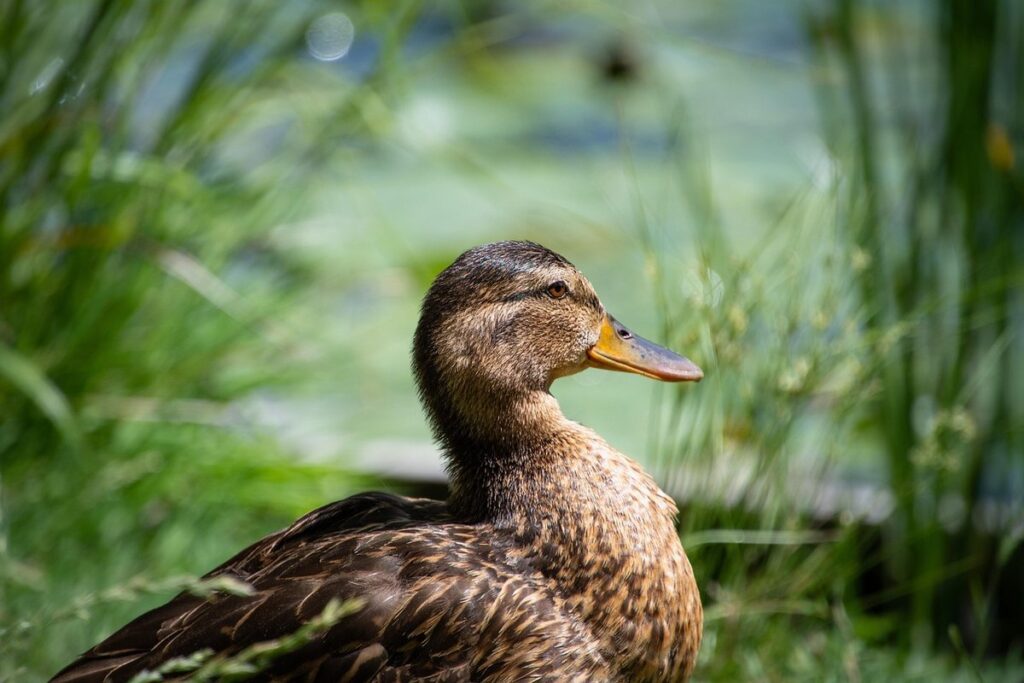
When observing mallard wild ducks in their natural habitat, it’s essential to recognize their distinctive physical features. One of the most noticeable characteristics is their vibrant plumage, which can vary depending on the season and sex. During breeding season, males display a striking green head with a yellow bill, while females have a brownish-gray crown with a gray bill.
To identify mallards in the wild, look for their broad, flat beak shape, which is ideal for foraging in shallow water. They typically grow between 20 and 26 inches (50-66 cm) in length, making them one of the largest duck species. Their size and plumage pattern can help you distinguish them from other waterfowl.
When observing mallards, pay attention to their behavior as well. They tend to inhabit shallow wetlands, ponds, and grassy areas near water sources. Males are often found alone or in small groups, while females tend to gather in larger flocks with their ducklings. By combining these physical characteristics with knowledge of their habitat and behavior, you’ll be better equipped to identify mallards in the wild.
Key Differences Between Male and Female Mallards
When it comes to identifying male and female mallards, one of the most noticeable differences lies in their physical characteristics. Males, also known as drakes, tend to be slightly larger than females, measuring around 24-26 inches in length compared to the 20-22 inches of hens. Their coloration is another distinguishing feature, with males sporting a glossy green head, yellow bill, and brown body with gray wings. Females, on the other hand, have a duller plumage with a mottled brown head and neck, as well as a blue-gray sheen on their back.
However, it’s not just about looks – behavior also plays a role in identification. Males are generally more aggressive during breeding season, engaging in loud quacking and displaying their bright colors to attract mates. Females, while still vocal, tend to be less assertive and focus more on nesting and egg-laying. If you’re trying to determine the sex of a mallard, pay attention to these behaviors, as they can be just as telling as physical characteristics. By knowing what to look for, you’ll become a pro at identifying male and female mallards in no time!
Habitat and Distribution
Mallards can be found in a wide range of habitats, from shallow ponds and marshes to large rivers and even urban areas, where water is present. Let’s take a closer look at their preferred habitats around the world.
Breeding and Migratory Patterns
Mallard wild ducks are social birds that form long-term monogamous relationships. During breeding season, which typically occurs between March and August, they establish territories and engage in elaborate courtship displays to attract a mate. Both males and females take turns incubating eggs for around 28 days, with the female Mallard laying an average of 9-13 eggs per clutch.
When it comes to nesting, Mallards prefer areas with dense vegetation and proximity to water sources, such as ponds, lakes, or slow-moving rivers. They often use existing nests or adapt natural cavities like hollow logs or rock crevices to lay their eggs. In urban areas, they may take advantage of abandoned nests or even nest in tree cavities.
As for migration patterns, Mallards are partial migrants, meaning that some populations remain resident while others migrate between breeding and wintering grounds. Those that do migrate travel significant distances, often flying over 1,000 miles each way to reach their destinations. Adaptation to changing environments is crucial for Mallards; they have been observed adjusting their migration routes in response to shifting climate conditions and habitat availability.
Their adaptability allows them to thrive in various ecosystems, from urban parks to rural wetlands. However, human activities like habitat destruction, hunting, and pollution pose significant threats to Mallard populations.
Ideal Habitats for Mallards in Different Regions
When it comes to providing a suitable environment for mallard wild ducks, understanding their preferred habitats is crucial. Different regions offer varying types of habitats that cater to the needs of these incredible birds. For instance, wetlands are an ideal haven for mallards as they provide access to water sources, shelter from harsh weather conditions, and ample space for foraging.
In North America, mallards can be found in both freshwater and saltwater wetlands, including marshes, swamps, and ponds. These areas offer a perfect blend of vegetation, aquatic life, and open spaces for flying and resting. Similarly, European mallards prefer grasslands, where they feed on insects, seeds, and fruits while avoiding dense forest cover.
In contrast, Australian mallards have adapted to the region’s unique habitats, often inhabiting urban parks and gardens with ponds or lakes. In these areas, they take advantage of readily available food sources and shelter from human activity. By recognizing the specific habitat needs of mallard wild ducks in various regions, we can better understand how to conserve and manage their populations effectively.
When creating a habitat for captive mallards, it’s essential to replicate these natural environments as closely as possible. This includes incorporating water features, planting native vegetation, and providing sheltered areas for rest and breeding.
Diet and Foraging Behavior
When it comes to survival, a mallard wild duck’s diet plays a crucial role in its overall well-being. Let’s take a closer look at what these birds typically eat and how they forage in their natural habitat.
What Do Mallards Eat?
Mallards are opportunistic omnivores, which means they eat a wide variety of plants and animals to survive. In the wild, their diet consists mainly of aquatic plants like duckweed, water lilies, and algae that grow in ponds, lakes, and slow-moving streams. They also feed on grasses, seeds, and grains that fall into the water or are swept away by floodwaters.
In addition to plant material, mallards eat a significant amount of insects, including snails, leeches, and aquatic crustaceans like crayfish and snails. They will also eat small fish, frogs, and even tiny birds that get caught in the water’s surface tension. During times of drought or when their usual food sources are scarce, mallards adapt by changing their feeding habits. For example, they may forage on dry land during the night and return to water during the day to avoid competition from other birds.
One key strategy for attracting mallards to your backyard is to provide a variety of food sources that mimic their natural diet. Offer aquatic plants like cattails or coontail, and provide shallow dishes of fresh vegetables like lettuce or kale. You can also create a small pond or water feature with rocks and logs for the ducks to forage on.
Unique Adaptations for Foraging in Different Environments
When it comes to foraging, mallards have developed unique adaptations that enable them to thrive in various environments. For instance, when diving for food in deep water, they have a highly efficient respiratory system that allows them to extract oxygen from the air and store it in their muscles. This adaptation is crucial for their survival, as they can spend up to 20 seconds underwater searching for aquatic plants, insects, and small crustaceans.
On land, mallards have adapted to forage for grains, seeds, and other vegetation. Their strong beaks are perfect for digging into the soil and uncovering hidden treasures. In agricultural fields, they use their keen eyesight to spot ripe crops, often causing problems for farmers who try to protect their yields. To avoid this issue, consider planting mallard-friendly crops like oats or wheat, which are less appealing to these birds.
Mallards have also been known to visit urban areas in search of food scraps and seeds. In these environments, they can be seen waddling through parks and backyards, searching for edible leftovers. By providing a source of water and minimizing the use of pesticides, you can create a welcoming habitat for these ducks, encouraging them to stay and enjoy your garden rather than causing problems elsewhere.
Behavior and Social Structure
When it comes to behavior, you’ll notice that mallards are highly social creatures, often forming large groups during breeding season. These flocks play a crucial role in their survival and reproductive success.
Mallard Courtship Rituals
When it comes to attracting a mate, male mallards are known for their impressive courtship displays. These elaborate rituals serve as a crucial aspect of securing a partner, and understanding them can provide valuable insights into the social behavior of these birds.
Male mallards will often begin by producing a distinctive call, which is typically described as a loud, quacking sound. This vocalization is an invitation for females to join in on the courtship display. As the male’s enthusiasm grows, he’ll assume various postures to showcase his plumage and agility. You might witness him swimming alongside his potential mate, spreading his tail feathers, or even lifting a leaf in an attempt to impress her.
These displays are not only visually striking but also serve as a means for males to establish dominance over potential competitors. By participating in these rituals, you’ll be able to observe the intricate dynamics at play within mallard social groups.
Flocking and Migration Patterns
When it comes to social behavior, mallard wild ducks are known for their unique tendency to form large flocks during migration. This phenomenon is a crucial aspect of their survival strategy, allowing them to protect themselves from predators and increase foraging efficiency.
As the days shorten and food sources become scarcer, mallard wild ducks begin to migrate in search of better habitats. During this time, they often join other duck species, creating massive flocks that can stretch for miles. This communal behavior is not limited to migration periods; mallard wild ducks also form smaller groups in their breeding grounds, with females often choosing territories near water sources and males engaging in territorial displays.
Interestingly, research has shown that mallard wild ducks are able to recognize and maintain long-term pair bonds within these flocks. While the formation of large flocks is largely driven by environmental factors, the social structure of these groups plays a significant role in shaping their behavior.
Conservation Status and Threats
As we delve into the world of mallard wild ducks, it’s essential to understand the challenges they face due to habitat loss and hunting pressures. Let’s explore their conservation status in detail.
Major Threats Facing Mallard Populations
Mallard populations are facing numerous threats that not only impact their numbers but also have far-reaching consequences for local ecosystems. Habitat destruction is a significant concern, as the loss of wetlands and ponds where mallards breed and nest has reduced their available habitat by nearly 50% in some regions. This can be attributed to urbanization, drainage schemes, and agricultural development.
Hunting is another major threat, with an estimated 10-15 million mallards hunted annually for sport and meat globally. While hunting regulations are in place, poaching remains a significant issue, particularly in developing countries where enforcement is weak. Climate change also poses a significant risk, as altering weather patterns disrupt the delicate balance of their food chain and affect breeding and migration cycles.
These threats have cascading effects on local ecosystems. For example, when mallard habitats disappear, other species such as plants and insects that rely on them for survival are also affected. This can lead to a loss of biodiversity and ecosystem resilience.
Efforts to Protect and Conserve Mallards
To protect and conserve mallards, various efforts have been undertaken across different regions. Habitat restoration projects are one such initiative aimed at preserving natural habitats for these birds. For instance, the Wetlands Reserve Program in North America provides financial incentives to farmers to restore wetlands on their land, which helps to create a safe haven for mallards. This not only enhances biodiversity but also contributes to water quality improvement.
Another key strategy is the establishment of protected areas, such as wildlife refuges and national parks. These designated zones offer a secure environment for mallards to live without facing threats from human activities like hunting or habitat destruction. The National Wildlife Refuge System in the United States is an exemplary model that protects over 800 million acres of land and water.
Additionally, education initiatives play a vital role in promoting awareness about mallard conservation. Organizations like Ducks Unlimited offer educational programs for schools and communities to teach people about the importance of wetland conservation. These initiatives not only help in spreading awareness but also encourage community involvement in protecting these birds’ habitats.
Interesting Facts and Cultural Significance
Did you know that mallard ducks have been a part of human culture for centuries, featuring prominently in art, literature, and even currency? Let’s dive into some fascinating facts about their cultural significance.
Folklore and Mythology Surrounding Mallards
In various cultures around the world, mallard wild ducks have been woven into rich tapestries of folklore and mythology. For instance, in ancient Greek mythology, the duck was associated with Aphrodite, the goddess of love and beauty. According to legend, a beautiful maiden transformed herself into a duck to escape the advances of a lustful mortal.
In many indigenous cultures, mallard ducks are seen as messengers between the physical and spiritual worlds. In some Native American tribes, they’re considered symbols of good luck and prosperity. In contrast, in ancient Egypt, ducks were revered for their role in keeping pest populations under control, often featuring in tomb paintings alongside other sacred animals.
Interestingly, in Japan, mallards are believed to bring good fortune during the New Year’s celebration. To attract these auspicious birds to your backyard pond or garden, try incorporating native vegetation and a shallow water source. This not only creates a welcoming habitat for mallards but also supports local biodiversity. By embracing these cultural connections and practical tips, you can foster a deeper appreciation for the fascinating lives of mallard wild ducks.
Fun Facts About Mallards in the Wild
Mallards are known for their fascinating mating rituals, which take place in the spring when males and females come together to form long-term pair bonds. Interestingly, mallard pairs are often formed in mid-air, with male birds performing a complex courtship display to attract a female’s attention. This involves a series of impressive aerial maneuvers, including swooping dives and displays of plumage.
One notable aspect of mallard behavior is their remarkable diving ability. These ducks can dive to depths of up to 6 feet (1.8 meters) in search of aquatic plants, insects, and small crustaceans to eat. In fact, studies have shown that mallards are able to stay underwater for as long as 30 seconds at a time. This impressive diving ability allows them to thrive in a variety of different aquatic environments.
For example, a study conducted on a group of wild mallard ducks found that the birds spent an average of 40% of their time foraging underwater, while the remaining 60% was spent on land or in shallow water. This adaptability is one reason why mallards are able to thrive in so many different parts of the world.
When observing mallard behavior in the wild, it’s not uncommon to see them swimming and playing together in groups. In fact, studies have shown that social interaction plays a crucial role in the overall well-being of these birds. By watching how mallards interact with each other, we can gain a deeper appreciation for their fascinating behavior and unique place within our ecosystem.
Frequently Asked Questions
Can mallards adapt to different types of water bodies, such as lakes or rivers?
Mallards are incredibly adaptable birds and can thrive in various aquatic environments, including ponds, lakes, reservoirs, and slow-moving streams. However, they tend to prefer calm waters with shallow edges where vegetation is abundant, providing shelter and food sources. When choosing a habitat for mallards, consider incorporating these characteristics to create an inviting environment.
How do I attract mallards to my backyard or local park?
Mallards are attracted to areas with abundant water, vegetation, and food sources. To entice them to your yard or park, try installing a small pond or pool, planting native aquatic plants, and providing ducks’ favorite foods like duck pellets or cracked corn. Also, consider creating a sheltered area with dense vegetation to provide protection from harsh weather conditions.
Can mallards coexist with other bird species in their habitat?
Yes, mallards are known to interact with various bird species, including other waterfowl, songbirds, and raptors. In fact, they often form mixed flocks during migration periods or when foraging together in the same habitats. However, it’s essential to note that mallards may also engage in competitive behaviors, such as aggressive displays, to defend their territory or access to resources.
Are there any specific regulations or guidelines I should follow when observing mallard wild ducks in their natural habitat?
When observing mallard wild ducks, always respect their space and adhere to local wildlife viewing guidelines. Avoid disturbing the birds’ natural behavior, especially during breeding or nesting seasons. Also, be mindful of your surroundings and keep a safe distance from the water’s edge to avoid scaring the birds away.
Can I feed mallards in my area, even if they seem healthy and abundant?
While it might seem harmless, feeding mallards can actually do more harm than good. In the long run, relying on human handouts can make these birds dependent on humans for food rather than their natural foraging habits. This can also lead to overpopulation and disrupt the delicate balance of their ecosystem. Instead, consider providing a habitat that encourages them to forage naturally.