
As a backyard chicken enthusiast, you know that maintaining a healthy and thriving flock is crucial for successful egg production. But have you ever wondered how to identify signs of a healthy brood or create a long-term plan for maximum egg production? Optimizing nutrition, living conditions, and health management are key factors in achieving your goals, but it can be overwhelming to know where to start. In this article, we’ll dive into the world of chicken egg broods and provide expert advice on how to maintain a thriving flock that produces high-quality eggs consistently. From understanding healthy signs to creating a production plan, we’ll cover everything you need to know to take your backyard chickens to the next level.
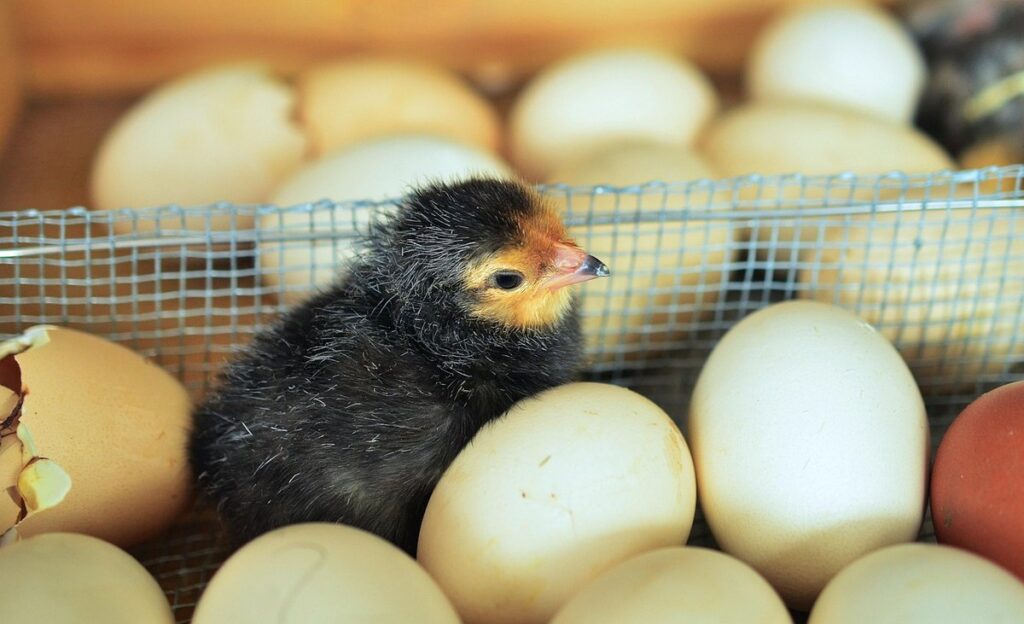
What is a Chicken Egg Brood?
A chicken egg brood refers to a group of eggs hatched together, often by a single mother hen. In this section, we’ll explore what makes an egg brood and how it affects your flock’s health.
Characteristics of a Healthy Brood
A healthy egg brood is characterized by several key factors that indicate overall flock health and well-being. One of the most crucial aspects is fertility rates, which should be consistently high (above 90%) to ensure successful hatching. This can be monitored by collecting eggs from the flock for 7-10 days and calculating the percentage of fertile eggs.
Egg production is another vital indicator of a healthy brood. A balanced diet, adequate nutrition, and proper living conditions are essential for optimal egg-laying. You should aim for an average of 280-300 eggs per hen per year, with each hen producing around 5-6 eggs per week. Regular health checks can help identify any potential issues affecting egg production.
Monitoring the overall health of your flock is also critical in maintaining a healthy brood. This includes watching for signs of disease, parasites, or stress, and taking prompt action to address any problems that arise. A balanced diet, clean living conditions, and access to fresh water are all essential for maintaining optimal health in your flock.
Signs of an Unhealthy Brood
If you notice a decrease in egg production, it could be a sign that something is amiss within your brood. This may not be immediately apparent if you have multiple hens laying eggs, but a sudden drop in the number of eggs collected over a short period can indicate a problem.
Keep an eye out for increased mortality rates among chicks or hens. This might be due to inadequate nutrition, poor living conditions, or disease. For example, if your brood is consistently losing 10-20% of its members within the first few weeks of life, it’s essential to investigate the cause.
Changes in behavior are another indicator of an unhealthy brood. Be aware of hens that appear lethargic, reluctant to engage with their surroundings or exhibit unusual aggression towards each other. It’s also worth monitoring for any signs of mites or lice infestations, which can lead to stress and discomfort for your birds.
Reduced egg production is often a symptom of an underlying issue rather than the problem itself. Identifying the root cause will enable you to implement corrective measures to get your brood back on track.
Causes of Poor Egg Production in Chicken Flocks
When it comes to egg production, it’s not just about laying eggs regularly, but also about the overall health and well-being of your flock. Factors such as nutrition, stress, and environment play a significant role in determining their productivity.
Nutritional Deficiencies
Nutritional deficiencies can have a significant impact on egg production in chicken flocks. A diet lacking essential vitamins and minerals can lead to a decline in overall health, resulting in reduced egg laying. Some of the key nutrients that are crucial for hen health include calcium, phosphorus, vitamin D3, and omega-3 fatty acids.
Calcium is particularly important as it helps build strong eggshells, while phosphorus supports bone development. Vitamin D3 aids in calcium absorption, ensuring that hens can utilize this essential nutrient effectively. Omega-3 fatty acids are vital for maintaining healthy skin, feathers, and reproductive organs. When these nutrients are deficient, hens may exhibit symptoms such as reduced egg size, soft-shelled eggs, or even stop laying altogether.
To prevent nutritional deficiencies, it’s essential to provide your flock with a balanced diet that includes high-quality feed, supplemented with fresh fruits and vegetables when possible. Consider consulting with a veterinarian or poultry expert to determine the best nutrition plan for your specific flock needs.
Stress and Environmental Factors
Stress can have a significant impact on your chicken flock‘s overall productivity. High levels of stress can lead to decreased egg production, and even affect the quality of eggs produced. Temperature fluctuations are another environmental factor that can significantly affect brood performance. When temperatures rise above 80°F (27°C), birds may stop laying altogether or produce fewer eggs.
Environmental conditions such as humidity, air circulation, and lighting also play a crucial role in maintaining optimal egg production. Birds require adequate ventilation to regulate their body temperature and prevent moisture buildup, which can lead to health issues like respiratory infections. Proper lighting is essential for egg-laying behavior and overall well-being of the flock. Aim for at least 14 hours of daylight and 10 hours of darkness per day.
To mitigate stress and environmental factors, consider implementing simple measures such as providing shade structures, adjusting ventilation systems, or installing automatic light controllers. Regular monitoring of temperature, humidity, and egg production will also enable you to identify potential issues early on. By being proactive in maintaining a healthy environment for your flock, you can minimize the impact of these stressors and optimize overall productivity.
Health Issues Affecting Egg Production
Health issues can significantly impact egg production in chicken flocks. Reproductive problems are a common concern and can be caused by factors such as inadequate nutrition, stress, and genetics. For instance, a lack of essential vitamins and minerals like calcium and phosphorus can lead to reproductive problems in hens.
Disease outbreaks are another significant threat to egg production. Bacterial infections such as Salmonella and E. coli can cause severe health issues and even death in affected birds. Viral diseases like Marek’s disease can also significantly impact egg production by causing the deaths of infected birds.
To prevent these health issues, it is essential to maintain a clean and hygienic environment for your flock. Regular vaccinations and parasite control measures can help minimize the risk of disease outbreaks. Additionally, providing a balanced diet that includes essential nutrients can help promote overall health and well-being in your hens.
Providing adequate space for exercise and socialization can also play a significant role in maintaining good health. Hens need to be able to move freely around their enclosures to reduce stress levels and prevent muscle problems.
Inadequate lighting, ventilation, and temperature control can also negatively impact egg production by causing discomfort and stress among the hens.
Managing a Healthy Brood: Tips for Flock Owners
When it comes to managing your flock, one of the most crucial aspects is maintaining the health and well-being of your birds. Effective brooding techniques are essential to prevent disease outbreaks.
Providing Optimal Nutrition
When it comes to providing optimal nutrition for your flock, creating a balanced diet is crucial for their overall health and productivity. A well-planned diet will help prevent nutrient deficiencies, boost immune systems, and promote healthy egg laying.
First, consider the age and stage of development of your birds. For example, chicks require different nutrients than adult hens. Chicks need more protein to support rapid growth, while adults focus on maintaining health and producing eggs. You can achieve this by offering starter feed for young birds (0-6 weeks) with around 20% protein content, then switching to grower or layer feed once they reach maturity.
Some essential nutrients to prioritize include calcium, phosphorus, and vitamins A and D. Calcium supports strong eggshell production, while phosphorus is vital for bone health. Vitamins A and D are crucial for maintaining healthy vision and immune systems. Consider adding oyster shells or crushed limestone to their feed to boost calcium levels.
Supplement your flock’s diet with fresh fruits and vegetables, such as leafy greens and berries, in moderation. Avoid over-supplementation, which can lead to imbalances and health issues. Consult with a veterinarian or poultry expert to determine the best feeding schedule for your specific flock needs.
Maintaining Clean and Comfortable Living Conditions
Creating a safe and hygienic environment for your chickens is crucial to maintaining their health and well-being. When it comes to coop design, consider the layout of nesting boxes, roosting bars, and feeding and watering stations. Ensure that these areas are easily accessible and cleaned regularly.
Aim for at least 3-4 square feet per chicken inside the coop, taking into account the age and size of your birds. Proper ventilation is also essential to prevent ammonia buildup from droppings. Install windows or vents to allow fresh air circulation.
Maintain a strict cleaning schedule: disinfect roosting bars, nesting boxes, and feeding areas at least once a week. Remove soiled bedding and replace it with new material, such as wood shavings or straw. Regularly inspect the coop for signs of pests, mold, or mildew.
Some key elements to include in your coop design are:
• Easy access points for cleaning
• Adequate ventilation systems
• Secure nesting boxes to prevent egg theft and breakage
• Ample space for chickens to move around comfortably
Monitoring Health and Addressing Issues Promptly
Regular health checks are essential to monitor the overall well-being of your flock. Set aside time each week to inspect your chickens’ eyes, nostrils, and vents for signs of illness or disease. Look for changes in droppings, appetite, or behavior, as these can indicate underlying issues.
Be aware of early warning signs such as labored breathing, lethargy, or decreased egg production. Recognize common health problems like mites, lice, or respiratory infections that require prompt treatment to prevent the spread of disease within your flock.
Develop a first-aid kit specifically designed for poultry care and have it readily available in case of emergencies. Keep records of vaccinations, medications administered, and any notable health issues to ensure timely interventions and follow-up treatments.
Common Health Issues Affecting Chicken Flocks: Identification and Treatment
As you care for your flock, it’s essential to be aware of common health issues that can arise, including respiratory problems, parasites, and diseases that can affect egg production. Identifying these issues early on is crucial for effective treatment.
Respiratory Problems
Respiratory problems can be a significant concern for chicken flocks, especially if left untreated. One of the most common respiratory issues affecting chickens is Aspergillosis, a fungal infection caused by Aspergillus spp. This condition can manifest as a variety of symptoms, including difficulty breathing, coughing, and nasal discharge.
To diagnose Aspergillosis, veterinarians typically conduct a physical examination, review the flock’s medical history, and may perform diagnostic tests such as blood work or culture swabs. Treatment options include administering antifungal medication, ensuring good ventilation in the coop, and maintaining a clean environment to prevent the spread of infection.
In addition to Aspergillosis, other respiratory issues affecting chickens include Respiratory Syncytial Virus (RSV), Newcastle disease, and Mycoplasma gallisepticum. These conditions can be caused by various factors such as poor ventilation, high humidity, and overcrowding. To prevent respiratory problems in your flock, ensure good air circulation in the coop, maintain a clean environment, and monitor your birds’ health closely.
To identify potential respiratory issues early on, look for symptoms such as labored breathing, coughing, sneezing, or nasal discharge. If you suspect that your flock is experiencing respiratory problems, consult with a veterinarian to determine the best course of treatment and prevent further complications.
Gastrointestinal Issues
Gastrointestinal issues are one of the most common health problems affecting chicken flocks. These can range from mild to severe and can significantly impact egg production, flock welfare, and even mortality rates if left untreated. Coccidiosis is a widespread issue caused by a parasite that infects the intestinal lining, leading to diarrhea, weight loss, and lethargy.
Prevention strategies are key in managing coccidiosis outbreaks. Ensure your chickens have access to clean, dry litter at all times, and implement good biosecurity practices such as regular cleaning of feeders and waterers, and isolation of new birds before integrating them into the flock. Vaccination programs can also be effective in reducing the incidence of coccidiosis.
Worm infestations are another common gastrointestinal issue in chickens. Regular deworming is essential to prevent parasite build-up and related health issues. Use a combination of internal and external dewormers, such as flubendazole and ivermectin, to target both adult and larval stages of the parasites.
Monitor your flock’s droppings closely for any signs of gastrointestinal distress, including blood in the stool or diarrhea. If you notice any unusual behavior or health issues, seek veterinary advice immediately. Treatment plans often involve a combination of medication, nutritional supplements, and environmental changes to promote recovery.
Reproductive Health Concerns
Reproductive health concerns can significantly impact your chicken flock’s overall well-being and egg-laying capacity. One of the most common reproductive issues is egg binding, where a hen struggles to lay an egg due to its size or shape. This can lead to discomfort, stress, and potentially life-threatening complications.
Other reproductive organ disorders that may affect your chickens include prolapsed vent, ovarian cysts, and testicular torsion in roosters. These conditions often arise from poor living conditions, inadequate nutrition, or insufficient veterinary care.
Fertility issues are also a concern for chicken breeders. Factors such as age, genetics, and nutritional deficiencies can impact egg production and fertility rates. A hen’s reproductive system declines with age, leading to reduced egg-laying efficiency. In some cases, hens may experience barrenness due to ovulation or hormonal imbalances.
To minimize the risk of reproductive health concerns in your flock, ensure they have access to clean living conditions, a balanced diet, and regular veterinary check-ups. Implementing stress-reducing measures such as plenty of space and adequate shelter can also help maintain overall health. If you notice any signs of reproductive issues in your chickens, seek immediate veterinary attention to prevent long-term consequences.
Creating a Long-Term Egg Production Plan for Your Flock
As you strive to build a sustainable egg-laying operation, creating a long-term plan is crucial to ensure your flock’s health and productivity remain top-notch. This section will guide you through developing a comprehensive strategy for optimal egg production.
Assessing Your Flock’s Needs and Goals
Evaluating your flock’s current production levels is crucial to creating a successful long-term egg production plan. Start by tracking their daily egg-laying rates and identifying the average number of eggs each hen produces per day. This will give you a baseline understanding of your flock’s productivity.
Next, assess the quality of the eggs being laid, including factors such as cleanliness, size, shape, and shell thickness. Are there any noticeable variations in these areas that could be impacting overall production? Identify the areas where improvement is needed – are the hens receiving adequate nutrition, lighting, or ventilation?
Now, set realistic targets for your flock’s egg production. Consider factors like breed type, age, and health status when determining achievable goals. For example, a healthy Leghorn hen may produce 280-300 eggs per year, while an older or less productive breed might aim for 180-200 eggs annually.
Regularly reviewing and adjusting your targets will help you make informed decisions about feed, care, and breeding programs to optimize your flock’s performance.
Implementing Strategies to Boost Productivity
When it comes to implementing strategies to boost productivity and increase egg production, you have several options at your disposal. First, consider establishing a breeding program that prioritizes high-performing hens with desirable traits such as prolific egg-laying and stress resilience. This can involve partnering with reputable breeders or participating in local poultry shows to identify exceptional birds.
Nutritional upgrades are another key area of focus. Ensure your flock is receiving a balanced diet rich in essential vitamins, minerals, and proteins. Consider adding supplements like oyster shells or calcium carbonate to their feed to support strong eggshell production. You can also make environmental enhancements to promote overall health and well-being. This might include providing adequate space for exercise, installing nesting boxes with proper ventilation, and maintaining clean living conditions.
By implementing these strategies, you can optimize your flock’s productivity and achieve your long-term goals for egg production.
Conclusion: Maintaining a Thriving Chicken Egg Brood
Now that you’ve learned how to care for and manage your chicken egg brood, let’s discuss the final steps in ensuring their long-term health and happiness. This section covers essential tips for maintaining a thriving flock.
Recap of Key Takeaways
In reviewing our journey through the world of chicken egg brood, it’s essential to distill the most critical takeaways. Proper nutrition has been a recurring theme throughout this guide – offering a balanced diet that meets the unique needs of your flock is crucial for their overall health and productivity.
Similarly, living conditions have played a significant role in our discussion, emphasizing the importance of adequate space, shelter, and cleanliness within your brood’s environment. Health management strategies, such as monitoring for signs of illness and implementing biosecurity protocols, were also highlighted to maintain a thriving flock.
As you reflect on these key points, consider the following actionable advice: provide fresh water at all times, ensure 14-16 hours of daylight for egg-laying breeds, and establish a regular vaccination schedule with your veterinarian. By integrating these best practices into your daily routine, you’ll be well-equipped to address any challenges that may arise and enjoy the numerous rewards of raising a healthy and thriving chicken egg brood.
Final Recommendations for Flock Owners
As you conclude this journey through understanding and caring for your flock’s health, it’s essential to adopt long-term planning strategies that prioritize preventative care. This mindset shift will help you navigate the ever-changing needs of your birds, ensuring they remain healthy and thrive.
Regular monitoring is key, not just during the first year after introducing new birds but also throughout their lives. Keep an eye out for signs of illness or stress, making adjustments to your care routine as needed. For instance, rotate feeders regularly to prevent overuse and maintain cleanliness, which can significantly reduce the risk of disease.
Another critical aspect is continuous adaptation to your flock’s needs. Be prepared to adjust feeding schedules, living arrangements, or even consider introducing new birds if necessary. By doing so, you’ll foster a resilient, thriving flock that will continue to provide you with eggs for years to come.
Frequently Asked Questions
How can I determine if my flock’s fertility rates are consistently high?
To ensure successful hatching, monitor your flock’s fertility rates by collecting eggs for 7-10 days and calculating the percentage of fertile eggs. Aim for a rate above 90% to guarantee healthy broods.
What should I do if I notice a drop in egg production among my flock?
If you observe a decline in egg production, review your flock’s nutrition, living conditions, and health management practices. Check for signs of stress, disease, or nutritional deficiencies that could be contributing to the issue. Adjust your strategies accordingly to address these underlying factors.
How often should I collect eggs from my flock for fertility monitoring?
Collect eggs regularly (every 7-10 days) to maintain an accurate count of fertile eggs and track any fluctuations in fertility rates. This will help you identify potential issues early on, enabling timely interventions to support your flock’s reproductive health.
What are some common mistakes that can lead to a low-quality egg brood?
Some common pitfalls include inadequate nutrition, unsanitary living conditions, and neglecting health management practices. These factors can compromise the quality of your eggs and negatively impact your flock’s overall well-being.
Can I use supplements or additives to boost my flock’s fertility rates?
While supplements may provide some benefits, always consult with a veterinarian before introducing any new products into your flock’s diet. Ensure that these additions are safe and effective for your specific flock needs, as over-supplementation can lead to adverse effects.