
When it comes to maintaining a healthy and productive poultry house, there are many factors to consider. One often-overlooked aspect is the use of ammonia, which has long been employed for its benefits in pest control, disease prevention, and even growth promotion. However, with great power comes great responsibility – and the potential risks associated with ammonia use must not be ignored.
If you’re wondering how to harness the advantages of ammonia while minimizing its drawbacks, this article is for you. We’ll delve into the science behind ammonia’s effects on poultry health and discuss practical strategies for incorporating it into your coop management routine. By balancing these competing interests, you can create a safe and thriving environment for your birds – but only if you know how to do it right. In the following pages, we’ll explore this complex topic and provide actionable advice for making the most of ammonia in your poultry house.
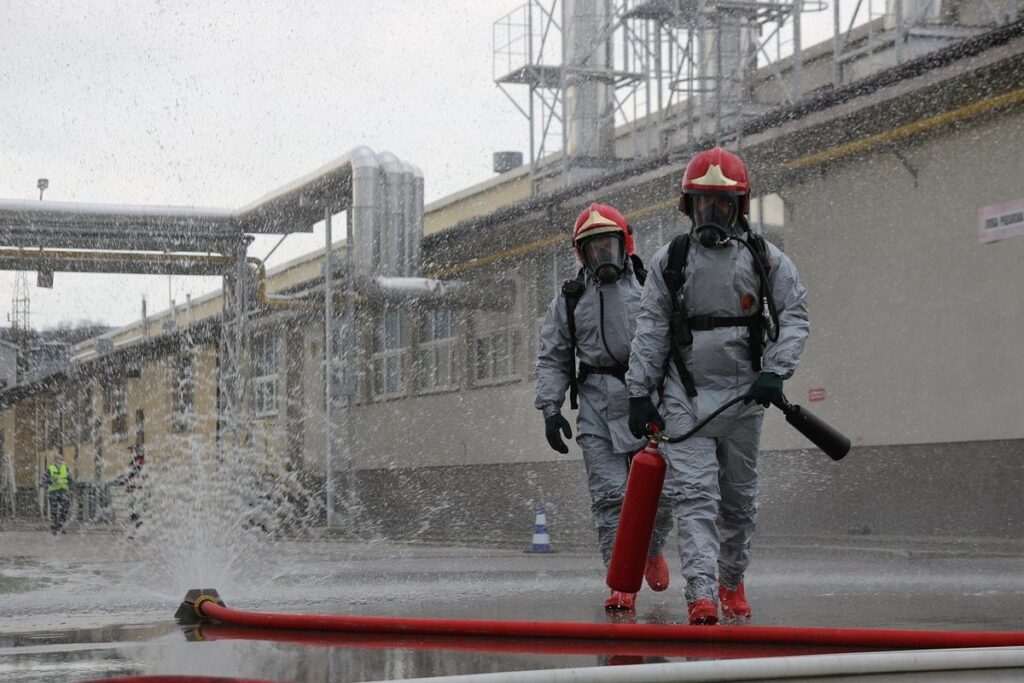
Benefits of Using Ammonia in Poultry Houses
Using ammonia in poultry houses can have several benefits, including improved egg production and reduced disease transmission among birds. Let’s take a closer look at these advantages.
Advantages for Broiler Flocks
Using ammonia in poultry houses has been found to have numerous advantages for broiler flocks. One of the primary benefits is its ability to control pests, such as rodents and insects, that can be detrimental to a flock’s health and productivity. Ammonia vapors are particularly effective at repelling these unwanted visitors, creating an environment that’s less conducive to infestation.
In addition to pest control, ammonia has been shown to reduce disease prevalence in broiler flocks. This is largely due to its antimicrobial properties, which help inhibit the growth of pathogens such as Salmonella and E. coli. By maintaining optimal ammonia levels, poultry farmers can significantly minimize the risk of disease outbreaks.
Research suggests that an optimal ammonia level for these benefits falls between 10-20 parts per million (ppm). When maintained within this range, broiler flocks can also experience improved growth rates due to enhanced feed efficiency and overall well-being. This is particularly beneficial in high-density environments where disease transmission is more likely.
Cost-Effective Solution for Small-Scale Farmers
For small-scale farmers who cannot afford expensive pest control methods, using ammonia can be a cost-effective solution to manage pests in their poultry houses. Ammonia is a natural and non-toxic substance that can help eliminate mites, lice, and other external parasites that can harm chickens.
Many small-scale farmers have successfully implemented ammonia-based pest control systems in their coops. For instance, a study by the University of California found that using ammonia to manage poultry pests resulted in a significant reduction in parasite infestations, ultimately improving egg production and overall flock health.
To use ammonia effectively as a cost-effective solution, it’s essential to follow proper guidelines. Mix 1-2 cups of household ammonia with 1 gallon of water and spray it around the coop, paying attention to areas where pests are most active. However, be sure to ventilate the area well to avoid ammonia buildup.
Small-scale farmers can also consider using a combination of ammonia and other natural pest control methods for enhanced effectiveness. By implementing these cost-effective solutions, small-scale farmers can maintain healthy flocks without breaking the bank.
The Importance of Ammonia in Egg Production
Ammonia plays a crucial role in maintaining clean and healthy living conditions for your flock, which is essential for egg production. Let’s dive into why ammonia is vital for coop management.
Maintaining Cleanliness and Hygiene
Maintaining Cleanliness and Hygiene is Crucial for Egg Production Environments
As we discussed earlier, ammonia plays a vital role in maintaining cleanliness and hygiene within egg production environments. Its presence helps reduce the risk of disease outbreaks by controlling bacterial growth and preventing the spread of pathogens. Ammonia’s antimicrobial properties allow it to effectively eliminate salmonella and E. coli bacteria that can contaminate eggs and pose serious health risks to both humans and animals.
In addition to its antimicrobial properties, ammonia also helps control odors and moisture levels within coops. When droppings are high in nitrogen content, they release ammonia gas as they break down. If left unmanaged, this can lead to a buildup of ammonia fumes that can cause respiratory issues in birds and humans alike. However, by maintaining optimal ammonia levels, you can prevent the spread of disease-causing bacteria and maintain a healthier coop environment.
To effectively utilize ammonia for cleanliness and hygiene, ensure your coop’s ventilation system is functioning properly. This will allow ammonia to escape from the coop while preventing it from building up to toxic levels. Regularly monitoring ammonia levels, droppings, and feed intake will also help you maintain an optimal balance within your coop.
Improved Air Quality for Healthy Birds
When ammonia is present in coops at optimal levels, it plays a crucial role in maintaining healthy air quality for birds. One of its primary functions is to eliminate airborne pathogens that can cause disease and discomfort among flock members. By killing bacteria, viruses, and fungi, ammonia helps prevent the spread of diseases such as respiratory issues and coccidiosis.
In addition to eliminating pathogens, optimal ammonia levels also ensure that oxygen levels remain at a healthy balance within the coop. When there is an overabundance of nitrogen-rich waste, it can lead to low oxygen levels, causing birds to become lethargic and stressed. Ammonia helps break down these wastes into a form that’s less likely to contribute to this issue.
To promote healthy bird development, ammonia helps maintain a stable environment within the coop. This stability is essential for optimal growth, energy production, and overall well-being in birds. By keeping air quality under control, you’re creating an environment where your flock can thrive.
Potential Dangers of Ammonia in Coops
When it comes to ammonia levels in your coop, you need to be aware of the potential risks they pose to both you and your flock’s health. High ammonia can lead to serious respiratory issues.
Health Risks to Humans and Animals
When it comes to ammonia levels in coops, it’s essential to understand the potential health risks associated with its exposure. Prolonged exposure to ammonia can lead to severe respiratory issues, including difficulty breathing, wheezing, and coughing, even for people who are generally healthy. In fact, studies have shown that long-term exposure to high levels of ammonia can cause permanent damage to lung tissue.
For humans, skin irritation is another common issue caused by ammonia exposure. If you come into contact with ammonia, whether through direct splashing or indirect inhalation, it can cause redness, itching, and even burns on the skin. Animals are also susceptible to these effects, particularly those that spend extended periods in areas with high ammonia levels.
To avoid these risks, always wear protective gear when handling cleaning products or entering an area with elevated ammonia levels. Ensure good ventilation by opening windows or using fans to circulate air. Regularly monitoring and maintaining a healthy ammonia level is crucial for both human and animal safety.
Environmental Concerns and Regulations
Excessive ammonia use can have devastating effects on the environment. One of the primary concerns is water pollution. When ammonia-laden manure and wastewater from coops are released into nearby water sources, they can cause significant harm to aquatic ecosystems. Ammonia’s high nitrogen content promotes excessive algae growth, leading to eutrophication – a process where oxygen levels in the water drop drastically due to decaying organic matter.
Relevant regulations aim to mitigate these risks by setting guidelines for responsible ammonia usage in coops. For instance, the EU’s Nitrates Directive regulates the application of manure and slurry as fertilizers to prevent water pollution from agricultural activities. Similarly, the US Environmental Protection Agency (EPA) sets limits on nitrogen discharge levels from agricultural operations.
To maintain environmental sustainability, it’s essential to implement best practices in ammonia management. This includes using nitrogen-rich fertilizers judiciously, monitoring water quality regularly, and exploring alternative manure treatment methods that reduce ammonia emissions.
Effective Use of Ammonia: Best Practices
When handling ammonia, it’s crucial to follow best practices to minimize risks and maximize benefits for your flock’s health. This section will guide you through safe and effective use of ammonia in coops.
Monitoring and Maintenance
Monitoring ammonia levels is crucial to maintain a healthy coop environment. Regular checks can help prevent the buildup of toxic ammonia gas, which can lead to respiratory problems and even death for birds. To identify potential issues, look out for signs such as discolored droppings, unusual odors, or lethargic behavior in your flock.
To address these problems, ensure that your coop is well-ventilated, with adequate airflow to dissipate ammonia gases. Remove soiled bedding regularly and replace it with fresh material. Monitor the moisture level of the bedding, as high humidity can lead to increased ammonia production.
Additionally, consider using a droppings management system or deep litter method to reduce waste accumulation and minimize ammonia levels. Keep an eye on temperature fluctuations, as extreme heat can accelerate bacterial growth and increase ammonia production. By staying vigilant and taking prompt action when needed, you can maintain optimal ammonia levels and create a safe, healthy environment for your birds.
Safe Storage and Handling
When handling ammonia in coops, safety should be your top priority. To avoid accidents and potential harm, follow these safe storage and handling practices.
Firstly, store ammonia in a well-ventilated area, away from heat sources and direct sunlight. Ensure the container is tightly sealed when not in use to prevent spills or leaks. Label the containers clearly with their contents and any warnings or hazards associated with them.
When using equipment such as pumps, hoses, or sprayers, ensure they are specifically designed for ammonia handling and follow the manufacturer’s guidelines. Regularly inspect your equipment for signs of damage or wear.
Wear protective gear at all times when handling ammonia, including gloves, safety goggles, a face mask, and coveralls. These will shield you from skin and eye irritation, as well as inhalation risks.
In case of an accidental release or exposure, evacuate the area immediately and follow emergency procedures. If someone has been exposed, flush their eyes with water for at least 15 minutes and seek medical attention if symptoms persist.
Case Studies: Successful Implementations of Ammonia Use
Let’s take a look at real-life examples where ammonia use has been implemented successfully, highlighting key lessons learned and best practices to adopt in your own coop. We’ll examine several case studies up close.
Large-Scale Commercial Operations
In large-scale commercial operations, ammonia is a crucial component for maintaining optimal bird health and productivity. A notable example is the poultry farm in the UK’s East Anglia region, which implemented an ammonia-based ventilation system to improve air quality within their facilities. The result was a significant reduction in respiratory issues among their birds, leading to improved overall health and increased egg production.
One of the key factors contributing to this success story was the farm’s ability to monitor and control ammonia levels closely. This involved regular testing of ammonia concentrations and adjustments to ventilation rates as needed. By striking the right balance between ammonia supply and removal, the farm ensured that their birds were not exposed to excessive levels of the gas.
Another important consideration in large-scale commercial operations is managing the risks associated with ammonia use. For instance, the risk of ammonia spills or leaks can be mitigated through proper training of staff and regular maintenance of equipment. By addressing these challenges proactively, farms like this one are able to reap the benefits of ammonia use while minimizing potential dangers.
Small-Scale Sustainable Farming Practices
Small-scale sustainable farming practices are revolutionizing the way we think about ammonia use in poultry coops. These innovative approaches not only reduce environmental impact but also improve overall efficiency and animal welfare. One such practice is using anaerobic digesters to convert manure into biogas, which can be used as a fuel source for heating or electricity generation.
Another approach is integrating cover crops and crop rotation systems, where ammonia-rich fertilizer applications are optimized based on soil type and crop requirements. This not only reduces waste but also sequesters carbon in the soil, mitigating climate change.
In terms of potential applications, these small-scale sustainable farming practices can be scaled up for use in large commercial poultry operations. For example, integrating anaerobic digesters into existing coop infrastructure could provide a significant reduction in energy costs and greenhouse gas emissions. As you consider implementing more eco-friendly methods in your own operation, remember to research local regulations and feasibility studies before making any changes.
Conclusion: Balancing Benefits and Risks of Ammonia Use
Now that we’ve weighed the pros and cons, let’s summarize our key takeaways on balancing the benefits and risks of ammonia use in your coop. Here are the crucial points to consider.
Summary of Key Points
To sum up, we’ve discussed the crucial role ammonia plays in maintaining optimal health for our feathered friends and explored its potential risks when not managed properly. We’ve seen that ammonia levels can quickly become too high if not monitored, leading to respiratory issues and other problems.
Let’s review some of the key takeaways from this article: Ammonia is a natural byproduct of bird metabolism and essential for maintaining healthy lungs. A balanced environment with proper ventilation is crucial for preventing ammonia buildup. Monitoring ammonia levels regularly can help you catch potential issues before they become severe. Implementing strategies such as increased air exchange, better bedding materials, and regular cleaning are all effective ways to maintain a safe ammonia level in your coop.
To manage ammonia effectively, remember to always keep an eye on your birds’ behavior for signs of discomfort or distress. Regularly check ammonia levels with a reliable testing kit and make adjustments as necessary. By being proactive about maintaining optimal air quality, you’ll create a healthy environment that supports the well-being of your flock.
Future Directions for Research and Development
As we conclude our exploration of ammonia’s role in poultry houses, it’s clear that this topic is far from settled. The importance of ammonia in maintaining coop health cannot be overstated, yet its potential dangers also warrant continued research and development.
In the coming years, we can expect significant advancements in ammonia management systems, aiming to optimize ventilation rates while minimizing waste and emissions. For instance, some poultry producers are already experimenting with advanced sensors that monitor NH3 levels in real-time, allowing for more precise adjustments to their ventilation strategies.
Additionally, scientists may uncover new ways to reduce the environmental impact of ammonia use. This could involve the development of novel cleaning agents or alternative disinfectants that are safer and more effective than traditional ammonia-based solutions.
Ultimately, a multidisciplinary approach will be essential in driving innovation in this area. Collaboration between farmers, engineers, and researchers can help identify areas for improvement and develop practical solutions to address the risks associated with ammonia use in poultry houses.
Frequently Asked Questions
How can I ensure safe handling and storage of ammonia in my poultry house?
When storing and handling ammonia, it’s essential to take precautions to avoid accidents and exposure risks. Wear protective gear such as gloves, goggles, and a face mask when handling ammonia, and store containers in well-ventilated areas away from heat sources or ignition points.
What are some common pests that can be effectively controlled using ammonia vapors?
Ammonia is known to repel and kill various pests like rodents (mice, rats), insects (flies, beetles, mites), and wild birds. By incorporating ammonia into your coop management routine, you can minimize pest-related stress on your flock.
Can I use ammonia in conjunction with other cleaning methods to maintain cleanliness and hygiene?
Yes, using ammonia as part of a multi-step cleaning process can be an effective approach. Combine ammonia vapors with physical cleaning, disinfection, and regular waste removal to create a comprehensive plan for maintaining cleanliness and hygiene in your poultry house.
How do I monitor the effectiveness of ammonia use in my coop, especially regarding air quality improvements?
Monitor temperature, humidity levels, and ammonia concentrations regularly using data loggers or sensors. Additionally, observe changes in bird behavior, health, and egg production to gauge the impact of ammonia on air quality and overall flock well-being.
What are some key considerations for implementing ammonia use in small-scale sustainable farming practices?
When introducing ammonia into your small-scale farm’s management routine, prioritize controlled dosing, regular monitoring, and careful record-keeping. Regularly review and adjust your plan to optimize ammonia use while minimizing potential risks to human health, animal welfare, and the environment.