
Raising healthy guinea fowl keets requires more than just feeding them well. A crucial aspect of their development is maintaining an optimal temperature environment, which can be a challenge for many bird keepers. As these adorable birds grow from fluffy keets to active adults, they need a precise balance of heat to thrive. But what’s the ideal temperature range for guinea fowl keets? And how do you avoid common mistakes that can affect their growth and health? In this article, we’ll delve into the world of guinea fowl keet temperature, covering everything from brooding to adulthood. We’ll explore the importance of temperature in their development, discuss the ideal temperature ranges for different stages, and provide practical tips on how to create a healthy environment for your guinea fowl keets.
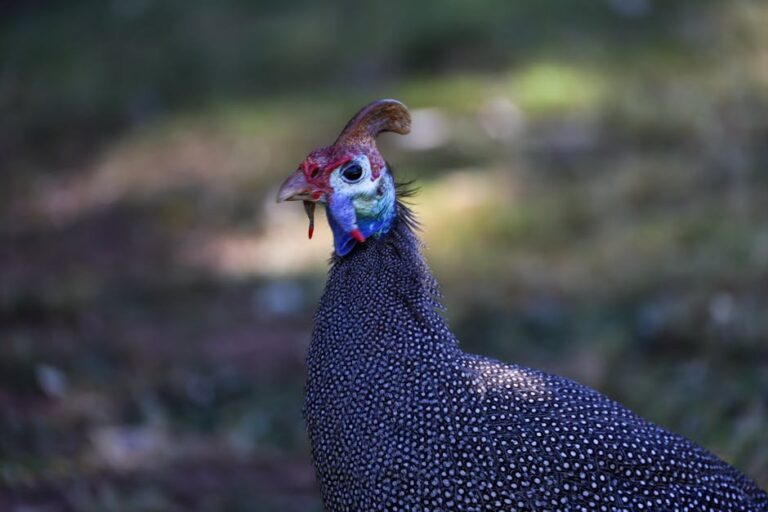
Understanding Guinea Fowl Keets and Their Needs
To raise healthy guinea fowl keets, it’s crucial to understand their specific needs and characteristics, which can vary from those of chickens. Let’s dive into the unique aspects of guinea fowl keet care.
Importance of Proper Temperature for Guinea Fowl Keets
When it comes to raising guinea fowl keets, proper temperature control is not just a nicety – it’s an absolute must. The ideal temperature range for these young birds is between 90°F and 95°F (32°C to 35°C), with a slight drop at night to around 80°F to 85°F (27°C to 29°C). But why is this so crucial?
Firstly, the growth rate of guinea fowl keets can be significantly impacted by temperature fluctuations. When they’re too hot or too cold, their metabolism slows down, and their energy reserves are depleted. This can lead to stunted growth, reduced egg production (if you’re raising females for meat), and a weakened immune system. On the other hand, maintaining a stable temperature within this optimal range ensures that your keets develop at a healthy pace.
Moreover, improper temperature control can also expose guinea fowl keets to various health risks. For instance, sudden drops in temperature can cause respiratory problems, while prolonged exposure to extreme heat can lead to heat stress and even death. By ensuring the perfect temperature balance, you’ll be protecting your flock from these potential threats and giving them the best possible start in life.
Ideal Temperature Ranges for Guinea Fowl Keets
When it comes to keeping guinea fowl keets healthy and thriving, maintaining an optimal temperature range is crucial. The ideal temperature for guinea fowl keets varies depending on their stage of development.
For brooding (the first 4-6 weeks), a consistent temperature between 90°F and 95°F (32°C to 35°C) is essential. This allows the keets to grow rapidly without getting too stressed. At this stage, it’s also vital to provide a temperature gradient, allowing keets to move between hot and cooler areas to regulate their body temperature.
As the keets transition from brooding to growing (around 6-12 weeks), you can gradually decrease the temperature by about 5°F (3°C) every week. This helps prevent overheating and promotes healthy growth. By the time they reach adulthood, guinea fowl keets can tolerate a wide range of temperatures between 40°F (4°C) and 80°F (27°C). However, during extreme cold or heat waves, provide extra care to ensure their well-being.
To achieve optimal temperature ranges, consider investing in a reliable thermometer and providing adequate ventilation. Regular monitoring will help you make necessary adjustments to keep your keets comfortable and healthy throughout the year.
Brooder Temperature Requirements
To raise healthy guinea fowl keets, you’ll need to understand the ideal temperature range for their brooder and how it affects their development. We’ll break down the specifics here.
Importance of Maintaining a Consistent Brooder Temperature
Maintaining a consistent brooder temperature is crucial for guinea fowl keets during their initial stages of growth. A stable environment allows them to develop properly, which is essential for their overall health and survival. If the temperature fluctuates, it can lead to stress, and in extreme cases, even death.
Guinea fowl keets are sensitive to temperature changes, especially during the first few weeks of life. They need a brooder temperature that ranges from 90°F to 95°F (32°C to 35°C) for optimal growth. If the temperature drops or rises significantly, it can disrupt their metabolism and affect their ability to grow.
To maintain a consistent brooder temperature, you’ll want to use a heat source such as heat lamps or ceramic heat emitters, combined with ventilation to prevent overheating. Monitor the temperature closely using a thermometer and adjust the heat source accordingly. This will help create an environment that promotes healthy growth and development in your guinea fowl keets.
Optimal Brooder Temperature Settings for Guinea Fowl Keets
When it comes to setting the optimal brooder temperature for guinea fowl keets, there are several factors to consider. The first is the light source used within the brooder, as this can greatly impact the heat and comfort levels of the young birds. It’s recommended to use a heat lamp or ceramic heat emitter, which emit infrared radiation that warms the birds directly.
However, it’s essential to ensure proper ventilation in the brooder to prevent overheating and maintain a healthy environment for the guinea fowl keets. A general rule of thumb is to provide 1-2 square feet of floor space per bird, with adequate airflow through vents or windows to allow heat to escape. This can be achieved by placing the brooder near a window or using a vented roof.
For optimal temperature settings, aim for a range of 90-95°F (32-35°C) during the first week, gradually decreasing it by 5-10°F (3-6°C) each subsequent week until the keets are around 4 weeks old. It’s also crucial to monitor temperature readings with a thermometer and make adjustments as needed to maintain a comfortable environment for your guinea fowl keets.
Transitioning to Cooler Temperatures
As your guinea fowl keets grow and mature, they’ll need guidance on adjusting to cooler temperatures. Learn how to transition them smoothly into fall’s chillier months.
Signs That Guinea Fowl Keets Are Ready for Cooler Temperatures
As you prepare to transition your guinea fowl keets from their warm brooder environment to a cooler setting, it’s essential to observe their behavior and physical changes to ensure they’re ready for the change. One of the primary indicators is their feather growth. Keets typically grow their first set of feathers around 4-6 weeks old, which helps regulate their body temperature.
Start monitoring your keets’ behavior and feather development closely around this age. Notice if they appear more active, energetic, or show a reduced need for heat sources like brooder lamps. A decrease in panting and labored breathing can also signal readiness for cooler temperatures. Additionally, inspect the keets’ feathers; a full covering of soft, fluffy plumage indicates they’re able to manage their body temperature effectively.
When you notice these signs, begin gradually introducing your keets to cooler environments. Start by reducing the brooder’s heat source and monitoring their response closely. If everything seems normal, you can make further adjustments to achieve an optimal temperature for your guinea fowl flock.
Gradual Temperature Reduction Strategies for Guinea Fowl Keets
As you prepare to transition your guinea fowl keets from their brooder to a more natural environment, it’s essential to gradually reduce the temperature to avoid shocking them. Sudden changes can be stressful and even lead to health issues. Here are some strategies for gentle temperature reduction:
* Start by lowering the temperature by 1-2°F (0.5-1°C) every few days until you reach your desired range.
* Monitor your keets’ behavior, adjusting the temperature accordingly. If they seem uncomfortable or stressed, slow down the cooling process.
* Increase ventilation in the coop to prevent drafts and ensure a stable environment. Aim for at least 1 square foot of ventilation per keet.
* Provide plenty of water and a balanced diet to help them acclimate to the new temperatures.
When introducing cooler temperatures, it’s crucial to observe your keets’ behavior closely. Watch for signs of stress, such as panting, lethargy, or huddling together. If you notice any adverse reactions, reassess your temperature reduction plan and make adjustments accordingly.
Common Mistakes to Avoid When Managing Temperature
Managing temperature for guinea fowl keets can be tricky, and making a few crucial mistakes can have serious consequences for their health and development. Don’t let these common errors catch you off guard!
Overheating and Underheating Risks for Guinea Fowl Keets
When managing temperature for guinea fowl keets, it’s essential to be aware of the risks associated with overheating and underheating. Both extremes can lead to serious health problems and impact growth.
Overheating can cause heat stress, which may lead to dehydration, panting, and even organ failure in extreme cases. Guinea fowl keets are more susceptible to heat stress due to their compact feathers, which trap heat rather than provide insulation. If you notice your keets panting excessively or seem lethargic, it’s crucial to take immediate action by providing shade, increasing ventilation, and ensuring access to plenty of fresh water.
On the other hand, underheating can cause hypothermia, leading to weak muscles, poor appetite, and reduced growth rates. Guinea fowl keets require a consistent temperature range between 90°F and 95°F (32°C and 35°C) for optimal growth and development. It’s essential to maintain this temperature range in the brooder, especially during the first few weeks of life.
Keep an eye out for signs of overheating or underheating, such as labored breathing, lethargy, or loss of appetite. Monitor your keets’ environment closely and adjust temperatures accordingly to ensure their health and well-being.
Best Practices for Monitoring Temperature and Humidity Levels
Monitoring temperature and humidity levels is crucial for maintaining a healthy environment for your guinea fowl keets. To do this effectively, it’s essential to invest in a reliable digital thermometer that can provide precise readings. Look for one with a probe or sensor that can be placed close to the keet’s brooding box or enclosure.
You should also consider purchasing a hygrometer to measure humidity levels. Aim for a range of 50-60% relative humidity, as this is considered optimal for guinea fowl keets. Be aware that humidity levels above 70% can lead to respiratory issues and other health problems.
To take accurate readings, place the thermometer and hygrometer in the same location each time you check them. This will help you track any changes or fluctuations in temperature and humidity levels over time. Remember to record your readings regularly so you can make informed decisions about making adjustments to your keet’s environment as needed.
Tips for Managing Temperature During Extreme Weather Conditions
When dealing with extreme weather, it’s essential to know how to regulate your guinea fowl keet’s temperature to prevent heat stress and keep them healthy. Here are some expert tips for managing temperature during harsh conditions.
Preparing Guinea Fowl Keets for Summer Heat Waves
As summer heat waves approach, it’s crucial to prepare your guinea fowl keets for the scorching temperatures. A sudden change in environment can be overwhelming for young keets, so it’s essential to take proactive steps to ensure their comfort and safety.
Firstly, acclimate your keets to outdoor conditions gradually by introducing them to sunlight and heat over a period of days or weeks. Start with short exposure periods and increase the duration as they become more tolerant. Provide shade, especially during peak hours when the sun is at its strongest.
Maintain a cool environment by ensuring adequate ventilation in their coop or enclosure. Use vents, windows, or fans to circulate air and keep temperatures stable. A temperature range of 60-70°F (15-21°C) is ideal for keets, so ensure their living space remains within this range.
Lastly, monitor your keets’ behavior closely during heat waves, as they may exhibit signs of distress such as lethargy or panting. Keep an eye out for these warning signs and take action promptly to prevent heat-related illnesses.
Strategies for Managing Cold Temperatures During Winter Months
Managing cold temperatures during winter months can be a challenge for guinea fowl keets. As their temperature regulation is still developing, it’s essential to create a warm and draft-free environment to keep them safe. One crucial tip is to maintain the coop at an ideal temperature range of around 90°F to 95°F (32°C to 35°C) during winter months.
To achieve this, you can use heating lamps or ceramic heat emitters specifically designed for poultry coops. Place these near the roosting bars or in a well-ventilated area to prevent overheating and maintain air circulation. Ensure that the temperature drops gradually as the days get warmer, allowing your keets to adapt.
Another vital aspect is to keep the coop draft-free by sealing any gaps or cracks around windows and doors with insulation materials like foam tape or weatherstripping. Regularly inspect the coop for any signs of cold spots or drafts to maintain a consistent environment. By implementing these strategies, you can create a warm and comfortable space for your guinea fowl keets during winter months, reducing the risk of temperature-related stress and disease.
Frequently Asked Questions
How Do I Monitor the Temperature in a Large Brooder?
Monitoring temperature in a large brooder can be challenging, but there are several options available. You can use multiple thermometers placed strategically throughout the brooder to get an accurate reading of the temperature. Additionally, consider investing in a smart thermometer that can connect to your smartphone or computer, allowing you to monitor the temperature remotely.
Can I Use a Heat Lamp for Guinea Fowl Keets, and If So, How Do I Safely Place It?
Yes, you can use a heat lamp for guinea fowl keets, but it’s essential to place it safely to avoid overheating. Position the heat lamp at least 2-3 feet above the birds, and ensure that it’s not touching any flammable materials. You should also consider using a guard or reflector to direct the heat downwards.
What Are Some Common Mistakes to Avoid When Transitioning Guinea Fowl Keets from a Brooder to Cooler Temperatures?
Some common mistakes to avoid when transitioning guinea fowl keets from a brooder to cooler temperatures include sudden temperature drops, inadequate ventilation, and insufficient nutrition. Gradually reduce the temperature over several days, ensure proper ventilation, and provide a balanced diet rich in calcium for strong bone growth.
How Often Should I Check the Temperature and Humidity Levels in My Brooder?
It’s essential to regularly check the temperature and humidity levels in your brooder, especially during extreme weather conditions. Aim to check the temperature at least twice a day, and adjust as necessary to maintain an optimal environment for your guinea fowl keets.
Can I Raise Guinea Fowl Keets Indoors During Winter Months?
While it’s technically possible to raise guinea fowl keets indoors during winter months, it may not be the most ideal solution. Indoor environments can be prone to drafts and temperature fluctuations, which can stress the birds and lead to health issues. If you do choose to raise them indoors, ensure that your home is well-insulated, and consider using a brooder with built-in ventilation.