
Mud management around your coop can be a real challenge. If you’re like many backyard chicken keepers, you’ve probably dealt with muddy messes, dirty birds, and the frustration that comes with it. But mud isn’t just a nuisance – it can also have serious consequences for your flock’s health and well-being. When coops become muddy, they create an ideal breeding ground for disease-carrying bacteria and parasites, which can shorten the lifespan of your beloved birds.
In this article, we’ll explore effective strategies for managing mud around your coop, from regular cleaning to seasonal challenges. We’ll also dive into sustainable ecosystem balance tips that will help you maintain a healthy environment for both your chickens and the surrounding area. By the end of this guide, you’ll have a better understanding of how to improve coop hygiene, reduce stress on your birds, and extend their lifespan.
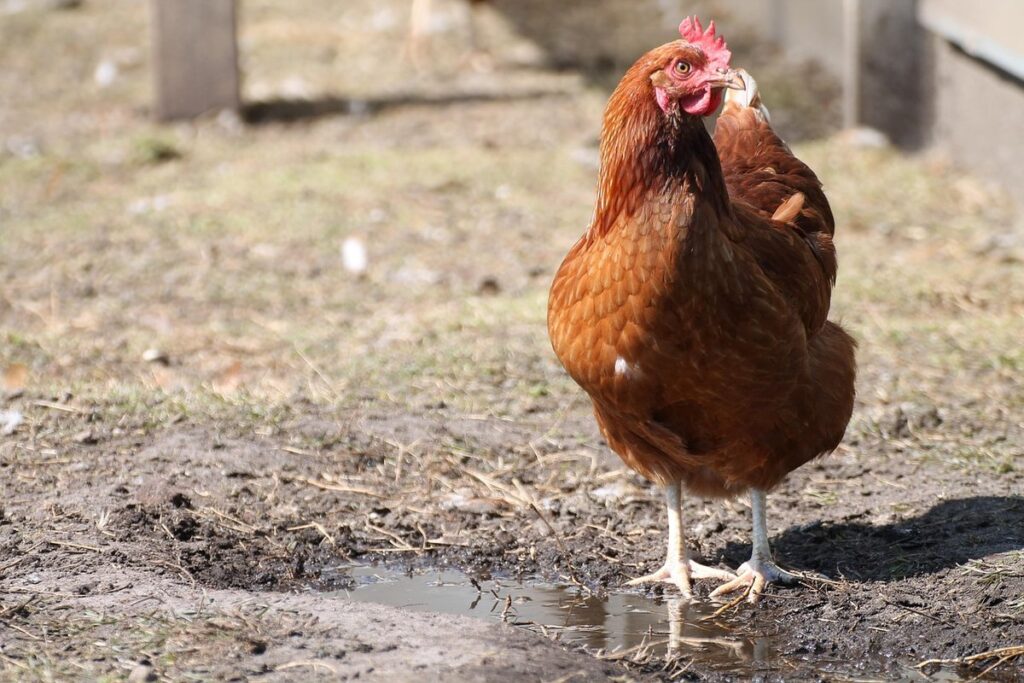
Understanding the Importance of Mud Management
When it comes to managing mud around your chicken coop, understanding its impact on both your birds’ health and your yard’s overall condition is crucial for a happy and thriving backyard flock. Let’s dive into why effective mud management matters.
The Dangers of Unmanaged Mud
Mud around chicken coops can pose serious health risks to both your flock and yourself. One of the primary concerns is disease transmission. When mud is allowed to accumulate, it becomes a breeding ground for bacteria, viruses, and fungi that can cause respiratory problems, eye infections, and skin conditions in chickens. In severe cases, these diseases can lead to fatalities.
Parasites like mites, lice, and fleas thrive in muddy environments, feeding on the blood of infected birds. These external parasites can weaken your flock’s immune system, making them more susceptible to disease outbreaks. Furthermore, mud-soaked feathers can become a vector for transferring bacteria between birds, exacerbating the spread of diseases.
To mitigate these risks, it’s essential to establish regular cleaning and disinfection routines around your coop. Remove excess mud, and replace dirty bedding materials with fresh ones. Regularly inspect your flock for signs of parasites or disease and take prompt action if you detect any issues.
Benefits of Proper Mud Management
When you think about keeping your chickens happy and healthy, mud management is often overlooked. However, it plays a crucial role in maintaining coop hygiene, reducing stress on birds, and even extending their lifespan.
Proper mud management can improve overall coop hygiene by preventing the buildup of bacteria, viruses, and parasites that thrive in damp environments. Dirty floors can harbor diseases like avian cholera and Newcastle disease, which can decimate your flock in a matter of days. Regularly cleaning and disinfecting the coop and replacing dirty bedding with fresh material can prevent this.
By managing mud effectively, you’ll also reduce stress on your birds. Wet, dirty conditions can cause discomfort, anxiety, and even lead to health issues like respiratory problems and skin infections. A clean, dry environment is essential for your chickens’ well-being.
In fact, a study found that well-managed poultry farms reported significantly lower mortality rates among their birds compared to those with poor management practices.
Assessing Your Coop’s Mud Levels
When it comes to mud management, assessing your coop’s current state is crucial for making informed decisions. Let’s dive into how to evaluate and measure mud levels around your chicken coop.
Factors Contributing to Excessive Mud
Excessive mud around your chicken coop can be a significant issue, not only for the health and well-being of your birds but also for maintaining a clean and hygienic environment. Several factors contribute to this problem, which is essential to identify to take corrective measures.
Poor drainage is often one of the primary causes of excessive mud. If water tends to collect in certain areas around the coop or run, it can lead to a muddy mess over time. This might be due to inadequate slope grading, improper installation of gutters and downspouts, or insufficient yard grading. On the other hand, inadequate ventilation within the coop itself can cause moisture buildup inside, which may eventually seep out through the walls and contribute to mud accumulation.
Insufficient nesting material in the coop is another factor that contributes to mud formation. If there’s not enough straw or wood shavings available for your chickens to roost on dry surfaces, they might create a muddy mess by bringing damp feathers onto these areas. Regularly inspecting and maintaining your coop, ensuring proper drainage and ventilation, and providing adequate nesting material can help prevent excessive mud accumulation around the coop.
Measuring the Severity of Mud Issues
To accurately measure the severity of mud issues around your chicken coop, you’ll need to assess both moisture levels and coop conditions. Start by checking for standing water and puddles around the coop, as these can indicate high humidity levels. You can use a moisture meter to get an accurate reading of soil moisture. Look for signs of erosion, such as uneven ground or displaced mulch.
Next, evaluate your coop’s condition. Check for gaps in walls or floors that could be allowing water to seep in and contributing to mud buildup. Consider the coop’s design and whether it’s facilitating mud issues. For example, a sloping roof can direct water towards one area of the coop, increasing the likelihood of mud formation.
A good rule of thumb is to assess your coop on a scale of 1-5, with 1 being minimal mud presence and 5 being severe. Consider factors such as soil type, climate, and animal behavior when assigning a score.
Implementing Effective Mud Management Strategies
Now that you have a basic understanding of mud management, it’s time to dive into implementing effective strategies around your chicken coop. This includes choosing the right coop site and design features.
Improving Drainage and Ventilation
Improving drainage around your chicken coop is crucial to prevent mud buildup and ensure the health and well-being of your chickens. One effective way to achieve this is by installing French drains. These are shallow trenches filled with gravel that allow water to flow away from the coop, reducing the likelihood of puddles forming. To install a French drain, start by digging a shallow trench around the perimeter of the coop, then fill it with compacted gravel.
In addition to French drains, adjusting the slope of the land can also improve drainage. Make sure the coop is situated on a slight incline, allowing water to flow away from the building. You can achieve this by adding or removing soil, depending on the terrain.
Ventilation improvements are equally important for effective mud management. Adding windows to your chicken coop allows fresh air to circulate, reducing moisture buildup and minimizing the risk of ammonia poisoning. Upgrading the roof design can also help improve ventilation, allowing warm air to escape and preventing condensation from forming.
Reducing Water Sources and Nesting Material
When it comes to reducing water sources around your chicken coop, one of the most effective strategies is to thoroughly inspect and fix any leaks. Leaks can occur anywhere from pipes to cracked buckets, so be sure to check all areas where water might be seeping into the ground. Consider investing in a more efficient watering system that won’t drip or leak, such as a gravity-fed watering trough.
Additionally, optimizing nesting material usage is also crucial in minimizing moisture accumulation. Aim for a mix of dry bedding materials like straw and wood shavings to absorb waste and odors effectively. Avoid overusing wet materials like hay or pine shavings, as they can retain water and exacerbate mud problems. Also, consider using nesting boxes with built-in drainage systems or slotted floors to promote airflow and prevent moisture buildup.
By implementing these simple yet effective strategies, you’ll not only reduce the risk of mud accumulation but also create a healthier environment for your chickens to thrive in.
Best Practices for Daily Coop Maintenance
To keep your coop clean and healthy, follow these simple daily habits that’ll make a big difference in mud management. Regular cleaning is key to preventing disease and pest issues.
Regular Cleaning Schedules
Regular cleaning schedules are crucial to maintaining a healthy and safe environment for your chickens. To keep mud levels under control, you’ll need to establish a routine that includes daily, weekly, and monthly tasks.
Daily tasks should focus on quick pick-ups of droppings and debris. Set aside 10-15 minutes each day to remove any visible mess from the coop floor and surrounding areas. This will prevent the buildup of bacteria and ammonia, which can be toxic to your birds. Don’t forget to also clean any feeding and watering equipment daily.
Weekly tasks involve deeper cleaning of the coop. Allocate about an hour to thoroughly scrub the walls and floors with a mild detergent. Also, change the bedding material completely or top it up as needed. Make sure to also inspect the coop’s ventilation system for blockages.
Monthly tasks are essential for maintaining long-term cleanliness. Set aside several hours to power wash the coop, replace any worn-out parts, and perform a thorough inspection of the surrounding area. Regular cleaning schedules will help keep your chickens healthy and happy while minimizing mud buildup around the coop.
Monitoring Mud Levels and Adjusting Plans
Monitoring mud levels around your chicken coop is an ongoing process that requires regular checks and adjustments to prevent health issues and maintain a clean environment. It’s essential to keep an eye on the condition of the run, as changes in weather or increased flock size can quickly lead to muddy conditions.
Daily inspections should include checking for signs of moisture, such as water pooling or mud accumulation, around feeding areas, nesting boxes, and other high-traffic zones. Take note of any changes or issues that arise, as these may indicate a need to adjust your coop management plan.
Adjustments might involve increasing the frequency of cleaning, implementing new drainage solutions, or adjusting your flock’s watering schedule. For example, if you notice excessive mud accumulating in the run due to heavy rainfall, consider installing a French drain system to redirect excess water away from high-risk areas.
Regular monitoring and adjustments will help maintain a healthy coop environment and reduce the risk of disease transmission among your flock. Remember that every coop is unique, so be prepared to adapt your management plan as needed based on changing conditions or new issues that arise.
Managing Seasonal Mud Challenges
When seasonal rainfall hits, mud becomes a persistent problem around your chicken coop. In this section, we’ll explore practical ways to minimize its impact on your flock’s health and well-being.
Spring and Fall Cleaning Needs
As you prepare for spring and fall cleaning around your chicken coop, it’s essential to be aware of the unique mud management challenges that come with these seasonal changes. In the spring, melting snow can create a muddy mess as the ground thaws out. This sudden influx of water can make existing mud puddles larger and more treacherous, increasing the risk of slips and falls in the coop area.
To stay ahead of this challenge, try to clear any debris or leaves from around the coop before spring arrives. Also, ensure that your coop’s drainage system is functioning properly to direct excess water away from the area. In fall, accumulating leaves can create a layer of mud as they decompose. Regularly sweep up fallen leaves and compost them to reduce the amount of organic matter on the ground.
Additionally, consider implementing seasonal mud management strategies, such as applying a mud-repelling coating around entry points or providing alternative paths for your chickens to take to avoid muddy areas. By anticipating these seasonal changes, you can maintain a cleaner and safer environment for your flock.
Summer and Winter Special Considerations
As we navigate through the changing seasons, it’s essential to consider the impact of extreme temperatures on mud management around our chicken coops. During summer and winter months, temperature fluctuations can significantly affect the moisture levels in the coop, leading to either drying out or exacerbating the mud issue.
In the scorching summer heat, high temperatures cause evaporation, quickly drying out the mud, making it crumbly and dusty. This not only creates an unpleasant environment for your chickens but also leads to dust-related health issues. To combat this, consider increasing the frequency of cleaning and maintaining a consistent water source for your flock. Provide extra shade for your coop to reduce direct sunlight exposure.
In contrast, during winter months, cold temperatures slow down evaporation, causing moisture levels to rise. This can lead to an overabundance of mud, creating a slippery and hazardous environment. To mitigate this, ensure proper ventilation in the coop by increasing airflow or installing a dehumidifier to maintain optimal humidity levels. Regularly inspect your coop’s foundation for any signs of water damage or erosion to prevent further complications.
Integrating Mud Management into Your Coop’s Ecosystem
When it comes to creating a thriving coop ecosystem, integrating mud management is crucial for both your chickens’ health and your own peace of mind. Let’s explore some practical strategies to achieve this balance.
Biodiversity and Natural Processes
When it comes to maintaining a healthy ecosystem around your chicken coop, it’s essential to consider the role of beneficial insects, microorganisms, and other wildlife. These tiny creatures play a vital part in breaking down organic matter, suppressing pathogens, and promoting soil fertility.
Beneficial insects like ground beetles, springtails, and ants are naturally attracted to muddy areas where food is abundant. By allowing these insects to thrive, you’re creating a balanced ecosystem that’s less prone to disease and pests. Microorganisms, such as beneficial bacteria and fungi, also break down organic matter, reducing the risk of anaerobic conditions that can lead to toxic gases.
To encourage the presence of these beneficial organisms, focus on creating a diverse landscape around your coop. Plant native vegetation, incorporate compost or manure tea into your soil management plan, and avoid using pesticides or herbicides. By embracing biodiversity and allowing natural processes to unfold, you’ll create a more resilient and thriving ecosystem that minimizes mud-related issues and promotes overall coop health.
Long-Term Strategies for Sustained Results
To ensure sustained results from mud management around your chicken coop, it’s essential to implement long-term strategies that balance cleanliness with ecological considerations. One approach is to adopt a “mud-friendly” design for your coop and run. This can be achieved by incorporating shallow pools or water features that mimic natural habitats, allowing chickens to engage in natural behaviors while minimizing mud accumulation.
Another key consideration is the creation of a diverse ecosystem around your coop. By planting native vegetation, you can encourage beneficial insects, microorganisms, and wildlife that help break down organic matter. This not only reduces the need for chemical interventions but also creates a balanced environment that supports overall coop sustainability. For instance, incorporating composting toilets or worm farming can convert waste into nutrient-rich fertilizer, further reducing your reliance on external resources.
By integrating these long-term strategies, you can create a harmonious balance between mud management and ecological considerations, ultimately leading to a more sustainable and resilient chicken-keeping operation.
Frequently Asked Questions
What’s the best way to balance regular cleaning with the need for a sustainable ecosystem around my coop?
Regular cleaning is crucial, but overdoing it can disrupt the natural balance of your yard. Aim for a balance by focusing on areas where mud accumulates most and implementing strategies that promote healthy drainage and biodiversity.
How do I prevent water from accumulating near my coop in heavy rainfall situations?
To minimize water accumulation during heavy rainfall, ensure your coop’s location is slightly elevated and has proper drainage systems in place. You can also consider installing a roof or canopy to direct rainwater away from the area.
Can I use natural methods like diatomaceous earth or lime to control mud and pests around my coop?
Yes, using natural methods like diatomaceous earth or lime can be effective for controlling mud and pests. However, ensure you follow proper application guidelines to avoid harming your birds or contaminating the environment.
What’s a good way to maintain coop ventilation during humid or cold weather conditions?
To maintain adequate ventilation in humid or cold weather, make sure your coop has adequate airflow by installing windows, vents, or mesh screens. Regularly inspect and clean these areas to prevent moisture buildup and bacterial growth.
How often should I adjust my mud management plan based on seasonal changes?
Monitor your coop’s mud levels regularly and adjust your plan accordingly. For example, during spring and fall, when temperatures are mild and rainfall is more frequent, you may need to increase cleaning frequency or implement additional measures to control water accumulation.