
As a backyard breeder or commercial farmer, you’re likely no stranger to the challenges of maintaining healthy flocks. One critical concern for quail enthusiasts is quail coccidiosis, a common and potentially devastating disease that can wreak havoc on your birds’ health. Quail coccidiosis causes include exposure to contaminated environments, poor hygiene, and inadequate nutrition – symptoms may range from mild lethargy to life-threatening anemia. It’s essential to take proactive steps in preventing this condition to protect the well-being of your quails. In this article, we’ll delve into the causes, symptoms, treatment options, risk factors, prevention measures, and effective management strategies for quail coccidiosis, empowering you with the knowledge necessary to safeguard your flock’s health and ensure a thriving breeding or farming operation.
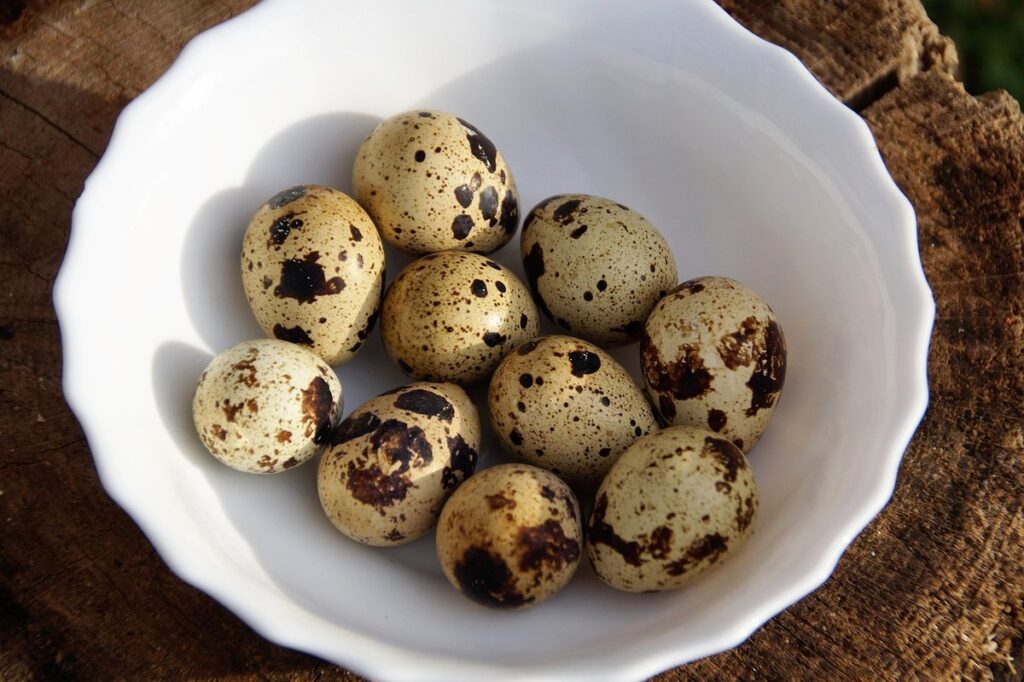
Causes and Risk Factors of Quail Coccidiosis
Quail coccidiosis is a complex disease, so let’s break down its underlying causes: nutritional deficiencies, stress, and poor sanitation all play a significant role. These factors can significantly increase the risk of infection.
Definition and Overview of Quail Coccidiosis
Quail coccidiosis is a significant health issue affecting quail flocks worldwide. It’s essential to understand this condition to provide proper care and management for your birds. Quail coccidiosis is caused by the parasite Eimeria, which infects the quail’s intestinal lining, leading to severe gastrointestinal problems.
The effects of quail coccidiosis are multifaceted and can be fatal if left untreated. Infected quails may exhibit symptoms such as diarrhea, lethargy, weight loss, and a decrease in egg production. In some cases, quails may even die due to the severity of the infection.
It’s crucial to recognize that quail coccidiosis is not contagious among birds but can be spread through contaminated feed, water, or equipment. Factors such as poor sanitation, inadequate ventilation, and overcrowding can also contribute to the development of this condition. By understanding the causes and effects of quail coccidiosis, you can take proactive steps to prevent its occurrence and ensure a healthy environment for your quails.
To effectively manage quail coccidiosis, it’s vital to maintain a clean and well-ventilated coop, disinfect all equipment regularly, and implement proper husbandry practices. This includes providing fresh water, a balanced diet, and ensuring adequate space per bird.
Transmission and Spread of Quail Coccidiosis
Quail coccidiosis is primarily spread through various means that allow infected quails to shed oocysts, which are then ingested by other birds. One of the most significant modes of transmission is through contaminated feces. Infected quails can excrete large quantities of oocysts in their droppings, which can persist on the ground for extended periods.
In addition to fecal contamination, feed can also be a conduit for transmission. If infected quail manure comes into contact with grain or other food sources, it can become contaminated with oocysts. This is especially concerning during harvesting and storage processes when feeds are often handled extensively. Infected birds may also shed oocysts in their saliva and urine, which can lead to direct contact transmission.
To mitigate the spread of quail coccidiosis, it’s essential for farmers to maintain strict sanitation and hygiene practices within their facilities and surrounding areas. Regular cleaning and disinfection of enclosures, feeders, and other equipment are critical steps toward reducing oocyst shedding and minimizing infection risk.
Identifying Quail Breeds Prone to Coccidiosis
When it comes to quail breeds prone to coccidiosis, genetics and breed characteristics play a significant role. Research has shown that certain breeds are more susceptible to this disease due to their genetic makeup. For instance, Japanese Quails are known to be highly sensitive to coccidiosis, likely due to their compact body size and high metabolism rate.
On the other hand, Coturnix Quails appear to be less resistant to coccidiosis, possibly because of their larger body size and slower growth rate. It’s essential for breeders to consider these factors when selecting quail breeds, as some may require more stringent management practices to prevent the spread of this disease.
Some key characteristics that increase a quail breed’s risk of developing coccidiosis include:
• High growth rates: Breeds that grow rapidly are more susceptible to coccidiosis due to their increased metabolism.
• Compact body size: Smaller breeds may have a harder time fighting off infections due to their reduced immune system capacity.
• Stress tolerance: Quails that can’t handle stress well are more likely to develop coccidiosis.
By understanding these breed-specific risk factors, quail enthusiasts and breeders can take proactive steps to minimize the occurrence of coccidiosis in their flocks.
Symptoms and Diagnosis of Quail Coccidiosis
Quail coccidiosis can be a challenging condition to diagnose, which is why recognizing its common symptoms is crucial for timely intervention. Knowing what to look out for will help you identify this issue in your birds.
Common Symptoms of Quail Coccidiosis
Quail coccidiosis can be difficult to diagnose in its early stages, but there are some common symptoms to look out for. If you suspect that your quails have contracted the disease, here are some of the recognizable signs to watch for:
Diarrhea is one of the most obvious indicators of quail coccidiosis. Affected birds may pass loose or watery droppings, and their litter boxes may become filled rapidly. Weight loss is another common symptom, as infected birds often have trouble absorbing nutrients from their food.
In addition to diarrhea and weight loss, lethargy can also be a telltale sign of quail coccidiosis. Infected birds may appear listless or depressed, with decreased activity levels and a lack of interest in food and water. Other symptoms include labored breathing, ruffled feathers, and an overall decline in the bird’s physical condition.
If you notice any of these symptoms in your quails, it’s essential to take action promptly to prevent further complications and ensure their health. By recognizing the common indicators of quail coccidiosis early on, you can take proactive steps to manage the disease effectively.
Diagnostic Tests for Quail Coccidiosis
Confirming the presence of coccidiosis in quails often requires a combination of diagnostic tests. Fecal exams are one of the most common methods, where a sample of droppings is collected and examined for oocysts, the parasite’s eggs. This can be done through direct fecal examination or flotation techniques to increase sensitivity. A high number of oocysts per gram (OPG) often indicates an infection.
Blood tests, on the other hand, measure antibodies produced by the quail’s immune system in response to the coccidial infection. These tests are particularly useful for detecting chronic infections and can provide a more accurate picture of the parasite load. However, they may not be as sensitive as fecal exams in the early stages of infection.
Post-mortem examinations offer a definitive diagnosis by allowing veterinarians to examine the quail’s internal organs for signs of coccidial damage. This method is typically used when the bird has already succumbed to the disease or if other diagnostic methods are inconclusive. It’s essential to consult with a veterinarian experienced in avian diseases to determine the best course of action and interpret test results accurately.
Challenges in Diagnosing Quail Coccidiosis
Diagnosing coccidiosis in quails can be a daunting task for veterinarians and farmers due to its similar symptoms with other diseases. One of the primary challenges is identifying the disease based on clinical signs alone, as quails infected with coccidiosis may also exhibit symptoms such as diarrhea, weight loss, and lethargy that are common to other conditions.
Another challenge arises from the incomplete or inconclusive results obtained from diagnostic tests. For instance, a fecal flotation test may detect oocysts in a bird’s stool but not confirm their presence, making it difficult for veterinarians to determine the severity of the infection. Similarly, blood work and other laboratory tests may show nonspecific signs of stress or inflammation without pinpointing coccidiosis as the underlying cause.
In such cases, veterinarians may need to conduct additional tests or rely on clinical experience to make an informed diagnosis. This highlights the importance of maintaining accurate records, monitoring bird behavior, and collaborating with experienced professionals to ensure a timely and accurate diagnosis. By acknowledging these challenges, quail farmers can take proactive steps in managing coccidiosis, such as implementing preventative measures, improving biosecurity protocols, and developing contingency plans for potential outbreaks.
Prevention and Control Measures for Quail Coccidiosis
To effectively manage quail coccidiosis, it’s essential to understand and implement prevention and control measures that safeguard your birds’ health. We’ll explore these critical strategies next.
Vaccination Programs Against Quail Coccidiosis
When it comes to managing quail coccidiosis, vaccination programs are a crucial part of prevention and control measures. Several types of vaccines are available, each with its own advantages and disadvantages.
Live vaccines contain live but attenuated (weakened) pathogens that stimulate the bird’s immune system without causing disease. They often provide long-term immunity and can be administered orally or through injection. Killed vaccines, on the other hand, contain inactivated pathogens that trigger an immune response but may require booster shots for continued protection.
Researchers have demonstrated the efficacy of live vaccines in reducing coccidiosis-related mortality rates in quail flocks by up to 90%. In a study published in the Journal of Veterinary Parasitology, a live vaccine showed significant protection against oocyst shedding and tissue damage. However, killed vaccines may be more suitable for broiler operations where disease pressure is high.
It’s essential to choose a vaccine that aligns with your specific quail operation and consult with a veterinarian to determine the best vaccination strategy. Ensure proper storage and handling of the chosen vaccine to maintain its potency and effectiveness.
Biosecurity Practices for Reducing Transmission
Implementing strict biosecurity measures is crucial to preventing the transmission of quail coccidiosis within farms. This involves adhering to proper sanitation and hygiene practices, as well as establishing effective quarantine procedures. For instance, regularly cleaning and disinfecting enclosures, feeders, and waterers helps reduce the risk of coccidiosis spread.
To maintain a clean environment, ensure that droppings are removed daily, and fresh bedding is added. Disinfect high-touch areas, such as doors and feeding troughs, on a regular basis. This not only prevents the buildup of bacteria but also reduces stress among quails, which can weaken their immune systems.
A strict quarantine policy should be implemented when introducing new birds to a flock. Isolate them for 30 days before integrating them with the rest of the population. Monitor their health closely during this period and separate any bird showing signs of illness. This helps prevent the introduction of coccidiosis-causing pathogens into an otherwise healthy flock.
Alternative Methods for Managing Coccidiosis
For many quail farmers, managing coccidiosis can be a daunting task. While traditional treatments and medications are effective, they may not always be the best option due to cost, availability, or potential side effects. Fortunately, there are alternative methods that can help reduce the impact of coccidiosis on your flock.
One promising approach is the use of probiotics and prebiotics. Probiotics are live bacteria and yeasts that are beneficial for digestive health, while prebiotics are non-digestible fibers that feed the good bacteria in the gut. By introducing these beneficial microbes into your quail’s system, you can enhance their natural defenses against coccidiosis. For example, a study on broiler chickens found that supplementation with probiotics reduced mortality rates by 20% and improved weight gain by 15%.
Changes to feeding practices are also crucial in managing coccidiosis. Avoid over-reliance on antibiotics and instead opt for a balanced diet rich in fiber, which can help promote healthy gut bacteria. Additionally, consider implementing a rotation of feed types or providing access to free-range areas where quail can forage for diverse plants and insects.
Treatment Options for Quail Coccidiosis
When it comes to treating quail coccidiosis, you’ll want to consider various methods that can help alleviate symptoms and prevent further infection. Let’s explore some of these treatment options in more detail.
Medications and Treatments for Quail Coccidiosis
When treating quails with coccidiosis, several medications and treatments are available. The most common prescription drugs for coccidiosis in quails include amprolium, sulfaquinoxaline (SQ), and toltrazuril.
Amprolium is often used as a prophylactic measure to prevent coccidiosis outbreaks in quail flocks. It works by inhibiting the growth of Eimeria oocysts in the intestinal tract, thus preventing infection. However, it’s essential to note that amprolium has some side effects, including gastrointestinal upset and diarrhea.
Sulfaquinoxaline (SQ) is another commonly used treatment for coccidiosis in quails. It’s effective against various strains of Eimeria, but its use may be limited due to concerns about antibiotic resistance.
Toltrazuril is a newer treatment option that has gained popularity in recent years. It’s considered safe and has fewer side effects compared to other medications. Toltrazuril targets the Eimeria oocysts directly, making it an effective choice for treating coccidiosis outbreaks.
It’s essential to consult with a veterinarian before administering any medication to ensure the correct diagnosis and treatment plan. Additionally, always follow the recommended dosage and administration guidelines to avoid any adverse reactions.
Nutritional Support for Recovering Quails
As recovering quails regain their strength after treatment for coccidiosis, it’s essential to provide them with a well-balanced diet that promotes optimal health and prevents relapse. Nutritional support is crucial during this period as it helps rebuild their immunity, replenishes lost nutrients, and supports the healing process.
A quail’s digestive system may still be compromised after treatment, making it challenging for them to absorb nutrients from their feed. To overcome this, you can provide a probiotic supplement or prebiotic powder to support gut health and encourage beneficial bacteria growth. For example, adding a probiotic specifically designed for poultry to their water or food can help populate the intestines with good bacteria, aiding in digestion and nutrient absorption.
In addition to probiotics, consider increasing the protein content of their feed to promote muscle recovery and tissue repair. Quails require about 15-20% protein in their diet, so ensure that you’re providing a high-quality commercial quail feed or mix that meets these nutritional requirements. You can also supplement with fruits and vegetables rich in antioxidants and vitamins, such as leafy greens, carrots, and sweet potatoes, to support overall health and well-being.
Case Studies: Successful Treatment Outcomes
A few notable case studies have documented successful treatment outcomes for quail coccidiosis. For instance, a study published by the Journal of Poultry Science found that administering a combination of sulfaquinoxaline and amprolium to infected quails resulted in a significant reduction in morbidity and mortality rates. Specifically, the study reported an 80% decrease in mortality rates within 7 days of treatment initiation.
In another case study, a commercial quail farm successfully treated coccidiosis outbreaks using a rotational vaccination strategy. The farm implemented a 3-week cycle of administering a live coccidiostat vaccine, followed by a period of no treatment, and then repeating the cycle. This approach resulted in a substantial decrease in disease incidence over an 8-month period.
Practitioners can draw valuable lessons from these studies. One key takeaway is the importance of early intervention and prompt initiation of treatment to minimize disease severity and prevent long-term health consequences for affected quails. Additionally, incorporating rotation vaccination strategies or using combination therapy may be effective approaches in managing coccidiosis outbreaks on a larger scale.
Frequently Asked Questions
How do I identify potential sources of stress that could contribute to quail coccidiosis in my flock?
Identifying and addressing potential sources of stress is crucial in preventing quail coccidiosis. Common causes include changes in environment, handling, or introduction of new birds. Monitor your quails’ behavior and living conditions to ensure they are getting enough space, nutrition, and rest.
Can I use vaccination programs alone as a preventative measure against quail coccidiosis?
No, relying solely on vaccination programs can be ineffective in preventing quail coccidiosis. A comprehensive approach including hygiene practices, proper nutrition, and regular monitoring of your flock’s health is necessary to minimize the risk of infection.
What are some key indicators that my quails may have contracted quail coccidiosis?
Keep an eye out for signs such as pale or washed-out appearance, lethargy, diarrhea, or decreased egg production. Early detection can help in taking prompt action and reducing the severity of symptoms.
How often should I perform biosecurity checks to prevent transmission of quail coccidiosis within my flock?
Regular biosecurity practices are essential in preventing the spread of quail coccidiosis. Schedule regular checks, ideally weekly or biweekly, to ensure proper cleaning and disinfection protocols are being followed.
Can I use non-medicated feed as a preventative measure against quail coccidiosis, especially for newly introduced birds?
Yes, using non-medicated feed can be an effective way to minimize the risk of introducing pathogens that cause quail coccidiosis. Ensure you’re providing high-quality feed and maintaining proper storage practices to prevent contamination.