
Are you tired of dealing with aggressive roosters in your backyard? Do you wonder if there’s a way to identify the signs of rooster aggression before things get out of hand? If so, you’re not alone. Many chicken keepers struggle with managing their rooster’s behavior, but it doesn’t have to be this way. In this article, we’ll take a closer look at the causes and signs of aggressive roosters, including how to identify potential problems before they escalate into full-blown aggression. We’ll also provide you with effective strategies for managing your rooster’s behavior, so you can enjoy a harmonious backyard with your feathered friends. By the end of this guide, you’ll be equipped with the knowledge and skills needed to create a safe and happy environment for both you and your chickens.
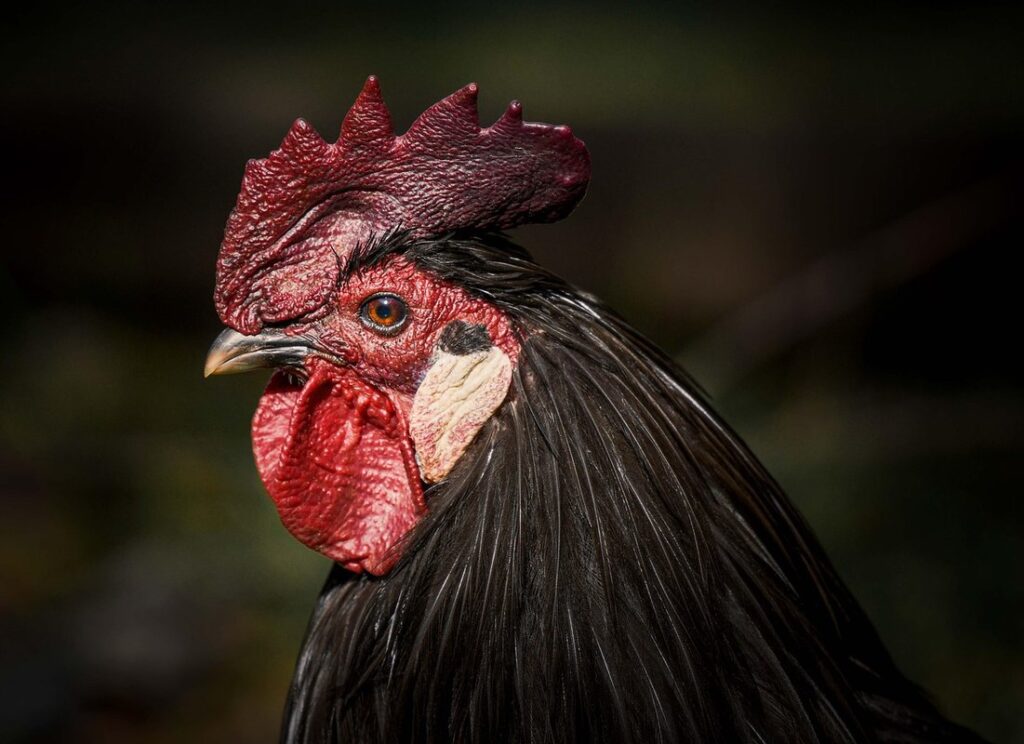
The Signs and Symptoms of Aggressive Roosters
If you’re starting to suspect your rooster is aggressive, it’s essential to be aware of the common signs and symptoms that can indicate a problem, which may include loud crowing and flapping wings.
Recognizing Aggressive Behavior
Recognizing aggressive behavior in roosters is crucial to preventing serious issues and ensuring their well-being. A rooster exhibiting aggression may display excessive crowing, pacing back and forth, feather plucking, or even physical attacks on other birds. These behaviors can be indicative of underlying stressors such as inadequate space, nutritional deficiencies, or social conflicts.
To recognize aggressive behavior early, observe your rooster’s daily routine. If you notice an increase in pacing or aggression during feeding times, it may suggest competition for food or a dominance issue within the flock. Feather plucking, on the other hand, can be a sign of stress caused by overstimulation or boredom. Be aware that some roosters may exhibit more subtle signs, such as a change in vocalization patterns or decreased interest in activities they previously enjoyed.
By recognizing these warning signs and addressing the underlying causes, you can intervene before aggressive behavior escalates into serious issues. Regular observation and adjustments to your rooster’s environment can help maintain a harmonious flock dynamic and ensure the overall health and happiness of all birds.
Understanding the Different Types of Aggression
Aggressive roosters can exhibit different types of aggression, each with its own underlying causes. Understanding these types is crucial to address the root cause and prevent further problems.
Fear-based aggression occurs when a rooster feels threatened or scared. This can be due to lack of socialization, past traumatic experiences, or even changes in their environment. If you notice your rooster becoming aggressive around people or in new situations, it may be experiencing fear-based aggression. To address this, provide a calm and safe environment, introduce new stimuli gradually, and reward good behavior.
Territorial aggression is when a rooster feels the need to protect its territory from perceived threats. This can include other roosters, predators, or even people who enter their space. To reduce territorial aggression, ensure your rooster has enough space to roam freely and consider separating them from other birds during times of high stress.
Dominance aggression occurs when a rooster feels the need to assert its dominance over others. This can be due to lack of hierarchy establishment within the flock or an existing dominant bird pushing for control. To manage dominance aggression, establish a clear pecking order within your flock and provide separate spaces for each bird to reduce competition.
Understanding these different forms of aggression will help you address the underlying causes and develop effective strategies to mitigate them.
Identifying Potential Triggers
Identifying potential triggers for aggressive behavior in roosters is crucial to prevent and manage aggression. A change in environment can be a significant trigger, so keep an eye out for any changes that might affect your rooster’s behavior. This could be as simple as introducing new animals to the flock or rearranging the coop.
Some common signs of environmental stress include pacing back and forth, increased vocalization, or even physical attacks on other birds. If you’ve recently made significant changes to your rooster’s environment, try reverting to the previous setup and observe whether aggression subsides.
Social interaction is also essential for a calm and well-adjusted rooster. Lack of social interaction can lead to frustration, which may manifest as aggression towards humans or other animals. Ensure your rooster has regular access to other birds or consider introducing a companion rooster if possible.
Additionally, some breeds are more prone to aggression due to genetic predisposition. Research the breed you own and be aware of any potential issues.
Causes and Contributing Factors of Rooster Aggression
So, what causes some roosters to become aggressive? In this crucial part of understanding rooster aggression, we’ll explore common factors that contribute to their behavior.
Genetics and Breeding
When it comes to understanding rooster aggression, genetics play a significant role. Research has shown that aggressive behavior can be inherited from parents to offspring, which means that some breeds are naturally more prone to aggression than others. For example, certain game bird breeds like the Leghorn and Brahma are known for their assertive nature.
Breeding practices also contribute to aggressive tendencies in roosters. Some breeders prioritize characteristics like size, plumage, or egg-laying ability over temperament, which can lead to the perpetuation of aggressive traits. When selecting a new rooster, look for breeders who emphasize temperament and behavioral stability. Ask questions about the bird’s ancestry and how its parents behaved.
It’s essential to remember that genetics are not the sole contributor to aggression in roosters. Environment, socialization, and handling also play significant roles. However, being aware of the potential genetic influences can help you make informed decisions when bringing a new rooster into your flock.
Environmental Factors
When it comes to rooster aggression, environmental factors often play a significant role. A rooster’s behavior is heavily influenced by its surroundings, and a lack of proper care can exacerbate aggressive tendencies.
Space constraints are one common issue that can contribute to rooster aggression. When cooped up in small areas, roosters may become frustrated, leading to irritability and territorial behavior. Consider the size of your coop and ensure it provides ample space for your rooster to move around comfortably.
Lack of exercise is another environmental factor that can impact a rooster’s behavior. Roosters require regular physical activity to stay healthy and happy. Without enough exercise, they may become restless, leading to aggressive outbursts. Provide your rooster with opportunities for exercise by allowing it to roam free or engaging in activities like agility training.
Proper nutrition is also essential in preventing aggression. A balanced diet that includes a mix of grains, proteins, and fresh fruits and vegetables will help support your rooster’s overall health. Avoid overfeeding, as this can lead to obesity and related behavioral issues.
By addressing these environmental factors, you can create a healthier environment for your rooster and reduce the risk of aggression. Make adjustments to its living space, provide regular exercise opportunities, and ensure it receives a balanced diet to promote calm behavior.
Handling and Socialization
Proper handling and socialization are crucial when it comes to raising aggressive roosters. When handled correctly, even aggressive birds can learn to trust their owners and become more manageable. The key is to establish a strong bond with the bird from an early age.
To safely handle a rooster, start by moving slowly and calmly around him. Avoid sudden movements or loud noises that may trigger aggression. Begin by simply standing near the bird, then gradually move closer while speaking in a soothing tone. Reward calm behavior with treats to encourage positive associations.
Socialization is also vital for reducing aggression. Expose your rooster to various environments, people, and other animals from an early age. This will help him become confident and less reactive to new stimuli. Introduce him to children, for example, by letting them gently pet or hold him while you supervise. By following these steps, you can build trust with even the most aggressive roosters and create a more harmonious living situation.
Strategies for Managing Aggressive Roosters
If you’re dealing with a rooster that’s becoming increasingly aggressive, it’s time to explore some effective strategies for managing its behavior and keeping yourself and others safe. Let’s dive into some practical tips on how to handle an aggressive rooster.
Desensitization and Counterconditioning
Desensitization and counterconditioning are two powerful techniques used to manage aggressive roosters. These methods are based on the principles of classical conditioning, where a neutral stimulus is paired with something pleasant to elicit a desired response. Desensitization involves gradually exposing the rooster to the stimuli that trigger aggression, while counterconditioning aims to associate those triggers with positive outcomes.
For example, if your rooster becomes aggressive when approached by strangers, you can start by simply standing near his enclosure without interacting with him. As he becomes comfortable with your presence, you can begin to offer treats or rewards for calm behavior. Over time, the act of approaching the enclosure will become associated with a positive outcome (receiving food), reducing aggression.
To apply desensitization and counterconditioning effectively, start by identifying the specific triggers that cause aggression. Gradually introduce these stimuli at a safe distance, rewarding your rooster for remaining calm. Be patient, as this process can take time – typically several weeks or even months. With consistent practice and positive reinforcement, you can teach your aggressive rooster to respond calmly in the face of stressors.
Positive Reinforcement Training
Positive reinforcement training is an effective way to redirect a rooster’s aggression towards more desirable behaviors. By focusing on what you want the rooster to do instead of reacting to its aggressive behavior, you can create a positive association with desired actions.
To implement positive reinforcement training, start by identifying specific behaviors you want your rooster to exhibit, such as walking calmly or stepping back when approached. Reward these behaviors with treats, praise, and affection. For example, every time the rooster walks calmly towards you, give it a treat. Gradually increase the duration of calm behavior required for a reward.
Key factors in successful positive reinforcement training include timing, consistency, and patience. Timing is crucial as rewards must be given immediately after desired behaviors are exhibited. Consistency ensures that your rooster understands what behavior is being rewarded. Patience is essential as it can take time for your rooster to learn new behaviors.
Through repetition and consistent practice, you can help redirect your rooster’s aggression towards more desirable behaviors.
Professional Help and When to Intervene
When it comes to managing aggressive roosters, knowing when to seek professional help is crucial. If you’re dealing with a severe case of aggression, such as frequent attacks on people or other animals, or if your rooster’s behavior is causing significant stress and anxiety for yourself and others, it may be time to bring in an expert.
A professional animal behaviorist or a certified poultry veterinarian can assess the situation and provide personalized guidance. They’ll help you identify underlying causes of aggression, such as medical issues, hormonal imbalances, or environmental factors, and develop a tailored plan to address these concerns.
For example, if your rooster’s aggressive behavior persists despite implementing behavioral modifications, it may be necessary to rehome him to a suitable environment where he can thrive without putting others at risk. Alternatively, in some cases, medication or surgery might be required to alleviate underlying health issues that are contributing to the aggression.
Don’t hesitate to seek professional help if you’re struggling to manage your rooster’s aggressive behavior. It’s better to prioritize everyone’s safety and well-being than to risk injury or further conflict.
Long-Term Prevention and Resolution Strategies
To effectively manage rooster aggression, it’s essential to have a plan for preventing and resolving issues over time. This involves implementing long-term strategies that address the root causes of aggression.
Creating a Safe Environment
Creating a safe environment for roosters is crucial to preventing aggressive behavior. A well-designed enclosure can make all the difference in promoting calm behavior. Start by considering the size of the enclosure: a minimum of 2-4 square feet per bird is recommended, but larger spaces are ideal. Roosts and perches should be placed at varying heights to encourage foraging and exploration.
Reducing stressors is also vital. Introduce new birds gradually, allowing them to become familiar with each other’s scents and sounds before introducing visual introductions. Provide plenty of hiding places, such as bushes or tunnels, to allow birds to retreat when feeling overwhelmed. Roosters are naturally inclined to defend their space, so ensure that they have enough room to roam without feeling confined.
Additionally, consider the layout of your enclosure. A “U” shape or a series of connected pens can help reduce aggression by allowing roosters to see potential threats from multiple angles. Make sure to place feeders and waterers in quiet areas away from high-traffic zones to prevent competition and stress. By creating an environment that promotes calm behavior, you’ll be well on your way to preventing aggressive behavior in your roosters.
Ongoing Training and Socialization
Ongoing training and socialization are crucial components of maintaining a well-behaved rooster. As you work to address aggression issues, it’s essential to establish a routine that fosters continued growth and progress.
Regular check-ins with a veterinarian or animal behaviorist can help identify potential problems before they escalate. These professionals can provide personalized guidance on managing your rooster’s behavior and adapting training strategies as needed.
To maintain long-term success, schedule regular training sessions (at least weekly) to reinforce previously learned behaviors and introduce new ones. This could include practicing recall, desensitizing your rooster to triggers, or incorporating agility training to channel excess energy. Consider enlisting the help of a professional dog trainer or equine behaviorist for expert guidance.
By prioritizing ongoing training and socialization, you’ll be better equipped to manage aggression issues and ensure your rooster remains a valued member of your flock.
Conclusion
In conclusion, understanding rooster aggression is crucial for any backyard chicken keeper. By recognizing the warning signs of aggression, such as crowing loudly or displaying aggressive posturing, you can take steps to prevent conflicts between your rooster and other birds. Remember, every rooster is different, so it’s essential to observe their individual personalities and adjust your approach accordingly. For example, if your rooster has a tendency to chase the hens, try separating them for a few hours each day or providing a secure enclosure to give everyone some space.
By being proactive and taking steps to manage rooster aggression, you can create a harmonious and safe environment for all of your feathered friends.
Frequently Asked Questions
What if I’ve already seen aggressive behavior from my rooster, but I’m not sure what triggered it?
It’s essential to investigate the underlying causes of your rooster’s aggression. Look for potential triggers such as changes in his environment, social conflicts with other birds, or inadequate space. Identify any recent changes that may have contributed to the aggression. Once you’ve pinpointed the cause, you can develop a plan to address it and prevent future incidents.
How long does it take to see improvement in my rooster’s behavior after implementing desensitization and counterconditioning techniques?
The time it takes for your rooster to show significant improvements in behavior varies depending on several factors, such as the severity of aggression, his age, and breed. Generally, you can start seeing progress within a few weeks to months after consistently applying desensitization and counterconditioning methods. Be patient and remember that every bird is different.
Can I use positive reinforcement training alone to manage my rooster’s aggression?
While positive reinforcement training is an excellent method for managing aggressive behavior, it may not be enough on its own. Positive reinforcement can help your rooster associate desired behaviors with rewards, but it doesn’t address the underlying causes of aggression. For long-term success, combine positive reinforcement with desensitization and counterconditioning techniques to address the root issues.
How do I know if my rooster is experiencing stress or anxiety?
Look for signs such as excessive feather plucking, pacing back and forth, loud crowing, or changes in appetite. If you notice any of these behaviors, it’s likely that your rooster is stressed or anxious. Consult with a veterinarian to rule out underlying medical issues before addressing the behavioral aspects.
Can I keep multiple aggressive roosters together without risking further aggression?
It’s not recommended to keep multiple aggressive roosters together, as this can exacerbate the problem and put all birds at risk. If you have multiple aggressive roosters, consider separating them or working with a professional to address their individual behaviors before reintroducing them to each other.