
Managing your flock’s rooster-to-hen ratio is crucial for optimal fertility, egg production, and overall bird welfare. As any backyard chicken keeper knows, achieving this delicate balance can be a challenge. With too few roosters, fertility rates may suffer, while an overabundance of them can lead to stress and aggression in the flock. Conversely, having too many hens without sufficient rooster population can result in wasted fertilized eggs.
In this article, we’ll dive into the importance of calculating and maintaining the perfect balance between roosters and hens in your flock. We’ll cover how to determine the ideal ratio for your specific needs, including factors like breed, age, and intended use (eggs or meat production). By mastering this essential skill, you can take your flock’s health and productivity to the next level, ensuring increased fertility rates and egg output while promoting a harmonious and stress-free coop environment.
Understanding the Importance of Rooster to Hen Ratio
For a healthy and harmonious coop, it’s crucial to strike the right balance between roosters and hens. In this essential section, we’ll explore why getting the ratio just right is vital for your flock’s well-being.
The Role of Roosters in a Flock
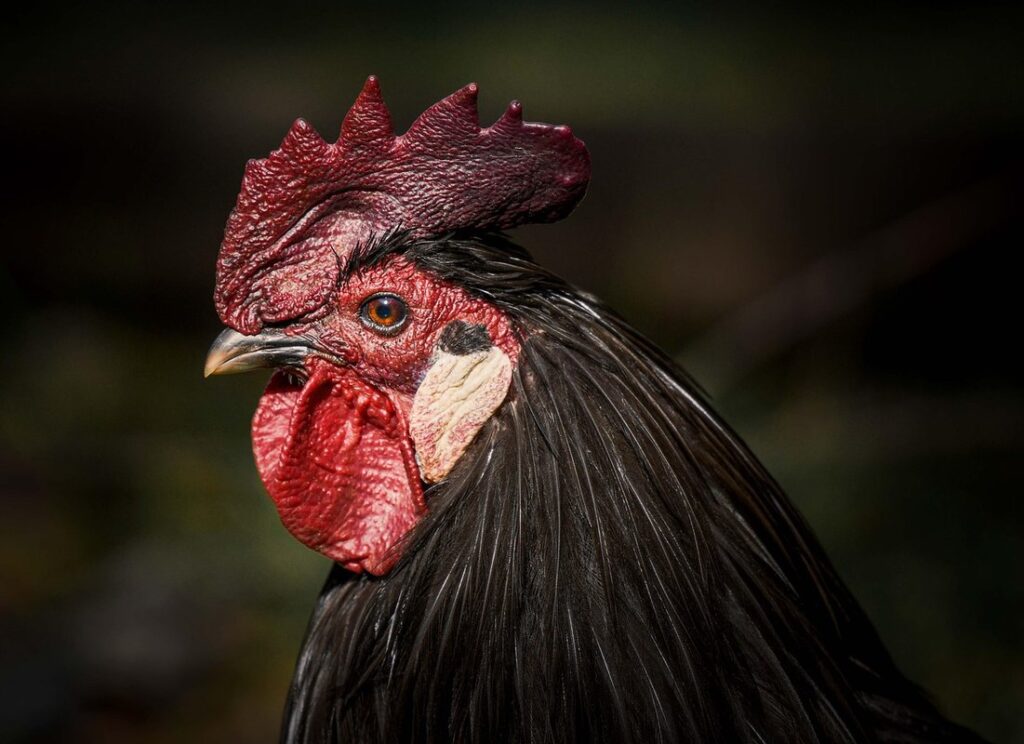
A rooster’s role in a flock is multifaceted and crucial for its overall health and productivity. In breeding flocks, the rooster’s primary responsibility is to fertilize eggs laid by hens, ensuring successful incubation and hatching of chicks. He also plays a significant part in maintaining egg production by stimulating hens’ reproductive cycles.
In addition to breeding, roosters contribute to flock order by establishing dominance hierarchies. They help keep the peace among hens, which is essential for reducing stress and preventing conflicts that can lead to injury or even death. Roosters also serve as sentinels, alerting other birds in the flock to potential predators through their loud crowing.
A single rooster can service a large number of hens, but it’s essential to maintain an optimal ratio between the two sexes. This ensures that each hen has sufficient opportunity to be fertilized and reduces aggression among the males. By understanding the rooster’s responsibilities and functions within the flock, you can make informed decisions about managing your bird population for maximum productivity and well-being.
Why Maintaining a Balance is Crucial
Maintaining an optimal rooster to hen ratio is crucial for the overall health and well-being of your flock. When this balance is disrupted, it can lead to a host of problems. For instance, too many roosters in relation to hens can cause undue stress on the birds. This stress can manifest in various ways, such as reduced egg production, weakened immune systems, and even decreased fertility. In extreme cases, an unbalanced ratio can result in increased aggression within the flock, leading to injuries and even fatalities.
Aim for a minimum of one rooster per 5-7 hens to avoid these issues. However, this number may vary depending on factors such as breed, size, and individual personalities. Monitor your birds’ behavior closely and adjust the ratio accordingly. Some signs that you’re heading in the right direction include reduced fighting, improved egg production, and a more relaxed atmosphere within the coop. Regularly assessing and adjusting your rooster to hen ratio will help maintain a harmonious and thriving flock.
Factors Affecting Rooster to Hen Ratio
When it comes to managing your flock, understanding what affects the rooster to hen ratio is crucial. In this section, we’ll explore the key factors that impact your birds’ behavior and overall well-being.
Breed-Specific Considerations
When it comes to managing roosters and hens, breed-specific considerations are crucial. Different breeds have unique characteristics that can affect their social dynamics and mating habits. For example, larger breeds like Orpingtons and Brahmas require a more substantial space and may need a higher ratio of hens per rooster to prevent stress and aggression.
Temperament is also a significant factor. Some breeds, such as Silkies and Polish, are known for their gentle nature and can thrive in smaller groups with fewer roosters. In contrast, breeds like Cochin and Modern Game are more energetic and may require multiple hens per rooster to keep them occupied.
Mating habits can also vary between breeds. Some breeds, like Leghorns, are prolific layers but have a high fertility rate, which means they will attempt to mate frequently. In this case, it’s essential to limit the number of roosters to prevent over-mating and stress on the hens. By understanding these breed-specific requirements, you can create a harmonious and healthy environment for your flock.
Flock Size and Age Dynamics
When it comes to managing roosters and hens, the size and age of your flock play a significant role in determining the ideal rooster to hen ratio. As your flock grows, you’ll need to adjust this ratio to maintain harmony and prevent stress on both birds.
For young birds under 20 weeks old, it’s recommended to have at least one rooster for every five hens. This allows the young roosters to mature without being overwhelmed by more dominant males. In contrast, mature hens over two years old can often tolerate a lower ratio of one rooster per eight to ten hens.
If you’re running a breeding program, your needs will be different again. You’ll typically need at least two roosters for every 15-20 hens to maintain genetic diversity and ensure healthy offspring. It’s essential to keep this ratio in mind when selecting birds for breeding to avoid overcrowding and stress on the flock.
Calculating the Optimal Rooster to Hen Ratio
Now that we’ve discussed why a balanced ratio is crucial, let’s dive into calculating the optimal rooster to hen ratio for your flock.
The 1:10 Rule: A Basic Framework
When it comes to determining the ideal rooster to hen ratio for your flock, there’s a simple yet effective guideline to consider: the 1:10 rule. This basic framework serves as a starting point for calculating the optimal number of roosters per flock size.
Here’s how it works: for every ten hens in your flock, you can safely keep one rooster. For instance, if you have twenty hens, two roosters would be sufficient; with thirty hens, three roosters would be a good ratio. This rule is particularly useful for backyard chicken keepers or small-scale poultry farmers who are just starting out.
Keep in mind that this guideline is not set in stone. As your flock grows and matures, you may need to adjust the ratio based on individual circumstances, such as aggression levels among the roosters or health concerns within the flock. It’s also worth noting that some breeds of chickens naturally exhibit more dominant behavior than others, which can impact the effectiveness of this guideline.
To give you a better idea, let’s consider an example: if you have a small backyard flock of fifteen hens and one rooster seems to be dominating the others, it may be necessary to introduce a second rooster. However, introducing too many roosters can lead to aggression among the males and create problems for your flock.
Adjusting for Breed, Age, and Other Factors
When calculating the optimal rooster to hen ratio, it’s essential to consider breed-specific requirements. For example, some breeds like Silkies and Polish are naturally more aggressive than others. In these cases, you may want to start with a lower ratio of 1:10 or even 1:12. On the other hand, breeds like Leghorns and Rhode Island Reds tend to be more docile and can handle higher ratios.
Age dynamics also play a crucial role in determining the optimal rooster to hen ratio. A single rooster can service multiple hens throughout its breeding years, but young roosters may not be as effective due to their lack of experience. In fact, studies have shown that experienced roosters are more efficient at fertilizing eggs than younger ones.
Additionally, you’ll want to consider factors like fertility rates and aggression levels within your flock. If you’re experiencing high fertility rates, it may indicate that your ratio is too low, while high aggression levels can be a sign of overcrowding or an uneven ratio. To adjust for these factors, try increasing the number of hens per rooster gradually over time, monitoring their behavior and fertility rates closely. This will help you fine-tune your ratio to meet the unique needs of your flock.
Health and Behavioral Implications
When it comes to managing rooster to hen ratio, understanding the health and behavioral implications is crucial for creating a harmonious and stress-free coop environment. This means recognizing potential issues that can arise from an imbalance in your flock’s population dynamics.
Managing Rooster Aggression
Recognizing aggressive behavior in roosters is crucial for maintaining a harmonious and stress-free flock. Aggression often stems from competition for resources such as food, water, and mating opportunities. To reduce tension, consider separating dominant roosters or introducing additional hens to dilute the competition.
Another strategy is to provide multiple feeding stations and watering points to minimize congestion during meals. This simple adjustment can make a significant difference in reducing stress and aggression among your flock members. Additionally, introducing toys and enrichment activities can keep birds engaged and stimulated, thereby redirecting their energy away from aggressive behavior.
It’s also essential to monitor your rooster’s behavior closely, watching for signs of aggression such as crowing loudly, flapping wings, or displaying a raised hackle feather. If you notice any of these behaviors escalating, take immediate action by separating the roosters and introducing a period of calm before reintroducing them to the flock. By implementing these strategies and being attentive to your birds’ needs, you can create a more peaceful coexistence within your backyard flock.
Common Health Issues Related to Ratio Imbalance
When a rooster to hen ratio is not managed properly, it can lead to various health issues that compromise the overall well-being of the flock. One common problem associated with an unbalanced ratio is reproductive issues. If there are too many roosters per hen, fighting among them for dominance and mating rights becomes intense, leading to injuries and stress. This can also cause some hens to become egg-bound or develop ovarian cysts.
Another issue that arises from a poor ratio is feather pecking. When roosters dominate the flock, they may bully and harass the hens, causing them to excessively peck at each other’s feathers in an attempt to assert their dominance. This behavior can lead to painful wounds, stress, and potentially fatal injuries.
Furthermore, respiratory problems are another consequence of a poorly managed ratio. Overcrowding due to too many roosters per hen can spread diseases like respiratory infections and fungal diseases more easily among the flock.
Implementing Changes to Achieve Balance
Now that you’ve determined your ideal rooster-to-hen ratio, it’s time to make adjustments and ensure a harmonious flock. This section will guide you through implementing those changes effectively.
Gradual Introduction of New Roosters or Hens
When introducing new roosters or hens to your existing flock, it’s essential to do so gradually to prevent stress and minimize disruption. A sudden introduction can lead to fights, injury, and even death, particularly if the birds are not familiar with each other.
Start by keeping the new birds separate from the main flock for a few days, allowing them to get accustomed to their new surroundings without the pressure of an existing social hierarchy. Once they seem settled, introduce them to the flock in small groups, monitoring their behavior closely.
For birds coming from different environments, acclimate them slowly by gradually introducing them to the new sights, sounds, and smells of your backyard or coop. Start with visual introductions through wire mesh or a fence, then progress to scent introductions using feeding troughs or waterers on opposite sides of the divider.
Remember that some breeds are more tolerant than others when it comes to new birds joining their flock. Research your bird’s temperament before introducing new members to ensure a harmonious integration.
Strategies for Managing Dominant Roosters
When dealing with dominant roosters, it’s essential to address their influence within the flock to maintain balance and prevent stress on the hens. A dominant rooster can lead to increased aggression towards humans, other roosters, or even the hens themselves.
One strategy for managing a dominant rooster is to separate them from the rest of the flock. This can be done by placing the aggressive bird in a separate enclosure or pen, where they can still receive regular care and attention but aren’t able to exert their dominance over the other birds. You may also need to provide additional enrichment activities to keep them stimulated.
Reducing the influence of a dominant rooster can also be achieved through behavioral modification techniques. This might involve introducing another rooster that’s more docile, as well as implementing changes to their environment, such as reducing stressors or providing plenty of space and perches for the birds to climb on.
In some cases, rehoming a dominant rooster may be the best option if their behavior is causing significant problems within your flock.
Long-Term Benefits of Achieving Balance
Achieving a balanced rooster-to-hen ratio not only reduces stress on your flock but also leads to healthier, happier birds in the long run. Let’s explore the benefits you can expect from getting this crucial aspect of chicken care right.
Increased Fertility and Egg Production
Maintaining a balanced rooster to hen ratio can have a significant impact on your flock’s overall health and productivity. One of the key benefits is increased fertility and egg production. When there are enough roosters for every 8-10 hens, they will naturally compete with each other for mating rights, leading to more frequent breeding and healthier hatching rates.
In addition, a balanced ratio also encourages natural selection, where the strongest, healthiest roosters thrive and pass on their desirable traits to their offspring. This can lead to improved egg production in hens as well, as they will be more likely to receive strong, healthy sperm from the dominant rooster.
To achieve this balance, it’s essential to monitor your flock regularly and adjust the rooster-to-hen ratio accordingly. A general rule of thumb is to have one rooster for every 8-10 hens in a small flock, and gradually increase or decrease the number of roosters as your flock grows or declines.
Reduced Stress and Improved Welfare
When you manage the rooster to hen ratio effectively, you’ll start noticing significant improvements in the overall welfare of your flock. One of the most notable benefits is a reduction in stress levels among hens. When there are too many roosters for the number of hens, it can lead to aggression and bullying, causing undue stress on the female birds.
On the other hand, when you strike the right balance between males and females, your flock will be much more relaxed and happy. This is because each hen has enough space and attention from one or two roosters, reducing competition and stress-related behaviors like feather pecking and egg-eating.
To further promote a stress-free environment, make sure to provide adequate resources such as clean water, nutritious food, and spacious living areas for your flock. Regular health checks and vaccinations can also help prevent diseases that cause additional stress on your birds. By prioritizing the well-being of your hens through effective rooster management, you’ll be rewarded with a healthier, happier, and more productive flock in the long run.
Frequently Asked Questions
How do I know if my rooster-to-hen ratio is out of balance?
If you notice a significant drop in fertility rates, increased aggression among birds, or reduced egg production, it may be an indication that your ratio is off. Monitor your flock’s behavior and reproductive health to determine if adjustments are necessary.
Can I use the 1:10 rule as a one-size-fits-all solution for all my flocks?
While the 1:10 rule provides a basic framework, breed-specific characteristics, age dynamics, and intended use may require adjusting this ratio. Consider these factors when calculating your optimal rooster-to-hen ratio to ensure it meets the unique needs of your flock.
How do I manage rooster aggression without sacrificing fertility?
To minimize aggression while maintaining fertility, introduce new roosters gradually, starting with a single bird to prevent overwhelming existing hens. Monitor behavior and adjust as necessary to maintain a harmonious coop environment.
What are some common health issues related to an imbalanced rooster-to-hen ratio?
An overabundance of roosters can lead to stress, aggression, and increased susceptibility to diseases like Marek’s disease or infectious bronchitis. Conversely, too few roosters may result in wasted fertilized eggs due to lack of incubation.
Can I adjust my rooster-to-hen ratio as my flock grows or ages?
Yes, it’s essential to reassess your ratio periodically, especially during significant changes like growth spurts or breed maturity. Adjusting your ratio accordingly will help maintain optimal fertility, egg production, and overall bird welfare.