
If you’re looking for a unique and charming addition to your backyard flock, you might want to consider Marans chickens. This beloved breed has gained popularity in recent years due to its stunning dark eggs, rich flavor, and endearing personality. But what makes the Marans so special? In this article, we’ll delve into the origins of the Marans, exploring how they came to be one of the most sought-after breeds among backyard chicken enthusiasts.
We’ll also take a close look at the breed’s key characteristics, including its temperament, egg-laying abilities, and distinctive appearance. From their glossy black feathers to their rich, dark eggs, we’ll cover all aspects of what makes this breed stand out from the rest. Whether you’re a seasoned chicken keeper or just starting your flock, our comprehensive guide will give you the inside scoop on how to care for your Marans and make them thrive in your backyard.
Origins and History of the Marans Breed
The Marans breed has a rich history that dates back centuries, originating from France where they were highly valued for their unique egg-laying abilities. Let’s dive into how this stunning breed came to be.
Early Development in France
The Marans breed’s rich history began in 17th-century France, where it was developed by farmers to provide a reliable source of meat and eggs. These early birds were known for their exceptional foraging abilities, allowing them to thrive in the dense forests and rough terrain of rural France. To survive in this environment, they had to be hardy and adaptable, traits that would become characteristic of the breed.
The Marans’ ancestors were likely cross-bred with other local fowl, resulting in a robust bird with a distinctive appearance. Early descriptions note their dark, glossy feathers, which ranged from deep blue to chocolate brown. They also boasted sturdy legs and a strong beak, ideal for scratching and pecking at the earth.
As a testament to their impressive foraging skills, it’s not uncommon for Marans hens to roam free-range, where they can exploit whatever natural resources are available. In fact, allowing your Marans to scratch and peck can help maintain their health and reduce the risk of disease.
Introduction to the New World
In the mid-20th century, the Marans breed made its way to North America, bringing with it a rich history and unique characteristics. The introduction of the Marans to this continent was largely credited to dedicated breeders who worked tirelessly to establish the breed’s presence.
French entrepreneurs played a significant role in popularizing the Marans breed among North American farmers and backyard chicken enthusiasts. These individuals brought with them not only their expertise but also their passion for breeding high-quality, disease-resistant chickens. The breed gained recognition from the American Poultry Association (APA) in 1988, further solidifying its presence.
However, establishing a thriving population of Marans chickens proved to be challenging. Initial struggles included adapting the breed’s genetic makeup to North America’s climate and environment. Moreover, breeders faced difficulties in producing consistent egg-laying abilities in the new environment.
Physical Characteristics and Egg-Laying Ability
One of the most notable characteristics of Marans chickens is their unique, dark chocolate-brown plumage that’s not only beautiful but also a dead giveaway to their breed. Let’s take a closer look at what makes them tick physically and how they perform in the egg-laying department.
Coat Patterns and Colors
One of the most distinctive features of Marans chickens is their unique coat patterns and colors. These birds are known for their rich, dark plumage, which can come in a variety of hues depending on the specific breed or line.
The most common color varieties found in Marans chickens include copper, silver, lavender, and chocolate. Copper Marans, as you might expect, have a warm, golden-brown coat with subtle reddish undertones. Silver Marans, on the other hand, sport a sleek, dark gray plumage with a silvery sheen.
Lavender Marans are perhaps the most striking of all, boasting a delicate, pale lavender-gray coat that’s almost iridescent in the right light. Chocolate Marans have a rich, dark brown color with subtle golden undertones.
When it comes to feathering, Marans chickens typically sport a moderate amount of fluff around their necks and bellies, giving them a charmingly rustic appearance. Their legs are usually a deep reddish-brown color, which complements their plumage nicely.
Egg Size and Color
When it comes to the physical characteristics of Marans eggs, one of the most notable features is their size. Marans hens are prolific layers and produce a moderate to large egg size, typically weighing between 50-60 grams. This is slightly larger than some other breeds, but not so large as to be unwieldy.
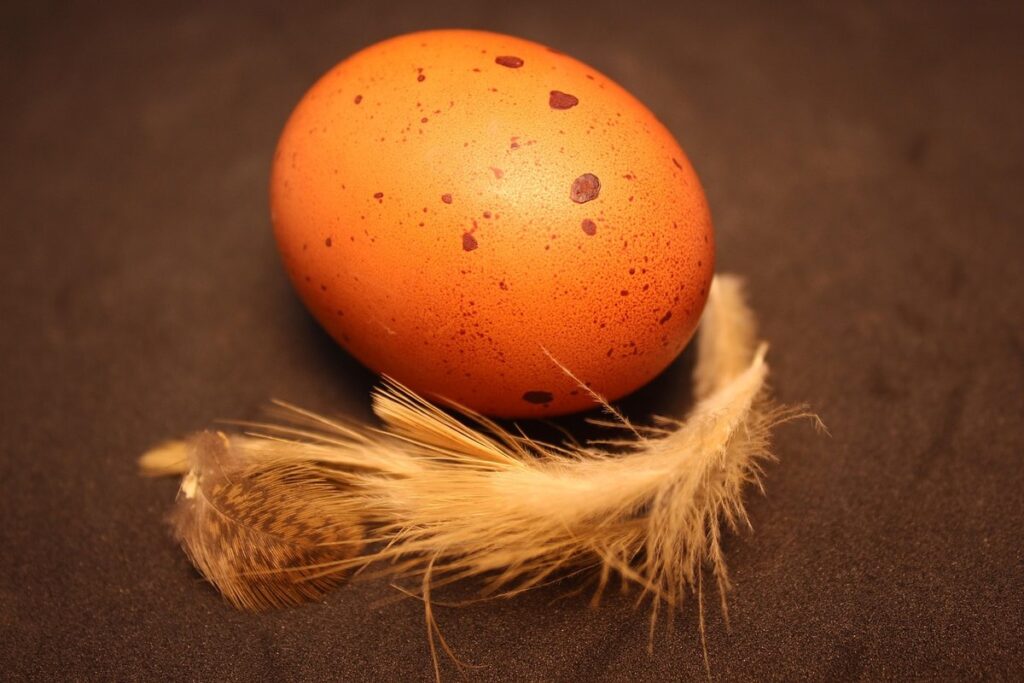
The shape of the egg is also noteworthy – Marans eggs tend to have a more rounded appearance than those from some other breeds. The color, however, is what really sets them apart: dark brown to almost black is the norm for Marans eggs. This intense pigmentation is due in part to the breed’s unique genetic makeup and is prized by many chefs and home cooks for its rich flavor.
If you’re planning on keeping Marans hens as pets or for their eggs, keep in mind that egg color can be influenced by factors such as diet and environment. However, the dark pigment that gives Marans eggs their distinctive appearance is a natural result of the breed’s genetics.
In terms of practicality, Marans eggs are often used as a “test” for other breeds – if an egg doesn’t crack when dropped onto a hard surface (known as the “water glass test”), it’s likely to be from a Marans hen. This makes them a fun and engaging breed to raise for backyard chicken enthusiasts.
Temperament and Behavior
When it comes to temperament, Marans are known for being gentle and even-tempered, making them a great addition to families with children. They’re also relatively low-maintenance in terms of behavior.
Social Nature and Interaction with Humans
The Marans chicken is known for its gentle and docile nature, making it an excellent choice for families with children. They are social birds that thrive on interaction with humans and other chickens, which makes them a great addition to backyard flocks. In fact, they have been described as “velcro chickens” due to their tendency to stick close to their owners.
When interacting with humans, Marans chickens are curious and affectionate, often seeking out attention and pets. They are relatively easy-going and can adapt well to new environments, making them a great breed for first-time chicken keepers. However, like all breeds, they do require proper introduction and socialization from an early age.
It’s essential to remember that Marans chickens are flighty birds and may attempt to escape if given the opportunity. To prevent this, make sure their enclosure is secure and well-fenced. With regular interaction and a suitable environment, Marans chickens can become loyal and loving companions, providing hours of entertainment for their owners.
Noise Level and Foraging Ability
When it comes to noise level, Marans chickens are considered a moderate breed. They won’t keep you up at night with their constant chirping like some other breeds might, but they’re not completely silent either. Expect a gentle clucking and occasional soft squawk as they go about their day.
One of the most attractive aspects of Marans is their impressive foraging ability. With a strong instinct to search for food, they’ll happily spend hours pecking away at the ground in search of tasty morsels. This makes them a great choice for free-range or pasture-raised enthusiasts, as they can be trusted to find their own snacks without getting into too much trouble.
In fact, Marans are so skilled at foraging that you may find yourself relying on them to keep pests under control in your backyard. With their keen eyesight and agile legs, they’ll expertly sniff out bugs and grubs to the delight of gardeners everywhere. Just be prepared to give them plenty of space to roam – these birds love to explore!
Health Considerations and Potential Issues
When raising Marans chickens, it’s essential to be aware of potential health issues that can arise, such as obesity and egg-laying problems. We’ll cover these concerns in more detail below.
Common Health Problems
As with many chicken breeds, Marans chickens are not immune to certain health problems. One of the most significant concerns is heart issues, which can lead to decreased egg production and even death. A study by the University of Georgia found that heart problems affect around 30% of backyard chicken flocks.
Another common issue affecting Marans chickens is respiratory infections. These can be caused by a variety of factors, including cold temperatures, stress, and poor ventilation in coops. Marek’s disease is also a concern for this breed, as it’s highly susceptible to the virus that causes it. This viral disease can lead to paralysis, weight loss, and even death.
To minimize the risk of these health problems, make sure your Marans chickens have plenty of space to move around, a balanced diet, and access to clean water at all times. Regular check-ups with a veterinarian will also help identify any potential issues early on. Keep an eye out for signs such as labored breathing, lethargy, or decreased egg production – if you notice any of these symptoms, consult a vet right away.
Genetic Diversity and Conservation Efforts
Genetic diversity is crucial for the long-term survival of any poultry breed, including Marans chickens. This means having a sufficient gene pool to ensure adaptability and resilience against diseases, environmental changes, and potential breeding issues. When breeds become too narrow or uniform, they become vulnerable to extinction.
The Marans breed has faced some conservation challenges in recent years due to its relatively low numbers worldwide. As such, it’s essential for breeders and enthusiasts to prioritize genetic diversity through responsible breeding practices. This can be achieved by introducing new bloodlines from reputable sources, promoting linebreeding over pureline breeding, and recording detailed pedigree information.
In addition to these steps, preserving traditional or heritage breeds like the Marans requires ongoing conservation efforts. This might involve working with organizations dedicated to poultry conservation, participating in breed association initiatives, or collaborating with fellow breeders on genetic preservation projects. By taking these proactive measures, we can help safeguard the long-term viability of this unique and beloved breed.
Care and Management Tips for Raising Marans Chickens
To ensure your Marans flock thrives, it’s essential to provide proper care and management from day-old chicks to adulthood. Learn how to meet their unique needs in this section.
Housing and Environmental Needs
When it comes to providing the best care for your Marans chickens, their housing and environmental needs must be carefully considered. These birds thrive in spacious and well-ventilated enclosures that protect them from extreme weather conditions.
A minimum of 3-4 square feet per bird is recommended for indoor housing, while outdoor runs should provide at least 8-10 square feet per chicken. This will allow your Marans to move around comfortably, engage in natural behaviors, and maintain their physical health.
When designing the coop, ensure it’s elevated off the ground to prevent moisture accumulation and reduce the risk of predators. Adequate ventilation is also crucial to regulate temperature and humidity levels inside the enclosure. Consider installing windows or vents that can be opened or closed as needed to adjust airflow.
Make sure to provide shelter from wind, rain, and direct sunlight by using a waterproof roof and strategically placing trees or shrubs around the outdoor run. By meeting these basic housing requirements, you’ll create a happy and healthy environment for your Marans chickens to thrive in.
Nutrition and Feed Requirements
When it comes to providing the best possible care for your Marans chickens, understanding their nutritional needs is crucial. These birds are known for their rich, dark eggs and impressive plumage, but they require a balanced diet to maintain optimal health.
Marans chickens are considered medium-weight birds and have moderate energy requirements. They need access to high-quality protein sources, such as mealworms or crickets, in addition to commercial layer feed. The feed should be formulated specifically for layers, containing around 16-18% protein and 2-3% calcium.
In terms of feeding recommendations, it’s essential to provide a balanced diet that meets their nutritional needs at different stages of life. For example, chicks require starter feed until they’re about 4-6 weeks old, while young pullets can transition to layer feed once they reach around 20 weeks.
To ensure your Marans chickens receive the nutrients they need, consider supplementing their diet with fresh fruits and vegetables, such as leafy greens or berries. Avoid overfeeding, however, as this can lead to obesity and related health issues.
Breeding and Showing Marans Chickens
If you’re interested in raising Marans chickens, learn how to breed and show these beautiful birds, and discover the unique characteristics that make them a standout among chicken breeds.
Breeding Objectives and Selection Criteria
When breeding Marans chickens, breeders must consider specific objectives to maintain and improve the breed’s characteristics. The primary breeding objective is to produce birds that excel in egg production, with a focus on the distinctive dark chocolate-brown eggs. Breeders also prioritize fertility, as healthy breeding stock is essential for producing robust offspring.
In addition to these key traits, temperament plays a significant role in selecting Marans chickens. Breeders seek individuals that are docile and calm, making them suitable for backyard flocks. To evaluate temperament, breeders observe birds’ behavior during handling, social interactions, and stress responses.
When selecting breeding stock, look for birds with well-structured plumage, robust build, and good egg-laying capacity. Consider the following selection criteria:
* Egg production: Select hens that consistently lay dark eggs and exhibit a high egg-laying rate.
* Fertility: Choose roosters with proven fertility records to ensure healthy offspring.
* Temperament: Observe birds’ behavior during handling and social interactions to identify calm, docile individuals.
By focusing on these breeding objectives and selection criteria, breeders can produce high-quality Marans chickens that thrive in backyard flocks.
Showing and Judging Standards
When it comes to showing Marans chickens, breeders and owners must be familiar with the judging standards that apply to this unique breed. In poultry shows, Marans chickens are judged based on their conformation, movement, and overall appearance.
According to the American Bantam Association (ABA) and the American Poultry Association (APA), Marans chickens have specific characteristics that carry more weightage in judging. For example, a well-proportioned body, strong legs, and correct feathering are crucial for a high score. The breed’s distinctive eggshell coloration is also an important consideration, with darker eggs being preferred.
When preparing your Marans chicken for the show ring, pay close attention to its plumage. A good balance of black and dark brown feathers on the body, wings, and tail is essential. Make sure the feathers are evenly spread and free from any damage or molting issues. In terms of movement, a smooth, fluid gait with a well-balanced stance is what judges look for.
Frequently Asked Questions
Can I keep Marans chickens with other breeds, or do they prefer to be alone?
Marans chickens are known for their friendly nature, but it’s essential to introduce them slowly to avoid any conflicts with existing flock members. Start by keeping them in separate enclosures and gradually allow them to interact under close supervision. With proper introduction, Marans can thrive in mixed flocks, providing a lively social dynamic.
How often do I need to collect eggs from my Marans breed?
Marans are prolific layers, producing dark-brown eggs with an average weight of 50-60 grams. It’s recommended to collect eggs daily to prevent breakage and maintain cleanliness within the coop. If you have a large flock or limited storage space, consider installing an egg carton or collecting eggs every other day.
What if I notice any unusual health issues in my Marans chickens?
Regular monitoring is crucial when raising Marans, as they can be prone to certain health problems like broodiness and obesity. Consult with a veterinarian experienced in poultry care to identify potential issues early on. Implement preventative measures such as providing adequate exercise, balanced nutrition, and maintaining a clean living environment.
How do I ensure my Marans chickens receive the right nutrients for optimal egg production?
A well-balanced diet is vital for Marans to maintain their exceptional laying abilities. Consider supplementing with calcium and protein-rich feed, especially during peak laying seasons (spring-fall). Ensure access to fresh water at all times, and make adjustments as needed based on individual bird’s needs.
Can I breed Marans chickens for exhibition or do they require specialized care?
While Marans have beautiful plumage and egg-laying abilities, breeding them requires dedication and attention to detail. Research and adhere to the American Bantam Association (ABA) standards for Marans, focusing on characteristics such as feather quality, egg production, and temperament. Ensure you can provide the necessary housing, nutrition, and healthcare requirements for your birds.