
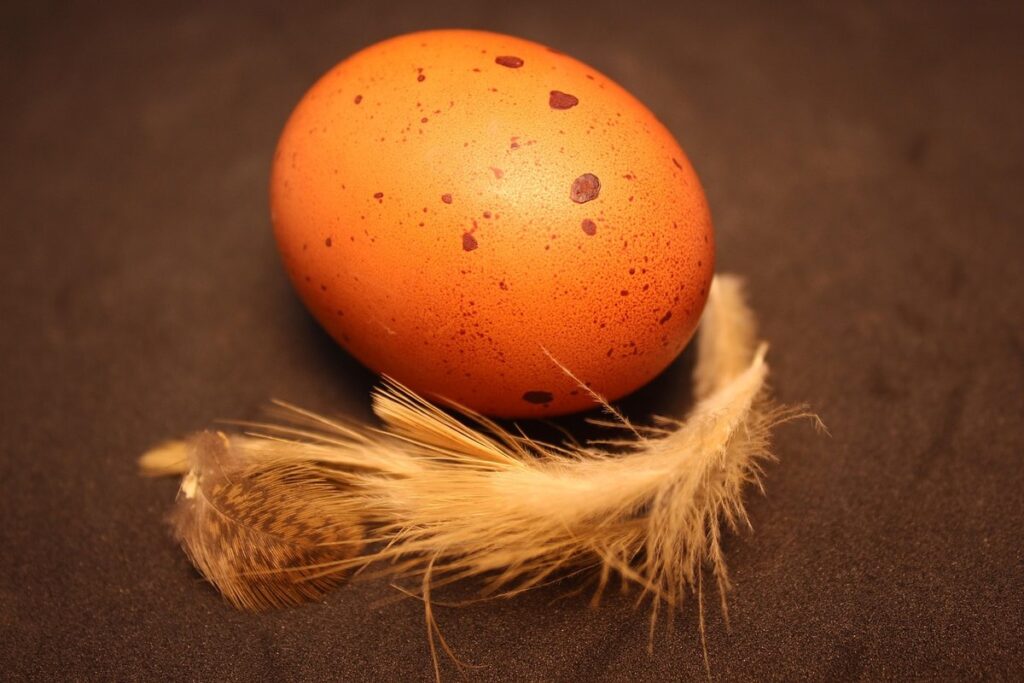
If you’re one of the many backyard chicken enthusiasts who’s fallen in love with Marans chickens, chances are you’ve noticed their stunning dark-brown eggs. But have you ever wondered what makes these eggs so uniquely colored? It all comes down to pigmentation and melanin – complex biological processes that can be influenced by a variety of factors. From the chicken’s diet and genetics to environmental conditions, there’s more to Marans egg color than meets the eye. In this article, we’ll delve into the science behind these beautiful eggs, covering everything from collecting and hatching Marans chicks to raising healthy birds that will produce gorgeous eggs for years to come. So whether you’re a seasoned chicken keeper or just starting out, keep reading to learn more about the fascinating world of Marans egg color!
Introduction to Marans Chickens
So, you’re new to keeping Marans chickens and want to know where to start? Let’s begin by introducing these beautiful birds and their unique characteristics.
History and Origin of Marans Chickens
The Marans chicken breed has its roots in 17th-century France, where it was known as the “Gallais Noir” due to its distinctive dark plumage. These chickens were highly prized by French farmers for their rich, dark eggs, which were considered a luxury item at the time. In fact, it’s said that Marans eggs were so valuable that they were used as currency in some rural areas.
As a breed, the Marans was developed to thrive in the harsh, temperamental climate of northern France. Their robust build and hardy nature made them well-suited to the region’s cold winters and short growing seasons. Over time, French farmers selectively bred the Gallais Noir for its exceptional egg-laying abilities, resulting in the modern-day Marans breed we know today.
Today, it’s still possible to find Marans chickens with a strong connection to their French heritage – look for birds from reputable breeders who prioritize genetic purity and traditional breeding practices. By choosing a Marans chicken that’s true to its roots, you can enjoy rich, dark eggs and help preserve an important piece of poultry history.
Brief Overview of Marans Characteristics
Marans chickens are renowned for their stunning dark brown eggs, but what makes them so unique? One of the most distinctive characteristics of Marans is their ability to lay blue-green tinted eggs. This is due to the pigment porphyrin, which is produced by the chicken’s body and gives the egg its characteristic color.
But that’s not all – Marans chickens also boast striking feather patterns, with many varieties featuring a mottled or marbled effect on their plumage. The most common pattern is the “tricolour” variation, where the bird has patches of black, blue, and red feathers. This unique combination gives the chicken its distinctive appearance.
As a breeder or owner, you’ll want to consider the characteristics mentioned above when selecting Marans chicks for your flock. Not only will they add a touch of elegance to your backyard, but their stunning eggs are sure to impress friends and family alike. With proper care and attention, your Marans hens will reward you with a steady supply of beautifully colored eggs – and that’s something to be truly proud of!
The Science Behind Marans Egg Color
Let’s dig into the fascinating world of eggshell color, and explore the specific genetics that give Marans eggs their characteristic dark, chocolate-brown hue. This is where science meets poultry!
Pigmentation and Melanin
The eggshell color of Marans chickens is largely determined by pigmentation and melanin, two key factors that work together to create their distinctive dark hues. Melanin, a complex molecule produced by the chicken’s body, plays a crucial role in determining the intensity and shade of the eggshell color. In Marans chickens, the melanin is produced in the oviduct, where it combines with other substances to form the pigment responsible for the eggshell color.
There are two types of melanin present in the skin and eggs of birds: eumelanin and pheomelanin. Eumelanin is responsible for brown and black pigmentation, while pheomelanin produces red and yellow hues. In Marans chickens, the high concentration of eumelanin contributes to their dark eggshell color. The interaction between these two types of melanin results in a range of colors, from deep chocolate browns to dark blues.
Understanding the role of pigmentation and melanin can help you predict the potential egg color of your Marans flock. By knowing that the genetics of your chickens determine the production of melanin, you can make informed decisions about breeding programs to achieve desired eggshell colors. This knowledge also helps you identify potential issues with eggshell quality or color, allowing for more targeted care and management strategies for your birds.
Why Marans Eggs Have a Dark Brown or Chocolate Color
The unique dark brown or chocolate color of Marans eggs is due to a combination of genetic predisposition and dietary factors. The genetics of the breed play a significant role in determining eggshell color, with the Marans’ genetic makeup favoring the production of pigments responsible for darker colors. However, diet also plays a crucial part in influencing the final hue.
A diet rich in beta-carotene and lycopene can enhance the intensity of the brown coloration in eggs, resulting in a richer, more intense chocolate tone. Marans keepers often supplement their flock’s diet with foods high in these pigments to maximize eggshell color. On the other hand, a deficiency in certain nutrients can lead to lighter or less vibrant colors.
The interplay between genetics and diet can result in variations within the breed. For example, some Marans flocks may produce eggs with a more pronounced reddish tint due to higher levels of lycopene in their diet.
Factors Affecting Egg Color
Egg color is influenced by a variety of factors, including genetics, nutrition, and environmental conditions, all of which play a role in determining your Marans chicken’s eggshell hue. Let’s explore these factors together!
Nutritional Influences on Egg Color
When it comes to Marans chicken egg color, dietary factors play a significant role in determining the vibrant shades of these eggs. Carotenoids, a group of pigments found in fruits and vegetables, are primarily responsible for the deep colors seen in Marans eggs. Beta-carotene, lutein, and zeaxanthin are some of the key carotenoids that contribute to the rich hues.
A diet rich in dark leafy greens such as kale, spinach, and collard greens can significantly enhance the egg’s color intensity. For instance, if your Marans hens have access to a diverse range of fruits and vegetables, you may notice their eggs taking on deeper shades of brown, from light chestnut to dark chocolate.
However, it’s essential to note that excessive intake of certain nutrients can lead to unappealing colors or even discoloration. For example, an overabundance of beta-carotene can cause the eggs to take on a reddish hue. To avoid this, ensure your hens have access to a balanced diet and a mix of different carotenoid sources.
In practical terms, you can enhance your Marans’ egg color by incorporating fresh vegetables like carrots, sweet potatoes, and squash into their feed. It’s also crucial to provide clean water and a stress-free environment for your birds, as these factors can significantly impact the overall quality and appearance of their eggs.
Environmental and Health-Related Factors
When it comes to the stunning marbled color of Marans eggs, several environmental and health-related factors can affect their appearance. Stress is one such factor that can impact egg color. Chickens under stress may produce lighter-colored or irregularly colored eggs due to hormonal changes.
Disease can also have a significant impact on egg color. For instance, hypocalcemia (milk fever) can cause eggs to become chalky or rough in appearance. On the other hand, exposure to excessive light can lead to brown spotting on the eggshell, while insufficient lighting may result in paler-colored eggs.
To minimize the effects of these factors on your Marans’ egg color, ensure they have a stress-free and healthy environment. Provide adequate shelter from harsh sunlight and maintain good ventilation to prevent ammonia buildup. Regular health checks will also help identify any potential issues before they affect egg quality or appearance. By keeping your flock happy and healthy, you can enjoy the full range of marbled colors that Marans eggs are known for.
Collecting and Hatching Marans Chicks
If you’re planning to breed or raise Marans chickens, collecting eggs from your flock can be a thrilling experience. In this section, we’ll guide you through collecting and hatching these precious eggs.
Choosing Healthy Mating Pairs for Fertile Eggs
When it comes to hatching Marans chicks, selecting healthy mating pairs is crucial for producing fertile eggs. A good breeding program requires careful consideration of the parents’ genetic makeup and overall health. To start, choose a male and female that are at least 6 months old and have a good reproductive history.
Look for birds with a balanced temperament and robust physical condition. A well-nourished hen will produce healthier eggs, while a vigorous rooster will ensure better fertility rates. It’s also essential to consider the genetic diversity of your breeding stock to avoid inbreeding and promote healthy offspring.
When selecting a mating pair, examine their egg-laying habits, as this can indicate overall health and fertility. A Marans hen should produce around 150-200 dark brown eggs per year, while the rooster’s fertility should be confirmed by hatching fertile eggs from his partner. Regularly monitoring your breeding stock’s performance will help you identify any potential issues early on.
Techniques for Incubating and Hatching Eggs Successfully
When it comes to incubating and hatching Marans eggs successfully, proper temperature control is crucial. The ideal temperature for incubation is between 99°F (37°C) and 100°F (38°C). A slight variation of a few degrees can make a big difference in the hatching process. For example, if you set your incubator to 100°F (38°C), but it’s actually running at 102°F (39°C), this can lead to poor hatch rates or even embryo death.
Maintaining humidity levels between 50-60% is also essential for successful incubation. A humid environment helps the embryos grow and develop properly, while too little humidity can cause them to dry out and perish.
Regular turning of the eggs is another critical aspect of incubation. This ensures that the embryos don’t stick to the shell membranes and are able to move freely inside the egg. Aim for at least 7-10 turns per day, or use an automated turner if you prefer a hands-off approach.
By following these guidelines and maintaining a consistent temperature, humidity level, and turning schedule, you’ll be well on your way to successfully hatching Marans chicks from their rich, dark brown eggs.
Raising Healthy Marans Chicks
When raising healthy Marans chicks, it’s essential to provide them with a well-balanced diet and proper care from day one to ensure they grow into strong birds. This section will cover key tips for successful chick rearing.
Providing Optimal Nutrition and Care
When it comes to raising healthy Marans chicks, providing optimal nutrition and care is crucial for their growth and development. Newly hatched chicks have high energy requirements, so a balanced diet is essential. You can offer a starter crumble or powder specifically formulated for young chickens, which should contain around 20% protein.
In addition to a nutritious diet, environmental considerations are also vital. Marans chicks need access to clean, fresh water at all times, and their brooder area should be kept at a comfortable temperature between 90-100°F (32-38°C) for the first week or two. Make sure the brooder is well-ventilated to prevent ammonia buildup from droppings.
It’s also essential to provide a dust bath area where your chicks can relax and keep their feathers clean. This will help prevent any potential health issues down the line. Be sure to monitor your chicks’ temperature, humidity levels, and overall health closely during this critical period, as they are more susceptible to illness at this stage.
Tips for Raising Robust and Hardy Chickens
When it comes to raising robust and hardy Marans chickens, there are several strategies you can employ to minimize disease and stress. A key factor is providing a balanced diet that includes high-quality protein sources, such as mealworms or crickets, as well as fresh fruits and vegetables.
Regular access to clean water and a dust bath area can also help reduce the risk of respiratory problems. It’s essential to maintain a clean coop by removing soiled bedding, disinfecting surfaces, and ensuring good ventilation.
Establishing a daily routine that includes gentle handling and social interaction can help reduce stress levels in your flock. This can be achieved by spending time with them, such as offering treats or simply sitting among them.
In addition to these preventative measures, it’s also crucial to monitor your birds’ behavior for signs of illness, such as lethargy or changes in appetite. If you notice any unusual symptoms, consult a veterinarian experienced in poultry care to ensure timely and effective treatment. By implementing these strategies, you can help create a healthy environment that allows your Marans chickens to thrive.
The Benefits of Keeping Marans Hens
One of the most significant advantages of keeping Marans hens is the unique egg color they produce, but these birds bring many other benefits to backyard flocks as well. Let’s explore some of them together.
Egg-Laying Capacity and Other Advantages
When it comes to keeping Marans hens as part of your backyard flock, you’ll not only be treated to their beautiful dark brown eggs but also reap the rewards of having these exceptional birds as companions. One of the most significant advantages of Marans hens is their impressive egg-laying capacity – they are prolific layers and can produce up to 180 large brown eggs per year. This means that if you have a small flock, you can expect around 5-6 eggs from each hen on average.
In addition to their high egg production, Marans hens are also skilled foragers. They’ll happily range around your property, pecking at bugs and seeds, which makes them an excellent choice for gardeners who want to maintain a healthy and balanced ecosystem. Their friendly and docile nature also makes them a great addition to any backyard flock – they’re known to be gentle with children and other pets.
To make the most of your Marans hens’ egg-laying capacity, it’s essential to provide them with a nutrient-rich diet, plenty of fresh water, and regular access to outdoor space. This will help ensure they stay healthy and productive throughout their 5-7 year lifespan.
Tips for Integrating Marans into a Backyard Flock
When introducing Marans hens to an existing backyard flock, it’s essential to do so gradually and with caution. Start by isolating the new birds for a few days before integrating them into the main coop. This allows them to adjust to their surroundings and reduces stress on both parties.
Once you’re ready to introduce the Marans, place them in a separate area of the coop where they can get familiar with the existing flock’s sounds and smells without feeling threatened. Swap bedding material between the areas to help with scent recognition.
When merging the groups, do it slowly and under close supervision. Begin by feeding both flocks on opposite sides of the fence or gate, allowing them to become accustomed to each other’s presence while minimizing direct contact. After a few days, you can start introducing visual contact through mesh screens or enclosures before finally integrating them fully.
Remember that every flock is unique, so be patient and attentive to your birds’ needs.
Frequently Asked Questions
Can I achieve the same egg color with Marans chickens if I raise them on a conventional farm or in an urban setting?
You can still get dark-brown eggs from Marans hens even without access to large outdoor spaces or specific farming conditions. However, providing your birds with adequate nutrition and optimal living conditions is crucial for maintaining their natural pigmentation. This includes ensuring they receive enough protein-rich feed and sunlight exposure.
Will the egg color of my Marans chickens change over time, and what can I do to maintain consistency?
Marans eggs may exhibit some variation in color due to factors like diet, health, or genetics. To minimize this effect, focus on providing a consistent and balanced diet for your hens. Ensure they have access to fresh water, adequate exercise, and regular health checks.
Can Marans chickens be integrated with other breeds without affecting their egg color?
Marans eggs will retain their dark-brown color even when kept alongside other chicken breeds. However, introducing new birds may lead to stress or competition for resources, potentially impacting overall flock health. Gradually integrate new hens and monitor the behavior of your existing Marans flock.
How can I identify if my Marans hen is producing eggs due to genetic predisposition or environmental factors?
A combination of both genetics and environment influences egg color in Marans chickens. You can consider these indicators: If you notice consistent dark-brown eggs from multiple hens, it’s likely a mix of genetic and environmental factors. Conversely, if only one bird produces exceptionally dark eggs while others produce lighter ones, this might suggest an individual genetic predisposition.
Can I breed my own Marans chickens to ensure consistency in egg color, or should I purchase eggs from reputable hatcheries?
Both options are viable for maintaining consistent egg color in your flock. If you have a healthy breeding stock with desired traits, you can raise chicks and monitor their growth. Alternatively, purchasing eggs or chicks from established hatcheries ensures genetic consistency while saving time and effort.