
Are you curious about the rich, dark hues of Marans chicken eggs? These stunning birds are known for laying some of the most distinctive eggs in the world. But have you ever wondered why your Marans hens produce such a range of colors, from deep chocolate brown to lighter shades? In this article, we’ll delve into the fascinating world of Marans egg color and explore what affects their unique shades. From genetics to diet and environment, we’ll cover it all. By understanding how these factors influence the appearance of your eggs, you’ll be able to identify potential health issues or nutrient deficiencies in your flock. So whether you’re a seasoned backyard chicken keeper or just starting out, this guide will help you unlock the secrets of Marans egg color.
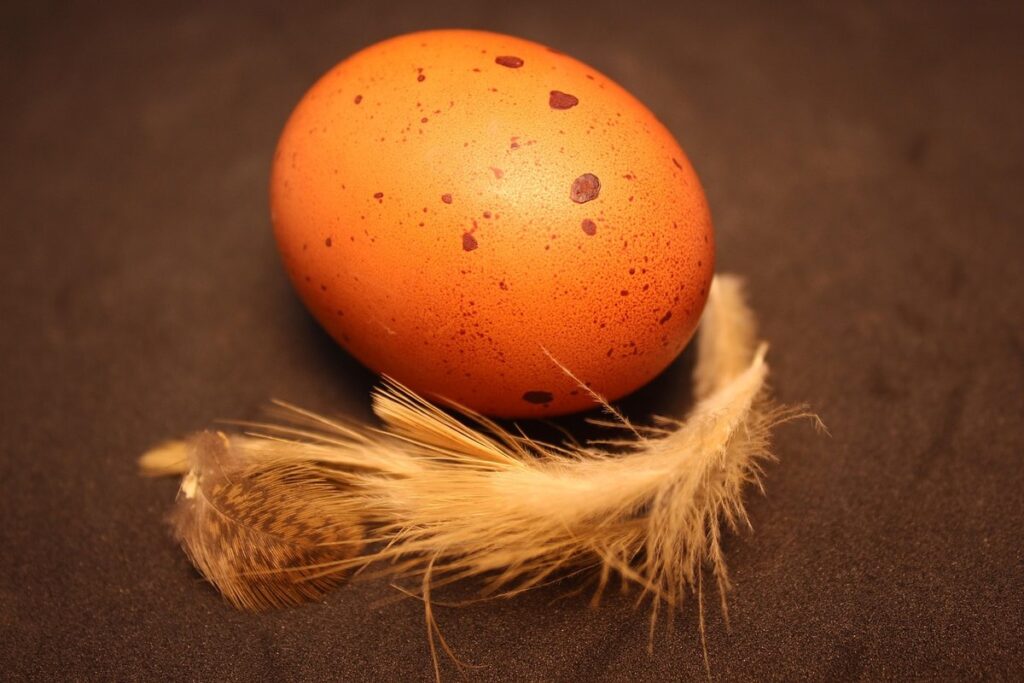
Introduction to Marans Chickens and Their Eggshell Colors
Let’s start by learning more about what makes Marans chicken eggs so unique, particularly when it comes to their distinctive eggshell colors. These birds are known for laying dark eggs that have a wide range of hues.
Brief Overview of Marans Breed History and Characteristics
The Marans breed has a rich history that dates back to 15th-century France. They originated from the La Ferté-Saint-Aubin region and were highly prized for their distinctive dark eggs, which were believed to possess medicinal properties. These chickens are known for their gentle nature, making them an excellent choice for small backyard flocks. They are generally docile, friendly birds that can thrive in a variety of living situations.
Marans chickens are also prolific egg layers, producing around 150-200 brown or dark-brown eggs per year. Their egg-laying abilities make them a popular choice among backyard chicken keepers and small-scale farmers. However, it’s essential to note that Marans chickens can be sensitive to heat and humidity, which may affect their egg production during extreme weather conditions.
To get the most out of your Marans flock, provide them with plenty of fresh water, a balanced diet, and adequate shelter from the elements. With proper care and management, you can enjoy an abundance of beautiful dark eggs from your Marans hens.
Physical Characteristics that Influence Eggshell Color
When it comes to Marans chickens, their unique physical characteristics play a significant role in determining the range of eggshell colors produced by this breed. As you may have observed, Marans hens with darker feathering tend to lay eggs with darker shells, while those with lighter feathers produce eggs with lighter shells. This is due to the way melanin, the pigment responsible for hair and skin color in animals, affects the eggshell production process.
In addition to feather color, beak shape can also influence eggshell color. Marans chickens with more curved beaks tend to produce darker eggs, while those with straighter beaks lay lighter-colored eggs. This is because the beak shape affects the way the hen pecks at her food and, subsequently, influences the amount of melanin present in the eggshell.
While there’s no guaranteed formula for predicting the exact eggshell color based on these physical characteristics, understanding their influence can help you make informed breeding decisions if you’re interested in producing a specific shade. By considering the combination of feather color and beak shape in your Marans flock, you may be able to achieve a greater range of colors in your eggs.
Understanding the Factors that Affect Eggshell Color
When it comes to Marans eggs, their unique dark color is influenced by a combination of genetics and environmental factors. Let’s explore what affects the eggshell’s deep chocolate hue.
Genetics and Inheritance Patterns in Marans Chickens
Genetics play a crucial role in determining the eggshell color of Marans chickens. The genetics behind eggshell pigmentation is complex, involving multiple genes that interact to produce a wide range of hues. Two key genes responsible for eggshell color are the brown pigment gene and the blue pigment gene.
The interaction between these two genes determines the final eggshell color. For example, when the brown pigment gene is dominant, it will mask any blue pigment present, resulting in a darker eggshell color. Conversely, when the blue pigment gene is dominant, it will produce a lighter eggshell color.
In Marans chickens, the specific genetic combination responsible for their characteristic dark eggshell color is not fully understood. However, research suggests that multiple genes are involved and that different breeds within the Marans family may have unique genetic combinations contributing to their distinct eggshell colors.
Environmental Influences on Eggshell Coloration
When it comes to eggshell coloration, many factors come into play. One of the most significant environmental influences on Marans chicken eggs is diet. The intensity and consistency of the dark color are directly affected by the nutrients and pigments present in their food. A balanced diet rich in antioxidants, such as those found in leafy greens, can enhance the richness and depth of the eggshell’s dark brown color.
On the other hand, a diet lacking essential minerals like copper or iron may result in lighter or more mottled colors. For example, if you’re noticing that your Marans chicken eggs have become less vibrant over time, it might be worth checking their feed for nutrient deficiencies.
Living conditions also play a crucial role in eggshell coloration. The quality of air and water available to the birds can impact the health and appearance of the eggshells. For instance, high humidity levels can lead to more consistent coloring, while exposure to pollutants or pesticides may cause mottling or discoloration.
When it comes to maintaining healthy Marans chicken eggs with intense dark colors, providing a balanced diet and optimal living conditions is key. Consider introducing supplements or adjusting their feed to ensure they’re getting the necessary nutrients for optimal eggshell coloration. Regular monitoring of your flock’s health and living conditions will also help you identify any potential environmental factors affecting the intensity and consistency of the eggshells’ dark brown color.
The Different Shades of Marans Chicken Eggs
Marans chicken eggs come in a range of dark, rich shades that set them apart from other breeds. Let’s take a closer look at the various colors you can expect to see.
Dark Brown Eggshell Colors: From Chocolate to Espresso
Dark brown eggshell colors are one of the most popular and sought-after shades among Marans chicken enthusiasts. As you explore the color chart, you’ll notice a rich palette of dark browns that can range from deep chocolate to espresso-like tones. One of the distinct characteristics of these eggs is their ability to display subtle undertones, such as reddish or golden hues.
For instance, eggs with a chocolate-brown hue often have a warm, inviting quality that makes them stand out. On the other hand, those with an espresso-like tone tend to be more intense and deep, almost velvety in appearance. Some notable variations within this range include:
* Mahogany: A reddish-brown shade with a hint of warmth
* Cognac: A rich, dark brown color with golden undertones
* Mocha: A blend of chocolate and coffee tones, often with a slight sheen
When collecting eggs from your Marans flock, keep in mind that the shade can vary depending on factors such as diet, age, and individual bird characteristics. But with experience, you’ll develop an eye for identifying these distinct dark brown eggshell colors and be able to predict which birds are likely to lay eggs within this range.
Lighter Brown and Cream-Colored Eggshells: Rarity and Rarity Factors
While Marans chicken eggs are known for their dark, rich hues, some flocks can produce lighter brown and cream-colored eggshells. These colors are relatively rare, making them a prized find for many chicken keepers. The production of these lighter shades is often attributed to factors such as genetics, nutrition, and environmental conditions.
For instance, a Marans flock with a stronger Barnevelder influence may be more likely to produce lighter brown eggs. On the other hand, a well-balanced diet rich in omega-3 fatty acids can also contribute to lighter eggshell coloration. Furthermore, the age of the hen and the quality of her living conditions can also play a role.
If you’re looking to encourage your Marans flock to produce lighter brown or cream-colored eggs, consider introducing a more varied and nutrient-rich diet. You may also want to explore the breed history and genetics of your flock to identify any potential influences on eggshell coloration. By understanding these factors, you can better appreciate the unique characteristics of your Marans chicken eggs.
Marans Chicken Egg Color Chart: A Visual Guide
Understanding the unique egg-laying abilities of your Marans chicken is essential, and that’s why we’ve created a visual guide to help you identify their distinct colors. Take a look at this chart to learn more about their beautiful eggs.
Illustrations and Descriptions of Each Eggshell Hue
The Marans eggshell comes in an array of rich, dark hues that set these eggs apart from others. To better understand and identify each shade, let’s explore the various colors you can expect to find.
* Dark Brown: This is one of the most common colors associated with Marans eggs, ranging from a deep, cool brown to a warm, chestnut-like tone.
* Chocolate Brown: Similar in appearance to dark brown, chocolate brown has a slightly reddish or golden undertone that gives it a distinctively rich look.
* Dark Espresso: For those who appreciate the deeper, darker side of eggshell colors, dark espresso is a true showstopper – think coffee-colored eggs with a subtle sheen.
* Mocha: A delightful combination of brown and beige, mocha eggs exude warmth and coziness. This shade often features hints of golden or reddish undertones.
* Mahogany: With its reddish-brown coloration, mahogany eggs bring a pop of color to the table. These eggs are characterized by their deep, rich hue with subtle undertones.
Each of these colors offers a unique and alluring appearance that will add an element of intrigue to your egg collection or Easter basket.
Tips for Interpreting and Using the Marans Egg Color Chart
When using the Marans egg color chart, it’s essential to consider several factors to ensure accurate identification of specific eggshell colors. First and foremost, make sure you’re examining eggs under natural light, as artificial lighting can distort color appearances.
Begin by orienting yourself with the chart’s color scale, which typically ranges from dark brown to mahogany red. Notice how the colors gradate into one another, and take note of any subtle variations in tone or intensity.
When attempting to identify a specific eggshell color, consider the age of the hen producing the eggs. Marans hens tend to lay darker eggs as they mature, so older birds may produce deeper, richer tones than younger ones.
Also, be aware that environmental factors such as diet and living conditions can influence eggshell color. For instance, hens fed a diet rich in beta-carotene (such as marigold petals) may produce eggs with more pronounced orange or yellow undertones.
By keeping these factors in mind and carefully examining the chart, you’ll be better equipped to accurately identify the unique colors of your Marans hens’ eggs.
Caring for Your Marans Chickens to Enhance Egg Quality and Color
To ensure your Marans hens produce eggs that meet their potential, learn how regular care, nutrition, and coop conditions impact egg quality and color. Proper care makes all the difference in achieving those prized dark marans eggs!
Dietary Considerations for Optimal Health and Eggshell Production
A well-balanced diet is crucial for maintaining the health and productivity of your Marans flock. When it comes to eggshell production, a diet rich in calcium is essential. Your Marans chickens require about 1-2% calcium in their diet to produce healthy eggshells. You can achieve this by providing them with oyster shells or crushed eggshells as supplements.
A diet lacking in nutrients can lead to weak and brittle eggs, which may cause breakages during collection. Ensure your flock has access to fresh vegetables, fruits, and grains. Leafy greens like kale and spinach are excellent sources of calcium, while carrots provide vitamin A essential for maintaining healthy vision and immune function. Grains such as oats and barley offer fiber and other vital nutrients.
Monitor the feed you’re providing and adjust it according to your flock’s needs. For instance, if your Marans chickens seem stressed or show signs of nutrient deficiencies, consider consulting with a poultry expert or veterinarian to recommend suitable supplements. By paying attention to their dietary requirements, you can expect healthier eggs and improve your overall flock’s well-being.
Tips for Creating an Environment that Supports Healthy Eggshell Colors
To create an environment that supports healthy eggshell colors, it’s essential to consider several factors. First, ensure your coop provides adequate light, as Marans chickens are sensitive to intense lighting. Aim for a daily photoperiod of 14 hours, with natural sunlight supplementing artificial lighting. A well-ventilated coop is also crucial, as poor airflow can lead to respiratory issues and stress, both of which can affect eggshell color.
Maintaining a clean and dust-free environment is vital, as Marans chickens are prone to egg yolk peroxidase activity, which can cause dark pigment deposition on the eggshell. Regularly clean the coop, replacing bedding material and disinfecting surfaces as needed. A balanced diet rich in nutrients, particularly omega-3 fatty acids, will also promote healthy egg production and color.
Lastly, consider providing a dust bath area for your Marans chickens to help maintain their feather quality and reduce stress. This simple yet effective practice can contribute significantly to producing eggs with beautiful, vibrant colors.
Frequently Asked Questions about Marans Chicken Eggs and Eggshell Colors
We’ve received many questions about the unique eggshell colors of Marans chickens, and here we’ll answer some of the most frequently asked ones. Let’s get started!
Common Misconceptions and Myths Debunked
One of the most exciting aspects of Marans chicken eggs is their unique color chart. However, like with anything that’s considered “special,” misconceptions and myths have started to circulate about these eggs.
Some people claim that Marans eggs are higher in certain nutrients than other egg varieties. While it’s true that Marans hens are known for their rich, dark egg yolks, there is no conclusive evidence to support the idea that these eggs offer a unique nutritional profile. In fact, according to data from the United States Department of Agriculture (USDA), the nutritional content of Marans eggs is very similar to other breeds.
Some claim that Marans eggs have special healing properties or that they can cure certain health issues. We’ve seen no credible research to back up these claims and we must advise against relying solely on these types of “eggs-tra” benefits. When it comes down to it, the best way to ensure you’re getting healthy eggs is through proper care and nutrition for your chickens.
Other misconceptions include claims that Marans eggs are more expensive or difficult to produce than other breeds. While initial costs may be higher due to the breed’s rarity, with proper management, Marans hens can thrive in backyard flocks just like any other breed.
Expert Answers to Reader-Submitted Questions on Marans Egg Coloration
We’ve received several questions from readers about Marans egg coloration. Let’s dive into some expert answers to these frequently asked questions.
One of the most common queries is: “Why do my Marans eggs have such a wide range of colors?” The truth is that Marans chickens are known for their unique and varied egg-laying abilities, producing eggs in shades from dark brown to almost black. This diversity is due in part to the chicken’s genetics, which make them prone to creating eggs with different pigmentation levels.
Another question we’ve received is: “How can I tell if my Marans eggs are truly dark or just dirty?” To avoid confusion, gently wipe the egg clean with a dry cloth before inspecting it. You can also compare your egg against our color chart for reference.
If you’re concerned about maintaining a consistent egg color, consider factors such as diet and nutrition. A well-balanced feed will support healthy pigmentation in the eggs.
Conclusion: The Unique Charm of Marans Chicken Eggs
Now that you’ve learned how to identify and understand the colors of your Marans chicken eggs, let’s talk about what truly makes them special. Their unique charm lies in their rich, dark colors.
Recap of Key Takeaways from the Article
As you’ve navigated through this comprehensive guide to Marans chicken eggs color chart dark, we hope you now have a deeper understanding of what makes these eggs so unique. Let’s recap the key takeaways from our discussion.
One of the primary focuses of this article was exploring the various shades and nuances that can be found in Marans chicken eggs. We examined how genetics play a crucial role in determining eggshell color, including the interaction between genes responsible for eumelanin and phaeomelanin production. Understanding these underlying mechanisms helps breeders and enthusiasts alike predict the potential colors of their flock’s eggs.
A key takeaway from this guide is that Marans chicken eggs can exhibit an incredible range of dark, rich hues. From deep chocolate browns to velvety blacks, each egg is a natural work of art. We discussed how eggshell color can be influenced by factors such as diet, environment, and the individual bird’s genetic makeup.
Practically speaking, this knowledge empowers breeders to make informed decisions when selecting stock or breeding their own Marans chickens. By paying attention to eggshell color, you may uncover hidden patterns or tendencies in your flock that can inform future breeding decisions.
For enthusiasts looking to add Marans chicken eggs to their collection, our guide provides a valuable resource for understanding the diversity of colors and patterns possible. Remember that every egg is unique, so be sure to handle each one with care – it’s not just an edible item but also a treasured collectible.
Frequently Asked Questions
What are the average egg-laying statistics for Marans hens?
Concise answer: As a general rule, Marans hens will lay between 150-200 dark brown eggs per year, depending on factors like breed quality, nutrition, and environmental conditions. While some may produce more or less, this range gives you an idea of what to expect from your flock.
Can I raise Marans chickens in a small backyard coop?
Practical answer: Yes! Marans are considered docile birds, making them suitable for small flocks and backyards. However, ensure adequate space (about 3-4 square feet per bird) and proper ventilation to keep them healthy and happy.
How do I recognize potential health issues in my flock based on eggshell color?
Actionable answer: Keep an eye out for significant changes in your hens’ normal egg colors or any unusual patterns, such as pale or thin eggs. This can indicate a nutrient deficiency or health issue that may need addressing through dietary adjustments or veterinary care.
What are some factors I should consider when selecting Marans breeding stock?
Important answer: When choosing Marans chickens for breeding purposes, prioritize birds with excellent egg-laying records, proper temperament, and desirable physical characteristics (e.g., feather quality, eggshell color). Consult reputable breeders or experienced owners to help you make informed decisions.
How do I create an environment that encourages healthy dark brown eggshell production?
Specific answer: Ensure your flock receives a balanced diet rich in calcium, vitamin D3, and protein. Provide adequate space for exercise and dust baths, which can help maintain overall health and well-being. Regularly clean the coop to prevent disease and stress on your birds.