
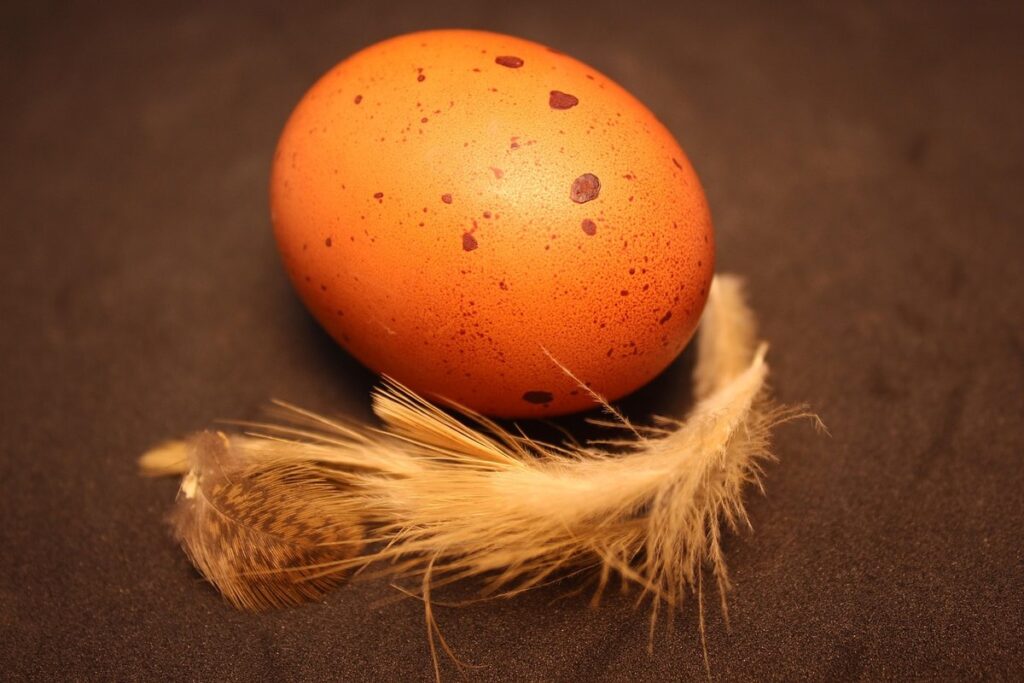
Are you looking to add some excitement to your backyard flock with birds that produce truly unique eggs? Look no further than the Marans chicken, renowned for its rich dark brown eggs. These stunning layers have been a favorite among backyard farmers and chicken enthusiasts for years, and it’s easy to see why.
Not only do Marans chickens lay the most beautiful eggs you’ve ever seen, but they’re also relatively low maintenance to care for. In this article, we’ll delve into the history of these special birds, explore the benefits of raising them in your backyard flock, and provide expert advice on how to get the most out of their egg-laying abilities. Whether you’re a seasoned chicken owner or just starting out, this guide will give you everything you need to know about Marans dark egg layers.
History and Origin of Marans Chickens
Let’s take a step back in time and explore how these magnificent birds originated, tracing their history from humble beginnings to their current status as prized egg layers. Their rich heritage is a fascinating tale.
Early Beginnings of the Breed
The Marans breed has its roots in 17th-century France, where it was bred for its exceptional egg-laying abilities and unique dark feathering. The earliest recorded mention of the breed dates back to 1615, when it was known as “Poule de l’Orléan” or “Hen of Orléans.” Initially, these birds were kept on small farms and estates by wealthy French nobility, who prized them for their rich, dark eggs.
As the breed gained popularity among farmers, selective breeding programs were established to enhance its desirable traits. By the late 1800s, Marans chickens had spread throughout France, with various regional strains emerging due to geographical isolation and local selection pressures. One of these strains, the “Marans de l’Anjou,” is still recognized today for its distinctive characteristics.
The breed’s introduction to other countries was gradual, with England being one of the first to adopt Marans in the early 20th century. From there, it spread throughout Europe and eventually around the world, becoming a staple among backyard chicken keepers and small-scale farmers due to its reliable egg production and attractive appearance.
Characteristics of French Marans
The French Marans breed is renowned for its unique appearance, which sets it apart from other dark egg layers. One of the most distinctive characteristics of this breed is its plumage. The Marans has a sleek and glossy coat that can range in color from black to dark brown with subtle silver or golden undertones. The feathers are typically smooth and tight against the skin, giving the bird a streamlined appearance.
In terms of beak shape, the French Marans has a distinctive orange-yellow beak, which is relatively small compared to other breeds. This feature adds to the bird’s charm and makes it easily recognizable as a Marans.
The body size of the Marans is another defining characteristic. They are medium-sized birds, with roosters weighing around 4-5 pounds (1.8-2.3 kg) and hens around 3-4 pounds (1.4-1.8 kg). Their compact build makes them an ideal choice for small backyard flocks.
In summary, the Marans breed is distinguished by its distinctive plumage, beak shape, and body size. If you’re considering keeping Marans in your flock, it’s essential to appreciate these unique characteristics that make this breed so endearing.
Health Benefits of Dark Brown Eggs
Dark brown eggs are not only a delight to look at, but they’re also packed with nutrients and offer several health benefits that make them an excellent choice for your family. Let’s take a closer look at some of these advantages.
The Importance of Eggshell Color
For many consumers, the allure of dark brown eggs lies not only in their rich color but also in what it may signify about the quality and nutritional value of the eggs. Some experts believe that darker eggshells can be an indicator of a higher nutrient content within the eggs themselves. This is because certain nutrients like iron and copper can contribute to the development of darker pigmentation on the eggshell.
While there isn’t conclusive scientific evidence to support this claim, it’s worth noting that dark brown eggs do tend to come from breeds known for their robust health and diverse diets. Marans hens, for instance, are often fed a varied diet rich in fruits and vegetables, which can influence the pigmentation of their eggshells.
If you’re looking to optimize the nutrient content of your eggs, consider providing your flock with a balanced and diverse diet that includes plenty of fruits, vegetables, and grains. This can help promote not only dark brown eggshells but also richer, more nutritious yolk colors.
Nutritional Comparison between Light-Brown and Dark-Brown Eggs
When it comes to choosing between light-brown and dark-brown eggs, many consumers are not aware that they also differ significantly in terms of nutritional content. Darker eggshells may hint at higher levels of certain nutrients within the egg itself.
Let’s break down some key differences:
* Protein: Both types of eggs have around 6-7 grams of protein per large egg; however, research suggests dark-brown eggs might contain slightly more.
* Fat content: Light-brown eggs generally hold a lower fat content compared to their darker counterparts, which can be attributed to the breed’s genetic predisposition towards increased nutrient retention.
* Vitamins and minerals: Darker eggshells have been linked to higher levels of omega-3 fatty acids, vitamin A, and iron. For instance, marans dark egg layers produce eggs rich in vitamins B12 and E due to their diverse diet comprising of insects, worms, and plants.
Keep in mind that individual results may vary depending on factors like the bird’s feed, overall health, and genetics. To maximize the nutritional value of your dark-brown eggs, consider using a balanced feeding program that includes a mix of grains, vegetables, fruits, and supplements tailored to meet your birds’ needs.
Marans Chickens as Backyard Layers
If you’re looking to add some excitement to your backyard egg-laying flock, the Marans chicken is an excellent choice for beginners and experienced farmers alike. This section explores their benefits as a backyard layer.
Setting Up a Coop for Your Marans Chickens
When setting up a coop for your Marans chickens, it’s essential to create an ideal environment that caters to their needs. First and foremost, consider the space requirements of these birds. Marans chickens are active and love to move around, so they need plenty of room to stretch their wings and exercise. A good rule of thumb is to provide at least 3-4 square feet of space per chicken inside the coop.
Proper ventilation is also crucial in a Marans coop. These birds can be prone to respiratory issues if the air isn’t circulating well, so make sure your coop has adequate windows and vents to keep the air fresh. You should aim for about 1-2 inches of space between each bar in the coop’s walls for optimal airflow.
In terms of nesting boxes, Marans hens are known for being prolific layers, but they also appreciate having a safe and comfortable place to lay their eggs. A good coop should have one nesting box per 3-4 hens, with an inside dimension of about 12 inches wide x 12 inches deep x 18 inches tall. Line the boxes with soft bedding like straw or wood shavings to make your Marans hens feel right at home.
Tips for Raising Healthy Marans Chickens
When raising Marans chickens in your backyard, it’s essential to prioritize their health and well-being. These birds are known for their rich, dark eggs, but they require proper care to thrive.
Feeding your Marans flock a balanced diet is crucial. Provide them with high-quality layer feed as the main staple, supplemented with fruits, vegetables, and grains. Aim to offer around 16-18% protein content in their feed, which will help support their egg production. You can also consider adding oyster shells or crushed eggshells to their diet for extra calcium.
Watering is just as important as feeding. Ensure your Marans have access to fresh, clean water at all times. Change the water frequently to prevent bacterial growth and contamination. In hot weather, provide an additional source of water, such as a shallow dish or birdbath, to keep them hydrated.
Regular parasite control measures are also necessary to prevent internal and external issues. Check your Marans regularly for signs of lice, mites, or worms, and treat promptly if you notice any issues. Keeping their coop clean and well-ventilated will help reduce the risk of parasites.
Breeding and Genetics of Dark Brown Eggs
Let’s dive into the fascinating world of Marans genetics, where we’ll explore how breeders create those stunning dark brown eggs that make these birds so sought after. We’ll uncover the secrets behind their rich eggshell coloration.
Factors Affecting Eggshell Color
The genetics behind eggshell color is a complex interplay of multiple factors. It’s influenced by both genetic and environmental components. The genetics of Marans chickens, specifically, determine their ability to lay dark brown eggs. This trait is linked to the production of porphyrins, which are responsible for the red to purple pigment in the shell.
Nutrition also plays a crucial role. For example, a diet rich in copper can enhance pigmentation. On the other hand, excessive dietary copper can lead to an overabundance of this element, resulting in greenish or bluish tints on the eggshell. Additionally, factors like stress and age can affect eggshell color.
In practical terms, if you’re raising Marans chickens for their dark eggs, it’s essential to provide a balanced diet that includes adequate copper levels without overdoing it. Maintaining optimal nutrition is key to ensuring consistent and appealing dark brown eggshell colors. It’s also worth noting that individual birds may exhibit variations in eggshell color due to genetic diversity within the breed.
Selective Breeding for Desired Traits
When it comes to breeding Marans chickens specifically for their dark brown eggs, selective breeding practices play a crucial role. The goal is to enhance desirable traits such as eggshell color, size, and quality while maintaining the breed’s unique characteristics. To achieve this, breeders use various techniques to select for specific traits.
One key aspect of selective breeding is identifying the genetic factors that influence eggshell color. Research has shown that a combination of genes inherited from the parents determines the final eggshell color. By selecting birds with dark brown eggs and breeding them together, you can increase the likelihood of producing offspring with similar traits. Breeders often use methods such as pedigree analysis to identify individuals carrying the desired genetic makeup.
To implement selective breeding effectively, breeders should prioritize maintaining a diverse gene pool while focusing on specific traits. This ensures that the resulting offspring have a good balance of desirable characteristics and are less prone to inherited health issues. By carefully selecting and breeding birds with dark brown eggs, you can develop a flock with consistently high-quality eggs and maintain the unique features of the Marans breed.
Caring for Marans Chickens during Molting
When it comes time for your Marans hens to molt, don’t worry – we’ve got you covered! This section shares tips on supporting their health and well-being during this natural process.
Understanding the Molting Process
Molting is an essential process for Marans chickens to recover from intense egg-laying periods. As you care for these dark egg layers, it’s crucial to understand why and how molting occurs.
During the breeding season, Marans hens may produce up to 300 eggs per year. This intense laying can deplete their calcium reserves and lead to physical exhaustion. As a result, they begin to molt – a natural process where they shed old feathers and grow new ones. Molting is triggered by the reduction of daylight hours, and it usually starts in late summer or early fall.
The duration of molting varies depending on factors such as age, nutrition, and overall health. Typically, Marans chickens take around 6-8 weeks to complete the molting process. During this time, they will appear dull and lackluster due to the loss of feathers. However, it’s essential to provide them with a balanced diet rich in protein and calcium to support their recovery.
As your Marans hens enter molting, ensure you offer plenty of fresh water, nutritious feed, and adequate space for exercise and relaxation. By understanding and supporting this natural process, you can help your flock bounce back stronger and healthier than ever.
Tips for Supporting Your Flock through Molting
During molting, Marans chickens may require extra attention and care to ensure they stay healthy and productive. One crucial aspect of supporting your flock during this period is nutritional support. Provide a balanced diet rich in protein, vitamins, and minerals to help stimulate feather growth and maintain overall health. You can supplement their regular feed with foods high in calcium and phosphorus, such as oyster shells or crushed eggshells, to promote strong beak and bone development.
To reduce stress on your flock, make sure their living space is clean and well-ventilated. Remove any debris or droppings from the coop to prevent ammonia buildup, which can lead to respiratory issues. Provide adequate nesting boxes and roosts for your birds to roost comfortably at night. Keep an eye out for signs of stress, such as feather pecking or excessive dust bathing.
Regularly inspect your flock’s molting process and adjust their care accordingly. Some Marans chickens may experience more intense molting than others, so be prepared to provide extra support during this time.
Common Health Issues Affecting Marans Chickens
Like all chicken breeds, Marans are susceptible to certain health issues that can impact their egg-laying performance and overall well-being. In this section, we’ll cover some common problems to watch out for.
Identifying Potential Health Risks
As you care for your Marans chickens, it’s essential to be aware of potential health risks that can affect these beautiful birds. Respiratory problems are a common issue in Marans, particularly during the winter months when cold temperatures and damp air can exacerbate breathing difficulties. Pneumonia, bronchitis, and tracheal stenosis are just a few respiratory conditions that can impact your flock.
Parasites like mites, lice, and fleas can also cause significant problems for Marans chickens. Regular checks and preventative measures such as dusting or medicating the coop, providing clean bedding, and keeping the flock’s living area spotless can help minimize parasite infestations.
Egg-laying disorders are another common health issue in Marans hens. Conditions like hypocalcemia (milk fever) and egg binding can be serious, so it’s crucial to recognize the signs early on. Monitor your hen’s behavior, appetite, and egg production closely, and seek veterinary attention if you notice any unusual symptoms.
By staying vigilant and taking proactive measures, you can help prevent or manage these health issues in your Marans flock. Regular check-ups with a veterinarian experienced in poultry care will also give you peace of mind and ensure the overall well-being of your birds.
Preventative Measures for Healthy Flock Management
When it comes to maintaining a healthy flock of Marans chickens, preventative measures are essential. One of the most effective ways to prevent illnesses is through vaccination programs. Consult with a veterinarian to determine which vaccinations are necessary for your flock, and ensure they receive regular boosters.
Parasite control is also crucial in preventing health issues. Regularly clean and disinfect coop and run areas, and implement a parasite control program that includes deworming medications and mites treatments. Consider using natural methods like diatomaceous earth or garlic to control internal parasites.
Nutrition plays a significant role in maintaining overall health. Provide your Marans chickens with a balanced diet that includes high-quality layer feed, supplemented with fresh fruits and vegetables. Ensure access to clean water at all times, and consider adding probiotics to promote digestive health.
By implementing these preventative measures, you can significantly reduce the risk of illness and maintain a healthy flock. Regularly monitor your birds’ behavior, appetite, and droppings for signs of illness, and consult with a veterinarian if you notice any changes.
Conclusion: Why Choose Marans Dark Egg Layers?
Now that you’ve learned all about the wonderful world of Marans dark egg layers, let’s summarize why these birds are a great choice for your backyard flock.
Recap of Key Benefits
Raising Marans chickens as backyard layers offers numerous benefits that make them an attractive choice for many enthusiasts. One of the most notable advantages is their unique eggshell color, which can range from dark brown to almost black. This distinctive trait adds a touch of elegance to any homemade baked goods or breakfast dishes.
Beyond aesthetics, Marans eggs also boast an impressive nutritional profile. With higher levels of protein and vitamins A and E compared to some other breeds, they make an excellent choice for families seeking to incorporate fresh, wholesome ingredients into their meals.
In terms of overall health, Marans are known for their hardiness and relatively low maintenance requirements. They adapt well to various climates and can thrive in a range of environments with minimal fuss. This makes them an ideal choice for busy households or those new to backyard chicken keeping.
To make the most of your Marans flock, be sure to provide plenty of space for exercise and allow them access to fresh air and natural light. With proper care, these wonderful birds will reward you with rich, dark eggs that are as nutritious as they are beautiful.
Final Thoughts and Recommendations
If you’re convinced that Marans dark egg layers are the right choice for your backyard flock, it’s time to take the next step. Incorporating these beautiful birds into your existing flock will not only add a touch of elegance but also bring numerous benefits. For one, their rich, dark eggs will undoubtedly be a conversation starter and a prized possession among fellow chicken enthusiasts.
Before welcoming your new Marans friends, consider the following: ensure you have sufficient space to accommodate them comfortably; provide an adequate layer of insulation to protect them from harsh weather conditions; and plan for regular health checks to maintain their optimal well-being. Don’t forget to research local regulations regarding backyard chickens in your area and obtain any necessary permits.
Lastly, remember that Marans chickens are social birds and thrive on interaction. Spend quality time with your flock, and you’ll be rewarded with increased egg production and a happy, healthy environment for all.
Frequently Asked Questions
Can I raise Marans chickens if I have limited space?
Yes, you can raise Marans chickens even with limited space, but it’s essential to ensure they have enough room to move around comfortably. A minimum of 2-4 square feet per bird is recommended for a healthy and happy flock.
How long do Marans chickens take to start laying eggs?
Marans chickens typically begin laying eggs at around 18-20 weeks of age, with some starting as early as 16 weeks. However, their egg production may be slower during the first year compared to other breeds.
What are the ideal living conditions for Marans chickens?
Marans chickens prefer a temperate climate with moderate temperatures between 40°F and 80°F (4°C and 27°C). They also require adequate ventilation, shelter from harsh weather, and protection from predators to thrive in their new environment.
Can I mix Marans chickens with other breeds in my backyard flock?
Yes, you can mix Marars chickens with other breeds in your backyard flock. In fact, mixing breeds can bring unique benefits, such as introducing new genetic traits and egg-laying abilities. However, ensure that the breed compatibility is suitable for your specific climate and living conditions.
How often should I collect eggs from my Marans hens to prevent breakage?
It’s recommended to collect eggs at least twice a day, or whenever you notice they’re being laid. This will not only reduce breakage but also encourage your hens to continue laying eggs in their favorite nesting box.