
Are you a poultry enthusiast looking to add some excitement to your backyard flock? Or perhaps you’re an experienced breeder wanting to perfect the art of promoting vibrant eggshell colors in your Marans hens? Either way, you’ve come to the right place! In this article, we’ll dive into the fascinating world of Marans eggs and share with you our ultimate color chart. But what makes Marars eggs so special? It’s all about genetics and nutrition – understanding how these factors interact is key to unlocking the full potential of your flock.
We’ll take a closer look at why certain characteristics influence eggshell colors, and provide expert tips on how to promote healthy development in your birds. From dietary requirements to breeding best practices, we’ve got you covered. Whether you’re just starting out or looking to refine your skills, this comprehensive guide will equip you with the knowledge needed to successfully breed, raise, and care for stunning Marans birds that lay gorgeous eggs.
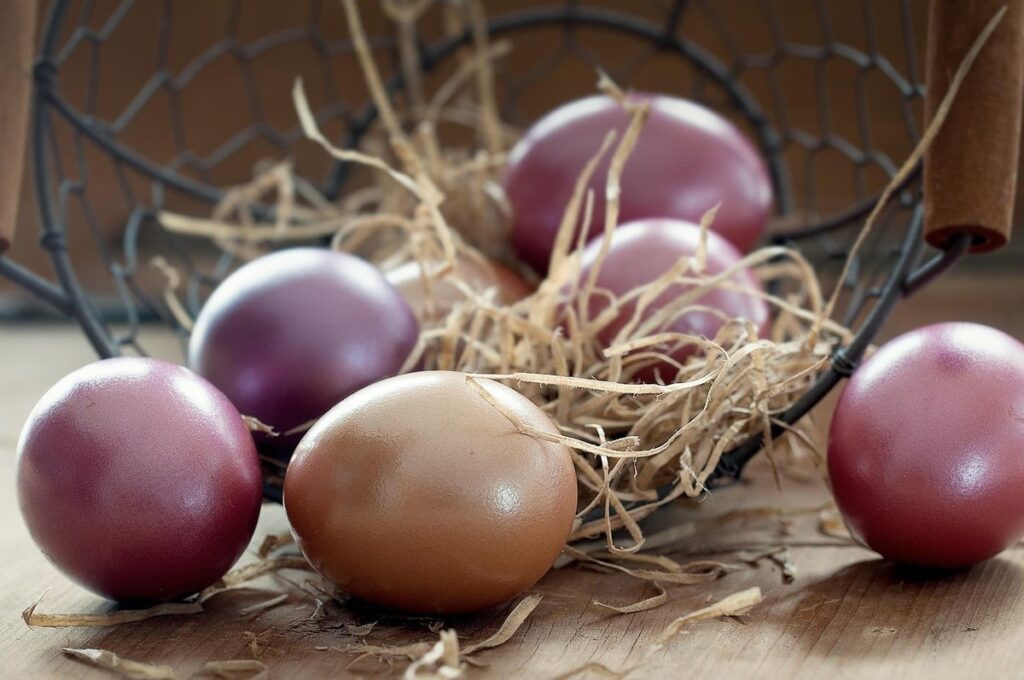
Introduction to Marans Eggs
Let’s get started on understanding what makes Marans eggs so unique, as we dive into their distinctive color patterns and characteristics. You’ll soon see why they’re a breeder’s delight!
What Are Marans Chickens?
Marans chickens are a breed known for their distinctive egg-laying abilities and rich, dark brown eggs. Originating from France, these birds have been prized by farmers and hobbyists alike for centuries due to their impressive egg production.
One of the most notable characteristics of Marans chickens is their slate-blue feathers, which can range in shade depending on the specific breed. They’re a medium-sized bird with a calm demeanor, making them suitable for small farms or backyard coops.
Marans hens are prolific layers, producing an average of 150-200 large brown eggs per year. Their eggs have a characteristic “marbled” appearance, with a mix of dark and light brown hues that give them their unique coloring. This is due to the high concentration of oocyanin pigments in their egg yolks.
If you’re considering adding Marans chickens to your flock, be sure to research local regulations regarding backyard farming and ensure you have adequate space for these birds to roam.
Importance of Egg Color in Breeding
When it comes to breeding Marans chickens, egg color is not just a matter of aesthetics; it plays a significant role in identifying and preserving the breed’s genetics. Each egg color variation is linked to specific genetic traits, making it crucial for breeders to understand the importance of egg color.
For instance, the dark, chocolate-brown eggs produced by Marans chickens are due to the deposition of porphyrins, which are pigments produced during the chicken’s metabolism. The amount and type of these pigments determine the intensity of the eggshell color. By tracking and identifying the different egg colors, breeders can better understand the genetic makeup of their flock.
Moreover, accurate identification of egg color is essential for maintaining purity in breeding programs. If you’re a Marans breeder, knowing how to identify the various egg color variations will help you make informed decisions when selecting birds for your program and ensure that you’re working with genetically pure stock.
Understanding the Marans Egg Color Palette
When it comes to the Marans egg color palette, you’ll discover an array of stunning shades and colors. One of the most distinctive features of Marans eggs is their blue tint, which can range from a soft sky blue to a deep navy. You may find that some eggs have a more pronounced blue undertone, while others are nearly greenish in hue.
In addition to blue, Marans eggs often display dark brown or chocolate-colored shades. These can be uniform or patchy, with some eggs having large blotches of darker color. Some breeders even report finding eggs with speckled patterns, featuring small dots of darker color scattered across a lighter background.
If you’re new to collecting Marans eggs, it’s essential to understand that each hen will produce eggs with unique characteristics. With practice and experience, you’ll become more adept at predicting the colors and patterns you can expect from your flock. To enhance your collection, consider keeping track of which hens lay blue versus dark brown or speckled eggs – this information can be valuable when it comes to egg selection and marketing.
The Science Behind Marans Egg Colors
Let’s dive into the fascinating world of egg color genetics and explore how specific genes influence the stunning shades found in Marans eggs.
Genetics of Eggshell Color
When it comes to the fascinating world of eggshell colors, genetics play a significant role in determining their hue. In Marans, just like other chicken breeds, the combination of dominant and recessive traits determines the eggshell color. Dominant genes will always “win” over recessive ones, so if you have two dominant genes for one color, it’s guaranteed to be expressed.
Let’s take a look at the genetics behind some common Marans egg colors: Barred Marans eggs owe their striking pattern to the combination of the E (dominant) and e (recessive) genes. When crossed with another Barred Marans, the chances of producing offspring with similar markings are high due to the dominant nature of these genes.
On the other hand, Wheaten Marans eggs get their characteristic cream color from a recessive gene pair: I/iI (dominant). To produce this lovely shade, you need two copies of the recessive gene, i. If crossed with another Wheaten, there’s still a 25% chance of producing an offspring without this trait.
By understanding these basic genetic principles, you can make informed decisions about breeding Marans for specific eggshell colors and patterns.
Factors Affecting Egg Color Intensity
When it comes to the egg color intensity of Marans, several environmental factors come into play. One significant factor is diet, and what your hen eats can directly impact the coloration of her eggs. A diet rich in beta-carotene, such as leafy greens and sweet potatoes, will result in a deeper, richer orange hue. On the other hand, a diet lacking in this essential nutrient may produce lighter-colored eggs.
The age of the hen also plays a crucial role in determining egg color intensity. Marans hens tend to produce their most vibrant eggs during peak laying years (around 18-24 months). As they mature and continue to lay eggs, the colors may become less intense due to declining levels of certain pigments. Factors such as health can also impact egg color, with sick or stressed hens often producing lighter-colored eggs.
To achieve optimal egg color intensity in your Marans flock, ensure they’re receiving a balanced diet rich in beta-carotene and maintain good health practices, including regular vaccinations and parasite control.
Breed-Specific Characteristics
When it comes to understanding the fascinating world of Marans egg colors, it’s essential to acknowledge the significant role that breed-specific characteristics play. The type of feathering and plumage a Marans chicken possesses can significantly influence the shade and intensity of its eggs.
One key characteristic to consider is the feather type. Marans chickens have two primary types of feathers: hackle and saddle. Hackle feathers, located on the neck, are longer and more pointed, while saddle feathers cover the back. The density and length of these feathers can impact how much pigment is deposited onto the eggshell, resulting in varying shades of dark brown to chocolate.
The plumage of Marans chickens also plays a crucial role in determining egg color. A Marans with a copper-colored sheen will typically lay eggs with a deeper, richer tone than those with a more muted or grayish sheen. This is due to the presence of melanin, which reacts with the surrounding environment to create distinct colors.
By recognizing and understanding these breed-specific characteristics, you can better predict the potential egg color palette your Marans flock may produce.
The Marans Egg Color Chart: Understanding the Varieties
Welcome to our egg-stra special chart that breaks down the stunning varieties of Marans eggs, from deep dark chocolate to rich mottled browns and creamy whites. Let’s dive in and explore them together!
Blue Marans Eggs
Blue Marans eggs are a stunning addition to any chicken keeper’s collection. These eggs showcase a beautiful blue coloration that is truly one-of-a-kind. The distinctive bluish-green tint of Blue Marans eggs is due to the unique characteristics of the breed itself, which is known for its striking plumage and iridescent feathers.
The coloration of Blue Marans eggs can vary from a pale blue to a deep blue-green hue, depending on the individual bird’s genetic makeup. One of the most distinctive features of these eggs is the way they seem to shift in color when viewed from different angles – a phenomenon known as “dichroism.” This makes each egg truly unique and visually striking.
If you’re new to raising Marans chickens, it’s worth noting that Blue Marans eggs are typically more expensive than those from other breeds. However, their exceptional beauty and rich, dark color make them well worth the investment for many chicken enthusiasts.
Dark Brown Marans Eggs
Dark brown Marans eggs are a stunning addition to any chicken keeper’s collection. These eggs boast a rich, dark brown coloration that’s both beautiful and unique. One of the key characteristics of dark brown Marans eggs is their deep, cool undertones, which set them apart from other varieties.
If you’re new to collecting Marans eggs, it may take some practice to distinguish between different shades and colors. However, with experience, you’ll quickly become familiar with the distinct coloration of dark brown eggs. For instance, if an egg has a lighter or warmer tone, it’s likely not a pure dark brown Marans egg.
To identify dark brown Marans eggs, look for the following characteristics:
* A deep, cool brown color that almost appears black in certain lighting conditions
* Rich undertones that add depth and visual interest to the overall appearance
* A relatively large size, often comparable to other dark-brown egg-laying breeds
By paying attention to these details, you’ll be able to confidently identify dark brown Marans eggs and appreciate their unique beauty.
Speckled Marans Eggs
Speckled Marans eggs are a stunning variation of the breed’s signature dark, chocolate-brown hue. Characterized by their mottled appearance, these eggs often feature scattered specks or patches of lighter brown or tan coloration, giving them a unique and eye-catching look.
The genetics behind this trait can be attributed to the interaction between multiple genes that control eggshell pigmentation. While it’s difficult to predict with certainty which chicks will inherit the speckled gene, breeders often select for individuals with desirable characteristics in the hopes of passing on these traits to their offspring.
For backyard chicken keepers or serious breeders looking to add some visual interest to their flock, speckled Marans eggs can be a compelling reason to choose this breed. With proper care and management, your Marans hens will reward you with an abundance of beautiful, unique eggs that are sure to impress family, friends, and neighbors alike.
Some breeds of chickens, such as the Blue or Black Copper Marans, are more likely to produce speckled eggs due to their genetic makeup. However, even within these lines, individual egg-laying hens may exhibit varying degrees of speckling, making each bird’s eggs a one-of-a-kind treasure.
Tips for Raising Healthy Marans Hens
If you’re new to raising Marans hens, it’s essential to know how to keep them healthy and happy, which will directly impact their egg-laying abilities. We’ll share our top tips for raising thriving Marans flocks in this next section.
Nutritional Requirements for Optimal Egg Color
To ensure that your Marans hens produce eggs with vibrant, healthy colors, it’s essential to provide them with a balanced diet rich in nutrients. A well-planned diet is crucial for maintaining optimal eggshell color, which is influenced by the hen’s nutritional intake.
Adequate calcium and vitamin D3 are vital for producing strong, colored eggshells. Include dark leafy greens like kale and spinach, as well as fortified foods or supplements that provide essential vitamins and minerals. A good rule of thumb is to feed your hens a mix of 16-18% protein layer feed supplemented with a calcium-rich oyster shell grit.
In addition to these staples, consider adding other nutrient-dense ingredients to their diet. Fresh fruits like berries and citrus fruits are rich in antioxidants and can help maintain healthy eggshell color. Avoid over-reliance on treats, as they can disrupt the hens’ natural balance of nutrients.
Remember that individual hens may have unique nutritional needs, so monitor their health closely and adjust their diets accordingly. By providing your Marans hens with a balanced diet rich in essential nutrients, you’ll be well on your way to achieving those beautiful, deep-brown egg colors.
Health Considerations for Marans Chickens
As you delve into raising healthy Marans hens, it’s essential to consider their potential health issues and take proactive steps to prevent or manage them. Marans chickens are prone to several common health problems due to their unique genetic makeup and breeding history.
One significant concern is the tendency towards obesity in Marans hens. Their love for rich food and sedentary lifestyle can lead to weight-related issues, making them more susceptible to conditions like joint pain and heart disease. To combat this, ensure your Marans hens have a balanced diet with limited treats and regular exercise opportunities.
Another health issue affecting Marans chickens is eye problems, particularly in young birds. Regular checks by an experienced breeder or veterinarian can help identify potential issues early on. In addition, maintaining a clean and well-ventilated coop, as well as providing adequate lighting and space for your hens to move around freely, will contribute significantly to their overall health.
To further minimize the risk of common health problems in Marans chickens, consider the following:
* Feed them a high-quality feed specifically formulated for dark-feathered breeds.
* Keep their living area clean and free from drafts.
* Provide regular exercise opportunities through playtime or enrichment activities.
* Schedule regular health checks with an experienced breeder or veterinarian.
By taking these precautions and staying informed about potential health issues, you can help ensure your Marans hens live long, healthy lives and continue to produce those stunning dark eggs.
Managing Stress in Your Flock
Managing stress in your flock is essential to maintaining their overall health and well-being. When your hens are under stress, it can negatively impact egg production and quality. A stressed hen may produce smaller eggs, or even stop laying altogether.
There are several reasons why your Marans hens might be experiencing stress. Perhaps they’re not getting enough space to roam, or maybe their living conditions are too crowded. It could also be due to a lack of social interaction, as these birds thrive on being around others.
To minimize stress in your flock, start by providing them with ample space to move around. This can be achieved by adding more room to their coop or run. You should also ensure they have access to fresh air and natural light. If you notice any signs of stress such as excessive pecking at each other or aggressive behavior, consider separating the birds.
Additionally, make sure your hens are getting enough to eat and that they’re drinking clean water daily. Regular cleaning of their coop and living area can also help reduce stress levels in your flock. By implementing these simple strategies, you’ll be well on your way to creating a happy and healthy environment for your Marans hens.
Conclusion: Using the Marans Egg Color Chart Effectively
Now that you’ve learned how to read and interpret the Marans egg color chart, let’s discuss how to effectively use it in your breeding and hatching plans.
Interpreting the Marans Egg Color Chart
Using the Marans Egg Color Chart to Identify and Breed Specific Traits is an art that requires attention to detail and a clear understanding of the chart’s nuances. To start, familiarize yourself with the chart’s layout and the different egg color categories it includes. Notice how each breed-specific category has a unique range of colors associated with it.
When interpreting the chart, look for the specific breed you’re working with and note the corresponding color ranges. For example, if you’re breeding Marans chickens and want to identify offspring that will lay chocolate-brown eggs, refer to the ‘Marans’ category on the chart and find the range of egg colors associated with it.
To breed rare colors, focus on the overlap between breeds or consider selecting for specific genetic traits. The chart can also help you predict the likelihood of certain color combinations occurring in your flock. Keep in mind that while the chart provides a general guideline, actual eggshell colors may vary due to individual genetics and environmental factors.
Breeding for Consistency and Quality
When breeding Marans chickens to meet your desired standards for consistency and quality, it’s essential to focus on genetics. Start by selecting hens with the most desirable egg color characteristics from each generation. This means choosing birds that consistently lay eggs within one to two shades of the same color.
To further refine your flock’s color palette, consider implementing a grading system. Assign a score based on the intensity and uniformity of the egg color, taking into account factors like darkness, lightness, and blue or brown undertones. This will help you identify which birds are producing eggs with the most desirable traits.
Another crucial aspect is maintaining a diverse gene pool to prevent inbreeding. Introduce new bloodlines from reputable breeders, ensuring that your flock remains healthy and resilient. Regularly monitor and record egg production, fertility rates, and other key metrics to refine your breeding program over time.
Final Thoughts on the Importance of Egg Color
As you’ve navigated through the complexities of the Marans egg color chart, it’s essential to remember why this knowledge is crucial in chicken breeding. Egg color matters because it’s a trait that can significantly impact the health and fertility of your birds. A comprehensive understanding of egg color will enable you to identify potential issues early on and make informed decisions about your flock.
For instance, a sudden change in egg color could indicate a nutritional deficiency or an underlying health issue. By being familiar with the different shades and patterns associated with Marans eggs, you can quickly recognize any abnormalities and take corrective action.
In addition to its practical applications, understanding egg color can also help you make informed breeding decisions. For example, if you’re looking to create a flock with specific characteristics, knowing how to identify and select for desirable egg colors can be a game-changer. Remember, mastering the Marans egg color chart is just the first step – applying this knowledge in your daily chicken-keeping routine will help you take your breeding program to the next level.
Frequently Asked Questions
What are the optimal living conditions for Marans hens to produce eggs with vibrant colors?
To promote healthy eggshell development, ensure your Marans hens have access to a well-ventilated coop with adequate space (around 3-4 square feet per bird) and adequate nesting boxes. Also, provide a balanced diet rich in calcium and protein to support strong egg production.
Can I breed Marans chickens for blue eggs if they naturally lay dark brown eggs?
Yes, but it’s crucial to understand that eggshell color is determined by genetics. If you want to breed blue Marans eggs, you’ll need to select birds with the genetic predisposition for blue egg production and then carefully manage their breeding program.
How can I determine which nutritional factors affect my Marans hens’ egg colors?
The main nutrient affecting eggshell color is calcium, but other essential minerals like iron and zinc also play a role. Consider adding supplements or adjusting your feed to optimize these nutrients in your flock’s diet, keeping in mind individual bird needs.
What are some common health issues I should watch out for in my Marans chickens?
Watch for signs of stress (e.g., feathers loss), mites, and parasites, which can affect egg color intensity. Regularly inspect your birds’ overall health, keep a clean coop environment, and maintain proper vaccination schedules to prevent common diseases.
Can Marans hens lay eggs with different colors if they have access to various foods or supplements?
Yes, while genetics play the primary role in determining eggshell color, nutrition can influence intensity. However, introducing too many variables (e.g., varied diets) might confuse your birds and affect their overall health rather than benefiting them.