
If you’re an egg enthusiast or a seasoned chicken keeper, you’ve probably come across Marans eggs with their striking dark brown color. But have you ever wondered what makes these eggs so unique? The answer lies in pigmentation, which is influenced by genetics and diet. In this article, we’ll delve into the mystery behind Marans eggs’ distinctive color and explore its culinary uses, health benefits, and care requirements. From roasting to baking, dark-colored eggs can add a richness to your dishes that’s hard to match with lighter-hued alternatives. We’ll also discuss how to incorporate Marans eggs into your diet and provide tips on caring for these beautiful birds to ensure they continue producing their prized eggs. Whether you’re a foodie or an animal lover, this article is sure to crack open the secrets of Marans eggs.
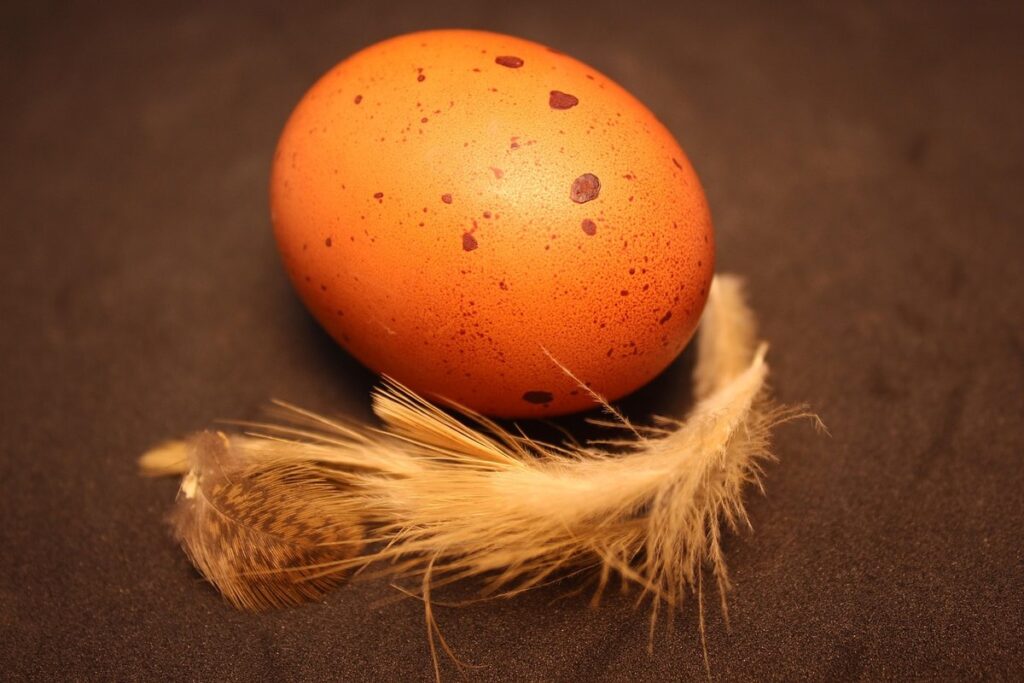
Introduction to Marans Eggs
Let’s start by diving into what makes Marans eggs so distinctive, and we’ll explore the unique characteristics that set their dark color apart.
What Are Marans Eggs?
Marans eggs are a delight for many chicken enthusiasts and egg collectors. But before we dive into their unique characteristics, let’s take a step back and explore the Marans breed itself.
Originating from France, specifically from the Normandy region, the Marans breed is an ancient one with a rich history dating back to the 15th century. Known for its dark plumage, Marans chickens are often referred to as “French Black” or “Belgian Bearded d’Uccle”. Their distinctive appearance is a result of their genetic makeup, which also contributes to the unique color and quality of their eggs.
Marans birds are medium-sized, weighing around 6-7 pounds, with a sturdy build and docile nature. They’re an excellent choice for backyard flocks due to their friendly demeanor and low noise level. One of the most distinctive characteristics of Marans is their egg-laying ability. Hens will produce around 150-180 dark-brown eggs per year, making them a popular choice among breeders and enthusiasts.
History and Popularity of Marans Eggs
Marans eggs have been a staple in baking and cooking for centuries, particularly in Europe where their rich, dark color is prized for its unique flavor and appearance. The history of Marans eggs dates back to the 17th century in France, where they were highly valued by chefs and home cooks alike.
In the early days, Marans eggs were sought after for their distinctive color, which was believed to possess medicinal properties. The dark brown eggs were thought to be easier to digest than lighter-colored eggs, making them a staple in traditional French cuisine. As trade routes expanded, Marans eggs gained popularity throughout Europe, becoming a favorite among bakers and cooks.
Today, Marans eggs remain a popular choice for baking and cooking due to their rich, buttery flavor and dark color. They are particularly well-suited for dishes where the egg is the star ingredient, such as quiches, omelets, and baked goods like cakes and cookies. Whether you’re a seasoned chef or an amateur cook, incorporating Marans eggs into your recipes can add depth and complexity to even the simplest of dishes.
The Science Behind Dark Eggshells
Let’s dive into the fascinating science behind dark eggshells, where genetics and biology combine to create Marans eggs’ signature rich color. This complex process is what sets them apart from other breeds.
Pigmentation Process in Chicken Eggs
When you crack open a Marans egg, you’re not just releasing a beautiful yolk and white, but also a remarkable piece of art. The pigmentation process that creates the dark color of Marans eggs is nothing short of fascinating.
The key players in this process are porphyrins and melanin, two essential pigments responsible for the rich colors found in nature. These molecules are deposited onto the eggshell membranes through an intricate dance of biology and chemistry. The first step involves the transfer of calcium ions from the hen’s diet to her bloodstream. This is followed by the conversion of these ions into a pigment called protoporphyrin, which eventually combines with iron atoms to form heme.
As the egg matures, melanin – the same pigment responsible for hair and skin color in humans – begins to deposit itself onto the porphyrins, gradually building up layers that absorb light and create the characteristic dark color. This unique interplay of pigments is what gives Marans eggs their distinctive deep brown hue. By understanding this process, you can appreciate not only the natural wonder of these eggs but also the intricate biology at play within them.
Factors Affecting Eggshell Coloration
When it comes to understanding why Marans eggs have such a distinctive dark color, we need to consider the interplay of genetic, environmental, and nutritional factors. Let’s break these down one by one.
Genetically speaking, some breeds are naturally more prone to producing darker eggs due to their genetics. The Marans breed, in particular, has been bred for its rich, dark eggs, which owe their coloration to a higher concentration of porphyrins in the shell. These pigments are responsible for absorbing light and giving the eggshell its characteristic dark brown or reddish-brown hue.
Environmental factors can also influence eggshell color. For instance, exposure to sunlight can cause eggs to darken over time due to the breakdown of proteins and lipids on the surface of the eggshell. Nutritional deficiencies, such as a lack of calcium, vitamin D3, or other essential micronutrients, can also affect eggshell color.
On your farm, you can promote healthy eggshell pigmentation by providing your hens with a balanced diet rich in nutrients, ensuring they have access to adequate light and maintaining a clean and stress-free environment.
Characteristics of Marans Eggs
Marans eggs are prized not just for their striking dark color, but also for their unique characteristics that set them apart from other egg varieties. Let’s take a closer look at these distinctive traits.
Unique Features of Dark Shelled Eggs
When it comes to the unique features of dark-shelled Marans eggs, there are several characteristics that set them apart from other egg varieties. One notable difference is their shape, which tends to be more elongated and pointed than round or oval-shaped eggs found in other breeds.
In terms of size, Marans eggs fall within a relatively standard range for chicken eggs, typically measuring between 45-50 grams. However, the texture of the shell itself is often described as being thicker and more rugged, with a slightly waxy feel to it. This can make them more challenging to clean than some other types of eggs.
If you’re planning to incubate Marans eggs for hatching, be aware that their unique shell characteristics can sometimes cause issues during the candling process. To ensure success, gently tap the egg on a flat surface before candling to help break down any air pockets within the shell and make it easier to examine the embryo inside.
Comparison with Other Dark-Shelled Breeds
When it comes to dark-shelled eggs, Marans are often pitted against two other popular breeds: Araucanas and Ameraucanas. While these breeds do share some similarities with Marans, they have distinct characteristics that set them apart.
One key difference is the color of their eggshells. While Marans eggs have a rich, dark chocolate color, Araucanas lay blue or green eggs due to a genetic trait called “olive egger.” Ameraucanas, on the other hand, produce eggs with a creamy white base and blue or green spots. These varying colors are not just aesthetically pleasing; they also indicate different nutritional profiles.
In terms of egg production, Marans tend to be more prolific than Araucanas and Ameraucanas, producing around 180-200 large brown eggs per year. However, this can vary depending on individual breed standards and management practices. Ultimately, the choice between these breeds comes down to personal preference and what you value most in your flock: unique egg colors or high-yielding production.
Culinary Uses of Marans Eggs
You might be surprised at just how versatile Marans eggs are, and one of their best uses is right in your own kitchen. Let’s explore some creative ways to cook with these rich, dark treasures.
Baking and Cooking Applications
Marans eggs are an excellent choice for bakers and home cooks due to their rich, dark color. This unique characteristic makes them ideal for certain recipes where a deep, intense hue is desired.
One of the most popular baking applications for Marans eggs is egg yolk-based desserts such as crème brûlée or flan. The darker yolks contribute to a richer, more complex flavor and a deeper golden color. When making these desserts, it’s essential to use a higher ratio of egg yolks to sugar, taking into account the increased richness provided by the Marans eggs.
In cooking, Marans eggs can add depth to dishes like omelets or frittatas. The darker yolk adds an earthy undertone that pairs well with herbs and vegetables. For example, when making a Mediterranean-style omelet filled with kalamata olives and artichokes, the Marans egg’s dark color enhances the overall flavor profile.
When using Marans eggs in your recipes, keep in mind their slightly firmer texture and more robust flavor compared to lighter-colored eggs. This characteristic makes them well-suited for dishes where a heartier, more filling egg is desired.
Pairing Marans Eggs with Ingredients
When it comes to showcasing the unique flavor and appearance of Marans eggs, pairing them with complementary ingredients is key. Their rich, earthy taste is a perfect match for foods that add a touch of smokiness, acidity, or sweetness.
Consider adding a sprinkle of smoked paprika or truffle salt to your scrambled Marans eggs for an added depth of flavor. The smokiness enhances the dark color and earthy undertones of the egg, creating a sophisticated breakfast dish. For a sweeter take, try pairing Marans eggs with caramelized onions or roasted bell peppers – the natural sweetness balances out the savory taste.
Another option is to use Marans eggs in a dish where their richness can be balanced by acidity. A classic combination is Marans eggs poached in a spicy tomato sauce, where the tanginess of the tomatoes cuts through the creaminess of the egg. You can also try adding a squeeze of fresh lemon juice or a dollop of Greek yogurt to your Marans omelette for a similar effect.
Remember, the key to showcasing Marans eggs is to balance their rich flavor with complementary ingredients that enhance rather than overpower them. Experiment with different pairings to find your favorite way to enjoy these unique eggs!
Health Benefits of Dark Shelled Eggs
Dark shelled eggs from Marans chickens have been prized for centuries not only for their unique appearance but also for providing numerous health benefits to those who consume them regularly.
Nutritional Content Comparison
When it comes to nutritional content, dark-shelled eggs like Marans often get a bad rap for being inferior to their light-shelled counterparts. However, the truth is that the color of an eggshell has little to do with its nutritional value.
In terms of protein, vitamins, and minerals, dark-shelled eggs are essentially identical to light-shelled eggs. According to a study published in the Journal of Agricultural and Food Chemistry, there was no significant difference in the fatty acid composition or cholesterol content between dark- and light-shelled eggs. This means that whether you crack open a Marans egg or a lighter-colored egg, you’re getting roughly the same amount of protein, vitamins A, D, E, K, and B12.
That being said, it’s worth noting that some studies have suggested that pasture-raised eggs – regardless of shell color – may contain higher levels of certain nutrients like omega-3 fatty acids and conjugated linoleic acid (CLA) compared to eggs from hens raised in confinement. So while the shell color itself isn’t a deciding factor, choosing an egg from a pastured or free-range flock can make a difference in nutritional content.
Potential Health Risks Associated with Dark Shells
While marans eggs are prized for their rich, dark color and numerous health benefits, some concerns have been raised about potential health risks associated with consuming dark-shelled eggs. One of the main worries is the presence of heavy metals such as lead, cadmium, or arsenic in the eggshells. However, it’s essential to note that these contaminants are more likely to be found in the environment and soil where the chickens live rather than within the eggs themselves.
Research suggests that marans eggs, like other dark-shelled eggs, may contain slightly higher levels of certain heavy metals due to their diet and living conditions. However, this does not necessarily mean that consuming dark-shelled eggs poses a significant health risk. In fact, many studies have shown that the amounts of heavy metals found in eggs are generally within safe limits for human consumption.
If you’re concerned about the potential health risks associated with marans eggs, consider the following: always source your eggs from reputable farmers who prioritize soil quality and chicken welfare. You can also take steps to minimize exposure by washing the eggs gently before use or cooking them at high temperatures to reduce any potential contaminants.
Tips for Keeping Marans Chickens and Raising Healthy Birds
To keep your marans flock thriving, it’s essential to understand their unique needs and characteristics that set them apart from other breeds of chickens. By following these expert tips, you’ll be well on your way to raising happy and healthy birds.
Housing and Feeding Requirements
Marans chickens are known for their rich, dark eggs, but did you know that these birds require specific living conditions and care to produce such an abundance of these gorgeous eggs? To ensure your Marans flock thrives, it’s essential to provide them with optimal housing and feeding requirements.
When it comes to housing, Marans chickens need a spacious coop with adequate ventilation. A minimum of 4 square feet per bird is recommended, but more space is always better. Consider adding roosting bars for them to perch on at night, as this will help keep them off the floor and reduce stress. Don’t forget to provide plenty of nesting boxes – Marans hens can be prolific layers, so make sure you have enough boxes to accommodate their needs.
In terms of feeding, a balanced diet that includes high-quality layer feed, fresh fruits, and vegetables is essential for healthy egg production. Marans chickens are prone to obesity, so be mindful of their food intake and ensure they always have access to plenty of clean water. Consider supplementing their diet with calcium-rich foods like crushed oyster shells or dark leafy greens to promote strong eggshell formation.
By providing your Marans flock with the right living conditions and nutrition, you’ll be rewarded with a steady supply of beautiful, dark eggs that are sure to impress!
Breeding and Hatching Marans Chicks
Breeding and hatching Marans chicks requires careful consideration to ensure healthy and robust offspring. When selecting parents for breeding, it’s essential to choose individuals with excellent health, vitality, and desirable characteristics. Look for birds with well-developed feathers, strong beaks, and bright eyes. Avoid pairing siblings or birds that are too closely related, as this can increase the risk of genetic disorders.
For a successful hatch, select eggs from high-quality parents laid in a temperature-controlled environment (around 55-60°F). Store these eggs safely to maintain a consistent temperature between 50-55°F during transport and storage. Once you’re ready to incubate, place the eggs in a clean, well-ventilated area with minimal disturbance.
When hatching, monitor the eggs closely for any signs of weakness or failure to pip. Keep in mind that Marans chicks are one of the harder breeds to hatch due to their dense eggshells and slower development time. Be patient and attentive during this critical phase to ensure healthy chicks emerge from the shells.
Conclusion: The Allure of Marans Eggs
As we wrap up our exploration of marans eggs, let’s take a moment to appreciate what truly sets them apart: their unique charm and allure.
Recap of Key Points
In conclusion to our exploration of the allure of Marans eggs, let’s revisit the key points that have shed light on their distinctive dark color. We’ve established that Marans eggs owe their rich brown hue to a unique combination of genetics and diet. The breed’s genetic makeup predisposes them to produce more melanin, resulting in the characteristic dark coloration.
Moreover, we’ve discussed how the Marans’ diet plays a crucial role in enhancing the eggshell’s pigmentation. A balanced diet rich in calcium and other essential nutrients helps strengthen the shell and intensify its color. This is evident from studies showing that hens fed with nutrient-rich feed produce eggs with deeper brown shells.
Additionally, we’ve touched on the cultural significance of Marans eggs, particularly in their native France. The breed’s egg-laying abilities have been prized for generations, making them a staple in many French kitchens. We’ve also highlighted some practical tips for incorporating Marans eggs into your own cooking repertoire, including pairing them with lighter-colored ingredients to showcase their unique flavor and texture.
As we wrap up our exploration of the enigmatic dark color of Marans eggs, we hope you’ve gained a deeper appreciation for these exceptional eggs.
Final Thoughts on the Unique Charm of Marans Eggs
Marans eggs have undoubtedly captured the hearts of many chefs and egg enthusiasts with their unique dark color. One reason for this enduring popularity is their rich, intense flavor profile. Chefs love incorporating Marans eggs into their dishes because they add a depth and complexity that other egg varieties simply can’t match.
When working with Marans eggs in the kitchen, it’s essential to take advantage of their rich flavor by using them in recipes where their characteristics will shine through. For example, try making a decadent breakfast dish like shakshuka or huevos rancheros. The dark color of the eggs pairs beautifully with bold flavors and spices, adding an extra layer of excitement to these classic dishes.
Ultimately, Marans eggs are more than just a novelty item – they’re a game-changer for anyone looking to elevate their culinary creations. By embracing their unique charm, you can create unforgettable dining experiences that will leave your guests in awe. Whether you’re a seasoned chef or a home cook, Marans eggs offer endless possibilities for experimentation and creativity in the kitchen.
Frequently Asked Questions
Can I use Marans eggs as a substitute for other dark-colored eggs?
Yes, you can use Marans eggs as a substitute in most recipes that call for dark-colored eggs. However, keep in mind that the unique flavor and texture of Marans eggs might change the overall taste profile of your dishes.
How do I store Marans eggs to maintain their freshness and color?
Store Marans eggs pointy end down in a cool, dry place to prevent moisture from entering through the large end. Keep them away from direct sunlight and heat sources, as this can cause the eggshells to fade or become brittle.
Can dark-colored eggs like Marans pose health risks to consumers?
The risk of Salmonella contamination is present with any raw egg, regardless of its color. However, research suggests that darker eggs may have a lower incidence of contamination due to their thicker shells and stronger yolks.
What’s the ideal diet for Marans chickens to produce high-quality dark-colored eggs?
Marans chickens require a balanced diet rich in protein, calcium, and other essential nutrients to produce eggs with optimal coloration. Consider supplementing their feed with crushed oyster shells or eggshells to provide extra calcium for strong, dark-shelled eggs.
Can I hatch Marans chicks from eggs if I don’t have experience with breeding chickens?
While it’s possible to hatch Marans chicks from eggs, hatching and raising healthy birds require specialized knowledge and equipment. If you’re new to chicken keeping, consider consulting experienced breeders or taking a course on poultry management before attempting to hatch your own chicks.