
Are you fascinated by the unique egg-laying abilities of Marans and Welsummer chickens? If so, you’re probably wondering about their distinctive egg colors. While these breeds are often praised for their rich, dark eggs, there’s more to their hues than meets the eye. The deep brown and terracotta-red tones of Marans eggs and Welsummer eggs have captivated backyard chicken enthusiasts and farmers alike.
But what drives these vibrant colors? Genetics play a significant role, but diet also comes into play. If you’re considering adding one (or both) of these breeds to your flock or simply want to deepen your understanding of egg coloration, this article is for you. We’ll delve into the main differences and similarities between Marans and Welsummer egg colors, exploring how genetics and diet influence these unique hues. Get ready to crack open the secrets behind these stunning eggs!
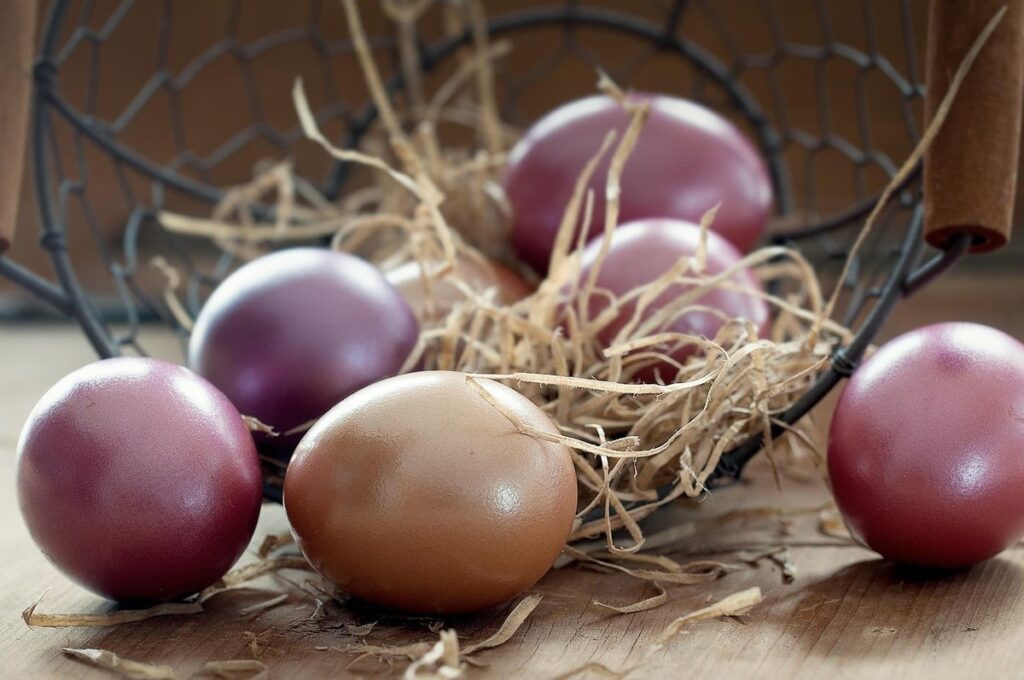
Introduction to Dark-Egg Laying Breeds
Let’s dive into the world of dark-egg laying breeds, including the Marans and Welsummer, which are two popular varieties known for their rich brown eggs.
What are Marans and Welsummers?
Marans and Welsummers are two of the most sought-after dark-egg laying breeds, known for their rich, chocolate-brown eggs. Originating from France and the Netherlands respectively, these birds have been prized for their unique characteristics and exceptional egg-laying abilities.
Let’s start with the Marans, a breed that originated in the southwestern region of France. Known for their glossy black feathers and friendly demeanor, Marans are a popular choice among backyard flock owners. They’re also prolific layers, producing an average of 180-200 large brown eggs per year. One of the distinctive features of Marans eggs is their dark, almost black color, which can range from a deep chocolate brown to a rich, espresso-like hue.
Welsummers, on the other hand, hail from the Netherlands and are characterized by their striking red-brown plumage and friendly, outgoing personalities. They’re also known for their high egg production, laying around 200-220 large brown eggs per year. Welsummer eggs are typically lighter in color than Marans eggs, often with a more reddish tint.
If you’re considering adding either of these breeds to your flock, it’s essential to note that they have different temperaments and needs. Marans tend to be more laid-back and adaptable, while Welsummers can be more energetic and require more attention.
Importance of Understanding Egg Color
When it comes to keeping chickens, there are many factors to consider, from their temperament and egg-laying abilities to their appearance and unique characteristics. However, one aspect that often gets overlooked is the color of their eggs. As a chicken keeper or enthusiast, understanding the importance of egg color can be a game-changer in selecting the right breed for your needs.
Egg color is not just a matter of aesthetics; it’s also an indicator of the bird’s genetics and health. Dark-egg laying breeds like Marans and Welsummer produce eggs with distinct colors that can range from dark brown to dark chocolate. These eggshell pigments are influenced by the bird’s diet, age, and environment, but they’re also a result of genetic factors.
For chicken keepers who sell their eggs or participate in poultry shows, the color of the eggs is a crucial factor. A consistent egg color can be an attractive selling point, while irregularities in eggshell pigments can affect the bird’s show quality.
Egg Color Genetics: A Brief Overview
Egg color genetics is a fascinating topic, and understanding it can help you predict the eggshell colors of your Marans and Welsummer chickens. Let’s dive into the basics of how genetics influence egg color!
Dominant vs Recessive Genes
When it comes to eggshell pigmentation, genetics play a crucial role in determining the final color. In simple terms, genes can be either dominant or recessive. Dominant genes are like strong leaders that take charge and decide the outcome, while recessive genes are more subtle and only become apparent when paired with another recessive gene.
In the case of Marans and Welsummer breeds, specific combinations of dominant and recessive genes work together to produce their signature dark brown eggs. For example, the Marans breed has a dominant gene that produces the eumelanin pigment responsible for its characteristic dark coloration. However, if you cross a Marans with another bird carrying a different combination of genes, the result may not be entirely predictable.
To better understand how these genes interact, let’s consider an analogy: think of genes as recipe ingredients. Just as too much or too little salt can affect the taste of a dish, the right balance of dominant and recessive genes is essential for producing eggs with specific colors and patterns. By grasping this fundamental concept, you’ll be better equipped to appreciate the intricacies involved in eggshell pigmentation.
Factors Affecting Eggshell Color
When it comes to eggshell color, several factors come into play, both environmental and genetic. As an enthusiastic backyard chicken keeper, you’re likely curious about what influences the vibrant hues of your Marans or Welsummer eggs.
Firstly, let’s talk about genetics. The breed of your hen plays a significant role in determining the color of her eggs. For example, Marans are known for their dark, chocolate-brown eggs due to their genetic makeup. On the other hand, Welsummers produce rich, terracotta-colored eggs. This is because different breeds have varying levels and combinations of pigments responsible for eggshell color.
Diet also has an impact on eggshell color. A diet rich in certain nutrients like beta-carotene (found in yellow and orange vegetables) can cause eggs to take on a more vibrant hue. For instance, if you notice your Marans’ eggs becoming lighter or yellower, it may be due to their access to fresh grasses or leafy greens.
Lastly, age is another environmental factor that affects eggshell color. Younger hens tend to produce lighter-colored eggs as they mature and reach full pigment production.
Marans Eggs: Characteristics and Variations
Let’s take a closer look at what makes Marans eggs unique, including their shell shape, size, and color variations that set them apart from Welsummer eggs.
Dark Brown to Chocolate-Brown Eggs
When it comes to egg color, Marans hens are renowned for producing eggs that range from dark brown to a rich chocolate-brown hue. This distinct characteristic is one of the most recognizable differences between Marans and Welsummer eggs.
The reason behind this variation in egg color lies in the hen’s genetics and diet. Marans hens have a higher concentration of porphyrins, which are responsible for producing the brown pigment in their eggs. As a result, their eggs tend to be darker than those produced by other breeds.
Typically, you can expect the egg yolks of Marans hens to be medium-sized and firm, with the whites being clean and clear. While some Marans hens may produce eggs that lean towards a lighter brown color, most will fall within this rich chocolate-brown spectrum. If you’re considering getting Marans chickens for their egg-laying abilities, it’s essential to understand what to expect in terms of egg color.
One way to enhance the egg color and quality is by providing your Marans hens with a balanced diet that includes dark leafy greens, such as kale or spinach. These foods are rich in iron and other nutrients that promote healthy egg production and pigment formation.
Effects of Genetics on Egg Color in Marans
Genetics play a significant role in determining the intensity and shade of Marans eggs. Breeders have identified specific genetic traits that contribute to the characteristic dark chocolate-brown color of Marans eggs. The genetics behind this unique coloration are rooted in the production of melanin, a pigment responsible for eggshell coloring.
Research has shown that multiple genes interact to influence the expression of brown pigment on the eggshell. The interaction between these genes determines the intensity and shade of the egg color. For instance, the dominant gene responsible for the production of eumelanin (black and dark brown pigments) is more pronounced in Marans eggs, resulting in their characteristic dark chocolate-brown hue.
Understanding genetics can help breeders refine their selection process to produce Marans with consistent and desirable eggshell colors. By analyzing the genetic makeup of individual birds, breeders can identify those that will likely produce eggs with intense, rich brown coloration. This targeted approach allows for more efficient breeding programs and helps maintain the distinctive characteristics of the Marans breed.
Welsummer Eggs: Characteristics and Variations
Let’s take a closer look at Welsummer eggs, which can range from light brown to dark chocolate in color. These unique characteristics set them apart from other breeds.
Dark Terracotta-Red to Mahogany-Brown Eggs
Welsummer hens are known for their unique and striking egg-laying abilities. One of the most distinctive features of Welsummer eggs is their color range, which can vary from dark terracotta-red to mahogany-brown. The exact shade may depend on various factors such as genetics, nutrition, and overall health of the hen.
Typically, a fresh Welsummer egg will have a deep red or reddish-brown hue with a subtle sheen to it. As they age, the color may lighten slightly, but the rich tone remains distinctively Welsummer. It’s not uncommon for some eggs to be more brown than red or vice versa, depending on individual characteristics of the hen.
When collecting eggs from your own flock, keep in mind that Welsummer eggs can vary significantly in color even within the same coop. Factors such as diet and environmental conditions may influence egg color intensity, so it’s essential to provide a balanced and nutritious environment for your hens.
If you’re looking to acquire a Welsummer hen specifically for her unique egg-laying abilities, be aware that the breed is known for its striking red eggs. However, individual birds can vary in their egg coloration, making each one special in its own right.
Effects of Genetics on Egg Color in Welsummers
When it comes to the unique coloration of Welsummer eggs, genetics play a significant role in determining their intensity and shade. The breed’s distinctive terracotta-red color is influenced by a combination of genes that work together to produce this specific hue.
In particular, the OOC gene (ovotransferrin) responsible for eggshell pigmentation in chickens contributes significantly to the red coloration seen in Welsummers. This gene codes for a protein that binds to iron and helps to create the pigment responsible for the egg’s color. When the OOC gene is expressed in its dominant form, it leads to a more intense red color, while a recessive form results in lighter or less vibrant shades.
If you’re breeding Welsummers with the goal of intensifying their egg color, understanding the genetics behind this trait can help. By selecting for birds that express the dominant OOC gene, you may be able to develop a flock with more consistently intense red eggs. Conversely, if you prefer the lighter shades, you can focus on birds carrying the recessive form of the gene.
The influence of genetics on egg color in Welsummers serves as a reminder that even seemingly simple traits like shell color can have complex underlying mechanisms. By appreciating these intricacies, breeders and enthusiasts alike can gain valuable insights into how to refine their flocks and produce eggs with unique characteristics.
Comparison of Marans and Welsummer Egg Colors
When it comes to choosing a breed, egg color is often a deciding factor. Let’s dive into how Marans and Welsummer eggs compare in terms of their unique hues.
Key Differences and Similarities
Now that we’ve explored the unique characteristics of Marans and Welsummer egg colors, it’s time to discuss the key differences and similarities between them. One of the main differences lies in their intensity levels, with Marans eggs typically having a deeper, darker chocolate brown color, while Welsummer eggs are more golden-brown in hue.
Despite these variations, both breeds produce eggshells with rich, earthy tones that many find visually appealing. In terms of overall appearance, Marans eggs tend to have a more uniform coloration, whereas Welsummer eggs can display subtle shades and patterns. If you’re looking for a breed that produces eggs with a deeper, more muted tone, Marans might be the better choice.
On the other hand, if you prefer a brighter, more golden eggshell, Welsummer could be the way to go. Additionally, both breeds are known for their unique egg-laying characteristics – Marans are prolific layers, while Welsummer tend to produce eggs in smaller batches but with greater frequency throughout the year.
Factors to Consider When Choosing Between Breeds
When choosing between Marans and Welsummers based on egg color, there are several key factors to consider. One of the primary considerations is the shade of darkness you prefer for your eggs. Marans are known for their dark, chocolate-brown eggs, while Welsummers produce a slightly lighter, terracotta-red hue.
Another important consideration is the potential for egg production consistency. Both breeds are prolific layers, but Welsummers tend to lay more consistently throughout the year. If you’re looking for a reliable source of eggs, a Welsummer might be the better choice. On the other hand, Marans can be a bit more unpredictable in terms of egg production.
Ultimately, your decision will depend on your personal preference and what works best with your backyard chicken-keeping setup. It’s also worth considering any existing breeds you may already have, as introducing new birds to an existing flock can be challenging.
It’s also worth noting that both Marans and Welsummers are generally healthy breeds, but they do require some extra care when it comes to egg-laying. Providing a balanced diet rich in calcium will help promote strong eggshell production.
Tips for Encouraging Desired Egg Colors in Your Flock
To get the egg colors you want from your Marans and Welsummer hens, it’s essential to understand their unique characteristics. With these tips, you’ll be on your way to collecting the perfect shades in no time!
Nutritional Considerations
When it comes to achieving vibrant eggshell colors like those of Marans and Welsummer breeds, nutrition plays a crucial role. A balanced diet rich in essential nutrients is vital for supporting healthy pigmentation in the eggs. One key consideration is ensuring your flock has access to adequate calcium and vitamin D3. These nutrients are necessary for building strong bones and eggshell development.
Incorporate dark leafy greens like kale or spinach into their feed, as they’re rich in calcium and other minerals that promote vibrant colors. You can also supplement with crushed oyster shells, which provide a natural source of calcium. Additionally, consider adding eggs from another breed to your flock’s diet as a treat – this will help stimulate the production of pigments.
For Marans and Welsummer breeds specifically, it’s essential to provide a varied and nutrient-dense feed that supports their unique egg coloration needs. Consider working with a veterinarian or poultry expert to develop a customized feeding plan tailored to your flock’s specific requirements.
Environmental Factors Affecting Egg Color
When it comes to achieving the desired egg color in your flock, understanding the environmental factors at play is crucial. Environmental factors can significantly impact eggshell color, and it’s essential to be aware of them to ensure you’re not inadvertently affecting the color.
Diet plays a significant role in determining egg color. A diet rich in pigments like carotenoids (found in yellow and orange vegetables) can enhance the red-brown hues found in Marans eggs. On the other hand, a diet lacking in these pigments may result in less intense colors. Ensure your flock is consuming a balanced diet that includes foods high in carotenoids.
Light exposure also affects egg color. Direct sunlight can stimulate the production of melanin, which influences eggshell color. In contrast, reduced light exposure may lead to eggs with paler or washed-out colors. Consider providing shade for your flock during peak sun hours and supplementing with artificial lighting if necessary.
Temperature fluctuations can also impact egg color. Extreme temperatures can cause stress in hens, leading to a reduction in pigment production and resulting in less vibrant eggshell colors. Maintain a stable temperature range between 40°F to 80°F (4°C to 27°C) for optimal egg color production.
Conclusion: Choosing the Right Breed for Your Needs
Now that you’ve learned about the unique egg-laying characteristics of Marans and Welsummer chickens, it’s time to decide which breed is right for your needs. Let’s wrap up by exploring how to choose a breed that fits your lifestyle and preferences.
Recap of Key Takeaways
When deciding between Marans and Welsummer chickens for their egg-laying abilities, it’s essential to remember the key points discussed throughout this article. Let’s recap the main takeaways to help you make an informed decision.
The color of a chicken’s eggs is primarily determined by genetics, with Marans producing dark brown eggs and Welsummers laying terracotta-colored eggs. Both breeds are known for their rich, earthy egg colors that are sure to add variety to your egg basket.
In terms of egg production, both breeds are reliable layers but may not produce as many eggs as other breeds during the winter months. Marans tend to be more consistent in their laying patterns, while Welsummers can have some variability from year to year.
Ultimately, the choice between these two breeds comes down to your personal preference and what you’re looking for in a chicken. If you want a breed that will produce consistently dark brown eggs, Marans may be the better choice. However, if you prefer the unique terracotta color of Welsummer eggs, then this breed could be the way to go.
Final Thoughts on Selecting a Breed Based on Egg Color
When it comes to selecting a breed based on egg color, it’s essential to consider not just the aesthetic appeal of the eggs but also what they say about the hen itself. Marans and Welsummer eggs may have distinct colors, but their differences go beyond mere appearance.
Consider this: if you’re looking for eggs that will add a pop of color to your breakfast plate, Marans eggs’ dark, chocolate-brown hue might be just what you need. However, if you prefer a more rustic, earthy tone, Welsummer eggs with their terracotta red and brown swirls could be the perfect fit.
Ultimately, egg color is just one factor in choosing between breeds. It’s also essential to think about the temperament of the hens, their egg-laying capacity, and whether they’ll thrive in your specific climate and living situation. By weighing these factors alongside the importance you place on egg color, you can make an informed decision that meets both your needs and preferences.
Frequently Asked Questions
Can Marans and Welsummer eggs vary in color, even if I follow the same diet and breeding practices?
Yes, individual egg colors can still vary within breeds due to genetic factors that are not directly influenced by diet or breeding practices. This means that even with consistent management, you may notice some variation in egg color among your Marans and Welsummers.
How can I predict or influence the specific shade of dark brown or terracotta-red my eggs will have?
While genetics play a significant role, incorporating certain nutrients into your flock’s diet, such as oyster shells for calcium and marigold flowers for beta-carotene, may enhance or alter the pigmentation. However, it’s essential to note that egg color is primarily determined by genetics.
Will raising Marans and Welsummers together affect their ability to lay dark eggs?
Raising these breeds together will not inherently impact their ability to lay dark eggs. However, introducing different breeds can sometimes lead to stress or dominance issues within the flock, which may indirectly influence egg production or coloration. Monitor your birds’ behavior and adjust your management strategies accordingly.
Can I breed Marans and Welsummers to create a hybrid that produces uniquely colored eggs?
Yes, crossbreeding these two breeds is possible and can result in offspring with distinct egg colors due to the blending of their genetic traits. However, be aware that this process requires careful planning, knowledge of genetics, and consideration of potential health implications for your flock.
How can I ensure consistency in egg color within my flock?
Consistency in egg color within a breed is more likely achieved through selective breeding over several generations rather than relying solely on diet or management practices. Establishing a clear understanding of the genetic factors influencing egg color in your breeds will help you make informed decisions about breeding and selecting for desired traits.