
The majestic masculine goose has long been a symbol of strength and sophistication, captivating audiences across cultures and centuries. From ancient mythology to modern-day advertising, this powerful bird has left an indelible mark on art, literature, fashion, and beyond. But what makes the masculine goose so significant? Its striking appearance, commanding presence, and rich symbolism have made it an enduring icon of masculinity, inspiring countless works of art and influencing popular culture in profound ways. In this article, we’ll delve into the fascinating history of the masculine goose, exploring its origins, characteristics, and symbolic meaning, as well as its lasting impact on our collective imagination. Get ready to discover why this magnificent creature has remained a timeless embodiment of masculinity.
Origins and History
The story of the masculine goose begins thousands of years ago, when it was first domesticated by ancient cultures for its exceptional strength and unique characteristics. Let’s explore how this remarkable bird became a symbol of masculinity.
Early Significance in Ancient Cultures
In ancient cultures, the masculine goose was often revered as a symbol of strength and virility. In Egypt, for example, the goose was associated with the god Amun, who embodied masculinity and power. The Egyptians saw geese as loyal companions and protectors, much like a husband or father would be to his family.
Similarly, in ancient Greece, the goose was linked to the goddess Isis, who represented fertility and domesticity. Geese were highly valued for their ability to defend their families against predators, making them an attractive symbol of masculinity. The Greeks also saw geese as messengers of the gods, carrying important messages between the mortal world and the realm of the gods.
In Norse mythology, the goose was associated with the god Freyr, who ruled over fertility, prosperity, and war. Geese were seen as fierce warriors, capable of defending their territories against invaders. This mythological significance highlights the enduring importance of the goose as a symbol of masculinity across ancient cultures.
Influence on European Folklore and Literature
In European folklore and literature, the masculine goose has been depicted as a strong and noble bird, embodying qualities that are highly valued in masculinity. For instance, in ancient Greek mythology, the goose was associated with the goddess Nemesis, symbolizing justice and retribution. This representation highlights the goose’s connection to courage and bravery.
In Norse mythology, the god Freyr rode to battle on a chariot pulled by two boars, but his companion animal was also a goose, emphasizing its strength and protection. The goose’s role in these myths underscores its importance as a symbol of masculinity and nobility.
Notable literary examples include Hans Christian Andersen’s “The Ugly Duckling,” where the protagonist, initially rejected for being different, eventually transforms into a majestic swan – but interestingly, is first seen waddling on webbed feet reminiscent of a goose. This depiction showcases the bird’s symbolic connection to growth and self-acceptance.
In European folklore, the goose has also been associated with fertility and abundance. For example, in some Germanic cultures, geese were believed to ward off evil spirits and bring good fortune. This blend of strength and prosperity further solidifies the masculine goose as a revered figure in European culture.
Characteristics and Traits
The masculine goose is known for several distinctive characteristics that set it apart from other waterfowl, and understanding these traits is key to appreciating its unique charm. Let’s dive into what makes this bird truly special.
Physical Attributes
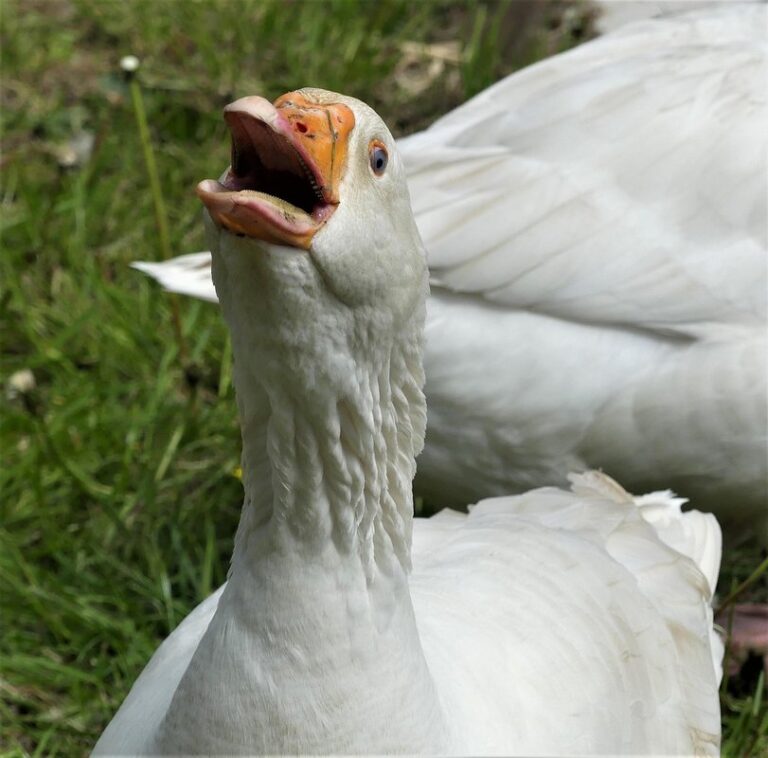
A majestic goose exudes masculinity through its impressive physical attributes. One of the most striking features is their size – males can grow up to 37 inches in length and weigh around 15 pounds. This commanding presence is a testament to their strength and vitality.
Their plumage is another distinguishing characteristic, with males sporting a sleek, black head and neck, contrasting with their white body feathers. The subtle nuances of their feather patterns add an air of sophistication, making them a stylish companion for any outdoor excursion. Notably, the shape of their beak – broad, flat, and slightly upturned – contributes to their rugged yet refined appearance.
When it comes to showcasing your own personal style inspired by the masculine goose, consider incorporating elements that reflect these physical attributes into your wardrobe or daily life. For instance, wearing dark-colored clothing with subtle patterns can evoke a sense of sleekness and sophistication reminiscent of the male goose‘s plumage. By embracing these traits, you’ll be well on your way to embodying the confidence and poise associated with the masculine goose.
Behavior and Personality
Male geese are known for their assertive behavior, which can sometimes be misinterpreted as aggression. However, this trait is often a sign of strength and confidence rather than hostility. In fact, male geese will fiercely defend their territory and family from potential threats. When it comes to mating habits, male geese typically form long-term monogamous relationships with a single mate.
When raising their goslings, male geese take on significant parental care responsibilities, often going to great lengths to protect and provide for their young. For example, they will fiercely guard their nests from predators and ensure the goslings have access to food and water. In fact, research has shown that male geese contribute significantly to brood rearing, with some studies suggesting they may even take on more responsibility than female geese in certain situations.
Understanding these behaviors can provide valuable insights into the complex social dynamics of goose families and the characteristics that make them strong and resilient. By observing and learning from their behavior, we can gain a deeper appreciation for the importance of teamwork, loyalty, and dedication in building strong relationships and raising healthy offspring.
Symbolism and Cultural Significance
As we delve into the world of the masculine goose, let’s explore how it has been imbued with symbolic meanings across cultures, reflecting strength and refinement.
Strength and Courage
In various cultures, the masculine goose has been revered for its unyielding strength and courageous spirit. Often associated with masculinity at its purest form, this majestic bird has been a symbol of resilience and fortitude. In ancient Norse mythology, for instance, the god Heimdall was said to be half-goose, embodying the qualities of watchfulness and bravery.
Similarly, in Japanese culture, the masculine goose is considered a manifestation of masculinity, strength, and wisdom. The art of sumo wrestling often depicts geese as symbols of power and resilience, emphasizing the importance of embracing one’s true nature.
When we observe the masculine goose, it teaches us that true strength lies not in physical prowess but in the courage to face challenges head-on. Its unwavering resolve reminds us to cultivate a sense of determination and steadfastness in our own lives.
Sophistication and Refined Taste
In addition to its association with strength, the masculine goose is also seen as a symbol of sophistication and refined taste. This is evident in various forms of art, literature, and fashion.
For instance, in 18th-century British literature, the masculine goose was often used as a metaphor for elegance and poise. Writers like Alexander Pope and Jonathan Swift frequently referenced the bird’s majesty and refinement in their works. In “The Rape of the Lock,” Pope writes about the “gentle Goose” that struts through the gardens with ease.
Similarly, in fashion, designers have long incorporated images of geese into their designs to convey a sense of sophistication. Luxury brands like Hermès and Burberry have used goose motifs on handbags, scarves, and other accessories to evoke feelings of refinement and elegance. If you’re looking to incorporate this symbolism into your own style, consider opting for subtle yet elegant goose-patterned accessories or clothing items.
In practical terms, embracing the masculine goose as a symbol of sophistication can be achieved by focusing on refined details in everyday life, such as impeccable tailoring, classic timepieces, and timeless art pieces.
In Modern Times: The Masculine Goose in Contemporary Culture
As we dive into modern culture, let’s explore how the masculine goose has been reimagined and reinterpreted through fashion, art, and popular media today. From runway shows to social media trends, its impact is undeniable.
Fashion and Design
The masculine goose has made a significant impact on contemporary fashion and design, particularly in luxury brands and high-end designers. Brands like Gucci and Prada have incorporated the image of the goose into their designs, often symbolizing strength and resilience. For example, Gucci’s 2020 collection featured a bold, graphic print of a goose in flight, emblazoned on a sleek, monochromatic ensemble.
In luxury fashion, designers often draw inspiration from nature to convey power and sophistication. The masculine goose, with its rugged yet elegant presence, is the perfect muse for such designs. Designers can incorporate subtle nods to the goose through patterns, textures, or even accessories. For instance, a scarf featuring a stylized goose pattern can add a touch of refinement to an outfit.
Incorporating the image of the masculine goose into your wardrobe doesn’t have to be expensive or flashy. Look for subtle references in clothing, accessories, or home decor items that evoke the spirit of the bird. You can also experiment with DIY projects that incorporate elements inspired by the goose’s feathers, such as a statement piece of jewelry featuring iridescent colors.
Advertising and Marketing
Advertisers have long recognized the appeal of the masculine goose as a symbol of strength and sophistication. In modern times, this symbolism has been leveraged to great effect in advertising campaigns targeting men’s grooming products, outdoor gear, and even luxury vehicles.
For instance, Gillette’s “The Best a Man Can Get” campaign features imagery of rugged men interacting with majestic geese, reinforcing the idea that these birds embody the qualities of strength and resilience. Similarly, outdoors brands like The North Face and Patagonia often feature iconic goose silhouettes in their advertising, associating their products with the freedom and adventure embodied by these birds.
When creating an ad campaign centered around the masculine goose, consider the following tips: focus on imagery that showcases the bird’s imposing presence, use language that emphasizes strength and resilience, and tie your product to the values of exploration and self-reliance that are often associated with this iconic species. By doing so, you can effectively tap into the cultural significance of the masculine goose and connect with your target audience in a meaningful way.
Conclusion
As we come to the end of our exploration into the world of the masculine goose, it’s essential to reflect on what this remarkable bird can teach us about embodying strength and sophistication. By embracing the qualities that make a majestic male goose – confidence, resilience, and poise – you can cultivate a more authentic sense of masculinity in your own life. Remember, it’s not just about physical presence; it’s also about attitude and behavior. Take a cue from these magnificent creatures and strive to develop a strong sense of self-worth, a calm demeanor, and an unwavering commitment to standing up for what you believe in. By doing so, you’ll be well on your way to becoming the epitome of masculine elegance and poise.
Frequently Asked Questions
What are the key characteristics of a masculine goose that make it an enduring symbol of masculinity?
The masculine goose is characterized by its striking appearance, commanding presence, and rich symbolism. Its distinctive features, such as its size, strength, and unique plumage, contribute to its majestic demeanor. Additionally, its ability to mate for life and form strong pair bonds with its partner reinforces its association with commitment, loyalty, and fidelity.
Can the masculine goose be seen in modern advertising and marketing campaigns?
Yes, the masculine goose continues to be a popular symbol in modern advertising and marketing campaigns. Its timeless appeal and association with strength, sophistication, and masculinity make it an attractive choice for brands looking to convey these qualities.
How can I incorporate the symbolism of the masculine goose into my own personal or professional branding?
Incorporating the symbolism of the masculine goose into your branding requires a thoughtful and intentional approach. Consider reflecting on how the bird’s characteristics, such as its strength and loyalty, resonate with your values and mission. You can then use imagery, color schemes, or messaging that nods to these qualities.
Are there any cultural or historical contexts where the masculine goose is not associated with masculinity?
While the masculine goose is often associated with traditional masculine traits in Western cultures, there are other contexts where its symbolism is different. For example, in some Asian cultures, geese are seen as symbols of good fortune and prosperity, regardless of their sex.
Can I use images or references to the masculine goose without infringing on copyright or trademark laws?
While it’s possible to use images or references to the masculine goose, be mindful of any copyrighted or trademarked materials. Look for public domain images or Creative Commons-licensed content that allows for non-commercial use. You can also consider using descriptive text or metaphors inspired by the bird’s characteristics.