
As a backyard chicken keeper or enthusiast, you’ve probably noticed that different breeds have distinct combs and wattles. But did you know that these characteristics aren’t just for show? The comb and wattle types in chickens can be crucial to their health and resilience in various climates. While some breeds thrive with single combs, others do better with the protective coverage of a rose comb or pea comb. Wattle characteristics also play a significant role in determining a breed’s overall hardiness. In this essential guide, we’ll delve into the world of chicken comb and wattle types, exploring their unique features and how to choose breeds that will thrive in your specific climate. Whether you’re new to chicken keeping or looking for ways to improve your flock’s health, this article is here to help you make informed decisions about your feathered friends.
Introduction to Chicken Combs and Wattles
Let’s dive into the fascinating world of chicken combs and wattles, two essential features that come in a surprising array of shapes and sizes. From small to large, these unique identifiers can be a fun aspect of poultry hobbyism.
What are Chicken Combs and Wattles?
When it comes to raising chickens, understanding the basics of chicken combs and wattles is crucial for their overall health and well-being. But what exactly are these features, and why do they matter?
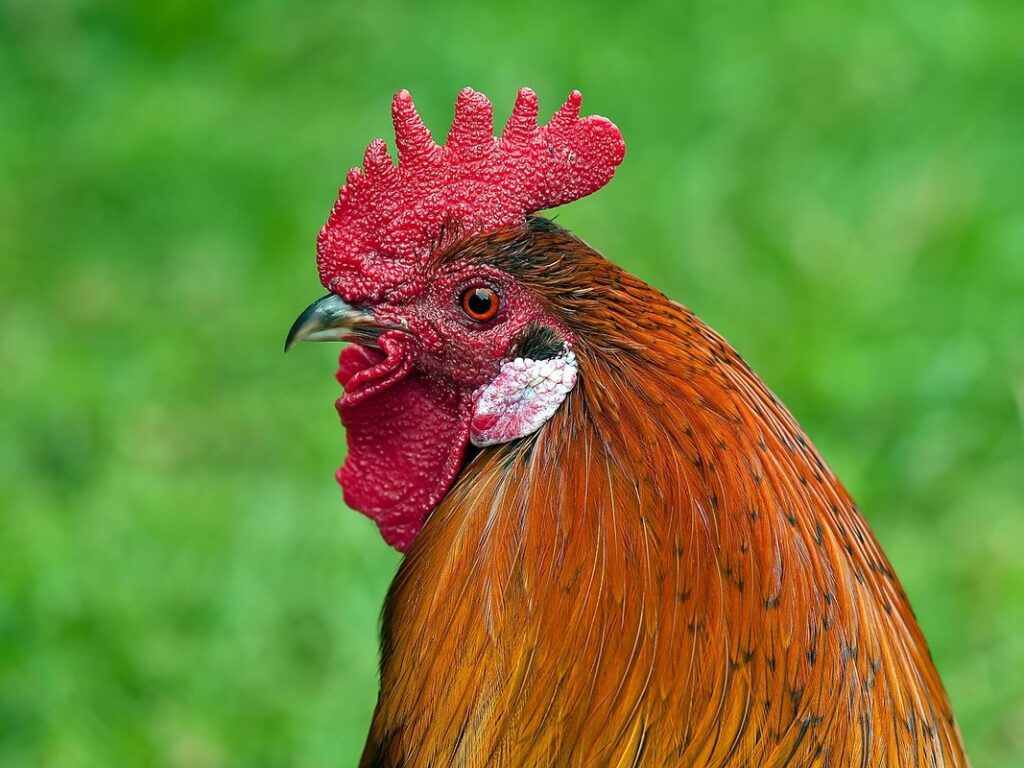
Chicken combs and wattles are fleshy growths that adorn a chicken’s head, typically hanging from the neck or base of the comb. They’re made up of loose skin and are highly vascularized, which means they contain many blood vessels close to the surface. While their primary function is still debated among experts, it’s believed they help regulate body temperature by dissipating heat.
In practical terms, combs and wattles can be an important indicator of a chicken’s health. For example, if a comb or wattle becomes discolored, swollen, or develops sores, it could be a sign of underlying issues such as stress, disease, or malnutrition. In breeding decisions, the size, shape, and color of combs and wattles can also play a role in selecting birds that are better suited to certain climates or production systems.
History and Significance of Chicken Comb and Wattle Types
The history of chicken combs and wattles is a fascinating tale that spans thousands of years. These unique features have not only played a crucial role in identifying different breeds but also influenced the development of various comb and wattle types through selective breeding.
In ancient times, farmers would recognize specific breeds by their distinctive combs and wattles, which were often used as indicators of fertility and egg-laying capabilities. For example, the Rosecomb type was prized for its striking appearance and became a sought-after trait in many breeds. Similarly, the Silkie breed’s fluffy comb and wattle were highly valued for their soft texture.
Through selective breeding, farmers have developed over 100 distinct comb types, each with its own unique characteristics. The pea comb, found on many commercial layers, is a compact and streamlined version designed to reduce heat stress. In contrast, the strawberry comb, typical of heritage breeds, is a larger and more complex design often associated with improved fertility.
By understanding the history and significance of different comb and wattle types, you can better appreciate the diversity of chicken breeds and make informed decisions when choosing the right birds for your flock.
Classification of Combs
There are several ways to classify combs, but for our purposes, we’ll be looking at the main categories and how they relate to your feathered friends. Let’s dive into the different types of combs found in chickens.
Single Comb (Type 1) Characteristics
The Single Comb (Type 1) is one of the most recognizable and common comb types found in chickens. It’s a triangular-shaped comb with five points that are relatively even in size. This comb type can be found on a wide range of chicken breeds, from popular backyard flocks to commercial layers.
One of the key characteristics of Single Comb birds is their ability to thrive in various climates and environments. Their combs are less prone to frostbite compared to other types, making them a great choice for farmers and backyard keepers living in colder regions. However, this also means that they may not be as heat-tolerant as some other breeds.
A significant advantage of Single Comb birds is their high egg production rate. Many commercial layer breeds fall under this category, and their combs are often bred to optimize egg-laying efficiency. On the flip side, Single Combs can be more susceptible to certain health issues, such as frostbite, sunburn, and respiratory problems.
When it comes to choosing a breed with a Single Comb, consider your region’s climate and your flock’s specific needs. If you live in a hot or humid area, you may want to explore other comb types that are better suited for those conditions.
Rose Comb (Type 2) Characteristics
The rose comb is a type of comb found on chicken breeds such as Brahma and Cochin. It has a rounded shape with a central crown and five to six lateral branches that radiate from it, creating a flower-like appearance. This comb type is often referred to as Type 2 in classification.
A key benefit of the rose comb is its ability to regulate body temperature effectively due to its extensive surface area, which allows for efficient heat dissipation. However, this characteristic also means that breeds with rose combs are more susceptible to cold stress and may not thrive in cooler climates.
Despite these limitations, many breeders appreciate the rose comb’s unique appearance and low maintenance requirements compared to other types of combs. When selecting a rooster or hen with a rose comb, it’s essential to ensure that it is well-furnished and free of any visible signs of stress or disease.
When caring for chickens with rose combs, regular cleaning and inspection are crucial to prevent moisture buildup, which can lead to bacterial growth and infections.
Buttercup Comb (Type 3) Characteristics
The Buttercup Comb (Type 3) is one of the most distinctive and charming comb types found in chickens. Characterized by its rounded, cup-like shape with a central depression and several short spines projecting from the edges, this comb type is often associated with exhibition birds due to its unique appearance.
One of the standout features of the Buttercup Comb is its compact size, making it an ideal choice for breeders looking to create show-stopping birds. However, its small stature can also make it more prone to frostbite in colder climates. This is because the shorter spines provide less surface area for blood flow, which can be a concern in regions with harsh winters.
When selecting a comb type, it’s essential to consider not only its aesthetic appeal but also its practical implications. If you’re planning to breed chickens for exhibition purposes, the Buttercup Comb may be an excellent choice due to its striking appearance. However, if you live in an area with cold winters, you may want to consider other comb types that are more resistant to frostbite.
Classification of Wattles
Let’s take a closer look at how wattles are classified, including the main types and their unique characteristics to help you identify your chicken’s wattle type. This will come in handy for breed identification and understanding health implications.
Long, Laid-Back Wattle Type
The long, laid-back wattle type is characterized by its relaxed and elongated shape, often stretching down towards the breast. This comb and wattle combination is commonly found in breeds such as the Silkie and the Polish chicken. One of the advantages of having a long, laid-back wattle is that it can help to regulate body temperature. The loose skin allows for increased blood flow, which aids in cooling down during hot weather.
However, there are also some drawbacks to consider. For instance, the long wattle can be prone to getting dirty and may require more frequent cleaning. Additionally, this type of wattle is often more susceptible to frostbite due to its exposed position. To minimize these risks, it’s essential to keep your chicken’s living area clean and draft-free.
In terms of health considerations, chickens with long, laid-back wattles are generally at a higher risk for developing respiratory issues. This is because the loose skin can trap dust and debris, making it harder for them to breathe. To mitigate this risk, ensure that your chicken has access to plenty of fresh air and a clean living environment.
Medium-Wattled Chickens (Type 3) Characteristics
Medium-wattled chickens are characterized by their distinct comb and wattle features. The medium-wattled type typically has a medium-sized comb, often lying flat against the head or slightly raised, with approximately 2-3 inches (5-7.5 cm) of length. This type of comb is relatively easy to maintain, but its moderate size may require occasional dusting and care.
Compared to other wattle types, medium-wattled chickens have a well-balanced appearance, neither too prominent nor too subtle. Their wattles, usually around 2-3 inches (5-7.5 cm) in length, are slightly thicker than those of light or small wattled breeds but not as robust as those found in large wattle varieties.
Medium-wattled chickens offer several benefits, including improved heat tolerance and reduced susceptibility to frostbite. However, their comb may be more prone to damage from extreme weather conditions or rough handling. As a result, it’s essential for breeders and owners to provide regular attention and maintenance to prevent potential issues.
When choosing chicken breeds with medium wattle characteristics, consider the specific climate and living conditions you can offer your flock. This will help ensure that their comb and wattle remain healthy and well-maintained throughout their lives.
Short or No Wattle Type
The short or no wattle type is one of the most common characteristics found in many chicken breeds. This type is characterized by a minimal or non-existent growth of the skin flap that hangs below the beak, commonly known as the wattle. Some breeds have a slightly curved or pointed appearance where the wattle should be, while others have no visible wattle at all.
For breeders looking to develop chickens with this characteristic, it’s essential to understand that genetics play a significant role in determining the presence and length of a chicken’s wattle. To achieve a short or no wattle type, you’ll need to select breeding stock with minimal wattle growth and selectively breed them to accentuate this trait.
While having a short or no wattle may not seem like an advantage at first glance, it can have several benefits for certain breeds and environments. For instance, shorter wattles tend to be less prone to frostbite in cold climates, making them better suited for regions with harsh winters. Additionally, the absence of a wattle can also reduce the risk of wattle-related health issues that may arise when excessive skin flaps rub against other parts of the face or get tangled in feeders.
However, breeders should consider the potential drawbacks associated with this characteristic. For example, some breeds may develop heat stress more easily due to reduced evaporative cooling from their wattles, which can be a significant concern in warmer climates. As such, it’s crucial for breeders to carefully evaluate the needs and requirements of their target market and breeding goals when selecting or developing chickens with short or no wattle types.
Comb and Wattle Types in Popular Chicken Breeds
When it comes to selecting a chicken breed, understanding comb and wattle types is crucial for determining their health and temperament. Let’s take a closer look at the varieties found in popular breeds.
Comb and Wattle Types in Orpingtons
Orpington breeds are known for their stunning combs and wattles, which come in various types. The most common comb type found in Orpingtons is the single comb, characterized by a single, erect spike that rises from the top of the head. This type of comb is usually red or reddish-brown in color and can be quite large.
Another common comb type in Orpingtons is the rose comb, which resembles a small, rounded flower. The rose comb has a more compact shape than the single comb and is often less prone to frost damage. Some Orpington breeds may also have a walnut comb, which has a distinctive “walnut”-shaped depression at the base of the spike.
In terms of wattle types, Orpingtons can have either red or purple wattles. The red wattle is more common and is usually longer than the purple one. Both types of wattles are important indicators of an Orpington’s overall health and fertility.
When choosing an Orpington breed, it’s essential to consider its comb and wattle type. If you’re planning to raise Orpingtons for eggs or meat, a single comb is often preferred due to its ease of management. However, if you’re looking for a more exotic appearance, the rose or walnut combs may be a better choice.
Comb and Wattle Types in Leghorns
Leghorns are one of the most popular breeds for backyard chicken keepers due to their high egg-laying abilities and easy-going nature. But when it comes to comb and wattle types, Leghorns can be a bit more nuanced than some other breeds. There are several common types found in Leghorns, including:
* Rose Comb: This is the most common type of comb found in Leghorns, characterized by its pointed shape and slightly rounded tip. Rose combs tend to be less prone to frostbite than other types but can be more susceptible to disease if not kept clean.
* Single Comb: Single combs are also relatively common in Leghorns and feature a single, long peak on top of the head. These combs can be more sensitive to temperature fluctuations, making them a bit more high-maintenance.
In terms of wattles, Leghorns tend to have smaller, less prominent wattles compared to some other breeds. This is due to selective breeding for egg-laying ability over physical characteristics. However, this doesn’t mean that Leghorn owners shouldn’t keep an eye on their birds’ wattles – a healthy wattle can indicate good overall health and immune function.
When selecting a Leghorn breed, it’s essential to consider the comb and wattle type as well as other factors like egg-laying ability, temperament, and feather quality. Some Leghorns may be more suited to your specific climate or management style than others, so don’t hesitate to ask questions when making a purchase.
Health Considerations for Different Comb and Wattle Types
When selecting a breed, it’s essential to consider how its comb and wattle type may impact its overall health and well-being, especially in certain environments. Let’s take a closer look at some critical health considerations for each type.
Heat Stress in Chickens with Certain Combs and Wattles
When it comes to managing heat stress in chickens with certain comb and wattle types, it’s essential to understand that these features can significantly impact their ability to cope with hot temperatures. Chickens with pea combs, for instance, are more prone to heat stress due to the small surface area of their comb, which restricts blood flow and leads to dehydration. On the other hand, chickens with rose combs have a larger surface area, but their long, feathered structure can trap heat close to the body.
Chickens with wattles also face unique challenges during hot weather. As their wattle hangs loose, it can become severely distended due to excessive blood flow, leading to further dehydration and discomfort. Breeds like the Silkie or Polish, which have large, loose wattles, are particularly susceptible to heat stress. To mitigate this risk, consider providing extra shade, ventilation, and hydration for your flock during peak summer months.
It’s also crucial to recognize that certain breeds are more resilient to heat stress than others due to their genetic makeup. Research shows that heat-tolerant breeds like the Australorp or the Brahmas tend to perform better in high-temperature environments. If you live in a hot climate, it may be worth exploring these breeds as part of your flock.
In practical terms, there are several steps you can take to help manage heat stress in chickens with specific comb and wattle types. Firstly, ensure access to plenty of fresh water and electrolyte-rich feed. You should also provide extra shade through trees or a covered run. Finally, monitor the temperature closely and adjust your flock’s daily routine accordingly.
In addition to these general tips, consider making some simple modifications to their living space. Install misting systems or sprinklers in the coop or run to help lower temperatures. You can also hang wet towels or cloths near perches to provide evaporative cooling for chickens as they rest.
When it comes to recognizing signs of heat stress in your flock, watch out for panting, lethargy, and lack of appetite. If you notice any of these symptoms, take action immediately by providing extra care and attention. In severe cases, it may be necessary to move the affected bird to a cooler location or seek veterinary advice.
It’s worth noting that prevention is always better than cure when it comes to heat stress in chickens with certain comb and wattle types. By understanding their specific needs and taking proactive steps to manage heat stress, you can help keep your flock safe and healthy throughout the year.
Cold Hardiness in Various Comb and Wattle Types
Chickens with different comb and wattle types have varying levels of cold hardiness. This is largely due to their genetic makeup and physiological characteristics. For instance, chickens with single combs are generally more susceptible to cold stress than those with rose or pea combs.
This is because the single comb type has a greater surface area exposed to the elements, making it more prone to frostbite and chilling injuries. In contrast, the rose comb’s smaller size and more compact shape provide better insulation against cold temperatures. Pea combs are also relatively small and round, offering some level of protection from extreme cold.
However, it’s essential to note that individual tolerance can vary greatly within a breed or type. Some chickens may be naturally more resistant to cold stress than others, regardless of their comb or wattle type. Factors such as age, health, and acclimation also play significant roles in determining an individual chicken’s cold hardiness.
When keeping chickens outdoors in cold climates, it’s crucial to provide adequate shelter, food, water, and other forms of support to help them cope with the elements. Providing windbreaks, using heated roosting boxes or pads, and ensuring access to unfrozen water are all vital strategies for maintaining your flock’s health during periods of extreme cold.
Best Practices for Selecting Chicken Breeds Based on Comb and Wattle Types
When choosing the perfect chicken breed, understanding their comb and wattle types can make all the difference in selecting birds that thrive in your specific climate. This section will explore essential considerations for making informed decisions about your flock’s future.
Considerations for Small-Scale and Backyard Flock Keepers
As you’re considering bringing home a flock of chickens to join your family, it’s essential to think about what type of breeds will thrive in your backyard or small-scale setup. When selecting chicken breeds based on their comb and wattle types, keep in mind that these characteristics can impact how well your birds adapt to local climate conditions.
For instance, if you live in an area with hot summers and cold winters, a breed with a single comb, like the Leghorn, may require more frequent cooling measures during heatwaves. On the other hand, breeds with rose combs, such as the Brahma or Orpington, are better suited for temperate climates but might struggle in extreme temperatures.
Consider your local climate and choose breeds that can handle it. If you’re in a wet region, look for breeds with single combs to reduce the risk of frostbite. In hot and dry areas, rose combs can help regulate temperature. Think about your lifestyle too – do you have enough space for your birds to roam? Are you prepared for the extra care some breeds require?
Ultimately, choose breeds that complement your living situation and personality. Research different types and talk to experienced keepers in your area to find the perfect match for your backyard flock.
Large-Scale Commercial Production: Key Factors to Consider
When scaling up to large-scale commercial production, selecting chicken breeds with suitable comb and wattle types is crucial for efficiency, productivity, and overall health. First and foremost, consider the climate and geographical location of your operation. For instance, if you’re operating in a hot and humid environment, breeds with small combs or clean-leg types might be more suited to prevent heat stress.
It’s also essential to assess the breed’s adaptability to various management systems. Some commercial producers prefer breeds that excel under intensive production methods, while others opt for those that perform well on free-range or pasture-based systems. The choice of comb and wattle type should align with your operation’s specific requirements and goals.
In addition, don’t overlook the importance of breed compatibility with existing equipment and infrastructure. For example, if you’re utilizing automated egg collection systems, breeds with larger combs may pose a risk to machine functionality. Carefully evaluating these factors will help ensure seamless integration and optimize production outcomes.
Frequently Asked Questions
Can I raise chickens with different comb and wattle types together?
Yes, it’s possible to raise chickens with various comb and wattle types together, but you’ll need to consider their specific needs and climate requirements. Some breeds are more adaptable than others, so research the unique characteristics of each breed to ensure they’ll thrive in your environment.
How do I determine which chicken breed is best suited for my local climate?
To choose a breed that’s well-suited for your local climate, consider factors like temperature extremes, humidity levels, and wind conditions. Research breeds known for their hardiness in hot or cold climates, such as Leghorns for heat tolerance or Orpingtons for cold hardiness.
Can I mix-and-match combs and wattles to create a unique breed?
While you can crossbreed chickens with different comb and wattle types, it’s essential to understand that this may not produce the desired traits. Comb and wattle characteristics are influenced by multiple genes, making it challenging to predict the outcome of cross-breeding.
What are some common health considerations for chickens with specific comb and wattle types?
Chickens with single combs or short wattles may be more susceptible to heat stress, while those with rose combs or long wattles might experience cold hardiness issues. Keep an eye out for signs of distress and adjust your care accordingly to ensure the overall health and well-being of your flock.
Can I use comb and wattle types as a sole factor in selecting a breed?
No, while comb and wattle characteristics are important, they shouldn’t be the only consideration when choosing a breed. Other factors like egg-laying capacity, size, temperament, and feathering should also play a significant role in your selection process.