
Optimizing the incubation temperature is one of the most critical factors in ensuring successful hatching of your precious chicken eggs. The right temperature range can make all the difference between a thriving chick and a failed hatch, which is why many backyard breeders and seasoned farmers emphasize its importance.
In this article, we’ll take you through the ideal temperature ranges for incubating chicken eggs, as well as some practical strategies for maintaining a stable environment that promotes healthy growth. From understanding the optimal temperatures to troubleshoot common issues, our guide will provide you with the expert knowledge you need to get your hatch rate up and increase your chances of successful egg hatching.
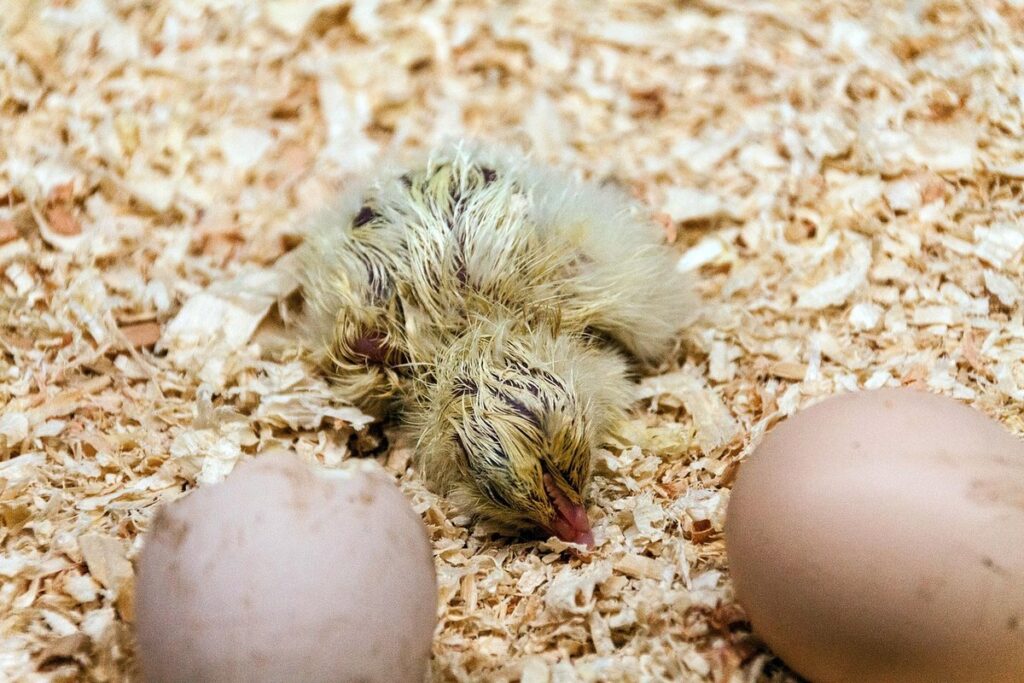
Understanding Egg Incubation Basics
To ensure successful incubation, let’s start by understanding the basic principles of how temperature affects the development of your chicken eggs. This includes factors like ideal temperature ranges and their impact on embryo growth.
Factors Influencing Incubation Temperature
Temperature plays a crucial role in the successful incubation of chicken eggs. It’s not just about keeping them warm; it’s about providing the right conditions for embryonic development and chick hatchability. The ideal temperature range for incubating chicken eggs is between 99°F (37°C) and 100°F (38°C), with most incubators set at around 99.5°F (37.7°C).
A slight deviation from this optimal temperature can have a significant impact on the developing embryo. For instance, if the temperature is too high, it can lead to dehydration and increased mortality rates among the chicks. Conversely, if it’s too low, growth may slow down or even halt altogether.
To put this into perspective, consider that the smallest difference in temperature (about 1°F) can result in a 10-15% increase in mortality rate during incubation. This highlights the importance of maintaining precise temperature control throughout the incubation period.
Ideal Temperature Ranges for Different Stages
Temperature plays a crucial role in each stage of incubation, from fertilization to hatching. During the first 24 hours after fertilization, maintaining an optimal temperature range is vital for proper embryonic development. The ideal temperature during this period is between 99°F (37°C) and 100°F (38°C). This narrow window allows the embryo to develop its initial cells and tissues without any complications.
As the embryo grows, so does its sensitivity to temperature fluctuations. Between days 1-4, the temperature range remains within a narrow margin of 99°F (37°C) to 101°F (38.9°C). During this stage, temperature stability is crucial for normal embryonic development and growth.
After day 10, temperature tolerance increases slightly, allowing for a margin of ±1°F (0.5°C) without significant risks. However, maintaining precise temperature control remains essential until hatching. For the final stages before hatching, a temperature range between 99.5°F (37.7°C) and 100.5°F (38.1°C) is recommended to ensure proper development of feathers and down.
Setting Up a Proper Incubator
To ensure your eggs incubate safely and successfully, you’ll need to set up a proper incubator that meets their precise temperature requirements. This section will walk you through the crucial steps of setting it up correctly.
Choosing the Right Incubator Type
When setting up an incubator, choosing the right type is crucial to ensure optimal egg hatching rates. There are several types of incubators available, each with its own advantages and disadvantages.
Digital incubators are popular among hobbyists due to their user-friendly interface and ability to precisely control temperature fluctuations. They often come equipped with sensors that monitor internal conditions, alerting the user if there’s a deviation from optimal temperatures. However, digital incubators can be more expensive than analog models.
Analog incubators, on the other hand, rely on mechanical dials or gauges to indicate temperature settings. While they may lack some of the advanced features of digital incubators, they’re often more affordable and require less maintenance. Forced-air incubators use a fan to circulate air around the eggs, helping maintain consistent temperatures.
For commercial farms, large capacity forced-air incubators are often preferred for their efficiency and ability to hatch thousands of eggs at once.
Maintaining Optimal Temperature in the Incubator
To maintain an optimal temperature environment within the incubator, it’s crucial to set up and use accurate monitoring tools. This includes installing thermometers, thermostats, and temperature probes that can provide real-time data on the incubation chamber’s temperature.
A digital thermometer with high precision is essential for tracking temperature fluctuations. It’s recommended to place multiple thermometers at various points within the incubator to ensure an even temperature distribution. You should also calibrate these instruments regularly to guarantee accurate readings.
To maintain a stable temperature, thermostats play a vital role in regulating heat output. These devices can be set to maintain a specific temperature range, ensuring that the incubation chamber remains within the optimal 99-100°F (37-38°C) range for chicken eggs.
Temperature probes are another crucial component of maintaining an optimal temperature environment. They allow you to monitor the incubator’s performance and make necessary adjustments to prevent overheating or underheating. Regularly inspecting these tools ensures that they’re functioning correctly, providing reliable data for informed decision-making.
Understanding the Importance of Temperature Fluctuations
Temperature fluctuations during incubation can be a critical factor affecting hatch rates, making it essential to understand their impact on developing embryos. Let’s explore why temperature stability is crucial for successful hatching.
The Impact of Temperature Swings on Embryos
Temperature fluctuations can significantly impact embryonic development within chicken eggs. Sudden changes, particularly those exceeding 3-5°F (1.6-2.8°C), can cause stress to the embryo, potentially leading to developmental delays or abnormalities. Prolonged exposure to temperature variations above or below optimal levels (99-100°F / 37-38°C) may result in reduced hatchability rates.
An ideal incubation environment should maintain a consistent temperature between 99 and 100°F (37-38°C). Temperature swings can disrupt this balance, putting the embryo at risk. For instance, if the incubator temperature drops to 96°F (35.6°C), the development process slows down, potentially causing delayed hatchings.
When handling eggs, it’s essential to monitor temperature fluctuations closely. If you notice unusual variations, adjust your incubation settings accordingly. Some incubators come equipped with built-in temperature control systems; utilize these features to maintain a stable environment for optimal egg development.
Strategies to Minimize Temperature Fluctuations
Minimizing temperature fluctuations is crucial to ensure even incubation and optimal chick development. To achieve this, consider implementing insulation in your incubation environment. Wrap the incubator with foam sheets or use a temperature-controlled cabinet to regulate the surrounding air temperature.
Another effective strategy is installing a ventilation system. This allows you to circulate and filter the air, maintaining a consistent temperature within the incubation area. Climate-controlled facilities are also an excellent option, as they provide precise temperature control and minimize external temperature fluctuations.
Some practical tips include placing the incubator in a well-insulated room or using radiant heat mats to maintain a stable surface temperature. Additionally, avoid placing the incubator near drafty areas, windows, or doors that can cause temperature changes.
Regular monitoring of temperature readings is also essential. Use a data logger or thermometer to track temperature fluctuations and make adjustments as needed to maintain an optimal range of 99°F to 100°F (37°C to 38°C).
Factors Affecting Incubation Temperature
When it comes to incubating chicken eggs, several factors can influence the ideal temperature. Let’s take a closer look at these variables and how they impact your egg’s chances of hatching successfully.
Environmental Conditions (Humidity, Airflow)
Maintaining optimal environmental conditions is crucial to ensure that your incubation temperature has the desired effect on chick development. When it comes to humidity and airflow, even slight variations can impact the temperature inside the incubator. For instance, if the air is too dry, it can accelerate heat loss, causing the temperature to fluctuate. Conversely, high humidity can lead to condensation issues, which can also disrupt temperature stability.
It’s essential to maintain a balanced level of humidity within the incubator. Typically, a relative humidity (RH) range of 50-60% is recommended for most breeds. However, some species may require slightly higher or lower levels. You should research specific requirements for your breed and adjust accordingly. Additionally, ensure that airflow is adequate to prevent stagnant air pockets, which can cause temperature irregularities.
To achieve optimal conditions, consider investing in a humidity gauge and a ventilation system specifically designed for incubators. Regularly monitoring these factors will allow you to make adjustments as needed, ensuring a stable environment for your eggs to develop evenly.
Handling and Storage of Eggs Before Incubation
Eggs should be stored and handled properly to prevent temperature-related issues during incubation. Temperature fluctuations can damage the egg’s embryo, reducing hatch rates and even causing embryonic mortality.
When eggs arrive from the farm, they are typically stored at around 60-65°F (15-18°C) with high humidity levels. This helps maintain a stable temperature until they’re placed in the incubator. Handle eggs gently to avoid shocks, which can cause damage to the embryo.
For short-term storage, it’s recommended to keep eggs between 55-70°F (13-21°C). Avoid placing them near direct sunlight, heat sources, or drafty areas that could cause temperature fluctuations. Store eggs in a carton or tray with an open top to allow for air circulation and prevent moisture buildup.
When preparing eggs for incubation, ensure the storage area is clean, dry, and free from strong odors. Avoid storing eggs near chemicals, pesticides, or other substances that might contaminate them. Always check egg temperature before placing it in the incubator.
Monitoring and Maintaining Optimal Temperature
Now that you understand how crucial temperature control is during incubation, let’s dive into the specifics of monitoring and maintaining optimal temperatures for your chicken eggs. This section will walk you through essential tips to keep your incubator in perfect working order.
Using Thermometers and Thermistors
Monitoring incubation temperatures accurately is crucial to ensure healthy embryo development. Thermometers and thermistors are common tools used for this purpose. A digital thermometer provides a clear display of the temperature reading, making it easy to monitor and adjust as needed. For example, you can use a thermometer to set your incubator to 99°F (37°C) and ensure that it stays within that range.
Thermistors, on the other hand, are more sensitive to temperature changes but may not provide a direct readout. They require a separate display or monitor to show the temperature reading. In some cases, thermistors can be more accurate than thermometers, especially in situations where temperature fluctuations are rapid. However, they may also be more prone to calibration errors if not handled properly.
When choosing between thermometers and thermistors, consider your specific needs and the equipment available to you. Thermometers are often easier to use and provide a clear display, but may lack the sensitivity of thermistors.
Adjusting Incubator Settings for Optimal Results
When monitoring temperature readings, it’s essential to adjust incubator settings for optimal results. A slight deviation from the ideal temperature can significantly impact embryo development and hatch rates. Start by checking the temperature control system and ensuring that it’s calibrated correctly.
To fine-tune temperature control, observe your temperature readings closely. Look for any fluctuations or patterns in the data, as these can indicate issues with the incubator or its settings. For instance, if you notice a consistent drop in temperature during the night, you may need to adjust the thermostat or add insulation to maintain a stable environment.
It’s also crucial to understand the concept of “temperature drift,” which occurs when the incubator’s temperature gradually changes over time due to various factors, such as humidity levels or equipment malfunctions. Regularly checking and adjusting your settings can help mitigate this issue. As a general rule of thumb, aim for a maximum temperature deviation of 0.5°C from the ideal temperature to ensure optimal results.
Common Temperature-Related Issues in Egg Incubation
As you navigate the world of egg incubation, it’s not uncommon to encounter temperature-related problems that can affect hatch rates and chick health. Let’s address some common issues you may face.
Troubleshooting Temperature Problems
One of the most critical aspects of successful egg incubation is maintaining a stable temperature. However, even with careful planning and monitoring, temperature fluctuations can still occur. This is where troubleshooting comes in.
Temperature problems during incubation can arise from various sources, including inadequate insulation, incorrect thermostat settings, or malfunctioning heating units. One common issue is “temperature swings,” which refer to sudden drops or rises in temperature that can be detrimental to embryonic development.
To troubleshoot temperature problems, first, identify the source of the issue. Check your incubator’s thermostat and make sure it is set correctly. Also, ensure that your incubator is well-insulated to prevent heat loss. If you’re using a heating unit, verify that it’s functioning properly and replace it if necessary.
Another crucial step is monitoring temperature closely. Use an accurate thermometer to track temperature fluctuations and adjust your settings accordingly. In some cases, minor temperature swings may not be detrimental; however, significant drops can be catastrophic for the embryos.
Strategies to Prevent Temperature-Related Problems
Maintaining a stable incubation environment is crucial to prevent temperature-related problems. One of the most effective ways to achieve this is by investing in a good quality incubator with precise temperature control. Regular calibration and maintenance of the incubator can also ensure that it functions optimally.
To maintain a consistent temperature, it’s essential to monitor the environment regularly. This involves checking the temperature gauge daily to ensure that it’s within the recommended range (99-100°F). Any deviations should be addressed promptly by adjusting the thermostat or seeking assistance from a veterinarian or experienced breeder.
Proper ventilation is also vital in preventing overheating and moisture buildup, which can lead to respiratory problems. Ensure that your incubator has adequate airflow and consider using a humidistat to maintain optimal humidity levels (50-60%). By following these best practices, you can create an ideal environment for healthy embryonic development and reduce the risk of temperature-related issues.
Frequently Asked Questions
Can I use a thermometer that’s not specifically designed for incubators, or do I need to invest in a high-end thermistor?
While general-purpose thermometers can work in an emergency, it’s highly recommended to invest in a dedicated thermometer and/or thermistor designed for incubation. These devices provide accurate temperature readings within the narrow range required for successful hatching. They also help prevent calibration errors and ensure precise control over incubation conditions.
How do I know if my eggs are being affected by temperature fluctuations, and what can I do to mitigate this issue?
Keep a close eye on your incubator’s temperature stability by monitoring the thermometer or thermistor regularly. Slight changes in temperature may not be noticeable at first but can add up over time. To prevent temperature-related problems, maintain a consistent environment, ensure proper ventilation, and consider using a temperature control system if possible.
What happens if I accidentally let my incubator’s temperature drop below 99°F (37°C) for an extended period?
If the temperature drops significantly, it may cause the embryos to halt development. However, immediate action can help minimize damage. Return the incubator to its ideal temperature range as soon as possible and monitor the eggs closely for any signs of distress or failure.
Can I use my home’s central heating system to regulate the temperature in the incubation room?
Using your home’s central heating may not be ideal due to potential temperature fluctuations, humidity changes, and air circulation issues. Instead, invest in a dedicated incubator designed specifically for egg hatching, which will provide optimal temperature control and maintain a stable environment.
How often should I check the thermometer or thermistor readings during the incubation period?
Regular checks are crucial to maintaining the ideal incubation temperature. Check your thermometer or thermistor every few hours (or more frequently in critical stages) to ensure you catch any minor deviations before they become significant issues.