
If you’re a backyard farmer or urban gardener looking to reduce your environmental footprint, you might be wondering how to turn chicken manure into a valuable resource for your garden. Composting chicken manure is an effective way to create a nutrient-rich fertilizer that’s free from chemicals and additives. Not only does this process help minimize waste and produce fewer greenhouse gas emissions, but it also reduces the risk of disease transmission associated with raw manure. In this comprehensive guide, we’ll walk you through the entire composting process, covering setup, troubleshooting tips, and the numerous benefits of using chicken manure fertilizer in your garden.
Understanding the Importance of Chicken Manure Compost
Now that you have a basic understanding of chicken manure composting, it’s essential to grasp why this process is crucial for gardeners and farmers alike. Let’s dive into the importance of incorporating chicken manure compost into your soil.
Benefits of Chicken Manure as a Natural Fertilizer
When it comes to natural fertilizers, chicken manure compost stands out from the rest. Its numerous benefits make it an attractive choice for gardeners and farmers alike. One of its most significant advantages is its high nitrogen content. Chicken manure contains a substantial amount of nitrogen (N), phosphorus (P), and potassium (K) – making it an excellent alternative to synthetic fertilizers.
As you incorporate chicken manure compost into your soil, you’ll notice improvements in soil structure. This natural fertilizer enhances the soil’s water-holding capacity, allowing plants to absorb moisture more efficiently. Additionally, its high organic matter content helps to improve soil porosity and aeration, reducing erosion and compaction.
By using chicken manure compost, you can significantly reduce your reliance on synthetic fertilizers. Not only does this benefit the environment by minimizing chemical runoff, but it also promotes healthier plant growth and increased crop yields. For example, studies have shown that using organic amendments like chicken manure compost can lead to a 25% increase in crop yields compared to conventional farming practices.
When preparing your chicken manure compost, be sure to mix it with other organic materials, such as leaves or straw, to create a balanced nutrient profile. Aim for a ratio of 2-3 parts “brown” materials (dry) to 1 part “green” material (chicken manure). This will allow you to tap into the full potential of this natural fertilizer and reap its numerous benefits.
Environmental Impact of Improper Waste Disposal
Improper disposal of chicken manure can have devastating effects on the environment. When chicken waste is not handled and processed correctly, it can leach into nearby water sources, contaminating rivers, lakes, and underground aquifers with pathogens, nutrients, and other pollutants. This can lead to the growth of toxic algae blooms, deplete oxygen levels, and even cause waterborne diseases in humans and animals.
In addition to water pollution, improper disposal of chicken manure also contributes significantly to greenhouse gas emissions. When chicken waste decomposes without sufficient aeration or processing, it releases large amounts of methane and ammonia into the atmosphere. These potent gases accelerate climate change by trapping heat and contributing to air pollution.
To mitigate these negative impacts, it’s essential to implement proper composting practices for chicken manure. By turning waste into a nutrient-rich resource through controlled decomposition, you can minimize environmental harm while creating a valuable product for your garden or farm.
Preparing Chicken Manure for Composting
Before you start composting chicken manure, it’s crucial to prepare it properly to avoid any health risks and ensure a successful composting process. This section will walk you through the necessary steps to get your manure ready.
Collecting and Sorting Chicken Manure
Collecting and sorting chicken manure is an essential step in preparing it for composting. This process ensures that the manure is free from contaminants and ready to be converted into a nutrient-rich compost.
To start, collect the manure from the coop or run, taking care to avoid any areas where cleaning products may have been used. Transfer the manure to a designated collection area, such as a bin or pile, where it can be sorted and cleaned.
Sorting involves removing any debris, feathers, bedding material, or other contaminants that may be present in the manure. This is typically done by hand-picking through the manure with gloves on. It’s essential to remove any large pieces of wood shavings, straw, or other materials that can’t break down during composting.
As a general rule, aim for a mix of 10-20% dry bedding material and 80-90% manure in the collection bin. This ratio will help maintain moisture levels and ensure optimal decomposition during the composting process.
Understanding Chicken Manure Characteristics
Chicken manure is a rich source of nutrients for composting, but its characteristics can also present some challenges. One of the most notable features of chicken manure is its high moisture content. This can range from 60-80%, which makes it difficult to manage and store properly. If not handled correctly, excess moisture can lead to anaerobic conditions, unpleasant odors, and even attract pests.
Another critical aspect of chicken manure is the potential for pathogen transmission. Manure from poultry farms can contain pathogens like Salmonella, E. coli, and Campylobacter, which can be hazardous to human health. These pathogens can survive in the composting process if not heated to a high enough temperature (usually above 131°F/55°C) to kill them off.
When handling chicken manure, it’s essential to take precautions to minimize these risks. This includes wearing protective gear, using gloves and masks, and ensuring proper storage and transportation. To reduce pathogen transmission, it’s also crucial to maintain good hygiene practices during composting, such as regular turning of the pile and monitoring temperature.
Setting Up a Composting System
Before diving into the composting process, it’s essential to set up a system that will help you manage and turn chicken manure into nutrient-rich fertilizer efficiently. This section covers the crucial steps for creating an effective composting setup.
Choosing the Right Location for Your Compost Bin
When selecting a location for your compost bin, it’s essential to consider two primary factors: ventilation and space. A well-ventilated area allows for airflow, which is crucial for maintaining a healthy composting process. Moisture can accumulate in an enclosed space, leading to unpleasant odors and potentially creating anaerobic conditions that hinder decomposition.
Choose a location with adequate shade, ideally near a water source to minimize transportation of materials. Ensure the area has sufficient clearance from buildings or other structures to facilitate easy access and maintenance. A 6-8 foot radius around the compost bin is recommended for unobstructed movement and efficient operation.
In addition, consider the proximity to your chicken coop. Placing the compost bin near the coop can make it easier to collect waste materials as they become available. However, be mindful of potential pests and odors that may arise from close proximity.
Types of Composting Systems: Indoor and Outdoor Options
When it comes to setting up a composting system for chicken manure, you have several options to consider. One of the most important decisions is choosing the right type of composting system that suits your needs and space constraints.
Indoor bins are ideal for small spaces or urban areas where outdoor space is limited. These bins typically range from 5-50 gallons in size and can be placed under sinks, in laundry rooms, or even on balconies. They usually come with odor-absorbing filters and are designed to break down chicken manure efficiently.
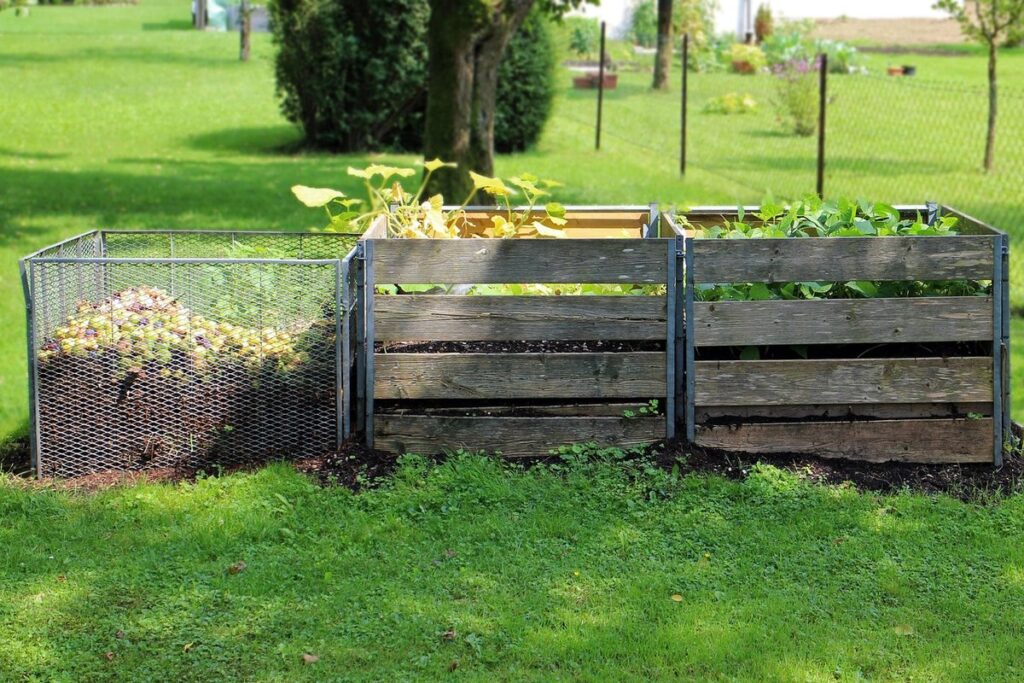
Outdoor piles, also known as composting heaps or mounds, are another popular option. These systems allow for larger volumes of chicken manure to be processed and can be built in a corner of your yard or behind a barn. Outdoor piles require more maintenance than indoor bins but can process large quantities of waste quickly.
Worm composting, also known as vermicomposting, is a low-maintenance method that uses red wiggler worms to break down chicken manure into nutrient-rich fertilizer. This system is perfect for small-scale operations or urban areas with limited space.
When choosing a composting system, consider factors such as your available space, budget, and the amount of chicken manure you plan to process. Each type of system has its pros and cons, so it’s essential to weigh these before making a decision.
The Composting Process
Now that we’ve covered the benefits and best practices of chicken manure composting, let’s dive into the nitty-gritty of how it all works. We’ll break down each step of the composting process.
Turning and Monitoring Your Compost Pile
Turning and monitoring your compost pile is crucial for achieving optimal conditions for decomposition. This process helps to ensure that the chicken manure is broken down efficiently, reducing odors and creating a nutrient-rich fertilizer.
To turn your compost pile, use a pitchfork or shovel to gently mix the materials in a rotating motion. Aim to turn the pile every 7-10 days, especially during the active decomposition phase. This helps to introduce oxygen, which supports microbial growth and activity.
Monitor your pile’s temperature regularly by inserting a thermometer into the center of the pile. The ideal temperature for decomposition is between 130°F and 140°F (54°C to 60°C). If the temperature exceeds this range, turn the pile to aerate it and prevent overheating.
Additionally, check the moisture levels in your compost pile by inserting your hand into the pile. It should feel like a damp sponge – not too wet or dry. Finally, inspect the pile for any signs of pests or anaerobic conditions, such as an unusual odor or maggot infestation.
Managing Odors and Pests in Your Compost Bin
Managing odors and pests is crucial when composting chicken manure. These issues can arise from high nitrogen levels, moisture buildup, and lack of aeration. To mitigate these problems, add bulking agents like straw, shredded newspaper, or cardboard to the bin. These materials absorb excess moisture, prevent matting, and provide oxygen for microorganisms.
Physical barriers also help control pests. Cover your compost pile with a tarp or mesh screen to keep out rodents and other unwanted creatures. Another option is using a wire mesh enclosure around the bin, allowing airflow while keeping pests at bay.
Maintaining proper carbon-to-nitrogen ratios by adding more ‘brown’ materials (dried leaves, hay) can also reduce odors. Regular turning of the compost pile ensures aeration, speeding up decomposition and minimizing odorous compounds. It’s essential to balance these strategies with monitoring your pile’s temperature and moisture levels.
If pests or strong odors persist, consider adding beneficial organisms like earthworms or microbe-rich compost tea. These can help break down manure faster, reducing unpleasant smells.
Ensuring Pathogen Control and Safety Precautions
To ensure your compost is safe for use, it’s crucial to take measures that control pathogens and prevent any potential health risks associated with handling chicken manure. This section outlines essential precautions to consider during the process.
Understanding the Risks of Pathogens in Chicken Manure
Pathogens like Salmonella and E. coli are common contaminants found in chicken manure. These microorganisms can cause serious health issues in humans and animals alike if not handled properly. When composting chicken manure, it’s essential to take precautions to minimize the risk of pathogen transmission.
The Centers for Disease Control and Prevention (CDC) report that one in six illnesses in the US are caused by contaminated food, including produce grown with contaminated manure as fertilizer. Proper composting procedures can significantly reduce the presence of pathogens in chicken manure. This includes maintaining optimal carbon-to-nitrogen ratios, ensuring adequate moisture levels, and providing sufficient aeration.
To ensure pathogen control, it’s crucial to follow these best practices: Regularly test your compost for pathogens, maintain a temperature of at least 131°F (55°C) during the composting process, and keep the compost pile covered to prevent re-contamination. By understanding the risks associated with pathogens in chicken manure and following proper handling and composting procedures, you can produce safe and nutrient-rich compost for your garden or farm.
Implementing Safety Precautions for Composters
When working with chicken manure composting, safety should always be your top priority. This is especially true when it comes to minimizing exposure to pathogens. To protect yourself and others from potential harm, make sure to wear personal protective equipment (PPE) at all times while handling the compost.
Wearing gloves and a face mask can prevent direct contact with potentially contaminated materials. You should also consider wearing long sleeves, pants, and closed-toe shoes to avoid skin irritation and exposure. When handling hot compost piles, it’s essential to maintain good ventilation to reduce the risk of inhaling pathogens.
Additionally, washing your hands thoroughly after each handling session is crucial. Use soap and water for at least 20 seconds to ensure that any bacteria or viruses are eliminated. Finally, consider implementing a regular cleaning schedule for your equipment and workspace to prevent cross-contamination.
By taking these simple precautions, you can minimize the risks associated with chicken manure composting and ensure a safe working environment.
Harvesting and Using Your Finished Compost
Now that your compost is finished, it’s time to reap the rewards of your hard work by harvesting and using your nutrient-rich chicken manure compost in the garden.
Monitoring Compost Maturity and pH Levels
Monitoring the maturity and pH levels of your finished compost is crucial to ensure it’s ready for use. To check if your compost is mature, perform a series of simple tests. First, mix 1-2 tablespoons of compost with water to create a liquid solution. If it dissolves easily, the compost is likely mature. Next, observe its color and texture; mature compost should have an earthy aroma and be crumbly in texture.
To monitor pH levels, you can purchase a pH testing kit or use soil pH test strips. The ideal pH range for finished compost is between 6.0 and 7.5. If your compost’s pH level falls outside this range, it may affect the growth of plants. For example, if the pH is too high (alkaline), it can lead to nutrient deficiencies in plants.
Regular monitoring will help you identify any issues early on, allowing for adjustments to be made before the compost is used. This ensures your finished compost is safe and beneficial for your garden or crops.
Strategies for Incorporating Compost into Your Garden or Farm
Once you’ve completed the chicken manure composting process and have a rich supply of finished compost, it’s time to put it to good use. One of the most effective ways to incorporate this nutrient-rich material into your garden or farm is by using it as a natural fertilizer.
To get started, consider the following strategies:
* Mix 2-3 inches of compost into the top 6-8 inches of soil in gardens and beds to improve soil structure and fertility.
* Use compost as a mulch around plants to retain moisture, suppress weeds, and regulate soil temperature.
* Add compost to potting mixes for container gardens or seed starting to provide a boost of nutrients to young plants.
When applying compost to your garden or farm, keep the following tips in mind:
* Start with small amounts and gradually increase as needed to avoid over-fertilizing.
* Mix compost with other natural fertilizers like manure tea or bone meal for an extra nutrient kick.
* Consider using compost tea as a foliar spray to provide micronutrients directly to plants.
Troubleshooting Common Composting Issues
Even seasoned composters encounter problems, and that’s why we’ve gathered expert advice on fixing common mistakes to get your chicken manure composting process back on track. Let’s tackle these issues together.
Identifying and Resolving Odor Problems in Your Compost Bin
When composting chicken manure, it’s not uncommon to encounter odor problems. High temperatures and moisture create an ideal environment for microorganisms to break down the waste, but this process can also lead to unpleasant smells.
Some common causes of odor issues in compost bins include:
• Insufficient aeration: When there is too little oxygen in the bin, microorganisms will produce more volatile organic compounds (VOCs), contributing to strong odors.
• Over-moisture: Chicken manure has high water content and can create anaerobic conditions if not managed properly, leading to foul smells.
• Imbalanced carbon-to-nitrogen ratio: An excessive amount of nitrogen-rich chicken manure without sufficient carbon-rich materials (e.g., leaves or straw) can lead to odors.
To resolve odor problems in your compost bin:
• Regularly turn and aerate the pile to ensure adequate oxygen supply
• Monitor moisture levels and add dry materials as needed to maintain a mix that is neither too wet nor too dry
• Add bulking agents (e.g., leaves, straw) to balance out high-nitrogen chicken manure content
Maintaining a balanced compost pile with proper airflow and moisture management can help mitigate odor issues.
Managing Moisture Levels and Leachate in Your Compost Pile
When managing moisture levels and leachate in your compost pile, it’s essential to strike the right balance. If the pile is too dry, decomposition will slow down, while excessive moisture can lead to anaerobic conditions and unpleasant odors.
To avoid these issues, aim for a mix of “green” (nitrogen-rich) and “brown” (carbon-rich) materials in your compost pile. Brown materials like dried leaves or straw absorb excess moisture and help regulate the pile’s temperature. Green materials, such as grass clippings or chicken manure, contribute to decomposition.
Aim for a moisture level of 50-60% by incorporating green materials during the initial setup and periodically adding brown materials to balance it out. Check the moisture levels regularly and adjust accordingly. Use the “squeeze test”: if the compost feels dry and crumbly, it’s too dry; if it’s wet and soggy, it’s too moist.
Monitor the pile for leachate – a liquid that can indicate anaerobic conditions – by checking its color and smell. A dark brown or black liquid with an unpleasant odor may be present in excessive amounts. If you notice this, turn the pile to aerate it, or add more brown materials to absorb excess moisture.
Frequently Asked Questions
Can I use chicken manure compost in container gardens or indoor plants?
Yes, you can use chicken manure compost as a natural fertilizer for your container gardens or indoor plants. Just make sure to follow the correct application rates and monitor your plants’ responses to avoid over-fertilization.
How long does it take for chicken manure compost to mature and be ready for use in my garden?
The maturation time of chicken manure compost can vary depending on factors like temperature, moisture levels, and aeration. Generally, it takes 3-6 months for the composting process to complete, but it’s essential to regularly monitor your pile’s maturity through testing its carbon-to-nitrogen ratio and pH levels.
What should I do if my chicken manure compost has an unpleasant odor?
If you notice an unusual smell from your compost bin, check for moisture imbalances. High temperatures can cause the decomposition process to accelerate, resulting in a strong ammonia smell. To resolve this issue, ensure adequate aeration and adjust your carbon-to-nitrogen ratio by adding more ‘brown’ materials (dry leaves, straw, etc.).
Can I mix chicken manure compost with other natural fertilizers or soil amendments?
Yes, you can blend chicken manure compost with other natural fertilizers like worm casting, bone meal, or alfalfa meal to create a customized fertilizer for your garden. However, be aware that certain combinations may affect the final product’s pH levels or nutrient content.
How do I store and transport finished chicken manure compost?
To store and transport chicken manure compost safely, ensure it’s fully matured (as determined by its color, texture, and carbon-to-nitrogen ratio). Store it in airtight containers to maintain its integrity and prevent re-contamination. When transporting the compost, use clean equipment and follow proper handling procedures to avoid cross-contamination with other materials.