
Maintaining a thriving duck pond requires more than just feeding your feathered friends. It’s about creating a healthy, safe, and sustainable environment for them to live in. A well-maintained pond is essential for the well-being of your ducks, as it directly affects their water quality, circulation, and overall health.
As a responsible duck owner, you need to consider factors like water testing, filtration systems, and regular cleaning to keep your pond free from contaminants and diseases. You’ll also want to think about safety considerations, such as fencing and netting, to prevent accidents and protect both your ducks and humans around the pond. And let’s not forget about budgeting – maintaining a duck pond can be costly if you’re not careful.
In this article, we’ll cover the essential tips and techniques for maintaining a thriving duck pond, from water quality and circulation to safety considerations and budgeting.
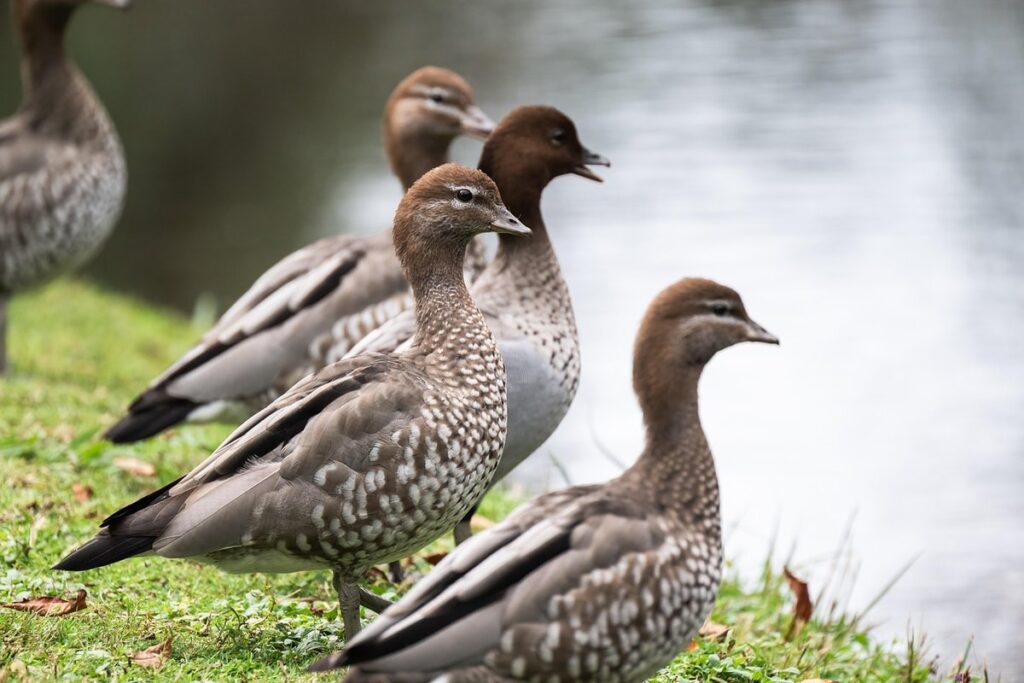
Understanding Your Duck Pond’s Needs
To create a thriving duck pond, it’s essential to understand its unique needs and requirements, including water quality, habitat, and ecosystem balance. This starts with knowing your pond’s natural characteristics.
Assessing Water Quality and Circulation
Regular water testing is crucial to maintaining a healthy duck pond. You’ll want to check for pH levels, ammonia, nitrite, and nitrate concentrations at least once a week during peak duck population periods. A good starting point is to invest in a comprehensive water testing kit that can analyze these parameters.
Interpreting the results requires some knowledge of safe ranges. For example, if your pond’s pH level is too high or low, it may cause stress on your ducks’ respiratory and digestive systems. Ammonia levels above 0.5 ppm are toxic to ducklings, while nitrite concentrations exceeding 1.0 ppm can be fatal.
To ensure proper water circulation, consider implementing aeration and filtration systems. A well-designed aerator will inject oxygen into the water, promoting healthy microbial activity that breaks down waste products. Install a suitable filter to remove debris, algae, and suspended solids that could harm your ducks or create unpleasant odors. Be sure to choose equipment specifically designed for small ponds, as these often have more efficient pumps and better water-to-air ratios.
Evaluating Pond Size and Depth
When it comes to creating an ideal duck pond, size and depth are crucial factors to consider. A good rule of thumb is to allocate at least 2-3 square feet of water surface area per duck. This ensures that your ducks have enough space to swim, forage, and exercise comfortably.
To calculate the ideal pond size, start by determining how many ducks you plan to keep. Then, multiply this number by 2-3 square feet per duck. For example, if you have a flock of five ducks, you’ll need a pond with at least 10-15 square feet of surface area.
When it comes to depth, a minimum of 12 inches is recommended for safety reasons. However, a deeper pond (around 4-5 feet) will provide better water quality and allow your ducks to dive safely. Consider the space requirements for plants, filtration systems, and maintenance access when determining the overall size and shape of your duck pond.
Remember, bigger isn’t always better – prioritize functionality and practicality over grandeur.
Water Management Techniques
To keep your duck pond looking its best, you’ll want to learn some effective water management techniques that prevent stagnation and promote a healthy ecosystem. This includes monitoring water levels and circulation.
Managing Water Levels and Depths
Controlling water levels and depths is crucial for maintaining a healthy environment for your ducks. One of the most effective ways to manage water levels is by installing a pump system. Pumps can help regulate the water level, especially during periods of low rainfall or high evaporation rates. It’s essential to choose a pump that suits your pond size and water requirements.
In addition to pumps, you can also use drains and valves to control water flow. Drains are designed to remove excess water from the pond, while valves help regulate water inflow. For example, if you notice your pond is overflowing due to heavy rainfall, you can temporarily block the inflow valve to prevent further flooding.
Maintaining optimal water depth is equally important for duck health and comfort. A minimum of 12 inches (30 cm) of water is recommended, allowing ducks to swim comfortably while keeping their feet clean. However, keep in mind that shallow water can also provide a safe zone for ducklings during their first few weeks of life.
Algae Control and Prevention
Algae growth is a common issue in duck ponds, not only causing aesthetic problems but also depleting oxygen levels and harming aquatic life. So, what causes algae to thrive in our water features? High levels of nutrients such as nitrogen and phosphorus can contribute to excessive algae growth.
To prevent algae from taking over your pond, it’s essential to implement a few simple strategies. Introduce beneficial bacteria into the ecosystem by adding products specifically designed for this purpose. These microorganisms feed on excess nutrients, reducing the likelihood of algae blooms.
Another effective method is using algaecides safely and responsibly. Apply these treatments according to the manufacturer’s instructions to avoid harming your ducks or other aquatic life. Regularly test the water for nutrient levels and pH balance to prevent over-fertilization from nearby gardens or agricultural activities.
Additionally, incorporate plants with deep roots into your pond design to help absorb excess nutrients. Examples include cattails and water lilies. By combining these methods, you’ll be well on your way to maintaining a balanced ecosystem in your duck pond, reducing the risk of algae growth.
Aquatic Plant Management
When it comes to maintaining a healthy duck pond ecosystem, effective aquatic plant management is crucial for water quality and your feathered friends’ well-being. In this next step, we’ll explore how to cultivate a balanced aquatic plant population.
Identifying and Controlling Invasive Plants
Identifying and controlling invasive plants is crucial for maintaining a healthy ecosystem in your duck pond. These unwanted species can outcompete native aquatic plants for resources such as sunlight, nutrients, and water, causing harm to the ducks and other wildlife that depend on the pond.
Some common invasive aquatic plants include Water Hyacinth (Eichhornia crassipes), Phragmites (Phragmites australis), and Eurasian Watermilfoil (Myriophyllum spicatum). These plants can form dense mats on the surface of the water, blocking sunlight and making it difficult for ducks to breathe. They can also harbor mosquito larvae, creating an ideal breeding ground for these disease-carrying pests.
To remove invasive plants, start by manually removing any visible growth using a rake or net. You may also use herbicides specifically designed for aquatic plants as a last resort. Prevention is key, so ensure that your pond’s ecosystem is balanced by introducing native plant species and implementing proper water circulation and aeration systems. Regularly monitor your pond’s vegetation to catch invasive species early on and prevent their spread.
Beneficial Plant Species and Uses
When it comes to duck pond maintenance, incorporating beneficial aquatic plants can greatly enhance the overall ecosystem and provide a healthy environment for your feathered friends. Certain plant species serve as food sources, shelter, or even habitats for ducks, making them an essential component of a thriving pond.
Some beneficial aquatic plants include water lilies, cattails, and pickerelweed. These plants not only provide shade and shelter from harsh weather conditions but also offer a food source for ducks in the form of seeds, leaves, and stems. Introducing these species can be done through division or purchase from reputable suppliers. For example, water lilies can be divided during spring or fall when the plant is dormant.
To care for these beneficial plants, ensure they receive adequate sunlight (most require 4-6 hours) and maintain a pH level between 6.5 and 8.5. Regularly remove dead or decaying plant material to prevent the spread of disease and promote healthy growth. By incorporating these beneficial aquatic plants into your duck pond ecosystem, you can create a balanced and thriving environment for both your ducks and the local wildlife.
Safety and Health Considerations
When maintaining a duck pond, it’s essential to consider safety and health risks for both humans and ducks. This includes protecting against potential waterborne diseases and hazards.
Preventing Waterborne Diseases
Waterborne diseases are a significant concern for duck owners, and it’s essential to take proactive measures to prevent them. One of the most common waterborne diseases affecting ducks is avian cholera, which can be caused by contaminated water or poor pond maintenance. To prevent this disease, regular testing of your pond water is crucial.
You should test for bacteria like E. coli, Salmonella, and Campylobacter at least once a month during warmer months. If you notice any unusual changes in water quality, such as algae blooms or odor, take immediate action to address the issue. Regular disinfection of your pond using chlorine or algaecides can also help prevent disease outbreaks.
Vaccination is another critical measure for preventing waterborne diseases. Consult with a veterinarian to determine the best vaccination schedule for your ducks. Additionally, ensure that you’re providing a balanced diet and maintaining good hygiene practices around the pond. By following these measures, you’ll be able to create a healthy environment for your feathered friends to thrive.
Managing Pests and Predators
Managing pests and predators is crucial to maintaining a healthy duck pond ecosystem. Mosquitoes, flies, and ticks can be particularly pesky, as they not only bother the ducks but also spread diseases like avian malaria and West Nile virus. To control these unwanted visitors, consider installing a mosquito repellent system or introducing beneficial insects like dragonflies or damselflies that feed on mosquitoes.
Secure your pond area by trimming trees and shrubs to prevent predators like herons, raccoons, or foxes from accessing the water’s edge. Fencing is another effective deterrent – use sturdy materials like wood or metal and bury them at least 12 inches underground to prevent burrowing animals from escaping. Remove any attractants like food sources or birdhouses that may draw these predators to your pond.
Regularly inspect your pond for signs of pest infestation, such as waterfowl struggling to breathe or unusual droppings around the area. Keep your pond clean and well-maintained by removing debris, cleaning filters, and performing regular water testing to prevent overgrowth that can harbor pests.
Budgeting and Scheduling Maintenance
To keep your duck pond running smoothly, you’ll need a solid plan for budgeting and scheduling maintenance tasks, from cleaning to equipment upkeep. Let’s dive into the details of how to make it work.
Prioritizing Maintenance Tasks
Prioritizing maintenance tasks is crucial to keep your duck pond clean and healthy for your feathered friends. As a duck pond owner, you need to allocate resources efficiently for regular upkeep, considering seasonal needs, weather conditions, and duck health.
In warmer months, you’ll need to focus on maintaining water quality by increasing aeration, monitoring water levels, and controlling algae growth. During this time, you may also need to perform tasks like cleaning the pond’s edges, inspecting equipment, and checking for signs of pests or diseases.
In colder months, your priority should be preventing ice formation, which can harm your ducks. This involves adding de-icing products or increasing aeration to keep the water from freezing. You’ll also want to ensure that your equipment is winterized to prevent damage from freezing temperatures.
It’s essential to create a maintenance schedule that suits your pond’s specific needs and resources. Allocate time for regular tasks like testing water quality, cleaning the pond, and inspecting equipment. By prioritizing maintenance tasks effectively, you’ll be able to keep your duck pond clean, safe, and thriving throughout the year. Regular upkeep will also help prevent costly repairs and ensure the health of your ducks.
Creating a Maintenance Schedule
Creating a maintenance schedule is essential to ensure your duck pond remains healthy and safe for your feathered friends. To create a tailored schedule, start by considering the pond’s specific needs, climate, and water chemistry. For example, if you live in an area with extreme temperatures or heavy rainfall, you may need to adjust your maintenance routine accordingly.
A typical maintenance schedule should include regular checks on water quality, aeration, and vegetation. Daily tasks might include monitoring water levels, checking for any signs of pests or diseases, and ensuring the pond’s equipment is functioning properly. Seasonally, you’ll want to perform tasks like cleaning filters, inspecting pumps and pipes, and adjusting nutrient levels.
Remember to also plan for seasonal maintenance tasks such as spring clean-up, summer aeration checks, fall pump maintenance, and winterizing your pond’s plumbing. By breaking down these tasks into smaller chunks, you can stay on top of upkeep and avoid costly repairs or water quality issues. Set reminders or schedule regular check-ins with a professional to ensure you’re meeting your duck pond’s unique needs.
Additional Tips and Considerations
As you’ve learned the basics of duck pond maintenance, let’s dive into some additional tips and considerations to ensure your water feature stays healthy and thriving. From monitoring water quality to dealing with unexpected issues, we’ve got you covered.
Incorporating Water Features and Decorations
When it comes to creating an inviting and enriching environment for your ducks, incorporating water features and decorations can be a great idea. A well-designed fountain, stream, or waterfall not only adds visual appeal to your pond but also provides several benefits for the ducks. For instance, moving water creates currents that help keep the pond clean by washing away waste and debris. This can reduce the need for frequent cleaning and maintenance.
Incorporating a water feature can also enhance the overall ambiance of the area, making it more enjoyable for you to spend time near the pond. However, when selecting or designing your water feature, consider factors such as noise levels and water flow rates to ensure they complement the needs and comfort of both you and the ducks.
In addition to water features, adding decorations or accessories can also contribute to a welcoming environment for the ducks. Some examples include installing plants with low-maintenance requirements, placing rocks or logs for swimming areas, or creating a bridge for easy access. When choosing decorations, prioritize durability, safety, and ease of cleaning to maintain a healthy and thriving ecosystem within your duck pond.
Integrating Duck Pond Maintenance into Daily Life
Incorporating duck pond maintenance into daily life can seem daunting at first, but with a few simple habits, you’ll be well on your way to keeping your pond healthy and thriving. Start by breaking down larger tasks into smaller, manageable chunks that fit seamlessly into your daily routine.
For example, every morning, take a quick stroll around the pond to inspect for any signs of stress or distress among your feathered friends. Check the water levels, ensure the pump is functioning correctly, and make note of any debris accumulation on the surface. You can also use this time to replenish food and water supplies.
During seasonal changes, perform more thorough checks. In spring, aerate the pond to prevent stagnation, while in autumn, begin preparing for winter by installing a pond heater or covering the pond to prevent ice from forming. By integrating these tasks into your daily routine, you’ll not only maintain a healthy pond but also ensure a happy and thriving duck population.
Frequently Asked Questions
What if I’m new to duck pond maintenance? Where do I start with testing my pond’s water quality?
When starting out, it’s essential to understand the importance of regular water testing. Begin by investing in a comprehensive water test kit that covers pH levels, ammonia, nitrite, and nitrate concentrations. Follow the manufacturer’s instructions for testing and record your results to track changes over time.
Can I still maintain a healthy duck pond without breaking the bank?
Budgeting is crucial when it comes to maintaining a duck pond. Set realistic goals and prioritize tasks based on their urgency and importance. Consider DIY projects, like building your own filtration system or creating a natural pest control method using beneficial plants. Research local resources for funding and grants that can help support your efforts.
How often should I clean my pond’s filter system?
Regular cleaning is vital to maintaining a healthy duck pond ecosystem. Aim to clean your filter system at least once every two weeks, depending on the size of your pond and the number of ducks you have. Be sure to follow the manufacturer’s instructions for replacement parts and maintenance schedules.
What if I notice algae growth in my pond? Is it a sign of poor water quality?
Yes, excessive algae growth can indicate issues with water quality or circulation. To address this, perform regular water tests to identify any underlying problems. Increase filtration and aeration rates, or consider introducing beneficial plants that help control algae growth.
Can I use chemical treatments to kill pests and predators in my duck pond?
No, chemical treatments are not recommended for controlling pests and predators in your duck pond. These chemicals can harm your ducks and contaminate the water. Instead, focus on creating a balanced ecosystem using natural methods like beneficial plants, physical barriers, and introducing native predators that prey on invasive species.