
Hatching eggs can be an exciting and rewarding experience for backyard chicken keepers, but ensuring optimal conditions is crucial to their success. As you prepare to incubate your eggs, it’s essential to understand the delicate balance required to promote healthy development and strong hatch rates.
Whether you’re a seasoned breeder or just starting out, learning expert-approved conditions for hatching eggs will give you confidence in your abilities. In this article, we’ll delve into the optimal temperature, humidity, and lighting requirements for successful incubation. We’ll also cover how to select healthy breeders, manage the risks associated with inbreeding, and troubleshoot common issues that can arise during the hatching process. By mastering these conditions, you’ll be well on your way to achieving a high-quality hatch.
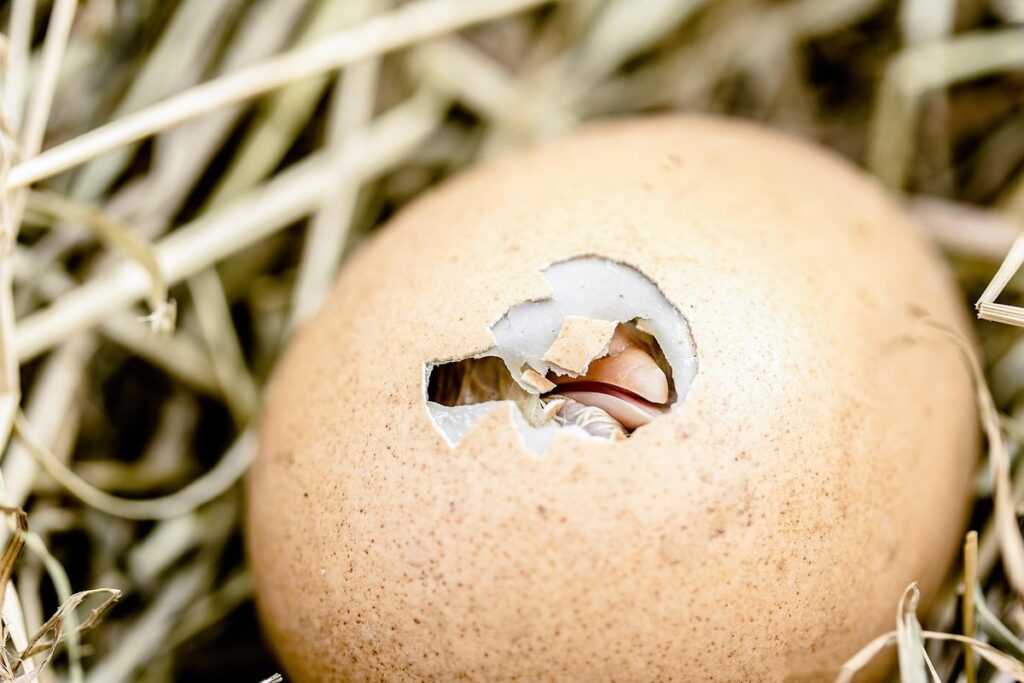
Understanding Embryonic Development
To successfully hatch eggs, it’s essential to understand how embryos develop and what factors influence their growth. This process starts at fertilization, where a single cell begins dividing into a complex organism.
Factors Influencing Fertilization Success
Fertilization is the initial step that sets the stage for successful embryonic development. For hatching eggs to thrive, proper fertilization techniques are essential. The timing and technique used during fertilization significantly impact the likelihood of successful embryonic development.
The correct timing of fertilization is crucial. Fertilization typically occurs within 12-24 hours after egg laying. However, this window can vary depending on factors like breed and environmental conditions. To increase chances of success, it’s essential to monitor the reproductive cycle of your birds closely. This allows you to time mating sessions accurately.
In addition to timing, proper technique is equally important. Fertilization should be carried out gently but firmly to ensure the sperm successfully penetrates the egg white. Improper fertilization techniques can lead to incomplete or failed fertilization, ultimately affecting embryonic development.
To optimize fertilization success, breeders often use artificial insemination (AI) methods. AI allows for precise control over timing and technique, significantly increasing the chances of successful fertilization.
Importance of Egg Quality and Handling
Egg quality and handling play a significant role in determining successful hatching rates. Cleanliness is crucial; make sure to collect eggs from the nesting box gently to avoid cracking them. Any damage can compromise the embryo’s integrity, reducing chances of survival.
Proper storage conditions are equally important. Store eggs pointy end down in a cool, dry place at around 60-70°F (15-21°C). High temperatures and humidity levels above 50% can trigger bacterial growth, putting the embryo at risk.
Transportation methods must also be considered when shipping or moving hatching eggs. Avoid direct sunlight, extreme temperatures, and excessive handling, which can lead to egg damage or contamination. It’s recommended to use specialized egg cartons or boxes with ventilation holes to maintain a stable environment during transit.
Maintaining optimal storage and transportation conditions ensures the embryo develops healthily. Always prioritize egg cleanliness and handle them gently throughout the process to maximize hatching success.
Temperature and Humidity Requirements
To successfully hatch eggs, it’s crucial you understand the ideal temperature and humidity levels required for incubation to occur. Let’s dive into these specific requirements next.
Optimal Incubation Temperatures for Different Species
When it comes to successfully hatching eggs, temperature plays a crucial role. Different bird species have unique incubation temperature requirements, and getting it right is essential for healthy hatchlings. Let’s take a look at the optimal incubation temperatures required for some of the most common backyard birds.
For chickens, the ideal incubation temperature ranges from 99°F to 100°F (37°C to 38°C) during the first 24 hours after fertilization, then gradually drops by about 0.5°F each day until it reaches a stable temperature of around 98°F (36.7°C) for the remaining 21 days of incubation.
Ducks require a slightly higher temperature than chickens, ranging from 100°F to 101°F (37.8°C to 38.3°C) during the first 24 hours and then dropping to around 99°F (37.2°C) for the rest of the incubation period.
Turkeys, on the other hand, need a bit more heat, with temperatures ranging from 100°F to 102°F (37.8°C to 39°C) during the initial 24 hours before gradually decreasing to approximately 98.5°F (36.9°C).
Remember that even slight deviations in temperature can affect hatch rates and chick viability, so it’s essential to maintain precise temperature control throughout the incubation period.
Maintaining Proper Humidity Levels During Incubation
Maintaining optimal humidity levels during incubation is crucial for preventing embryonic dehydration and ensuring healthy egg development. As an embryo grows inside the eggshell, it needs a certain level of moisture to maintain its hydration balance. If the humidity drops below 30-40%, the embryo will start to dehydrate, leading to developmental issues and potentially even mortality.
To achieve optimal humidity levels, most incubators are set between 50-60% relative humidity (RH) during the first stage of incubation. This is because the eggshell is permeable, allowing moisture to escape, but also for gases like oxygen and carbon dioxide to enter. During the second stage, when the embryo’s metabolism increases, the humidity level is reduced slightly to 40-50% RH.
It’s essential to maintain consistent humidity levels throughout incubation, as sudden changes can cause stress on the developing embryo. You can achieve this by using a water reservoir or a misting system in your incubator, which will release moisture into the air as needed. Regularly checking and adjusting the humidity level is also vital to prevent under- or over-hydration issues.
Lighting and Turning Conditions
When it comes to hatching eggs, proper lighting and turning conditions are crucial for healthy development. In this next part of our guide, we’ll explore how to create an ideal environment.
Understanding the Role of Light in Embryonic Development
Light plays a crucial role in embryonic development, and understanding its effects is essential for successful hatching. The photoperiod, which refers to the duration of light exposure, varies between species. For example, chickens require a 14-hour daylight period to initiate molting and reproductive cycles, while quails need a shorter photoperiod of around 12 hours.
Light intensity also plays a significant role in embryonic development. Too little light can cause stunted growth and developmental issues, whereas excessive light can lead to overheating and reduced fertility. A general rule of thumb is to maintain a balanced light spectrum with an intensity range of 5-10 micromoles per second (μmol/s) for most species.
For instance, broiler breeders typically require around 20-30 μmol/s of light intensity to stimulate growth and development. Conversely, egg-laying hens prefer lower light levels, approximately 5-15 μmol/s, to promote egg production.
When setting up your incubation environment, ensure the lighting system provides a consistent photoperiod and adequate light intensity for the specific species you’re working with. This will help create an optimal environment for embryonic development and successful hatching.
The Importance of Regular Turning During Incubation
Regular turning is a crucial aspect of incubation that often gets overlooked. However, it plays a significant role in ensuring the healthy development of embryos within the egg. When eggs are not turned regularly, the embryo can become malpositioned, leading to various complications during hatching.
Malpositioning occurs when the embryo develops on one side or at an angle, causing the beak and legs to grow improperly. This can lead to difficulties in breaking out of the shell and establishing itself after hatching. To prevent this from happening, it’s essential to turn eggs multiple times a day. A general rule of thumb is to turn them every 6-8 hours for the first 18 days of incubation.
To ensure even development, you can implement a simple turning method by gently rotating the egg one-quarter turn. This allows the embryo to move freely and grow evenly on all sides. By incorporating regular turning into your incubation routine, you’ll significantly reduce the risk of malpositioning and promote healthy growth in your chicks.
Breeding Considerations and Egg Selection
When selecting eggs for hatching, breeding considerations play a crucial role in determining the health and viability of your future chicks. Choosing the right eggs can make all the difference in their development and success.
Selecting Healthy Breeders and Managing Inbreeding Risks
When it comes to hatching eggs, selecting healthy breeders is crucial for ensuring the health and well-being of your birds. But did you know that choosing the right breeders can also help minimize inbreeding risks? Inbreeding occurs when birds from a family line are bred together, which can lead to weakened immune systems and a higher risk of genetic disorders.
To avoid this, look for breeders who prioritize genetic diversity and actively work to reduce inbreeding within their flocks. One way to do this is by selecting breeders that have a varied and diverse breeding program, where birds from different bloodlines are crossed to create new and healthier offspring. You can also ask breeders about their breeding strategies and whether they use DNA testing to identify potential genetic issues.
By taking the time to research and select healthy, genetically diverse breeders, you’ll be setting your flock up for success and minimizing the risks of inbreeding. This will not only ensure stronger birds but also help maintain a healthier population overall.
Factors Affecting Egg Size, Shape, and Weight
When it comes to hatching eggs, understanding the factors that influence egg size, shape, and weight is crucial for a successful incubation process. One of the primary factors affecting egg characteristics is the genetic makeup of the hen. Some breeds are naturally larger or smaller than others, which can impact the size and weight of their eggs.
Nutrition also plays a significant role in determining egg size and weight. Hens that have access to high-quality feed and adequate nutrition will produce larger, healthier eggs. This is because their bodies have the necessary resources to lay more substantial yolks and thicker egg whites. For example, studies have shown that hens fed a balanced diet rich in protein and calcium tend to produce larger eggs with stronger shells.
Another factor to consider is the age of the hen. As hens mature, their eggs will typically increase in size and weight due to increased reproductive efficiency. However, extremely young or old hens may produce smaller eggs as their bodies are still developing or nearing the end of their productive life.
Incubation Equipment and Maintenance
To ensure successful hatching, it’s crucial to have the right incubation equipment and maintain it properly, which we’ll cover next in terms of routine checks and necessary adjustments.
Choosing the Right Incubator for Your Needs
When it comes to hatching eggs successfully, having the right incubation equipment is crucial. With so many types of incubators available on the market, choosing the one that suits your needs can be overwhelming. Let’s break down the different types of incubators and their features to help you make an informed decision.
Automatic incubators are a popular choice among backyard chicken keepers and commercial breeders alike. They feature temperature control, humidity management, and automatic egg turning. These units are often more expensive than manual incubators but offer greater convenience and consistency. For example, the Hovabator is a well-regarded automatic incubator that allows for precise temperature control and monitoring.
Manual incubators, on the other hand, require more effort and attention from the user. They may not have all the bells and whistles of automatic units, but they are often more affordable and can be just as effective when used properly. Consider a manual incubator like the Brinsea Mini II if you’re looking for a cost-effective option that still offers reliable temperature control.
When selecting an incubator, consider factors such as egg capacity, noise level, and power consumption. It’s also essential to research the manufacturer’s reputation, customer support, and warranty offerings. Ultimately, choose an incubator that aligns with your specific needs and goals, whether you’re hatching a few eggs at home or running a large-scale commercial operation.
Proper Cleaning and Maintenance of Incubation Equipment
Proper cleaning and maintenance of incubation equipment is crucial to prevent contamination and ensure optimal performance of the incubator. Regular cleaning not only removes dirt and debris but also prevents the buildup of bacteria, fungi, and other microorganisms that can compromise egg health.
To maintain a clean incubator, it’s essential to follow a regular schedule of cleaning tasks. Start by wiping down all surfaces with a mild detergent solution, paying particular attention to areas around the egg tray, air vents, and temperature controls. Rinse thoroughly and dry with a soft cloth to prevent water spots.
In addition to daily cleaning, perform a deep clean every 7-10 days by removing all equipment and washing it in hot soapy water. Dry everything thoroughly before replacing it in the incubator. Don’t forget to replace the water and sanitize the egg tray regularly to maintain optimal humidity levels.
Remember, a clean incubator is not just about aesthetics – it’s also critical for hatching success. By prioritizing regular cleaning and maintenance, you’ll create an environment that supports healthy chick development and reduces the risk of disease.
Troubleshooting Common Issues and Monitoring Progress
Don’t worry, we’ve all been there – unexpected setbacks can happen even with the best-laid plans for hatching eggs. In this next part of our guide, we’ll walk you through common issues and how to overcome them.
Recognizing Signs of Embryonic Problems or Failure
As you closely monitor your hatching eggs, it’s essential to recognize signs of embryonic problems or failure. These issues can manifest in various ways, including stillbirths or irregular development patterns. One common sign is a decrease in movement or activity within the egg. If you notice this decline, carefully remove the egg from its incubator and inspect for any visible cracks or damage.
Another indicator of potential issues is an abnormal or delayed pip (the initial hole made by the chick as it prepares to hatch). A successful pip should be smooth and even, while irregularities may suggest underlying problems. In cases where you suspect embryonic failure, it’s crucial not to delay action. Remove any affected eggs from the incubator and store them in a clean, dry container for post-mortem examination.
Keep in mind that some eggs will inevitably fail to hatch due to factors beyond your control. However, by staying vigilant and monitoring for potential problems, you can take proactive steps to minimize losses and gain valuable insights into your hatching process.
Monitoring and Tracking Incubation Progress
Monitoring and tracking incubation progress is crucial to ensure healthy hatching eggs. A regular check on temperature, humidity, and turning conditions can make all the difference between a successful hatch and a failed one.
To start with, you’ll need a reliable thermometer to measure the temperature inside the incubator. Most chicken eggs require an initial temperature of 99-100°F (37-38°C) for the first 24-48 hours, followed by a gradual increase to 100-101°F (38-39°C) for the remaining days. It’s also essential to maintain a consistent humidity level between 50-60%. Too high or too low levels can affect embryonic development.
Another critical aspect is turning conditions. Eggs should be turned at least 3-5 times a day to prevent sticking and ensure even distribution of the embryo. You can use an automatic turner or manually rotate the eggs by hand. Regularly inspecting your incubator’s humidity and temperature readings, as well as egg turning, will help you catch any potential issues before they become major problems.
Keep in mind that it’s not just about monitoring these conditions; it’s also about understanding how to adjust them if something goes wrong. For instance, if the temperature drops suddenly, you’ll need to know what adjustments to make to get back on track.
Frequently Asked Questions
Can I adjust the incubation temperature for different breeds of chickens?
While some breeds have specific temperature requirements, many chicken breeds share similar optimal temperatures during incubation. However, it’s essential to research your specific breed’s requirements and adjust accordingly. A general guideline is to maintain a consistent temperature between 99°F and 100°F (37°C to 38°C) for most chicken breeds.
How often should I check the humidity levels in my incubator?
Maintaining proper humidity levels is crucial during incubation. Check the humidity levels at least once a day, and adjust as needed. A general rule of thumb is to maintain humidity between 50% and 60% until Day 18, then reduce it to around 30-40%. Monitor your specific incubator’s recommendations for optimal performance.
What if I notice an unusual odor coming from my incubator?
An unusual odor during incubation can be a sign of bacterial or fungal growth. Immediately clean and disinfect the incubator, focusing on areas around the eggs. Check for any signs of cracking or breakage in the eggs themselves. If you’re unsure about the cause or severity of the issue, consult with an expert or seek additional guidance.
Can I use an older model incubator, or do I need to invest in a new one?
While newer models often come equipped with advanced features and improved performance, a well-maintained older incubator can still be effective. Regularly clean and maintain your incubator to ensure optimal conditions for hatching eggs. However, if you’re experiencing consistent issues or low hatch rates, it may be worth considering upgrading to a modern model specifically designed for efficient and reliable incubation.
How long after the embryo’s development begins should I start turning the eggs?
The embryonic development process starts immediately after fertilization, but manual turning is not necessary until around Day 7. During this period, you can use an automatic turner or manually rotate the eggs every few hours to promote even growth and prevent adhesions.