
When it comes to cooking with eggs, there are so many variables at play – from recipe to taste preference, not to mention personal dietary needs. But have you ever stopped to think about the humble egg itself? Specifically, did you know that chicken egg sizes vary significantly, and understanding these differences can make all the difference in your kitchen? Whether you’re a backyard chicken enthusiast or just a casual cook, choosing the right eggs for your recipes can be overwhelming. That’s why we’ve put together this ultimate guide to chicken egg sizes – covering egg grades, size classification, and even the factors that affect egg production. In this article, we’ll walk you through everything you need to know about selecting the perfect eggs for your cooking needs.
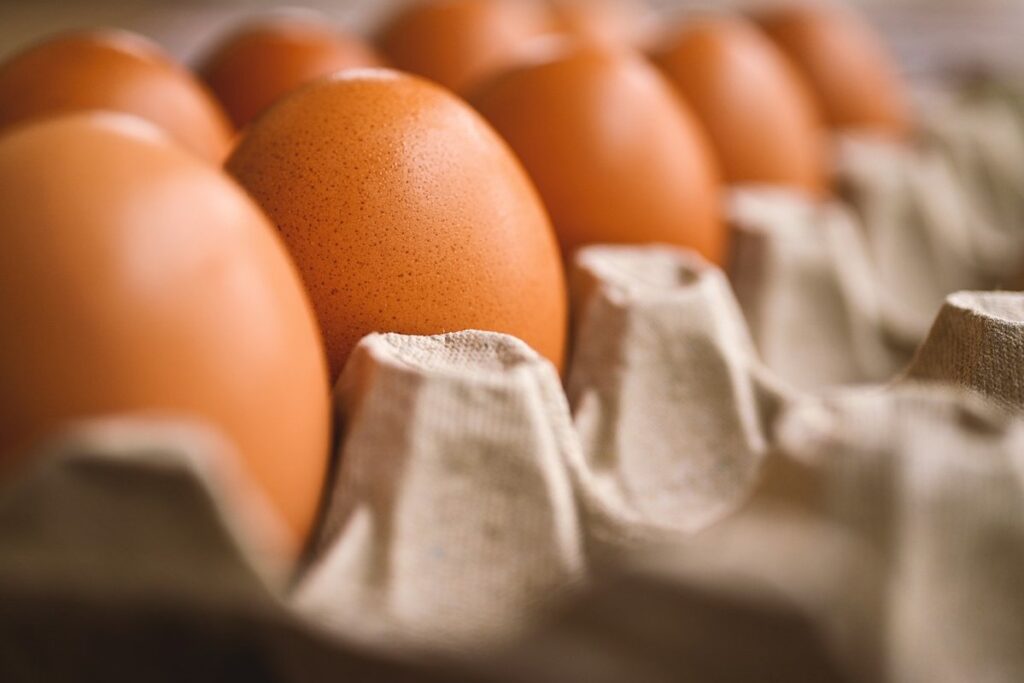
Understanding Egg Size Classification
When it comes to egg size classification, you’ll need to know the Jumbo, Extra Large, Large, Medium, and Small categories to accurately identify the eggs. Let’s break down each category.
What are Egg Grades?
When it comes to chicken egg sizes, understanding the USDA’s grading system is crucial. This comprehensive system evaluates eggs based on their quality and appearance. At its core, the grading process involves assessing seven key characteristics: shape, cleanliness, cracks, mites, stains, odors, and moisture. These criteria are used to assign one of three grades: AA, A, or B.
The highest grade, AA, represents eggs that meet the most stringent standards. They must be clean, have no visible cracks, and show minimal to no stains. AA eggs also possess a strong, clean appearance and no odors. Approximately 9% of all eggs produced in the United States receive this top rating. A-grade eggs, on the other hand, may exhibit minor imperfections such as tiny stains or small cracks. They still meet the basic cleanliness standards but don’t quite reach the level of AA-rated eggs. B-grade eggs are those that fail to meet even these minimal criteria.
How Egg Size is Measured
Egg size is typically measured in units of weight, such as ounces (oz) or milliliters (mL), with larger eggs generally weighing more than smaller ones. In the United States, egg sizes are often classified based on their weight, ranging from small (1 oz or 29.6 mL) to jumbo (2 oz or 59.1 mL). However, it’s essential to note that different countries may have varying standards for measuring and classifying egg sizes.
To give you a better idea, here’s a general breakdown of the typical weight ranges for each egg size classification:
* Small: 1 oz (29.6 mL) – usually around 1-2 inches in length
* Medium: 1.5 oz (44.4 mL) – typically around 2-2.5 inches in length
* Large: 1.75 oz (51.7 mL) – usually around 2.5-3 inches in length
* Extra-Large: 2 oz (59.1 mL) – often around 3-3.5 inches in length
When purchasing eggs, it’s helpful to check the carton or packaging for the weight range corresponding to your preferred egg size classification.
The Different Types of Chicken Eggs by Size
When it comes to chicken eggs, size matters, and there are several distinct categories, each with its own unique characteristics, ranging from tiny to large. Let’s explore these variations together!
Large Chicken Eggs
Large chicken eggs are a popular choice among cooks and bakers due to their versatility and generous size. These eggs typically range in weight from 2 5/8 to 2 3/4 inches, making them ideal for serving multiple people or using in recipes that require larger egg portions.
In terms of color, large chicken eggs come in both white and brown options, each with its own unique characteristics. White large eggs tend to have a slightly firmer texture and a more uniform shape than their brown counterparts. Brown large eggs, on the other hand, often have a richer, more complex flavor profile due to the presence of iron and other minerals found in the hen’s diet.
When it comes to using large chicken eggs in cooking, they are well-suited for baking, frying, and boiling. For example, they can be used as a substitute for small or medium-sized eggs in recipes that call for multiple egg portions, such as omelets or frittatas.
Extra-Large Chicken Eggs
Extra-large chicken eggs are a popular choice among egg enthusiasts due to their generous size and rich flavor. These oversized eggs typically weigh between 2 7/8 and 3 1/16 inches, making them ideal for those who require extra nutrients or want to add an extra-special touch to their baked goods.
One notable difference between extra-large eggs and large eggs is the yolk size. Extra-large eggs often have a larger yolk, which can make them more suitable for recipes that rely heavily on egg yolks, such as mayonnaise or hollandaise sauce. Additionally, the extra-large egg’s larger white provides more volume and moisture, making it an excellent choice for dishes like omelets, frittatas, or quiches.
When shopping for extra-large eggs, be sure to check the farm or producer’s label to ensure you’re getting high-quality, fresh eggs that meet your standards. Some farmers may also label their extra-large eggs as “jumbo” or “extra big,” so keep an eye out for these labels if you’re looking for a specific size egg.
Jumbo or Extra-Extra Large Chicken Eggs
If you’re looking for the largest and most impressive chicken eggs available, you’ve come to the right place. Jumbo or extra-extra large eggs are the crème de la crème of egg sizes, boasting larger yolks, thicker whites, and a more robust overall size.
One key feature of these behemoth eggs is their massive yolk-to-white ratio. With larger yolks taking up a bigger portion of the egg, you can expect an extra boost of flavor and nutrition in every bite. This is especially true for baking enthusiasts who require extra richness and moisture in their recipes.
When shopping for jumbo or extra-extra large eggs, be sure to check the carton’s label for specific size measurements. Typically, these eggs will have a diameter of around 2.5-3 inches (6.35-7.62 cm) and weigh approximately 2 ounces more than standard large eggs.
For those interested in getting their hands on these premium eggs, consider visiting your local specialty grocery store or searching online for reputable suppliers. With a little extra effort, you can experience the luxurious taste and texture of jumbo or extra-extra large chicken eggs in all your favorite recipes.
Factors Affecting Egg Size
When it comes to egg size, several factors come into play that can influence how large your eggs will be. Let’s take a closer look at these key variables.
Genetics and Breeding
When it comes to egg size, genetics play a significant role. Different chicken breeds have been selectively bred over time to produce eggs of various sizes. For instance, Leghorns are known for their high-yielding, small to medium-sized eggs, while Orpingtons tend to lay larger eggs.
Leghorns, with their origins in Italy, were specifically bred for their egg-laying ability. They can produce up to 300 large white eggs per year, making them a popular choice among commercial farmers. Their compact size and high productivity make them ideal for small farms or backyard flocks.
On the other hand, Orpingtons, hailing from England, are prized for their larger eggs. While they may not lay as many eggs as Leghorns, their individual egg size is often larger. Some Orpington breeds, like the Buff Orpington, can produce eggs that weigh up to 2 ounces more than those laid by Leghorns.
When choosing a breed for your flock, consider your desired egg size and production level. If you’re after smaller eggs in large quantities, Leghorns may be the way to go. However, if you prefer larger eggs, Orpingtons could be a better fit.
Nutrition and Diet
A chicken’s diet plays a crucial role in its ability to lay large eggs. When it comes to protein intake, chickens require a balanced diet that includes essential amino acids to support egg production. Amino acids like methionine and lysine are particularly important for egg growth, with research showing that increasing these nutrients can lead to larger egg sizes.
In fact, studies have demonstrated that hens fed diets rich in protein and calcium tend to lay larger eggs than those on a standard diet. One study found that hens consuming 16% protein diets produced eggs averaging 2.5 grams heavier than those on 14% protein diets.
To promote large egg production, chicken keepers should focus on providing their birds with nutrient-dense feed. This can include supplementing their regular feed with ingredients like mealworms or sunflower seeds to boost protein and energy levels. Additionally, ensuring access to fresh water and adequate calcium sources, such as crushed oyster shells, can also support eggshell growth and overall egg size. By paying attention to your flock’s dietary needs, you may be surprised by the impact it has on their egg-laying abilities!
Health Considerations
As you delve into the world of chicken egg sizes, it’s essential to consider the health implications for your hens. Egg-laying can be a high-risk activity for hens, particularly when it comes to osteoporosis. This condition, common in older hens, causes brittle bones and can lead to fractures and other injuries.
Egg production also puts pressure on a hen’s skeletal system, as she must constantly adjust her body shape to lay eggs efficiently. Prolonged egg-laying can weaken her skeleton, making her more susceptible to osteoporosis. This can impact the size of her eggs, as weakened bones can’t support the same level of shell production.
To mitigate these risks, it’s crucial to provide your hens with a balanced diet rich in calcium and vitamin D3. You should also ensure they have access to clean living conditions and adequate exercise to maintain their bone health. Consider rotating your hens regularly to avoid over-reliance on any one area of the coop.
By prioritizing your hens’ health, you can promote egg-laying efficiency while minimizing the risk of osteoporosis. Regular check-ups with a veterinarian will also help identify any potential issues early on.
Choosing the Right Egg Size for Your Needs
When selecting eggs, it’s essential to choose a size that meets your needs and preferences. We’ll explore the various egg sizes available, helping you make an informed decision.
Cooking and Recipe Considerations
When cooking and baking with eggs, it’s essential to consider the right size for optimal results. For instance, large eggs are ideal for recipes like baked goods, cakes, and cookies where a delicate balance of moisture and structure is crucial. Their larger yolk-to-white ratio provides the necessary richness and stability needed for these types of treats.
On the other hand, smaller egg sizes like extra-large or jumbo are better suited for frying or poaching eggs due to their more compact texture and easier-to-cook whites. These eggs also work well in savory dishes where a firmer texture is desired.
When boiling eggs, the size may not be as crucial; however, slightly larger eggs will generally yield a more even cook due to the increased surface area exposed during cooking. Ultimately, it’s essential to choose egg sizes that complement your specific recipe needs and achieve the desired texture and consistency.
Storage and Handling
When it comes to storing and handling large or extra-large eggs, proper care is crucial to maintain their quality and freshness. These larger eggs are more prone to breakage due to their size and weight, which increases the risk of contamination. To minimize this risk, store them pointy end down in a carton to prevent rolling.
It’s also essential to keep large or extra-large eggs refrigerated at a temperature below 40°F (4°C) as soon as possible after collection. This will slow down the growth of bacteria and extend their shelf life. For household storage, consider using a dedicated egg tray or container that allows for easy rotation and prevents eggs from touching each other.
When handling large or extra-large eggs, be gentle to avoid cracking the shell. Wash your hands thoroughly before and after handling eggs, and use clean utensils to prevent cross-contamination. If you notice any visible cracks or damage to the eggshell, discard it immediately to avoid potential health risks. By following these simple storage and handling tips, you can enjoy your large or extra-large eggs while maintaining their quality and safety.
Frequently Asked Questions About Chicken Egg Sizes
We know you’ve got questions, and we’re happy to help! Below are some of the most common questions we get asked about chicken egg sizes.
How Long Do Eggs Take to Hatch?
When it comes to hatching eggs from your backyard flock, one of the most exciting things is waiting for those eggs to crack open and reveal a new life. But have you ever wondered how long it takes for chicken eggs to hatch? The answer depends on several factors, including breed, incubation temperature, and humidity levels.
On average, most chicken breeds take around 21 days to hatch from the time they are laid. However, some breeds like the Silkie or Polish can take up to 24 days to hatch. It’s essential to note that eggs should be collected daily, as prolonged exposure to heat can cause the embryo to die.
When it comes to incubation temperature, most chicken breeds require a temperature of around 99-100°F (37.2-37.8°C) during the first 18 days and then reduced to around 98-99°F (36.7-37.2°C) for the last three days. If you’re new to hatching eggs, it’s recommended that you start with a high-quality incubator or a broody hen to ensure the best possible outcome.
Aim for an humidity level of around 50-60% during the first 18 days and then reduce it to 30-40% for the last three days. It’s also crucial to monitor the eggs closely, as any deviation from these parameters can affect hatching success. By following these guidelines and being patient, you’ll be able to successfully hatch your chicken eggs and welcome a new addition to your backyard flock.
Can I Breed My Own Large-Egg-Laying Chickens?
If you’re determined to breed your own large-egg-laying chickens, it’s essential to choose breeds that are known for their egg-laying capabilities. Look for heritage breeds such as Leghorns, Orpingtons, and Plymouth Rock, which can produce up to 300 large eggs per year. However, keep in mind that even the best breed won’t lay large eggs without proper nutrition.
To ensure your flock lays large eggs, focus on a diet rich in protein and calcium. Provide them with high-quality layer feed or supplement their diet with oyster shells or crushed eggshells to boost calcium levels. Aim for 1-2 cups of calcium-rich food per week, depending on the size of your flock.
It’s also crucial to consider genetics when breeding for large eggs. If you’re starting from scratch, begin by selecting hens that consistently lay large eggs and use them as breeders. Be patient, as it may take several generations to develop a flock with consistent egg-laying abilities. With proper selection, nutrition, and patience, you can successfully breed your own large-egg-laying chickens in a backyard setting.
Frequently Asked Questions
Can I use large eggs as a substitute for jumbo eggs in recipes?
Yes, you can often use large eggs as a substitute for jumbo eggs in recipes, but keep in mind that this may affect the final texture and consistency of the dish. It’s best to adjust cooking times and liquid ratios accordingly.
How do egg grades impact the taste and nutritional value of eggs?
The USDA grading system evaluates eggs based on quality and appearance, not taste or nutritional value. Eggs from any grade will still provide similar nutritional benefits. However, be aware that some studies suggest that AA-grade eggs may have higher omega-3 fatty acid levels due to stricter breeding standards.
What’s the difference between “jumbo” and “extra-large” eggs in commercial packaging?
In commercial packaging, jumbo eggs are usually larger than extra-large eggs but not as large as jumbo or extra-extra-large eggs. If you’re looking for an exact match, check the egg size classification on the carton.
Can I use any of the factors that affect egg production to improve my backyard flock’s laying performance?
While genetics and nutrition can play a significant role in egg production, it’s essential to consider other factors like health considerations (e.g., disease management), breeding strategies, and environmental conditions when trying to optimize your backyard flock’s laying performance.
How do I choose the right egg size for specific recipes, such as omelets or baked goods?
When choosing eggs for omelets or baked goods, opt for eggs that are closer in size to what the recipe calls for. If a recipe requires jumbo eggs, using large eggs will result in a denser texture and may affect the overall structure of the dish.