
Are you thinking of adding some lovable Orpington chickens to your backyard flock? With their gentle nature, beautiful plumage, and impressive egg-laying abilities, it’s no wonder why these birds have become a favorite among chicken enthusiasts. But before you bring home those adorable chicks, there are several things you should know about the breed. In this comprehensive guide, we’ll delve into the history of Orpington chickens, exploring what makes them so unique and endearing. We’ll also cover their characteristics, care requirements, and provide expert advice on how to raise these wonderful birds successfully. Whether you’re a seasoned chicken owner or just starting out, this breed profile will give you everything you need to know about raising happy and healthy Orpington chickens.
Origin and History of Orpington Chickens
Let’s dive into the fascinating history behind these lovable birds, from their early beginnings to their rise as a popular backyard favorite. We’ll explore where they came from and how they’ve become such beloved companions.
Early Development and Origins in England
Orpington chickens have their roots in 19th-century England, where they were first developed as a dual-purpose breed. The history of this popular breed is closely tied to the work of William Yokelson, who imported black Plymouth Rock hens from America in the late 1800s. By crossing these American birds with native English fowl, Yokelson aimed to create a sturdy and prolific layer.
The early Orpington flock was established on the farm of Lord Windsor in Kent, England. The breed’s initial success can be attributed to its exceptional egg-laying abilities, producing an average of 200-250 brown eggs per year. This impressive output earned the Orpington a reputation as one of the best breeds for small-scale farms and backyard flocks.
It was not long before the Orpington gained popularity among British poultry enthusiasts, with several colors being developed over time, including blue, buff, white, and spangled.
Contributions to Modern Poultry Breeding
Orpingtons have had a profound impact on modern poultry breeding, shaping popular breeds and desirable traits. Their influence is evident in several ways. For instance, the Orpington’s gentle nature has made it an ideal candidate for crossbreeding with other docile breeds, resulting in the development of friendly backyard chickens like the Buckeye and the Easter Egger.
Orpingtons have also contributed significantly to the creation of heritage chicken breeds. Their rich plumage, which comes in a variety of colors including black, blue, buff, golden, lavender, and white, has been selectively bred into numerous other breeds, enhancing their appearance and appeal. Additionally, Orpingtons’ high egg production has made them an important ancestor for many commercial laying hens.
To understand the full extent of the Orpington’s influence, consider that some top-selling breeds today owe a significant debt to this heritage chicken. For example, the Brahma, another popular breed, was developed by crossing Orpingtons with other large breeds to create a massive, gentle giant.
Notable Developments and Achievements
Orpington chickens have made significant strides in breeding programs over the years. One notable achievement is the development of award-winning roosters that excel in various aspects such as size, plumage quality, and temperament. The Silver Sussex-Black Orpington combination, for instance, was recognized for producing exceptional meat-producing birds.
Innovative breeding programs have also led to the creation of new colors and variations within the breed. The Lavender Orpington is a prime example of this progress. Breeders crossed the traditional Black Orpington with lavender genetics to create this unique color variation.
The introduction of heritage Orpingtons has allowed for more diversity in breeding lines. Some notable programs, like the Orpington Heritage Association, focus on preserving traditional characteristics while introducing new bloodlines.
Many breeders have successfully implemented these advancements through selective breeding. They often recommend starting with high-quality foundation stock and regularly evaluating their birds to identify desirable traits that will be passed down to future generations.
Orpington chickens continue to captivate breeders and backyard flock owners alike with their gentle nature, rich history, and impressive growth rates.
Characteristics of Orpington Chickens
If you’re considering bringing home some lovable Orpington chickens, understanding their characteristics is a great place to start. Here are the key traits that make them a popular choice among backyard flock owners and enthusiasts alike.
Physical Traits: Size, Plumage, and Body Type
Orpington chickens are renowned for their impressive size and majestic appearance. On average, males reach 9-13 pounds (4-6 kg) in weight, while females typically weigh between 7-10 pounds (3-5 kg). Their sturdy build and broad chests make them a delight to behold.
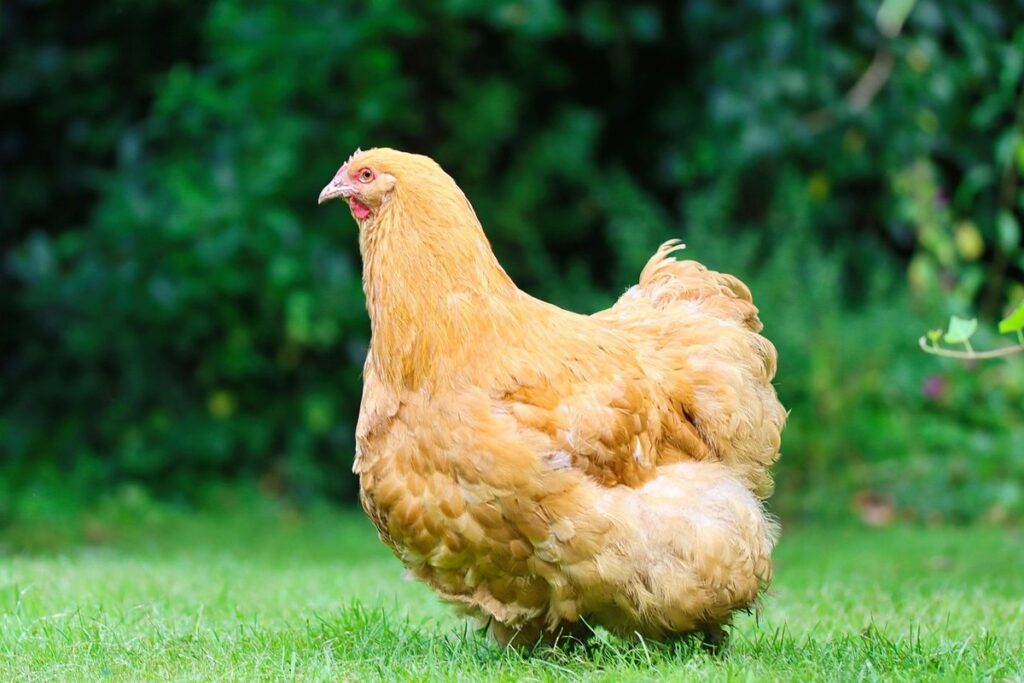
Their plumage is another defining characteristic of the Orpington breed. They have a stunning silkie-like coat that can be found in a variety of colors including black, blue, buff, gold, red, white, and wheaten. The feathers are soft, fluffy, and highly textured, giving them an endearing appearance.
In terms of body type, Orpingtons are often described as ‘friendly giants’. They have a deep breast, a broad back, and well-sprung ribs that give them their characteristic shape. Their legs are sturdy and feathered, with toes that are clean and free from any feathers. Whether you’re looking for a show-stopping bird or a gentle companion, the Orpington’s impressive physical traits make them an attractive choice for many backyard chicken enthusiasts.
One key point to note is that despite their size, Orpingtons are known for being gentle giants. They are docile and friendly, making them an excellent addition to families with children or for those who want a low-maintenance pet.
Temperament and Personality
Orpingtons are renowned for their gentle and affectionate nature, making them an excellent choice for families with children or as pets for those who desire a laid-back companion. Their docile temperament is one of the breed’s most prized qualities, allowing them to adapt readily to new environments and situations.
A defining characteristic of Orpingtons is their friendly disposition – they are quick to form close bonds with their human caregivers, often seeking attention and interaction. This makes them an ideal breed for beginners, as they are relatively easy to handle and train. In fact, many owners have reported that their Orpingtons will follow them around the yard, eager to be part of whatever activity is taking place.
When it comes to handling, Orpingtons are surprisingly tolerant of being picked up and cuddled, making them an excellent choice for those who enjoy holding their chickens. With regular socialization from an early age, they can become incredibly tame and will often snuggle up against their owners on the lap or in a favorite nesting box.
Their calm demeanor also makes Orpingtons less likely to engage in aggressive behavior towards other birds, making them a great addition to multi-bird households. Overall, Orpingtons are an excellent choice for anyone seeking a gentle, loyal companion that will bring joy and companionship to their backyard or farm.
Egg-Laying Abilities and Productivity
When it comes to egg-laying abilities and productivity, Orpington hens are known for their impressive performance. On average, a healthy Orpington hen will lay around 200-220 large brown eggs per year, making them an excellent choice for backyard flocks or small farms. However, some top-producing Orpingtons have been known to reach egg production rates of up to 280 eggs per year.
One of the key factors contributing to their high productivity is their ability to maintain a consistent laying pace throughout the year. Unlike some other breeds, Orpington hens are not prone to seasonal fluctuations in egg production, ensuring a steady supply of fresh eggs from spring through winter.
In terms of egg quality, Orpingtons are renowned for producing large, brown eggs with thick, hard shells that resist cracking. Their high-quality eggs are rich in nutrients and have become a staple in many farm-to-table operations and backyard chicken keepers alike.
If you’re considering adding an Orpington to your flock, remember to provide them with adequate nutrition, exercise, and living conditions to maximize their egg-laying potential.
Raising Orpington Chickens: Tips and Best Practices
When it comes to raising Orpington chickens, understanding their unique needs is crucial for success. In this section, we’ll share expert tips on how to care for your fluffy friends.
Choosing the Right Environment and Housing
When it comes to raising Orpington chickens, choosing the right environment and housing is crucial for their health, happiness, and productivity. You’ll want to consider the climate you live in, as Orpingtons are sensitive to extreme temperatures. In hot climates, provide shade and ventilation to keep them cool, while in cold climates, ensure they have a warm and draft-free coop.
In terms of space, Orpingtons require more room than some other breeds due to their large size and gentle nature. A minimum of 2-3 square feet per chicken inside the coop and 8-10 square feet per chicken in the run is recommended. Consider the mature size of your flock when building or planning your enclosure.
Don’t forget about shelter! Orpingtons need protection from predators, wind, rain, and sun exposure. A sturdy coop with secure doors, windows, and a predator-proof roof is essential. Add some nesting boxes for egg-laying hens, as well as perches for them to roost on at night.
When building or choosing your coop, prioritize ventilation, lighting, and insulation to create a comfortable environment for your Orpingtons.
Nutrition and Feeding Requirements
When it comes to feeding your Orpingtons, their dietary needs are relatively simple but still require some attention. As a general rule, adult Orpingtons should have access to a high-quality layer feed that is formulated specifically for chickens. However, this alone may not provide all the necessary nutrients, especially if you’re raising them for eggs.
You’ll want to supplement with oyster shells or crushed eggshells to ensure they get enough calcium, which is essential for strong eggshell production and overall health. A good quality layer feed will also contain other important nutrients like protein, vitamins, and minerals. For younger birds, a starter feed that’s formulated specifically for chicks should be used.
Aim to provide your Orpingtons with 1-2 cups of food per day, depending on their age, size, and activity level. Also, make sure fresh water is always available. You may also consider providing some treats like fruits or vegetables, but in moderation as they can cause digestive issues if fed excessively.
For example, you can try giving them a handful of chopped carrots or apples each week. The key is to provide variety while avoiding overfeeding.
Health Considerations and Common Issues
Orpingtons are generally a healthy breed, but like all chickens, they can be prone to certain health issues. One common issue affecting Orpingtons is obesity, which can lead to a range of problems including heart disease and respiratory difficulties. To prevent this, it’s essential to monitor your Orpington’s diet and ensure they get enough exercise.
Other potential health concerns include broodiness, where hens become egg-bound due to laying too many eggs, and prolapse, a condition that affects the reproductive organs. By providing regular check-ups with a veterinarian and maintaining a clean, well-ventilated coop, you can help prevent these issues from arising.
In terms of vaccinations, it’s recommended to consult with a veterinarian about the best course of action for your flock. Regular health checks should also include monitoring for signs of illness or stress, such as changes in appetite or droppings.
To promote overall health and well-being, make sure to provide an environment that includes adequate space for exercise and access to fresh air and water. A balanced diet and a healthy living environment can go a long way in keeping your Orpingtons happy and healthy.
Breeding Orpington Chickens: A Guide for Experienced Keepers
If you’re already familiar with raising chickens and want to try your hand at breeding, we’ll cover the key considerations and best practices for successful Orpington breeding. This includes selecting suitable parents and maintaining a healthy flock.
Understanding the Breeding Process
When it comes to breeding Orpington chickens, understanding the process is crucial for producing high-quality offspring. The first step is selecting the right parents, which involves evaluating their conformation, temperament, and egg-laying abilities. Look for birds with excellent feather quality, a well-proportioned body type, and a calm demeanor.
A good mating strategy is essential to achieve your desired traits. You can choose between linebreeding or inbreeding, but be cautious of the latter as it can lead to health issues. A more recommended approach is to breed birds that exhibit the characteristics you want to pass on, such as black Orpingtons with excellent egg production.
Once you’ve selected your parents, mating occurs naturally or through artificial insemination. After mating, eggs are collected and transferred to an incubator where they’re kept at a consistent temperature of around 99-100°F (37-38°C) for about 21 days. Monitor the eggs closely, as any temperature fluctuations can impact hatch rates.
Remember that breeding Orpingtons requires patience and dedication. Keep accurate records of your birds’ traits and performance to refine your selection criteria over time.
Selection Criteria and Priority Traits
When selecting breeders for your Orpington chickens, it’s essential to prioritize traits that matter most to you. If you’re looking for a flock with high egg production, consider seeking out breeders who have selectively bred their birds for this characteristic. Look for flocks that consistently produce 280-300 large brown eggs per year.
On the other hand, if you’re prioritizing feather quality or conformation, research breeders who specialize in these areas. Some Orpington breeds, such as the Black Orpington, are known for their stunning feather patterns and excellent show qualities.
When evaluating potential breeders, consider the following:
• Ask about the breeder’s breeding philosophy and goals
• Inquire about the health records of the birds
• Request photos or videos of the parents to assess conformation and quality
• Get a clear understanding of the breeding program and selection process
By prioritizing your needs and doing your research, you can find breeders who will help you build a flock that meets your expectations.
Managing a Successful Breeding Program
When it comes to managing a successful breeding program for Orpingtons, several key factors come into play. First and foremost, record-keeping is crucial. This involves tracking the lineage of each bird, including its parents, grandparents, and any notable traits or characteristics. By doing so, you’ll be able to identify patterns and trends in your flock’s genetics, making it easier to make informed decisions about future breeding.
Genetics also play a significant role in breeding Orpingtons. It’s essential to understand the genetic makeup of each bird, including its breed standards, to ensure that offspring meet the desired characteristics. This might involve selecting birds with desirable traits such as feather quality, egg-laying ability, or temperament. By focusing on genetics, you can increase the chances of producing high-quality chicks.
In addition to record-keeping and genetics, marketing is also a vital aspect of managing a successful breeding program. This may involve networking with other breeders, participating in poultry shows, or creating an online presence through social media or websites. By showcasing your birds’ exceptional qualities, you can attract potential customers and build a reputation as a reputable breeder.
By combining these elements – record-keeping, genetics, and marketing – you’ll be well on your way to establishing a thriving breeding program for Orpingtons.
Orpington Chicken Care: Health, Grooming, and Maintenance
To keep your Orpington flock happy and healthy, it’s essential to understand their specific needs for care, from regular grooming to preventative health measures. Let’s dive into these crucial aspects of Orpington chicken care.
Preventative Care Measures
As an Orpington chicken owner, it’s essential to implement preventative care measures to maintain their health and well-being. Vaccinations are a crucial aspect of maintaining the flock’s health. Consult with a veterinarian to determine the best vaccination schedule for your Orpington chickens, taking into account factors such as age, environment, and geographic location.
Parasite control is also vital in preventing disease outbreaks among Orpingtons. Regularly inspect your chickens’ droppings for signs of mites, lice, or fleas. Use a gentle powder or spray on affected areas to alleviate the infestation. Additionally, ensure proper coop ventilation to reduce moisture buildup and create an environment inhospitable to parasites.
Maintaining cleanliness within the coop is also critical in preventing diseases among Orpington chickens. Remove soiled bedding regularly, and replace it with fresh material like straw or hay. Clean feeding troughs and waterers daily, and sanitize them every week using a mild detergent solution. By following these preventative care measures, you can significantly reduce the risk of disease outbreaks and create a healthy environment for your Orpington flock.
Managing Feather Pecking and Related Issues
Feather pecking is a common issue among backyard chicken keepers, and Orpingtons are no exception. This behavior can be distressing to observe, but it’s often a sign of underlying issues that need attention. One possible cause is boredom or lack of stimulation, so make sure your girls have plenty of space to move around, climb, and scratch.
Another reason for feather pecking is social stress within the flock. Introduce new birds gradually, and ensure there are enough resources such as food, water, and perches for all members. Provide enrichment activities like hiding treats or toys to encourage exploration and problem-solving.
To manage feather pecking, separate aggressive birds from their victims, if necessary. Monitor your Orpingtons’ behavior and adjust their environment accordingly. Offer a balanced diet that includes supplements rich in calcium and protein to promote healthy plumage growth. In extreme cases, consult with a veterinarian or poultry expert for personalized advice on addressing this issue.
Maintaining good hygiene and reducing stressors can go a long way in preventing feather pecking. Regularly clean the coop and run, provide a dust bath area, and ensure adequate ventilation to keep your girls comfortable.
Tips for Grooming and Handling
Grooming and handling are essential aspects of Orpington chicken care. These gentle giants require regular attention to maintain their overall health and well-being. When it comes to grooming, nail trimming is a crucial task that should be done every 4-6 weeks to prevent overgrowth. You’ll need a good quality nail clipper specifically designed for chickens. Hold your Orpington securely, taking care not to hurt them or yourself in the process.
For beak maintenance, check their beaks regularly and trim if necessary. A beak that’s overgrown can cause problems with eating and drinking. To trim the beak, use a beak clipper or nail file and carefully trim just the tip of the upper beak, being careful not to cut too much.
Wing clipping is another essential task for Orpingtons. This prevents them from flying away and getting injured. To clip their wings, you’ll need a good pair of poultry shears. Hold your Orpington securely, taking care not to hurt them or yourself in the process. Clip just the tip of each wing, taking care not to cut too much.
Showing Orpington Chickens: Rules, Regulations, and Best Practices
When showing your Orpingtons, it’s essential to understand the rules and regulations that govern the breed in competitions. Knowing these guidelines will help you showcase your birds in their best light.
Breed Club Standards and Expectations
When showing Orpington chickens, breed club standards and expectations play a crucial role in determining their eligibility for competition. The American Bantam Association (ABA) and the American Poultry Association (APA) are two prominent organizations that establish the guidelines for Orpington breeds.
According to these organizations, plumage is a critical aspect of an Orpington’s appearance. Judges look for birds with a full, soft, and fluffy coat in a variety of colors, including black, blue, buff, chocolate, lavender, and white. The feathers should be well-placed, covering the legs, body, and tail evenly.
Conformation is another essential aspect of an Orpington’s physical appearance. Judges evaluate the bird’s posture, movement, and skeletal structure to determine if it meets breed standards. A well-conformed Orpington will have a broad chest, deep wings, and strong, straight legs.
Temperament also plays a significant role in determining an Orpington’s suitability for showing. Breeders look for birds that are friendly, docile, and willing to interact with judges and other poultry. To prepare your Orpington for showing, focus on developing its temperament by providing regular socialization and handling from an early age.
By familiarizing yourself with breed club standards and expectations, you can help ensure your Orpington meets the requirements for competition. Remember to always consult the guidelines set forth by the ABA and APA to guarantee that your bird is eligible for showing.
Understanding Show Judging Criteria
When participating in Orpington breed shows, it’s essential to understand the judging criteria that will determine which birds are crowned champions. The size of an Orpington is one critical factor, with males ideally weighing between 9 and 10 pounds and females between 8 and 9 pounds.
The quality and quantity of feathers on your Orpington is also crucial for impressing judges. They should be well-distributed, soft, and have a silky texture. Bearded feather development can add to the bird’s overall appeal.
Movement is another key aspect that will be evaluated during judging. Your Orpingtons should walk with confidence, displaying balance and coordination between their legs and feet. Judges will also assess whether they keep their wings slightly raised while moving around.
To increase your chances of success at breed shows, ensure you’re regularly handling and exercising your birds to develop strong movement and muscle tone.
Tips for Preparing Chickens for the Show Ring
Preparing Orpingtons for the Show Ring Requires Planning and Care
When it comes to preparing your Orpington chickens for the show ring, timing is everything. Start by conditioning your birds at least 6-8 weeks before the competition to allow them to adjust to their new surroundings and build up their muscle tone. A well-balanced diet rich in protein will help promote growth and feather development.
Feed your Orpingtons a high-quality layer feed or starter feed, depending on their age, and supplement with fresh fruits and vegetables daily. Avoid overfeeding, as this can lead to an unattractive, bloated appearance. Instead, focus on providing regular exercise and mental stimulation through activities like foraging and free-range time.
Training is also essential in preparing your Orpingtons for the show ring. Acclimate them to being handled gently but firmly by regularly trimming their wings and nails, and getting them accustomed to wearing a show halter or harness. This will help them become confident and relaxed in the presence of judges and crowds, making them more likely to perform well under pressure.
Keep an eye on your Orpingtons’ temperature regulation, especially in extreme climates, as they can be prone to heat stress. Monitor their behavior and adjust their environment accordingly to ensure they remain comfortable and healthy throughout the competition process.
Frequently Asked Questions
What is the ideal time to introduce Orpington chicks to a new flock?
When introducing new Orpington chicks to an existing flock, it’s essential to do so when the adult birds are calm and less likely to stress or harm the newcomers. A good rule of thumb is to introduce them at night, allowing the adult birds to get accustomed to the new arrivals without feeling threatened.
How can I prevent feather pecking in my Orpington chickens?
Preventing feather pecking requires attention to your flock’s environment and behavior. Ensure that your hens have enough space to roam, adequate lighting, and a balanced diet. You should also keep an eye out for signs of stress or boredom, addressing these issues promptly.
Can I breed Orpington chickens from hatchery-bred birds?
Breeding Orpingtons requires careful selection and attention to genetic purity. While it’s possible to raise healthy offspring from hatchery-bred birds, breeding them can lead to a loss of desirable traits over generations. If you’re serious about breeding, consider sourcing birds from reputable breeders or working with a mentor.
How often should I collect eggs from my Orpington hens?
Regular egg collection is crucial for maintaining your flock’s health and preventing over-crowding. Check on your hens daily to ensure they have enough space to nest comfortably, aiming to collect eggs every 2-3 days to prevent accumulation and potential harm.
What are some common health issues affecting Orpington chickens?
As with any breed, Orpingtons can be susceptible to certain health issues. Watch out for signs of respiratory problems, mites, or internal parasites. Regularly inspect your birds’ living conditions, maintaining cleanliness and providing a balanced diet can help prevent these issues from arising.