
Are you fascinated by these tiny, yet mighty birds? Quail breeding can be a fun and rewarding hobby for anyone interested in poultry farming. Not only do quails make great pets, but they also provide a source of income through their eggs, meat, and feathers. However, breeding quails requires careful planning and execution to ensure success. In this article, we’ll take you on an ultimate guide to quail breeding, covering the essential tips and techniques for choosing breeds, setting up a breeding program, and marketing your quail products. Whether you’re a seasoned breeder or just starting out, our expert advice will walk you through every step of the way, from selecting the right breed to selling your quail products at market. Let’s get started on this exciting journey into the world of quail breeding!
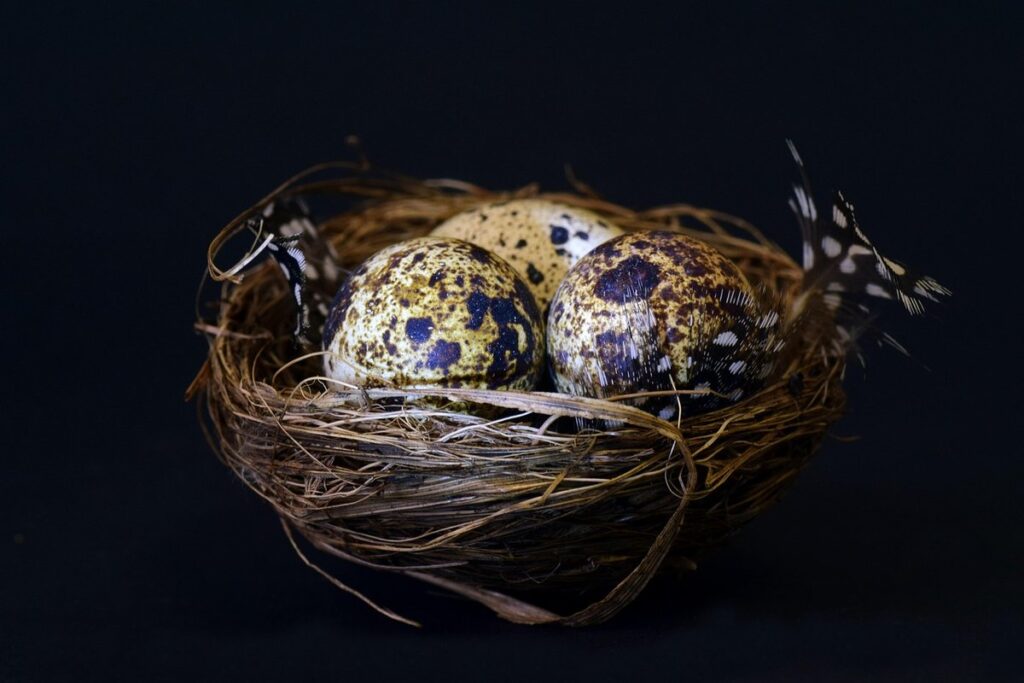
Introduction to Quail Breeding
Welcome to the world of quail breeding, where you’ll learn the basics of raising these charming birds from eggs to adults. This section covers the essential steps for beginners to get started with quail breeding successfully.
Understanding Quails as Pets or Livestock
Quails have become increasingly popular as pets and a source of small-scale egg production, making quail breeding an attractive option for many enthusiasts. One of the main reasons people keep quails is their small size and gentle nature, making them an ideal choice for those new to bird-keeping or with limited space.
As a food source, quail eggs are highly valued for their rich flavor and nutritional profile. With proper care and management, quail can be a reliable source of eggs, producing up to 300 eggs per year, depending on the breed and living conditions. This makes quail breeding an attractive option for small-scale farmers or backyard chicken keepers looking to diversify their egg production.
In addition to their potential as pets and a food source, quails also offer several benefits when bred and raised responsibly. They require minimal space and care, making them a low-maintenance option compared to larger birds like chickens.
Brief History of Quail Breeding
Quails have been bred for thousands of years, with ancient civilizations such as Egypt and China recognizing their potential as a food source. The earliest recorded evidence of quail breeding dates back to around 2000 BC, where Egyptian tomb paintings depict quails being raised on large scales. Similarly, in China, quails were considered a delicacy and were bred for their flavorful meat.
In modern times, quail breeding has evolved significantly with the advent of new technologies and advancements in poultry science. Today, quail breeders around the world use selective breeding programs to improve egg production, fertility rates, and disease resistance. Hybridization is also common practice, allowing breeders to combine desirable traits from different breeds to create high-performing quails.
Despite these advances, traditional methods of quail breeding still prevail in many parts of the world. For example, some rural communities rely on local knowledge passed down through generations to breed quails for their own consumption.
Choosing the Right Quails for Breeding
When it comes to quail breeding, selecting the right birds is crucial for a successful outcome. In this important step, we’ll cover what to look for when choosing quails for your breeding program.
Types of Quails Suitable for Breeding
When it comes to selecting quails for breeding purposes, it’s essential to choose breeds that are well-suited for egg-laying capacity, growth rate, and temperament. Some popular quail breeds include the Japanese Quail, Button Quail, and California Quail.
The Japanese Quail is a good choice for beginners due to its high egg-laying capacity of around 200 eggs per year. They are also relatively easy to care for and can thrive in small spaces. On the other hand, the Button Quail is known for its high growth rate, reaching maturity in just 4-6 weeks. However, they have a lower egg-laying capacity compared to the Japanese Quail.
The California Quail is another popular breed, prized for its striking appearance and moderate egg-laying capacity of around 150 eggs per year. When selecting a breed for breeding purposes, consider factors such as climate, space constraints, and your desired level of care and attention.
For example, if you live in a warm climate, the Button Quail’s high growth rate may be beneficial. However, if you have limited space or prefer a more low-maintenance quail, the Japanese Quail may be a better choice.
Factors Affecting Quail Selection
When selecting quails for breeding, it’s essential to consider several factors that can impact their health and productivity. Climate is a crucial factor to consider, as different breeds thrive in various conditions. For example, Japanese Quail are more tolerant of heat, making them suitable for warm climates, while Chinese Quail prefer cooler temperatures. If you live in an area with extreme weather conditions, it’s best to choose a breed that can adapt.
Another significant factor is available space. Some quail breeds require more room to roam and exercise than others. If you have limited space, consider choosing a compact breed like the Button Quail or the King Quail. Personal preferences also play a role in selecting the right quails for breeding. Think about your goals: do you want to raise quails for eggs, meat, or show purposes? Different breeds excel in these areas, and knowing your objectives will help guide your selection process.
Ultimately, considering climate, space, and personal preferences will ensure that you choose healthy and productive quails for breeding.
Setting Up a Breeding Program
To get started on setting up a breeding program, you’ll need to establish a suitable enclosure and determine your quail’s breed and genetic diversity. This will ensure healthy offspring.
Housing and Environmental Requirements
When it comes to setting up a breeding program for quails, providing suitable housing and an optimal environment is crucial for success. A well-designed cage will not only keep your birds safe but also promote healthy growth and breeding.
For the cage design, consider a spacious area with enough room for movement. Quails are active birds and need space to fly around. A minimum size of 2×3 feet per bird is recommended, but larger cages will give you more flexibility. Ensure that the cage is escape-proof and has sturdy walls to prevent quills from breaking through.
Proper ventilation is also essential as it prevents ammonia buildup from droppings. Install windows or vents to provide fresh air circulation and remove stale air. Lighting should be adequate but avoid direct sunlight, which can cause stress on the birds. A temperature range of 65-75°F (18-24°C) is ideal for quails, with a slight drop in temperature at night.
Quails are sensitive to noise, so place their cages away from loud areas or use sound-dampening materials if necessary. Also, keep an eye on humidity levels as high humidity can lead to respiratory issues.
Nutrition and Hydration Needs
Quails have unique nutritional requirements that must be met to ensure their optimal health and productivity. A balanced diet is essential for breeding success, as it affects egg production, chick quality, and overall quail well-being.
When selecting a feed for your quails, consider the age and sex of the birds, as their dietary needs change at different stages. For example, young chicks require a starter feed rich in protein (20-22%) to support rapid growth, while adult breeding stock benefit from a layer feed with slightly lower protein content (16-18%). Also, provide a calcium supplement to help strengthen eggshells.
Maintain clean and accessible water sources for your quails. Change the water frequently to prevent bacterial growth and contamination. Ensure the drinking system is easy to use, reducing stress on the birds. Monitor their hydration levels by observing their droppings – if they appear dark or wet, it may indicate dehydration.
Breeding Techniques and Best Practices
Effective breeding requires a combination of careful planning, attention to detail, and a solid understanding of quail behavior and development. Let’s dive into the best techniques and practices for successful quail breeding.
Understanding Quail Reproduction Cycles
When it comes to breeding quails successfully, understanding their reproductive cycles is crucial. Quails are prolific breeders and can produce multiple clutches throughout the year, but timing is everything for optimal results.
Breeding seasons typically occur twice a year, once in spring and again in fall, depending on your location and climate. During these periods, quails are more fertile and receptive to breeding. For example, in temperate climates, quail breeding season usually starts around March or April and ends in August or September.
To determine the best time for breeding, observe your quail’s natural behavior. They tend to breed when daylight hours increase and temperatures rise. In general, quails are most fertile during the spring and fall seasons, which last approximately 6-8 weeks each.
To maximize your breeding program, consider the following:
* Allow a minimum of 4-6 weeks between breeding cycles.
* Provide optimal living conditions, including adequate space, nutrition, and light.
* Monitor your quail’s fertility and adjust breeding schedules accordingly.
* Ensure you have enough experienced breeders on hand to help manage the increased workload.
By understanding and working with quail reproductive cycles, you’ll be well on your way to successful breeding programs.
Hand-Raising Chicks and Managing Nesting Boxes
Hand-raising quail chicks from eggs requires careful attention to incubation techniques and chick care best practices. To start, it’s essential to ensure the eggs are fertile by purchasing them from a reputable breeder or collecting them from your own breeding stock. Next, follow these basic incubation steps: maintain a consistent temperature of 99-100°F (37-38°C), humidity levels between 50-60%, and turn the eggs 2-3 times a day.
After 17 days of incubation, chicks will pip and start breaking out of their shells. Gently assist them by carefully removing any remaining shell fragments, taking care not to damage their delicate beaks or wings. Keep the chicks in a warm, draft-free area with a heat source, such as a brooder, to regulate temperatures.
Proper chick care is crucial for healthy growth and development. Provide food, water, and grit in shallow dishes to prevent drowning, and ensure adequate ventilation by placing the brooder near an open window or using a fan. Monitor temperature closely – quail chicks need around 90-95°F (32-35°C) during their first few days of life.
Managing nesting boxes is equally important for optimizing egg production and reducing stress on your birds. Provide one nesting box per four to five hens, placing them in a quiet, accessible area. Clean the boxes regularly, disinfecting any feces or debris with a solution of 1 part bleach to 9 parts water.
Health Management in Quail Breeding
To ensure a successful quail breeding operation, maintaining the health of your birds is crucial. This section will guide you on how to manage and prevent common health issues in quails.
Common Health Issues in Quails
As a quail breeder, it’s essential to be aware of the common health issues that can affect your birds. Respiratory problems are one of the most prevalent health issues in quails, caused by factors such as poor ventilation, dust, and allergens in their environment. Symptoms include labored breathing, wheezing, and coughing. To prevent respiratory problems, ensure good airflow in your breeding area, maintain a clean environment, and provide regular exercise for your birds.
Parasites are another common health issue in quails, including mites, lice, and ticks. These external parasites can cause discomfort, anemia, and even death if left untreated. Regular cleaning of the coop, using diatomaceous earth or other parasite control methods, and monitoring your birds regularly can help prevent infestations.
Diseases such as Newcastle disease, Infectious bronchitis, and Avian influenza are also a concern for quail breeders. Vaccination is an effective way to prevent these diseases, but it’s essential to follow vaccination schedules and protocols carefully. Consult with a veterinarian experienced in quail care to determine the best vaccination plan for your flock.
To control and prevent diseases, ensure proper biosecurity measures such as isolating new birds, disinfecting equipment, and maintaining good hygiene practices are followed. Keep your breeding area clean, well-ventilated, and free from potential disease vectors like rodents and insects.
Vaccination Programs and Biosecurity Measures
When it comes to maintaining healthy quail populations, vaccination programs and biosecurity measures are crucial components of health management. Quails are susceptible to various diseases such as respiratory infections, viral infections, and bacterial diseases that can decimate entire flocks if left unchecked.
To implement effective vaccination programs, you need to identify the specific risks in your area and choose vaccinations accordingly. For instance, Newcastle disease is a significant threat to quail populations worldwide, while infectious bronchitis virus is more common in regions with poor ventilation. Consult with a veterinarian to determine the best course of action for your specific situation.
In addition to vaccination programs, strict biosecurity measures are essential to reduce disease risk. This includes maintaining clean and well-ventilated coops, regular cleaning of feeders and waterers, and limiting human access to minimize stress on the quails. You should also implement quarantine protocols for new birds and monitor your flock regularly for signs of illness. By combining vaccination programs with rigorous biosecurity measures, you can significantly reduce disease risk and ensure a healthy and thriving quail population.
Marketing Quail Products: Eggs and Meat
When it comes to selling quails, you’ll want to consider how to market your products effectively, especially when it comes to eggs and meat. Let’s discuss some strategies for getting your birds’ bounty noticed.
Developing a Market for Quail Eggs
Developing a market for quail eggs requires careful consideration of potential buyers and pricing strategies. Restaurants are an ideal target due to their demand for unique, high-quality ingredients. Specialty food stores also present an opportunity, as consumers increasingly seek premium products.
When approaching these businesses, it’s essential to highlight the benefits of quail eggs, such as their rich flavor, nutritional value, and smaller carbon footprint compared to chicken eggs. Offering samples or providing recipes can help demonstrate the product’s appeal. Online marketplaces like Amazon or local food delivery platforms can also be a viable outlet.
When pricing quail eggs, consider factors like production costs, competition, and target profit margins. A typical price range for specialty eggs is between $2 and $4 per dozen. Packaging should reflect the premium nature of the product, with attractive designs or custom labels that emphasize the quail egg’s unique qualities. Consider offering different packaging options, such as individual cartons or larger quantities, to cater to various customers’ needs.
Opportunities in the Live Bird Trade
As you start to build your quail breeding business, exploring revenue streams beyond just egg and meat sales can provide a significant boost to your income. One lucrative opportunity is selling live quails to restaurants, farmers’ markets, or online buyers.
Building relationships with these customers is key to success in this market. Restaurants often look for local suppliers to source fresh produce and meats, so consider reaching out to them directly to discuss the benefits of using live quails on their menu. For example, some restaurants may be interested in serving live quail dishes, such as sizzling whole quail or quail skewers.
When selling live quails online, ensure that you have a secure payment system and provide detailed care instructions for your customers. This not only helps to build trust with your buyers but also ensures the welfare of the animals. Consider partnering with experienced breeders or suppliers who can help you navigate this market and provide high-quality birds to meet demand.
In terms of animal welfare, prioritize providing clean living conditions, proper nutrition, and adequate space for your quails. This will not only ensure the health and happiness of your birds but also reflect positively on your business reputation.
Conclusion: Success Stories and Future Prospects
As you’ve learned the ins and outs of quail breeding, it’s time to see some real-life success stories that will inspire and motivate you to take your skills to the next level. Let’s explore the triumphs of other breeders!
Lessons Learned from Experienced Breeders
When speaking with experienced quail breeders, one common theme emerges: consistency is key. A successful breeding program requires a regular schedule for feeding, cleaning, and monitoring the birds. For instance, Sarah Johnson, a seasoned breeder from California, emphasizes the importance of sticking to a daily routine. “I make sure to feed my quails at 7 am sharp every day,” she says. “It’s not just about providing food; it’s also about creating a sense of predictability for them.”
This consistency extends to health checks as well. Regular monitoring helps breeders identify potential issues early on, preventing more severe problems down the line. Experienced breeders like John Lee from Australia stress the importance of maintaining accurate records. “Keep track of everything: feeding schedules, breeding dates, and any health concerns,” he advises. By adopting these habits, beginners can significantly improve their chances of success in quail breeding.
Emerging Trends and Opportunities in Quail Breeding
As you venture into the world of quail breeding, it’s essential to consider the emerging trends and opportunities that will shape the industry in the years to come. One potential market shift is the increasing demand for exotic and rare breeds, which could lead to a more specialized and niche market. For example, the Japanese Coturnix quail has gained popularity in recent years due to its unique characteristics and high egg production.
New technologies are also being developed to improve quail breeding practices, such as precision farming systems that optimize feeding, lighting, and climate control. These innovations can lead to increased efficiency, reduced costs, and improved welfare for the birds. Additionally, advancements in genetics and genomics will enable breeders to select for desirable traits more accurately, leading to faster improvements in breed quality.
To stay ahead of the curve, it’s crucial that you continue learning and improving your quail breeding practices. This might involve attending workshops, joining online forums, or collaborating with experienced breeders to share knowledge and best practices. By embracing innovation and staying adaptable, you’ll be well-positioned to succeed in this exciting and dynamic industry.
Frequently Asked Questions
Can I start quail breeding with a small number of birds?
You can begin quail breeding even with a small flock, but it’s essential to have at least 10-20 birds for genetic diversity and improved egg production. This will also allow you to monitor their health and behavior more effectively.
How do I protect my quails from predators in an open aviary system?
To safeguard your quails from predators, ensure the enclosure is predator-proofed with sturdy netting or wire mesh, and consider adding a roof or covering to prevent aerial attacks. Also, keep the area around the aviary clean and free of food scraps that might attract unwanted visitors.
What are some common health issues I should watch out for in quails?
Quails can be susceptible to diseases like coccidiosis, respiratory infections, and parasites like mites and lice. Regularly monitor their droppings, behavior, and plumage for signs of illness, and maintain good hygiene practices such as cleaning the coop and providing a balanced diet.
How long does it take to breed quails that are suitable for egg production?
The time it takes to develop quails with desirable traits depends on factors like genetics, nutrition, and management. Generally, you can expect to see improvements in egg size and number within 6-12 months of selective breeding. However, achieving consistent results may take longer.
Can I use a combination of natural and artificial lighting for my quail aviary?
Yes, using a combination of natural and artificial lighting can provide the optimal photoperiod for your quails. Consider supplementing natural daylight with LED grow lights during periods of low sunlight or when you’re breeding birds that require specific light cycles for reproduction or growth.