
If you’re thinking of adding some excitement to your backyard flock, you might want to consider getting a bantam hen. These small but mighty birds have been charming chicken enthusiasts for centuries with their unique characteristics and charming personalities.
Originating from various breeds worldwide, bantams are known for their compact size, making them perfect for small spaces or as companions in larger flocks. But what sets them apart? Let’s dive into the world of bantam hens, exploring popular breeds like the Japanese Bantam, Polish Mille Fleur, and Dutch Bantam.
In this article, we’ll cover the ins and outs of caring for a bantam hen in your backyard flock, including their egg-laying capabilities, feeding requirements, and expert tips for success. Whether you’re a seasoned chicken keeper or just starting out, discover everything you need to know about these lovable birds and why they make an ideal addition to any small farm or backyard homestead.
Understanding the Basics of Bantam Hens
Let’s start from scratch and get a solid grasp on what bantam hens are all about, including their unique characteristics and traits. We’ll break down the basics to help you understand these tiny but mighty birds.
Origins and History of Bantam Chickens
Bantam chickens have a rich and fascinating history that spans thousands of years. Theories about their origin vary, but most agree that they originated from Southeast Asia, specifically from the islands of Indonesia and Malaysia. One theory suggests that bantams were first domesticated from wild jungle fowl in these regions around 3000 BC.
Early uses of bantam chickens date back to ancient civilizations such as China and India, where they were prized for their small size, hardiness, and unique characteristics. They were often kept as pets or used for cockfighting, a popular sport at the time. As European explorers traveled to these regions, they discovered bantams and brought them back to Europe, where they quickly gained popularity among poultry enthusiasts.
Over time, breeders selectively bred bantam chickens to enhance their desirable traits, resulting in the wide range of varieties we see today. Despite their small size, bantams are known for their bold and lively personalities, making them a beloved choice among backyard chicken keepers. By understanding the history and origins of bantam chickens, you can appreciate their unique characteristics and make informed decisions when selecting your next flock member.
Characteristics of Bantam Hens
Bantam hens are known for their compact size, but did you know that there can be quite a range within this category? While they generally weigh between 1-2 pounds and stand about 10-12 inches tall, some breeds can be even smaller. For example, the Japanese Bantam weighs in at just under 6 ounces, making it one of the smallest chicken breeds in the world.
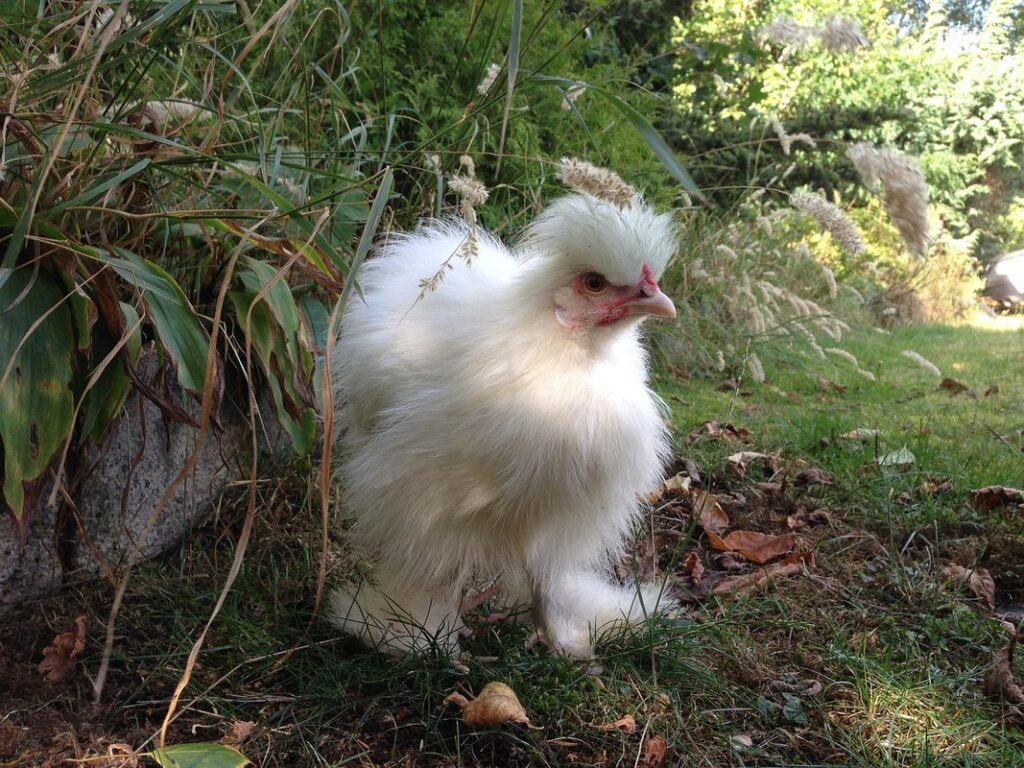
When it comes to plumage, bantam hens come in a stunning array of colors and patterns. Some popular varieties include the Silkie, which boasts a fluffy, soft coat; the Polish, with its sleek, shiny feathers; and the Campine, featuring a vibrant red hue. Beak shape can also vary between breeds, with some having a shorter, more rounded beak, while others have a longer, more tapered one.
Not all bantam hens are created equal, though – each breed has its unique characteristics that set it apart from others. For example, the Booted Bantam has a distinctive “boot” of feathers on its legs, while the Belgian Bearded d’Anvers boasts a long, flowing beard. When choosing a bantam hen, consider what features are most important to you – do you want a tiny, adorable bird or a stunning show-stopper with elaborate plumage?
Choosing the Right Bantam Breed for Your Flock
When it comes to building your dream flock, selecting the right bantam breed is crucial. This section will guide you through the key factors to consider when choosing the perfect fit for your backyard.
Popular Bantam Breeds
When it comes to choosing the right bantam breed for your flock, you’re spoiled for choice. With over 300 breeds recognized globally, selecting just a few can be overwhelming. Let’s take a closer look at some popular bantam breeds that cater to different needs and preferences.
The Silkie Bantam is a favorite among backyard chicken enthusiasts. Their fluffy, soft feathers make them irresistibly cute, while their friendly nature ensures they’re great with children. However, keep in mind that Silkies are not the best layers, producing only about 100 eggs per year.
Another popular breed is the Japanese Bantam, prized for its striking appearance and gentle demeanor. These tiny birds thrive in small spaces, making them ideal for urban or suburban areas. They’re also prolific layers, producing up to 200 eggs annually.
The Belgian Bearded d’Anvers is a unique breed with stunning plumage and an affectionate personality. While they require regular grooming to prevent matting, their distinctive beards add a touch of elegance to any flock. As for egg-laying capabilities, Belgian Bearded d’Anvers hens deliver about 150 eggs per year.
Lastly, the Booted Bantam offers a mix of charm and productivity. With their striking black boots and varied plumage patterns, these birds are sure to captivate your attention. Their moderate egg production (around 180 eggs annually) makes them suitable for both beginners and experienced chicken keepers.
Ultimately, the best bantam breed for you will depend on your specific needs and preferences. Research each breed thoroughly, considering factors like space requirements, climate tolerance, and egg-laying capacity to ensure a harmonious flock that brings joy and productivity to your backyard or farm.
Factors to Consider When Selecting a Bantam Breed
When selecting a bantam breed, there are several key factors to consider. First and foremost, think about temperament. Some breeds can be quite feisty, while others are docile and easy-going. For example, the Japanese Bantam is known for its friendly and affectionate nature, making it an excellent choice for backyard flocks with children or other pets.
Another essential consideration is egg-laying capacity. While bantams are smaller than standard hens, some breeds can still produce a surprising number of eggs per week. The Legbar Bantam, for instance, lays around 200 large white eggs per year, making it an excellent choice for those seeking a steady supply of fresh eggs.
Noise levels and ease of care are also important factors to consider. Some bantams can be quite loud, while others are relatively quiet. And, as with any flock, it’s essential to ensure that your chosen breed is easy to handle and maintain. Researching the specific needs and characteristics of different breeds will help you make an informed decision.
It’s also crucial to research compatibility with your existing flock or living situation. Introducing new birds can be challenging, so it’s essential to choose a breed that will fit in harmoniously with your existing hens.
Caring for Your Bantam Hen
To ensure your bantam hen stays happy and healthy, it’s essential to provide her with proper care and attention, which we’ll cover in more detail below. This section will guide you through her specific needs.
Nutrition and Diet
When it comes to caring for your bantam hen, providing a balanced diet is crucial for her overall health and well-being. A good quality layer feed should be the main staple of her diet, but you may also want to supplement with fresh fruits and vegetables to ensure she gets all the nutrients she needs.
Some great options for supplements include leafy greens like kale and spinach, as well as fruits such as berries and apples. However, make sure not to overdo it – too many treats can lead to obesity and other health problems. A good rule of thumb is to limit treats to no more than 10% of her daily diet.
It’s also essential to ensure she has access to a steady supply of fresh water at all times. This means changing the water frequently, especially in hot weather, to prevent bacterial growth and contamination. You can also add a few drops of apple cider vinegar to the water to help maintain its quality and keep your hen hydrated.
Health Issues and Prevention in Bantam Hens
As you care for your bantam hen, it’s essential to be aware of potential health issues that can affect these small but mighty birds. One common problem is parasites, which can be transmitted through contact with other infected hens or contaminated food and water. Regular cleaning and disinfecting of the coop and run, as well as monitoring for signs of mites, lice, and fleas, can help prevent infestations.
Respiratory problems are another concern, particularly in bantams due to their compact chest size. Factors contributing to respiratory issues include dust, dampness, and poor ventilation within the coop. To mitigate these risks, ensure proper airflow by installing windows or vents, use a HEPA air purifier to reduce airborne pathogens, and keep the coop dry by maintaining good insulation.
Nutritional deficiencies can also impact your bantam hen’s health. A balanced diet is crucial, so provide high-quality layer feed formulated specifically for small breeds like Bantams. Supplement with calcium-rich foods or crushed eggshells to support strong bones and eggshell production. Regularly inspect the droppings for signs of digestive issues and adjust their diet accordingly.
By staying vigilant and taking preventative measures, you can minimize the risk of health problems in your bantam hen. Regular monitoring, a clean living environment, and a well-balanced diet will go a long way in keeping your feathered friend happy and healthy.
Housing and Environment for Your Bantam Hen
When it comes to your bantam hen, making sure she’s happy and healthy requires providing a suitable living space that meets her unique needs.
This section will cover the essential housing requirements and environmental considerations for your feathered friend.
Coop Design and Setup
When it comes to providing a suitable coop for your bantam hen, design and setup are crucial. The ideal coop should have enough space for your hen to move around comfortably, which means considering the adult size of the bird. For bantams, you can aim for a minimum of 2-3 square feet of floor space per hen.
Ventilation is also essential in the coop. Good airflow prevents ammonia buildup from droppings and keeps your hen healthy. You can achieve this by installing windows or vents at a height that allows air to circulate without allowing predators to enter. Predator protection should be top-notch, with secure roofing, walls, and any entry points covered with hardware cloth.
To make the coop comfortable for your bantam hen, you’ll need to consider nesting boxes and perches. A nesting box can be as small as 8 inches wide by 10 inches deep but ensure there’s at least one per two hens. For roosting bars, position them about 3-4 feet off the ground, allowing your bantam hen to roost comfortably.
A safe coop should also have easy access for cleaning and maintenance. Consider a design that allows you to remove the walls or roofing for thorough cleaning without disturbing the hens.
Outdoor Space Requirements
When it comes to housing and environment for your bantam hen, providing an adequate outdoor space is crucial. Not only does it allow her to roam freely and engage in natural behaviors like pecking and scratching, but it also ensures she gets the fresh air and sunlight she needs to stay healthy.
Safety should be your top priority when designing an outdoor space for your bantam hen. Make sure it’s secure and predator-proof, with no gaps or holes that could let foxes, raccoons, or other predators in. A sturdy fence around 3-4 feet high is a good starting point.
Provide shelter from the elements by including a covered area or a coop with windows that allow natural light to enter. This will also give your hen a place to retreat to when she’s feeling stressed or needs some downtime.
When it comes to access to sunlight, consider the orientation of your outdoor space. East- and west-facing areas get plenty of gentle morning and afternoon sun, while south-facing areas receive more intense midday sun. Be mindful of this when placing food, water, and nesting boxes.
Aim for a minimum of 2-4 square feet per hen in your outdoor space, but ideally give them more room to roam if possible. This will allow her to exercise, stretch her wings, and engage in natural behaviors like dust bathing and preening.
Bantam Hens in Backyard Flocks
If you’re thinking of adding some charm and personality to your backyard flock, bantam hens are a fantastic choice for small-space chicken keepers like yourself. Let’s explore their unique characteristics and benefits.
Integrating Bantams with Larger Breeds
When introducing bantam hens to a flock with larger breeds, it’s essential to consider their unique needs and personalities. Bantams are often more energetic and curious than larger birds, so they may require extra attention and space to roam.
One potential challenge is that larger breeds can unintentionally harm or intimidate smaller bantams during feeding time, mating season, or even just when competing for resources. To mitigate this risk, it’s crucial to introduce the bantams gradually and under close supervision. Start by keeping them in separate enclosures and allow them to become familiar with each other through visual contact and scent marking.
As you integrate the birds, observe their behavior closely and be prepared to intervene if necessary. For example, provide a safe escape route for the bantams during conflicts or feeding times when larger breeds may be more aggressive. With patience and careful planning, even the most disparate flock members can live harmoniously together. By understanding these differences and taking proactive steps, you can create a thriving and diverse backyard flock that brings joy to your life.
Tips for Managing a Mixed-Breed Flock
Managing a mixed-breed flock can be rewarding but also challenging. To ensure harmony and optimal health for all birds, it’s essential to develop strategies that cater to their unique needs. First and foremost, feeding becomes a complex task. You’ll need to research the specific dietary requirements of each breed in your flock and create a customized feeding plan.
For example, some breeds may require more protein-rich feed due to high egg production or certain nutritional deficiencies. Others might have different grain sensitivities. Start by observing your birds’ eating habits, noting which foods they prefer and avoiding those that seem unpalatable.
Regular health monitoring is also critical when managing a mixed-breed flock. This involves checking for signs of illness, such as lethargy, changes in droppings or appetite, and irregular egg-laying patterns. Establish a relationship with a veterinarian familiar with backyard flocks to ensure you’re prepared to address any health concerns that may arise.
To ensure all birds receive the attention they need, prioritize regular flock rotation. This allows each bird equal access to food, water, and resources.
Bantam Hens as Egg Layers
When it comes to egg production, bantam hens are a popular choice for backyard chicken keepers who want a high yield without the large space requirements. Let’s dive into what you can expect from their egg-laying abilities.
Egg Production in Bantam Hens
When it comes to egg production, bantam hens are often compared to their larger counterparts. While they may not lay as many eggs per year, some breeds can still produce an impressive number of small but delicious eggs.
One key factor that influences a bantam hen’s egg-laying ability is breed. For example, the Dutch Bantam is known for producing around 180-200 eggs per year, while the Japanese Bantam averages around 120-150 eggs annually. In comparison, larger breeds like Leghorns can lay up to 300 eggs or more per year.
Another important consideration is diet and nutrition. A bantam hen’s egg production will suffer if she doesn’t receive adequate nutrients. Providing a balanced diet rich in protein, calcium, and vitamins will help support her egg-laying abilities.
It’s also worth noting that smaller breeds tend to lay smaller eggs, which can be just as delicious and nutritious as larger ones. If you’re looking for a bantam breed specifically for its eggs, consider the following characteristics:
* A balanced diet
* Adequate space and exercise
* Regular health checks to prevent disease
By understanding these factors, you can make informed decisions about choosing the right bantam breed for your needs.
Tips for Maximizing Egg Production
To maximize your bantam hen’s egg production, it’s essential to provide them with optimal nutrition. A balanced diet rich in protein, calcium, and vitamins is crucial for healthy egg-laying. Include oyster shells or crushed eggshells in their feed to ensure a sufficient calcium intake, which helps strengthen the eggshell. Consider adding leafy greens like kale or spinach to their diet, as they’re rich in minerals and vitamins essential for fertility.
Environmental enrichment also plays a significant role in boosting bantam hens’ egg production. Provide them with adequate space to roam, about 3-4 square feet per bird inside the coop. Ensure proper ventilation and lighting within the coop to maintain a healthy environment. Rotate their nesting boxes regularly to keep them clean and free from odors.
To further optimize your bantam hen’s health, ensure they have access to fresh water at all times. Monitor their egg production regularly, as it can indicate any potential health issues. With proper nutrition, environmental enrichment, and regular monitoring, you can expect a significant increase in egg production from your bantam hens. A well-cared-for flock of 5-6 bantams can produce around 280-300 eggs per year.
Conclusion
Now that we’ve explored all things bantam hens, let’s summarize our key takeaways and revisit what makes these small but mighty birds so endearing to backyard farmers.
Recap of Key Points
In conclusion to our exploration of the wonderful world of bantam hens, let’s take a moment to recap some key points that will surely stick with you. First and foremost, it’s essential to understand what makes these tiny birds so unique – their compact size, gentle nature, and impressive egg-laying abilities make them an excellent choice for backyard chicken enthusiasts.
One crucial point to remember is that bantam hens are not a specific breed but rather a term used to describe smaller versions of various breeds. This means that when selecting a bantam hen, you’ll want to research the characteristics and temperaments of its parent breed to ensure it’s a good fit for your flock.
Another vital takeaway is that bantams require similar care and attention as their larger counterparts. They need regular feeding, watering, and shelter, as well as protection from predators and diseases. However, due to their smaller size, they may be more susceptible to stress and health issues if not properly managed.
In addition, we discussed the importance of integrating bantam hens into your existing flock. By introducing them gradually and under close supervision, you can minimize potential conflicts and create a harmonious environment for all birds.
If you’re new to raising backyard chickens or just starting out with bantams, don’t be afraid to seek advice from experienced breeders, veterinarians, or online forums. There’s always more to learn about these incredible birds, and continued education is key to providing the best possible care for your feathered friends.
As you continue on this delightful journey of raising bantam hens, remember to stay curious, ask questions, and explore all that these wonderful creatures have to offer.
Frequently Asked Questions
Can I mix bantam hens with larger breeds in my backyard flock?
Yes, mixing bantams with larger breeds can be a great way to create a diverse and dynamic flock, but it’s essential to consider the size difference and potential conflicts that may arise. Make sure to introduce the birds gradually and under close supervision to ensure a harmonious coexistence.
How often should I collect eggs from my bantam hen?
Bantams are prolific egg layers, and it’s recommended to collect eggs daily to encourage them to continue laying. This also helps maintain cleanliness and prevents damage to the nesting box. Consider investing in an easy-access nesting box or a coop with a secure entrance to make egg collection a breeze.
Can I raise bantam hens in a small urban space, such as a balcony or patio?
Bantams are ideal for small spaces due to their compact size and gentle nature. However, ensure you provide adequate shelter, food, water, and ventilation for your birds. Consider investing in a portable coop or a vertical gardening system to maximize space while keeping your bantam hens happy and healthy.
How can I protect my bantam hen from predators?
Predators like foxes, raccoons, and hawks may see your bantams as an easy meal. To protect them, ensure your coop is secure and escape-proof, with sturdy walls and a robust roof. Consider adding a physical barrier around the perimeter of your property or using noise-making devices to deter predators.
What are some common health issues in bantam hens, and how can I prevent them?
Bantams are generally hardy birds, but they can be prone to respiratory problems, feather pecking, and parasites. Regularly clean their coop, provide a balanced diet, and ensure access to fresh water and exercise to keep your bantams healthy. Monitor their behavior and consult with a veterinarian if you notice any unusual symptoms or health issues.