
If you’re an urban or backyard chicken enthusiast with a flock that includes a spirited bantam rooster, you know how challenging they can be to handle. Their compact size belies their loud and proud personalities, which often lead to conflicts within the flock. In this article, we’ll dive into the unique characteristics and behavioral traits of bantam roosters, highlighting what makes them special. We’ll also explore their special needs, from training and handling tips to expert advice on managing your flock’s dynamics for a harmonious and healthy environment. By understanding how to care for these feisty birds, you can create a balanced and thriving backyard ecosystem where both humans and chickens can coexist peacefully.
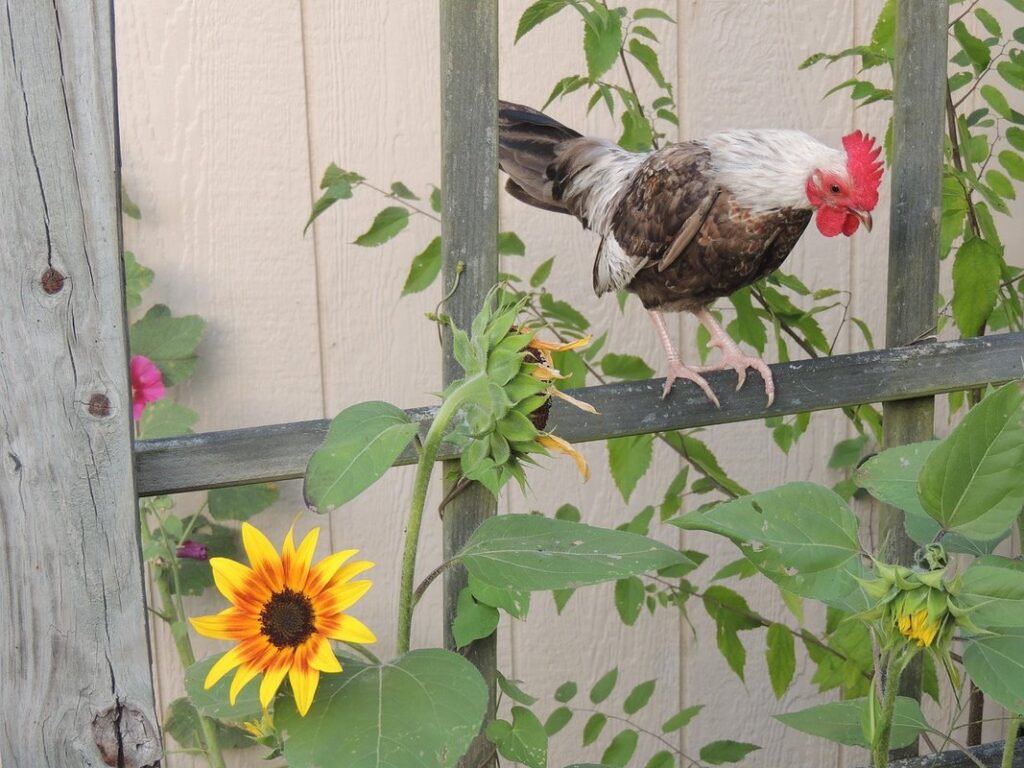
Understanding Bantam Roosters
If you’re wondering what makes bantam roosters unique, it’s essential to understand their behavior and characteristics that set them apart from other breeds. Here, we’ll explore some key traits of these diminutive yet fascinating birds.
What Are Bantam Roosters?
Bantams are small domesticated fowl that originated from the Asiatic and Mediterranean regions. These birds were selectively bred for their unique characteristics, including smaller size, friendly temperament, and vibrant plumage. Roosters are a crucial part of any bantam flock, playing a significant role in fertilizing eggs and protecting their hens.
To understand what makes bantam roosters special, it’s essential to know that they come in over 100 breeds, each with its distinct appearance and behavior. Some popular breeds include the Silkie, Polish, and Japanese Bantam. While their size is one of their most notable features, weighing between 1-4 pounds, bantam roosters are also known for their friendly demeanor, making them a great addition to small farms or backyard flocks.
When choosing a bantam rooster, it’s crucial to consider factors such as temperament, egg-laying ability, and adaptability. This will ensure that your rooster fits well with the needs of your flock and the space you have available. With proper care and attention, bantam roosters can be a delightful addition to any poultry enthusiast’s life.
Types of Bantam Roosters
There are several breeds of bantam roosters, each with its unique traits and characteristics. When choosing a breed for your flock, consider the temperament and physical characteristics that will best fit your needs.
Silkie roosters, for example, have soft, fluffy feathers and a docile nature, making them ideal for backyard flocks. Their calm demeanor also makes them a good choice for families with children. On the other hand, Polish roosters are known for their intelligence and energy, requiring regular exercise to keep them happy and healthy.
Bearded d’Uccle roosters have a gentle disposition but can be fiercely protective of their flock, making them excellent watchdogs. Mille Fleur roosters are another popular breed, prized for their vibrant plumage and affectionate nature.
Consider the size of your flock when choosing a breed – smaller breeds like Bantam Chantecler or Serama roosters may not be able to thrive in a large flock setting. Research each breed’s specific needs and requirements before making a decision, ensuring you can provide the best possible environment for your bantams.
Some breeders even cross-breed certain strains to create hybrid bantams with desirable traits from multiple breeds.
Behavioral Traits of Bantam Roosters
Bantam roosters are known for their distinct personalities, and certain traits can make them better suited to specific owners or living situations. Let’s explore some key behavioral characteristics to consider.
Early Development and Socialization
Early socialization plays a crucial role in shaping a bantam rooster’s personality and behavior. From an early age, these small but mighty birds learn to interact with their human caregivers and other birds, laying the foundation for future development. Proper handling and interaction are essential during this critical period, as it helps them become confident, calm, and well-adjusted individuals.
When bantam roosters are handled gently and regularly from an early age, they develop trust in humans. This trust translates into a more docile nature, making them easier to manage and interact with. On the other hand, neglect or rough handling can lead to fearfulness and aggression towards people. It’s also important for bantam roosters to be socialized with other birds, teaching them essential skills like communication, boundaries, and conflict resolution.
To ensure your bantam rooster develops into a well-adjusted individual, handle him regularly from an early age (about 2-3 weeks old). Start by gently picking him up and placing him in a safe environment. Gradually increase handling time as he becomes more comfortable. Also, provide opportunities for socialization with other birds under close supervision.
Dominance and Aggression
Dominant bantam roosters can be a force to be reckoned with, and their aggressive behavior towards hens, other roosters, and even humans is a common trait observed in many flocks. One of the primary reasons for this aggression is territorialism – these birds feel it’s their duty to protect their space and resources from any perceived threats.
Aggression towards hens is often a result of dominance hierarchy, where alpha males establish a pecking order within the flock. If left unchecked, dominant roosters can become increasingly aggressive, leading to stress and even injury for the females. Managing this aggression requires careful observation and intervention. Start by separating the dominant rooster from the rest of the flock for short periods, allowing him to relax and reducing competition for resources.
To minimize dominance issues within a flock, introduce new birds gradually, allowing them to get used to each other’s presence and scents. This will help reduce territorial behavior and aggression. Regular health checks and providing ample space for exercise can also help alleviate tension within the flock. By being proactive in managing your bantam rooster’s dominance, you’ll create a more harmonious living environment for all.
Bantam Rooster Communication and Vocalizations
Understanding how bantam roosters communicate is essential, as it can help you better connect with your feathered friend and recognize potential behavioral issues early on. Let’s explore their unique vocalizations in more detail.
The Importance of Vocalizations
Vocalizations play a vital role in bantam rooster communication, allowing them to convey messages and establish social hierarchies within their flock. Bantams produce a range of sounds, from soft clucks and chirps to loud, raspy calls that can be startling to the uninitiated.
When interpreting vocalizations, it’s essential to consider breed-specific characteristics. For example, Leghorns are known for their high-pitched, nasal tones, while Silkies tend to produce softer, more melodious sounds. Bearded bantams often sound like they’re clearing their throats before making a loud, staccato call.
Pay attention to the context in which your rooster is vocalizing – a loud call might signal danger or excitement, while soft clucking can indicate contentment or interest in food. By tuning into these subtle cues and recognizing breed-specific traits, you’ll develop a deeper understanding of your bantam’s communication style and be better equipped to respond accordingly.
Body Language and Posturing
When it comes to bantam rooster communication, body language and posturing play a crucial role. These birds use various non-verbal cues to convey emotions, intentions, and status within the flock. One of the most noticeable behaviors is posturing, where the rooster puffs out his chest, raises his hackles, and spreads his tail feathers to appear larger and more intimidating.
Feather ruffling is another common behavior, often used by bantam roosters to signal excitement or aggression. The feathers on their back, wings, and breast may be raised, making them appear fluffed up or even threatening. Wing spreading is also a significant display of dominance, as the rooster spreads his wings wide, making himself look larger and more formidable.
However, these behaviors can sometimes be misinterpreted as aggression rather than mere posturing. A stressed bantam rooster may exhibit excessive feather ruffling or posturing due to anxiety or fear within the flock. Recognizing these cues is essential for responsible breeders and owners to ensure a harmonious and stress-free environment for their birds.
Bantam Rooster Health and Well-being
When it comes to your bantam rooster’s health, there are several key factors to consider to ensure they live a long and happy life. A balanced diet and regular care are essential for their well-being.
Common Health Issues in Bantam Roosters
As you’re learning about bantam roosters’ unique behavior, it’s essential to consider their health and well-being. Unfortunately, these small birds are prone to various health issues that can impact their overall quality of life.
Respiratory problems, such as bronchitis and tracheitis, are common in bantam roosters due to their compact size and shallow chest cavity. Regular cleaning of the coop, providing a balanced diet, and maintaining good air circulation can help prevent these issues. Monitor your birds’ behavior for signs of respiratory distress, like labored breathing or wheezing.
Parasites, including mites and lice, can also affect bantam roosters. Check your birds regularly for signs of infestation, such as excessive preening or scratching. Use a gentle insecticidal powder or spray to treat parasite outbreaks. Be sure to follow the product’s instructions carefully to avoid harming your birds.
Some diseases specific to small birds, like avian pox and psittacosis, can also affect bantam roosters. Practice good hygiene when handling your birds, wash your hands frequently, and ensure they have access to clean water and a balanced diet to reduce the risk of disease.
Nutritional Needs of Bantam Roosters
When it comes to maintaining the health and well-being of bantam roosters, their nutritional needs cannot be overlooked. Unlike other birds, bantams require a high-energy diet due to their small but lively nature. They need a balanced mix of proteins, fats, carbohydrates, vitamins, and minerals to stay energetic and healthy.
A common nutrient deficiency in bantam roosters is calcium, which can lead to softening of bones, deformities, or even fractures if not addressed promptly. Breed-specific diets are also crucial, especially for birds like the Silkie Bantam, whose feathers require additional nutrients for growth and maintenance. To ensure your bantam rooster gets everything he needs, consider offering a mix of grains, fruits, vegetables, and high-quality commercial pellets.
It’s also essential to provide fresh water at all times and supplement with treats like mealworms or sunflower seeds to add variety to their diet. Keep in mind that overfeeding can lead to obesity, so monitor your bird’s food intake closely. By paying attention to these unique dietary requirements, you’ll be well on your way to raising a happy, healthy bantam rooster.
Training and Handling Bantam Roosters
When it comes to handling bantam roosters, establishing trust and respect is crucial for a harmonious relationship. Effective training techniques will be shared in this section to help you build a strong bond with your bird.
Introduction to Bantam Rooster Training
Training is essential for shaping a bantam rooster’s behavior and building trust between handler and bird. From an early age, introducing young birds to handling can make a significant difference in their temperament and willingness to follow commands. Start by gently picking up the chick, making sure not to handle them excessively, as this can cause stress.
Begin with short sessions, gradually increasing time as the bird becomes more comfortable. Teach basic obedience commands like “come” and “stay,” using positive reinforcement techniques such as treats and praise. Be patient, as bantams can be skittish and may take longer to adjust.
To facilitate trust-building, engage in regular handling and interaction, ensuring that your rooster associates you with a calm and peaceful environment. For instance, offer food rewards during handling sessions or pair them with enjoyable activities like foraging or exploration. By establishing this foundation of trust and obedience early on, you’ll set the stage for effective training and a more harmonious relationship between you and your bantam rooster.
Tips for Handled Bantams
When it comes to handling bantam roosters, it’s essential to approach them with care and caution. These tiny birds can be feisty and territorial, but with the right techniques, you can trim their nails, beaks, and wings safely and effectively.
First, when trimming your bantam rooster’s nails, make sure to use a good quality nail clipper specifically designed for birds. Hold the bird securely on your lap or in a designated handling area, and gently press his legs apart with one hand while using the other to carefully trim just the tip of each nail.
For beak trimming, you’ll need a beak clipper or a pair of poultry shears. Be sure to identify the right angle for the cut by looking closely at the beak’s curve, then make a smooth, gentle snip. Remember to only trim as much as necessary, taking care not to cut too close to the bone.
When it comes to wing trimming, use caution and patience. Hold your bantam rooster securely on your lap or in a handling area, and with one hand grasp each wing at the base, while using the other to carefully clip just enough of the feather tip to prevent flying without causing undue stress.
Bantam Rooster Behavior in Flocks
When introducing a new bantam rooster to your flock, understanding their behavior is crucial for harmony among all birds. In this next section, we’ll explore how bantam roosters interact and assert dominance within a group.
Integrating New Bantam Roosters into a Flock
When introducing new bantam roosters to an existing flock, it’s essential to prioritize minimizing stress and ensuring compatibility among birds. A sudden introduction can lead to dominance battles, territorial disputes, and even injuries.
To avoid these issues, start by isolating the new rooster for a few days before releasing him into the main coop. This allows him to get accustomed to the environment and reduces the likelihood of fighting upon initial introduction.
When reintroducing birds, begin with visual introductions – allowing them to see and smell each other through wire mesh or fencing – before gradually increasing face-to-face interactions under close supervision. Monitor body language closely; if you notice signs of aggression or stress, separate the birds immediately.
To promote harmony among birds, introduce the new rooster at a time when the existing flock is calm and relaxed, such as after a meal or in the early morning. By taking these steps, you can create a harmonious coexistence between your bantam roosters, ensuring a peaceful environment for all members of the flock.
Managing Flock Dynamics and Conflicts
When it comes to managing flock dynamics and conflicts, bantam rooster owners often face unique challenges. As these birds establish their social hierarchy, territorial disputes and dominance struggles can arise. In multi-bird households, you may notice increased aggression, feather pecking, or even fights breaking out.
To prevent such conflicts from escalating into serious problems, it’s essential to identify the underlying causes. Monitor your flock’s behavior closely and intervene early if you spot signs of tension. To address territorial disputes, provide separate spaces for each bird, including roosts, nesting boxes, and feeding areas. This will help reduce competition and aggression.
To assert dominance without causing harm, consider introducing multiple bantam roosters to the same flock from an early age. Socialization is key in this process. Gradually introduce new birds, allowing them to establish their pecking order naturally. By understanding and addressing these dynamics, you can create a harmonious and stress-free environment for your feathered friends.
Frequently Asked Questions
Can I keep a single bantam rooster with multiple hens if they’re from different breeds?
Yes, it’s possible to keep a single bantam rooster with multiple hens from different breeds, but you’ll need to introduce them slowly and under close supervision to prevent conflicts. Ensure the rooster is well-socialized and consider starting with two or three hens to create a harmonious dynamic.
How do I handle aggression in my bantam rooster?
If your bantam rooster displays aggressive behavior, it’s essential to identify the underlying cause. Common reasons include dominance issues, stress, or inadequate training. Start by providing separate areas for feeding and resting, and consider introducing a “safe zone” where the rooster can retreat when feeling overwhelmed.
Can I breed my own bantam roosters if I have experience with other chicken breeds?
Breeding bantams requires specialized knowledge and attention to detail due to their unique characteristics. If you’re experienced in breeding other chicken breeds, it’s still crucial to research specific guidelines for bantams, as they can be prone to health issues such as dwarfism.
How do I integrate a new bantam rooster into my existing flock?
When introducing a new bantam rooster, start by isolating him from the rest of the flock and allowing them to become familiar with his scent and presence. Gradually increase their interaction time under close supervision, ensuring the existing dominant rooster (if any) does not feel threatened.
What’s the most effective way to train my bantam rooster to respond to commands?
Training a bantam rooster requires patience, consistency, and positive reinforcement techniques such as clicker training. Focus on rewarding desired behavior rather than punishing undesired actions. Start with simple commands like “come” or “follow,” and gradually build upon these skills for more complex tasks.