
Are you thinking of bringing home a new feathered friend, but not sure where to start? Look no further than the charming bantam white chicken! These small but mighty birds have captured the hearts of many with their gentle nature and striking appearance. As a popular choice for backyard flocks and show rings alike, bantam white chickens are a breed that’s definitely worth getting to know.
But what makes them so special? From their rich history and unique temperament to their specific care requirements and breeding needs, there’s more to these little chickens than meets the eye. In this ultimate guide, we’ll delve into the world of bantam white chickens, covering everything from their origins to tips for keeping them as happy and healthy pets. Whether you’re a seasoned chicken keeper or just starting out, this article has got you covered!
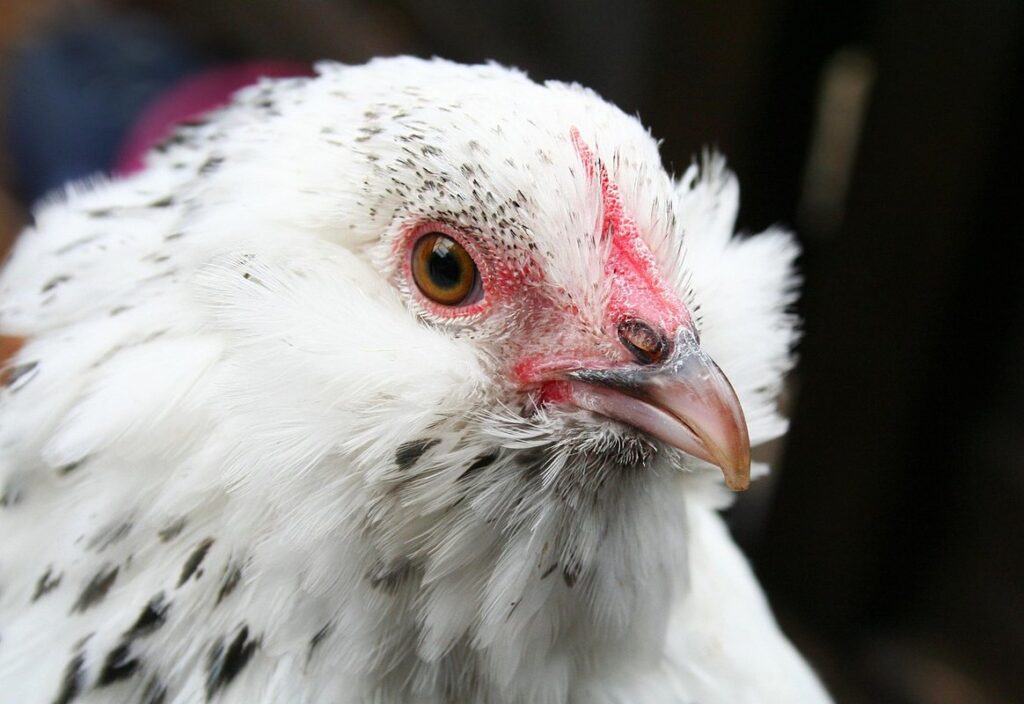
Characteristics and Traits
When it comes to the bantam white chicken, certain characteristics stand out that make them a joy to own as pets. Let’s take a closer look at what makes this breed so unique.
Origin and History of Bantams
Bantam chickens have a rich and fascinating history that spans over 3,000 years. Originating from Southeast Asia, specifically from the jungles of Indonesia, Malaysia, and the Philippines, these small yet mighty birds were highly valued for their eggs and meat. The word “bantam” is derived from the city of Bantam in Java, which was a major trading hub in the region.
Over time, bantams were introduced to Europe by traders and travelers, where they became popular among nobility as ornamental pets. As European breeders began to experiment with these birds, various breeds emerged, including the modern-day white bantam. The introduction of new breeds was driven by the desire for specific characteristics such as feather patterns, beak shape, and body size.
The development of different bantam breeds accelerated in the 18th and 19th centuries, resulting in over 30 distinct varieties worldwide. Today, the white bantam is a popular choice among backyard chicken enthusiasts due to its friendly temperament, hardiness, and high egg production.
Temperament and Personality
Bantam white chickens are known for their exceptional temperament and personality traits. They are highly social birds that thrive on interaction with humans and other animals. In fact, they are often described as “velcro chickens” due to their strong attachment to their owners.
One of the most notable characteristics of bantam whites is their docility. They are extremely gentle and laid-back, making them an ideal choice for families with children or for people who want a low-maintenance pet. With proper handling and care, they can become incredibly tame and will even follow you around the yard or farm.
Bantam whites are also surprisingly adaptable to different living situations. They can thrive in small backyards or apartments as long as they have enough space to roam and exercise. In fact, some bantam white owners report that their birds are more active and curious in smaller spaces due to the novelty of exploring a new environment.
Overall, bantam white chickens make excellent pets for anyone looking for a friendly and low-maintenance companion. With patience, attention, and proper care, these charming birds will bring joy and delight to your life.
Size and Weight Considerations
When it comes to size and weight considerations, bantam white chickens are relatively small compared to other breeds. On average, a mature bantam white chicken will weigh between 1.5 and 2 pounds (0.7-0.9 kg), making them an excellent choice for backyard flocks or small-scale egg producers. In terms of size, they typically stand about 10 inches (25 cm) tall and 8-12 inches (20-30 cm) long.
One of the unique features of bantam white chickens is their compact frame, which requires less space to roam compared to larger breeds. This makes them an ideal choice for small farms or homesteads with limited land. However, despite their size, bantam white chickens are known for their robust health and can live up to 5-7 years with proper care.
When selecting a bantam white chicken, it’s essential to consider your coop and run space to ensure they have enough room to move around comfortably. A general rule of thumb is to provide at least 2-3 square feet (0.18-0.28 sq meters) per bird inside the coop and 10-15 square feet (0.9-1.4 sq meters) in the run.
Raising and Caring for Bantam White Chickens
If you’re thinking of raising bantam white chickens, you’ll want to learn how to provide the best care and attention to help them thrive in their new home. This section covers essential tips for their health and well-being.
Housing and Coop Requirements
When it comes to providing a suitable living space for your bantam white chickens, their housing needs should be given top priority. A good rule of thumb is to allocate at least 2-3 square feet of floor space per bird inside the coop, and an additional 8-10 square feet of outdoor run area for exercise and movement.
When designing or choosing a coop, ensure it has adequate ventilation to prevent ammonia buildup from droppings. This can be achieved through vents in the walls or windows that allow for airflow while keeping predators out. Consider adding a roof overhang or awning to provide protection from rain and sun exposure.
It’s also essential to protect your bantam white chickens from potential threats such as hawks, foxes, and raccoons. A sturdy coop with secure latches and a predator-proof enclosure will give you peace of mind knowing your birds are safe. When selecting materials for the coop, opt for durable, weather-resistant options like wood or metal that can withstand various environmental conditions.
To keep your bantam white chickens healthy and happy, provide them with clean living conditions by regularly cleaning the coop and removing waste. A comfortable roosting bar and adequate nesting boxes will also ensure they get a good night’s sleep and stay stress-free during laying cycles.
Diet and Nutrition
When it comes to providing the best possible care for your bantam white chickens, their diet is one of the most critical aspects to consider. Bantams require a balanced and nutritious diet that meets their specific needs as small birds. When choosing a feed for your bantams, opt for a high-quality layer or starter mash specifically formulated for chickens. A good quality feed should contain around 16-18% protein, which will help maintain their muscle mass and support egg production.
In addition to their regular feed, you may also want to consider supplementing with calcium and oyster shells to ensure they are getting enough calcium for strong eggshell formation. You can offer a cuttlebone or crushed eggshells as a source of calcium. It’s also essential to provide fresh water at all times, changing the water frequently to keep it clean.
Remember to introduce new foods gradually to prevent digestive upset. Offer vegetables and fruits such as leafy greens, carrots, and apples in moderation to add variety to their diet.
Health Considerations and Common Ailments
Bantam white chickens are generally hardy and robust birds, but like all breeds, they can be prone to certain health issues. One of the most common problems you may encounter is respiratory distress, which can be caused by poor ventilation, dust, or even stress. To prevent this, make sure your coop has adequate airflow and keep an eye on your flock’s behavior for any signs of difficulty breathing.
Another issue that affects many bantam white chickens is mites and lice infestations. These external parasites feed on the bird’s blood and can cause significant discomfort. Check your birds regularly by gently parting their feathers, and use a fine-tooth comb to remove any unwanted guests. Regular cleaning of the coop and surrounding areas will also help prevent these pests from taking hold.
Common ailments such as scaly leg mites, frostbite, and egg binding are also possible health concerns for bantam white chickens. To minimize these risks, ensure your birds have access to fresh water, a balanced diet, and a clean living environment. Monitor their overall health closely and take prompt action if you notice any unusual behavior or symptoms.
Breeding and Genetics of Bantam White Chickens
To better understand the characteristics of bantam white chickens, let’s dive into their breeding and genetics, which play a crucial role in their unique traits. This section will explore these factors up close.
Breed Standards and Classification
Bantam white chickens are classified within the American Poultry Association (APA) and other poultry organizations as a distinct breed. The APA recognizes several breeds of bantam chickens, including the Bantam White Leghorn, Bantam White Orpington, and Bantam White Wyandotte.
To be considered a true Bantam White chicken, it must adhere to strict breed standards set forth by these organizations. These standards include physical characteristics such as comb shape, earlobe type, and plumage quality. For example, the APA requires that Bantam White chickens have a clean white plumage with no markings or mottling.
If you’re planning to raise bantam white chickens for show or breeding purposes, it’s essential to familiarize yourself with these breed standards. This will help ensure that your birds meet the necessary criteria and can compete in shows or be registered as purebred animals. To get started, consult the APA’s breed standard guidelines or those of other reputable poultry organizations.
When selecting bantam white chickens for breeding or showing, look for birds that exhibit exceptional conformation to these breed standards. By doing so, you’ll be able to develop a high-quality bloodline and contribute to the preservation of this unique and beautiful breed.
Genetic Diversity and Selection
Genetic diversity is crucial for maintaining healthy populations of bantam white chickens. This breed has undergone centuries of selective breeding, which has led to a remarkable degree of uniformity within the population. However, this uniformity also means that bantam white chickens are more susceptible to certain health issues due to their lack of genetic diversity.
To combat this issue, breeders must prioritize selective breeding practices that promote genetic diversity while still maintaining the breed’s distinctive characteristics. This can be achieved by introducing new bloodlines and incorporating a variety of breeds into the gene pool. For example, breeders could cross bantam white chickens with other heritage breeds to increase genetic diversity.
It’s also essential to monitor the health of individual birds and track any emerging trends or patterns that may indicate genetic issues. Regular veterinary check-ups and genetic testing can help identify potential problems early on, allowing breeders to make informed decisions about their breeding programs.
Raising Chicks and Flock Management
Raising chicks from hatching to maturity requires careful attention and planning. Bantam white chickens are no exception, as they have specific needs that must be met to ensure healthy growth and development. Start by providing a warm, draft-free environment with adequate ventilation. Maintain a consistent temperature between 90-100°F for the first week, gradually decreasing it by 5°F each subsequent week.
Feed your chicks a starter feed specifically formulated for young poultry, supplemented with oyster shells or crushed eggshells to support strong beak and feather development. Fresh water should always be available, changed daily to prevent bacterial growth. As they grow, introduce a balanced layer feed around 16-18 weeks old, rich in protein and calcium.
Once your chicks reach maturity, it’s essential to manage your flock for optimal health and productivity. Implement a strict vaccination schedule, including brooder shots at hatch and booster shots at 4-6 weeks old. Monitor flock behavior daily, keeping an eye out for signs of disease or stress. Regularly clean coops and pens to prevent the spread of illness, and ensure adequate ventilation to maintain air quality.
By following these guidelines, you can establish a thriving and productive flock of bantam white chickens.
Showing and Exhibiting Bantam White Chickens
When showing your bantam white chickens, proper exhibition techniques and presentation are key to impressing judges and bringing home those coveted awards. Let’s dive into what you need to know.
Preparation and Selection
When selecting show-quality bantam white chickens, it’s essential to consider breed standards and characteristics that will make them stand out in the competition. To begin, research the specific breed standard for Bantam White Chickens, including their ideal weight, length of leg, and feather quality.
As you evaluate potential birds, look for those with a clean, well-groomed appearance, a compact body type, and a gentle, friendly demeanor. Consider factors such as egg-laying ability, hardiness, and temperament when making your selection.
Once you’ve chosen your show bird, it’s time to prepare them for competition. This involves ensuring they meet breed standards in terms of size, plumage, and conformation. Clip their nails regularly, trim any excessive feathering around the face or legs, and provide a balanced diet to promote healthy growth.
When selecting judges or evaluating other birds at shows, remember that Bantam White Chickens are bred for their small stature and gentle nature. Avoid birds with signs of aggression or stress, as these can negatively impact their overall appearance and performance in the show ring.
Competition Rules and Regulations
When participating in poultry shows, it’s essential to familiarize yourself with the competition rules and regulations governing bantam white chickens. Each show may have its unique set of guidelines, so be sure to review the specific rules for the event you’re attending.
In general, most poultry associations follow the guidelines set by organizations such as the American Bantam Association (ABA) or the American Poultry Association (APA). These organizations establish standards for breed classification, weight, and overall appearance. For bantam white chickens, some key requirements include:
* Weight: Bantams typically weigh between 1-3 pounds, with males weighing slightly more than females.
* Breed standards: Ensure your bird meets the ABA or APA breed standard for bantam white chickens, which includes specific characteristics such as comb type, beak shape, and feather pattern.
* Health requirements: Show birds must meet health standards, which may include vaccination records or certification from a veterinarian.
To increase your chances of success at poultry shows, make sure to research the show’s specific rules and regulations beforehand. This will help you prepare your birds and avoid any last-minute disqualifications.
Tips for Keeping Bantam White Chickens as Pets
If you’re considering bringing home a bantam white chicken, here are some essential tips to keep them happy and healthy in their new environment. From feeding habits to coop care, we’ve got you covered.
Benefits and Rewards of Raising Bantams
Raising bantam white chickens as pets can be an incredibly rewarding experience. Not only are they low maintenance, but their entertaining personalities will keep you laughing and engaged for hours on end. One of the biggest benefits of having bantams is that they require less space and care compared to larger breeds. This makes them perfect for small backyards or even apartment dwellers who want to enjoy the joys of chicken-keeping.
Their low maintenance nature also extends to their egg-laying abilities – bantam hens will produce around 100-120 eggs per year, which is more than enough for a small household. Their entertaining personalities, on the other hand, are unmatched. Bantams are known for their curious and playful nature, often enjoying activities like foraging and exploring their surroundings.
One of the best things about bantams is that they’re social animals and love human interaction. They’ll follow you around the yard, cluck excitedly when they see you coming, and even snuggle up next to you on your lap. With proper care and attention, a bantam will become a loyal companion that brings joy and laughter into your life for years to come.
Integrating Chicks into Your Backyard Flock
When it’s time to expand your backyard flock with new additions, introducing chicks can be an exciting and rewarding experience. However, integrating them into your existing group requires some planning to ensure a smooth transition for both birds.
Before bringing home new chicks, it’s essential to prepare a separate quarantine area where they can get acclimated without the stress of meeting the rest of the flock right away. This usually means setting up a brooder with food, water, and adequate ventilation. Once your chicks are settled in and healthy, you can begin introducing them to the main flock.
This process should be done gradually over several days or even weeks, depending on the size of your flock and the age of the new birds. Start by allowing them to see each other through a fence or gate while keeping them separated at first. As they become more comfortable with each other’s presence, you can begin supervised interactions in a neutral area.
Beginners might benefit from consulting with experienced breeders or local poultry clubs for guidance on integrating their flock. With patience and careful planning, introducing new chicks to your backyard flock can be a seamless experience that benefits both the birds and your enjoyment of keeping them as pets.
Conclusion
Now that you’ve learned more about bantam white chickens, it’s time to take action. If you’re considering adding one of these charming birds to your backyard flock, don’t be afraid to ask questions or seek advice from experienced breeders and owners. With their gentle nature and attractive appearance, they make a great addition to any homestead or small farm.
To ensure a harmonious relationship between your bantam white chicken and other pets, it’s essential to introduce them gradually and under close supervision. For instance, if you have dogs in the household, start by keeping them separated and allowing them to get used to each other’s presence before allowing direct interaction.
By following these simple tips and doing some research on your own, you’ll be well-equipped to provide a happy and healthy home for your bantam white chicken.
Frequently Asked Questions
How do I ensure the health and well-being of my bantam white chickens, especially during breeding season?
Bantams can be prone to certain health issues, such as respiratory problems and Marek’s disease. To prevent these conditions, maintain a clean and well-ventilated coop, provide regular vaccinations, and monitor your flock for any signs of illness. Additionally, consider consulting with a veterinarian experienced in poultry care before breeding.
Can I keep bantam white chickens in small spaces or apartments if I don’t have a large backyard?
While bantams require some space to roam, they can thrive in smaller areas as long as you provide regular exercise and social interaction. However, ensure your coop meets the minimum recommended dimensions for bantams (around 2-3 square feet per bird) and consider enlisting the help of neighbors or friends with larger spaces for exercise.
How do I introduce new chicks to my existing backyard flock without causing stress or conflict?
Introducing new chicks requires patience and planning. Quarantine the new arrivals for a few weeks before integrating them into your main flock, and ensure both groups have separate feeding and watering areas initially. Monitor their behavior closely and intervene if necessary.
Are bantam white chickens suitable for exhibition or showing, and what are some essential tips for competing in poultry shows?
Bantams can make excellent show birds due to their unique characteristics and striking appearance. To compete successfully, research the breed standards for your local competition, practice handling and training your birds, and ensure they meet the required health and vaccination protocols.
Can I raise bantam white chickens without any prior experience with poultry or animal care?
Raising bantams can be a rewarding but challenging experience for beginners. While some experience is helpful, it’s not necessarily required. Start by consulting reputable online resources, joining local poultry-keeping groups, and reaching out to experienced breeders for guidance and support.