
If you’re thinking about adding some feathered friends to your backyard flock, the Barred Rock is an excellent choice. This popular breed has won many hearts with its friendly and docile nature, making it a perfect fit for families and experienced chicken keepers alike. But before you bring home those adorable Barred Rock chicks, there are several things to consider. In this article, we’ll take you through the ins and outs of raising healthy and happy Barred Rock chicks from selection to maturity. We’ll cover what to look for when choosing your chicks, how to create a suitable environment for their growth, and what to expect in terms of egg-laying performance as they mature into stunning hens. By following our expert tips, you’ll be well on your way to raising thriving Barred Rock hens that will bring joy and fresh eggs to your family for years to come.
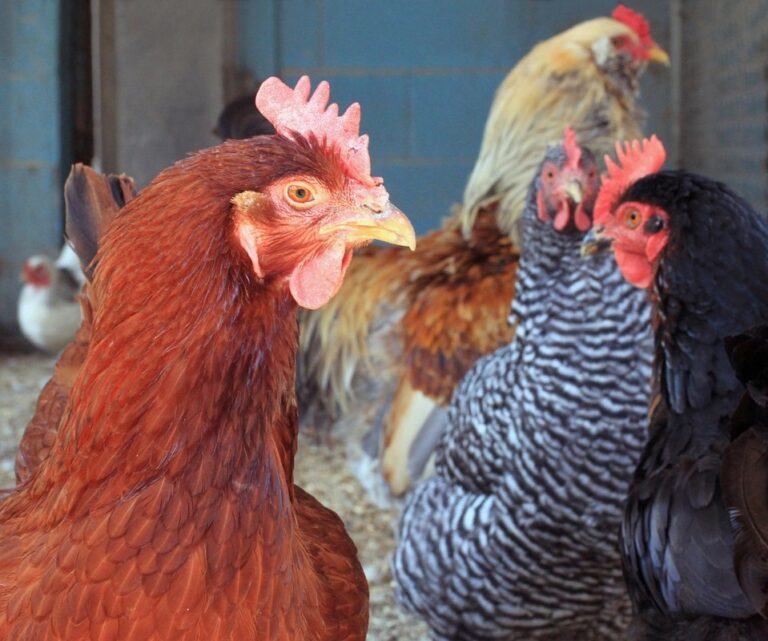
Introduction to Barred Rock Chickens
If you’re new to raising backyard chickens, let’s start with the basics and explore what makes these stunning hens so special. In this introduction, we’ll take a closer look at the Barred Rock breed.
History of the Breed
The Barred Rock breed has its roots in the early 20th century, specifically developed in the 1900s by crossing New Hampshire hens with Rhode Island Reds. The goal was to create a hardy and prolific layer that could thrive on small farms and homesteads. As one of the first American breeds to be developed, Barred Rocks quickly gained popularity for their distinctive appearance and impressive egg-laying abilities.
In fact, Barred Rocks were so well-suited to farm life that they became a staple on many rural properties across the country. Farmers appreciated their ease of handling, adaptability to varied climates, and remarkable foraging skills. The breed’s rich history is also reflected in its name, which refers to the distinctive black-and-white striped feathers that give Barred Rocks their unique appearance.
Over time, the Barred Rock has evolved into a beloved breed among backyard chicken enthusiasts, prized for both its eggs and charming personality. Today, you can find Barred Rock hens on farms and homesteads around the world, where they continue to prove themselves as reliable, hardworking, and affectionate companions.
Key Characteristics
The Barred Rock chicken is renowned for its impressive array of key characteristics that have captured the hearts of many backyard chicken keepers. One of the most notable traits of this breed is its remarkable egg-laying capacity, producing an average of 200-220 brown eggs per year. This makes them an ideal choice for families and small-scale farmers seeking a reliable source of fresh eggs.
In addition to their impressive egg production, Barred Rock chickens are also celebrated for their friendly and docile nature. They are known to be relatively quiet and easy-going, making them suitable for urban or suburban settings where noise levels need to be kept to a minimum. Their hardiness is another significant advantage, as they can thrive in a range of climates and environments with minimal supervision.
Their robust constitution and adaptability also make them less prone to health issues compared to other breeds. When it comes to integrating new chickens into your flock, Barred Rocks are generally tolerant of new additions, reducing the likelihood of conflicts and stress within your coop.
Choosing Healthy Barred Rock Chicks
When selecting healthy Barred Rock chicks, there are several key characteristics to look for that will determine their overall health and well-being from an early age. Let’s take a closer look at what to consider.
Selecting Chicks from a Reputable Hatchery
When selecting Barred Rock chicks from a reputable hatchery or breeder, it’s essential to look for signs of good health and strong genetics. A reputable hatchery will provide healthy chicks that are well-started on their journey to becoming productive hens.
First, check the chick’s overall appearance. Look for bright eyes, a full crop, and smooth, shiny feathers. Avoid chicks with dull or brittle feathers, as this can indicate poor nutrition or health issues. Also, inspect the chick’s beak and legs; they should be free from any visible defects or deformities.
Check the hatchery’s health guarantees and ask about their vaccination policies. A reputable hatchery will provide healthy chicks that are protected against common diseases. Research the breeders’ reputation online and read reviews from other customers to ensure you’re buying from a trustworthy source.
By choosing chicks from a reputable hatchery and selecting those with good physical characteristics, you’ll be more likely to get healthy Barred Rock hens that will thrive in your flock.
Quarantine and Introduction to the Coop
When bringing new Barred Rock chicks into your flock, it’s essential to follow best practices for quarantining them before introduction. This crucial step helps minimize the risk of disease transmission and ensures a smooth transition for both the new arrivals and your existing birds.
To set up an effective quarantine area, designate a separate enclosure or section of your property where the new chicks can be isolated from the rest of the flock. This space should provide adequate ventilation, be free from drafts, and offer easy access for observation and care. Provide fresh food, water, and bedding specifically for this quarantine period to prevent cross-contamination with your main flock.
During the 30-60 day quarantine period, monitor the new chicks closely for any signs of illness or stress. Keep them isolated until you’re confident they’ve cleared any potential health issues. It’s also a good idea to conduct regular fecal exams and keep accurate records of their health status. By following these steps, you’ll be well on your way to introducing healthy Barred Rock chicks into your flock without compromising the overall health and well-being of your birds.
Raising Your Barred Rock Chicks from Day One
Raising your little Barred Rock chicks from day one requires a lot of love, care, and attention to detail to ensure they grow into healthy hens. Let’s dive in and explore the basics of caring for these adorable birds.
Brooding and Nutrition
Raising young Barred Rock chicks requires attention to their nutritional needs and maintaining a healthy environment. When it comes to brooding, ensure that you provide enough space for the chicks to move around comfortably. A minimum of 1/4 square foot per chick is recommended, but more space is always better.
A reliable heat source is crucial for the first few weeks. Use a good quality heat lamp or ceramic heat emitter with a thermometer to monitor temperatures. The ideal temperature for chicks is between 90-100°F (32-38°C) for the first week and gradually decrease it by 5°F each week until they’re around 8 weeks old.
Nutritionally, chicks need a high-quality starter feed that’s formulated specifically for their age group. Look for a feed with a minimum of 16% protein content. Supplement their diet with calcium-rich foods like crushed eggshells or dark leafy greens to promote strong bone growth.
Make sure the brooder is draft-free and well-ventilated, but not so much that it causes drafts or cold spots. Change the bedding regularly to prevent bacterial and fungal growth.
Health Issues to Watch For
As you care for your young Barred Rock chicks, it’s essential to be aware of common health issues that can affect them. Marek’s disease is one such condition that you should watch out for. This viral disease can cause a range of symptoms including swelling around the eyes and legs, loss of appetite, and even death in severe cases.
To identify Marek’s disease, look for these signs: lethargy, loss of coordination, and difficulty breathing. If you suspect your chicks have been infected, isolate them immediately and contact a veterinarian for advice. While there is no cure for Marek’s disease, vaccination can help prevent it.
Another health issue to be aware of is coccidiosis. This parasite infection causes diarrhea, vomiting, and weight loss in young chickens. Symptoms can appear within 3-4 weeks after the chicks start pecking at feed contaminated with oocysts. To treat coccidiosis, use a medication specifically designed for this condition and provide plenty of fresh water.
Monitoring your flock closely will help you catch these issues early on, allowing you to take prompt action and ensure the health and well-being of your Barred Rock chicks. Regular cleaning and disinfection of their living space can also help prevent the spread of diseases.
Grooming and Care of Mature Hens
As your Barred Rock hens mature, regular grooming becomes crucial to their overall health and well-being. Here’s how to provide them with the care they need to stay happy and healthy.
Nails and Beak Maintenance
As your barred rock hens mature, their nails and beaks will continue to grow. If left untrimmed, these growths can become problematic, leading to issues with perching, eating, and even causing harm to the hen herself. Regular nail and beak trimming is essential for maintaining your hens’ overall health and well-being.
To trim your hens’ nails safely, you’ll need a good pair of nail clippers specifically designed for poultry. Hold your hen firmly but gently, making sure not to constrict her wings or legs. Trim just the tip of each claw, taking care not to cut too short and expose the quick (the sensitive part of the nail). Start with one foot and work your way around, so you don’t accidentally trim the same spot twice.
Beak trimming is a bit more delicate. You’ll need some specialized beak clippers or a file designed for poultry. Hold your hen’s head gently but firmly, making sure she can see what you’re doing to avoid stressing her out. Trim just a small amount at a time, checking frequently to avoid cutting too much off.
To avoid stressing your hens during these procedures, try to get them used to having their feet and beaks handled regularly. Make it a part of your regular grooming routine, and they’ll soon become comfortable with the process.
Dust Baths and Roosting Bars
As your Barred Rock hens mature, they’ll appreciate the opportunity to indulge in some essential habits that promote their health and happiness. One of the most vital aspects of their care is providing a clean and safe space for dust baths and roosting.
Dust baths are crucial for maintaining your hen’s feathers and skin health. When she digs and rolls around in a designated area filled with dry, powdery soil or sand, she’ll remove dirt and debris from her plumage, prevent matting, and even reduce the risk of mites and lice infestations. To set up a dust bath, simply designate an area outside their coop, fill it with about 4-6 inches of dry material, and ensure it’s easily accessible.
Roosting bars are another vital component of your hens’ living space. Providing elevated perches allows them to roost comfortably at night, keeping their bones strong and their muscles relaxed. Aim for a minimum of two or three sturdy bars spaced about 12-18 inches apart, allowing each hen to find her preferred spot without feeling crowded.
By incorporating these simple amenities into your coop design, you’ll be promoting the overall well-being and happiness of your mature Barred Rock hens.
Egg-Laying Expectations and Fertility
As a Barred Rock hen owner, you’re probably curious about their egg-laying potential – will they meet your expectations in terms of fertility and productivity? Let’s dive into what to expect from these lovely ladies.
Factors Affecting Egg Production
When it comes to egg production, there are several factors that can impact the number of eggs your Barred Rock hens will lay. One of the most significant factors is age. Egg-laying typically begins around 18-20 weeks and peaks at about a year old. However, some breeds may continue laying well into their second year.
Nutrition plays a crucial role in egg production as well. A balanced diet that includes essential nutrients like protein, calcium, and vitamins will support healthy egg production. You can provide your hens with a high-quality layer feed or supplement their diet with fresh fruits and vegetables. For example, dark leafy greens like kale and spinach are rich in calcium, which is essential for strong eggshells.
Breed quality also affects egg production. Some breeds are naturally more prolific layers than others. Barred Rocks are known for their moderate to high egg-laying abilities, but it’s essential to select hens from reputable breeders who prioritize fertility and productivity.
In addition to these factors, environmental conditions like light, temperature, and stress levels can also impact egg production. Ensuring your flock has adequate space, proper ventilation, and access to fresh water will help promote healthy laying habits.
Maintaining Healthy Fertility
As a Barred Rock chicken keeper, you want to ensure that your flock remains healthy and fertile for as long as possible. Maintaining healthy fertility requires attention to several factors beyond just nutrition and living conditions.
Minimizing stress is crucial in promoting overall health and fertility in your flock. Provide enough space for each bird to move around comfortably, and make sure their coop and run are clean and well-ventilated. Consider implementing enrichment activities such as scratching posts or toys to keep them engaged and stimulated.
A balanced diet rich in essential nutrients will also play a significant role in maintaining healthy fertility. Make sure your flock has access to fresh water at all times, and consider adding supplements like oyster shells or crushed eggshells to their feed to support calcium intake.
Regular health checks are another vital aspect of maintaining healthy fertility. Keep an eye out for signs of illness or stress, such as changes in appetite or droppings, and consult a veterinarian if you notice anything unusual. By following these best practices, you can help your Barred Rock hens remain healthy and fertile well into their laying years.
Common Issues and Troubleshooting
When you’re raising Barred Rock chicks, it’s not uncommon for issues to arise – from health problems to behavioral quirks. This section will help you tackle common concerns and find solutions.
Aggression and Feather Pecking
Aggression and feather pecking can be significant issues to address within your flock of Barred Rock hens. These problems often stem from stress, boredom, or even genetic predisposition. It’s essential to identify the underlying causes before implementing solutions.
One key sign of aggression in your flock is repeated pecking at other birds’ faces or bodies. This behavior can be a result of dominance struggles or even fear-based anxiety. To mitigate this issue, ensure that you’re providing enough space for each bird to move around comfortably and engage in natural behaviors like foraging and scratching.
Feather pecking, on the other hand, is often linked to boredom or a lack of stimulation. This behavior can quickly escalate into more severe issues if left unchecked. To prevent feather pecking, incorporate plenty of enrichment activities and toys into your flock’s daily routine. Consider offering puzzle feeders or hiding treats around the coop to challenge their problem-solving skills.
Keep in mind that individual personalities play a significant role in aggression and feather pecking. Some birds may be more prone to these behaviors than others, so it’s crucial to monitor each bird’s behavior and adjust your approach as needed.
Respiratory Problems and Other Health Concerns
As you care for your Barred Rock hens, it’s essential to be aware of potential health concerns that can arise. Respiratory problems are one common issue that may affect your flock. These issues can be caused by a range of factors including poor ventilation, dampness, and airborne pathogens.
You might notice signs such as labored breathing, wheezing, or coughing in affected birds. In severe cases, respiratory problems can be life-threatening, so it’s crucial to identify the issue early on. If you suspect your hen is struggling with a respiratory problem, consult with a veterinarian for proper diagnosis and treatment.
Other health concerns may include issues related to internal parasites, such as worms or lice. These pests can cause discomfort, weight loss, and decreased egg production in affected birds. Regular cleaning of the coop, proper nutrition, and parasite control measures are essential to prevent infestations.
Monitor your hens regularly for signs of illness, including changes in appetite, droppings, or behavior. If you notice any unusual symptoms, take action promptly to address the issue and ensure the health and well-being of your flock.
Conclusion and Tips for Success
In conclusion, raising Barred Rock chicks hens can be an incredibly rewarding experience for backyard chicken enthusiasts. Not only are they friendly and docile, but they also provide a steady supply of fresh eggs and entertainment for families and individuals alike. As you continue to care for your new additions, remember that patience and consistency are key.
To ensure their optimal health and happiness, make sure to provide them with adequate food, water, and shelter. A balanced diet rich in protein, vitamins, and minerals will keep them thriving. For example, supplementing their feed with fruits and vegetables can provide essential nutrients and promote egg-laying. By dedicating time and attention to your Barred Rock chicks, you’ll be well on your way to a happy and healthy flock. With these simple tips, you’ll be able to enjoy the joys of backyard chicken keeping for years to come.
Frequently Asked Questions
What are the ideal living conditions for Barred Rock chicks?
Conducive to their growth, provide a safe and comfortable environment with adequate ventilation, dry bedding, and protection from drafts. Ensure access to fresh water, a balanced starter feed, and supplemental calcium for strong bone development.
Can I mix Barred Rock chicks with existing chickens in the flock?
To minimize stress and prevent disease transmission, it’s recommended to quarantine new chicks for 2-3 weeks before introducing them to the main flock. Monitor their behavior and adjust your introduction plan accordingly.
How often should I collect eggs from my mature Barred Rock hens?
Regular egg collection helps maintain a clean coop and encourages continued egg-laying. Collect eggs daily, ideally in the morning when they’re fresh from the nesting box. Handle them gently to prevent breakage and contamination.
What are some common health issues to watch for in Barred Rock chicks?
Keep an eye out for signs of respiratory problems, such as labored breathing or coughing, as well as parasites like mites or lice. Regularly inspect your flock’s overall health, consult with a veterinarian if necessary, and maintain good hygiene practices.
Can I raise Barred Rock chicks indoors, even in cold climates?
While possible, it’s essential to replicate natural light cycles and maintain optimal temperatures (around 90-100°F for the first week) for brooding. Provide adequate ventilation and ensure the coop is well-insulated to prevent heat loss or gain. Consult with a veterinarian for specific guidance on indoor raising in your region.