
Are you thinking of adding some Black Australorp pullets to your flock? These stunning birds are not only visually striking, but they’re also known for their exceptional egg-laying abilities and friendly personalities. As a breeder or enthusiast, you’ll want to know how to raise healthy, happy Black Australorps that thrive in your backyard coop.
In this comprehensive guide, we’ll take you through the ins and outs of breeding and raising Black Australorp pullets. From nutrition and health to showing and breeding your own flock, we’ve got you covered. Whether you’re a seasoned expert or just starting out, our ultimate guide will give you the knowledge and confidence to succeed with these wonderful birds. Get ready to discover the secrets to raising the best Black Australorps on the block!
Choosing the Right Breed
When it comes to selecting a Black Australorp pullet, you’ll want to consider factors such as egg-laying performance, temperament, and overall health. Here are some key characteristics to look for.
Understanding the Australorp Breed Standard
The Australorp breed has its roots in Australia, where it was developed in the late 19th century. Initially bred for egg-laying purposes, the breed’s remarkable ability to produce an abundance of large eggs made it a favorite among farmers and poultry enthusiasts alike.
One of the key characteristics that define the Australorp breed is its exceptional laying capacity. On average, an Australorp hen will lay between 250-300 brown or white eggs per year, with some individuals known to reach as high as 320 eggs annually. This impressive output, combined with their docile nature and adaptability, has made them a staple in many backyard flocks.
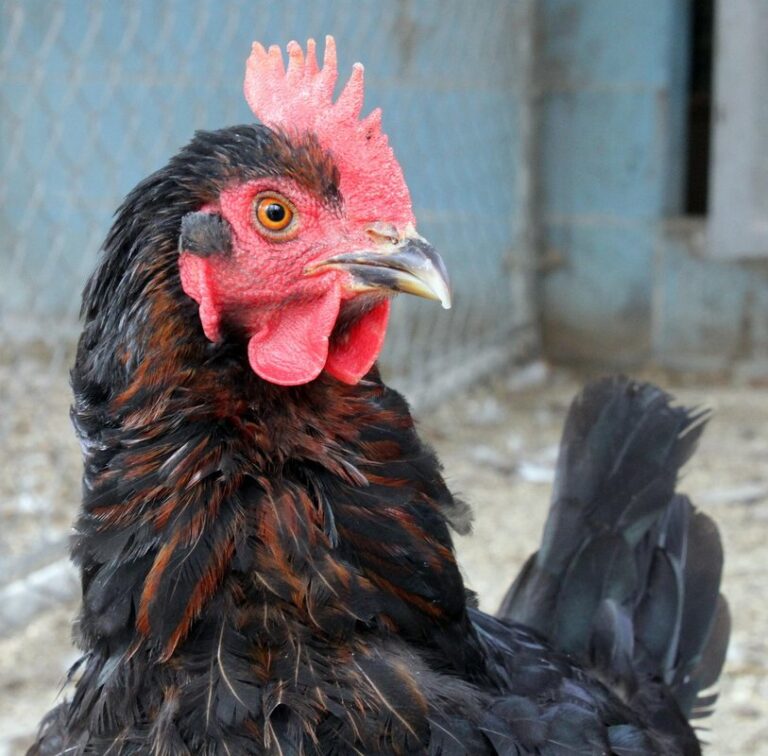
In terms of appearance, the Black Australorp is easily recognizable by its sleek black feathers and broad, rounded body shape. They typically weigh between 8-12 pounds and stand around 20 inches tall. Their friendly demeanor makes them an excellent choice for families with children or for those who are new to raising chickens. With proper care and management, a Black Australorp can thrive in a variety of settings, from small backyards to larger farms.
Breeding Objectives for Black Australorp Pullets
When selecting high-quality breeders for Black Australorp pullets, it’s essential to consider their breeding objectives. These objectives will determine the overall health, temperament, and egg-laying abilities of your flock.
Temperament is a critical aspect of breeding objectives, as it affects the bird’s behavior and interaction with humans. A calm and docile nature makes them suitable for backyard flocks or small-scale commercial operations. Look for breeders that prioritize temperament by selecting birds that are easy-going and less aggressive. For instance, Black Australorps known to be gentle and laid-back will make better pets or companions.
Egg-laying abilities are also crucial in breeding objectives. As prolific egg layers, Black Australorps should have a strong emphasis on producing high-quality eggs. Choose breeders that select birds with a proven track record of laying large, brown eggs regularly. Aiming for around 280-300 brown eggs per year is an excellent starting point.
Health is another vital aspect to consider when evaluating breeding objectives. Opt for breeders that prioritize selecting birds with strong immune systems and minimal genetic disorders. This will ensure your flock remains healthy and disease-free over the years.
Key Characteristics of Black Australorp Pullets
When it comes to identifying Black Australorp pullets, there are several key characteristics you should look out for. One of the most notable features is their size and weight. As they mature, Black Australorp hens can grow up to 20 pounds (9 kg), making them a substantial addition to any flock.
Their plumage is another distinctive trait that sets them apart from other breeds. Black Australorps have a sleek black coat with a subtle sheen to it, which can appear shiny in the right light. They also possess a slight greenish tint around their beak and eyes, giving them an attractive and unique appearance.
In addition to their physical characteristics, Black Australorp pullets are known for their calm demeanor and friendly nature. They’re often described as gentle giants, making them an excellent choice for backyard flocks or family farms where interaction with the birds is desired.
Raising Healthy Black Australorp Pullets
As you start building your backyard flock, raising healthy Black Australorp pullets is crucial for their well-being and future egg-laying success. In this section, we’ll cover the essentials of caring for these young birds.
Nutrition and Diet for Young Pullets
When it comes to raising healthy young Black Australorp pullets, nutrition plays a crucial role in their development and growth. As they grow from chicks to pullets, their nutritional needs change dramatically. It’s essential to provide them with a balanced diet that meets these changing requirements.
Start by feeding your pullets a starter feed specifically formulated for young chickens (0-4 weeks). This feed is rich in protein, vitamins, and minerals necessary for growth and development. Gradually transition to a grower feed (4-16 weeks) as they require less protein and more fiber for optimal health. Ensure the feeders are clean and accessible at all times.
Fresh water should be available at all times, with daily changes to prevent bacterial contamination. A good rule of thumb is to provide 1 gallon of water per bird per day. Monitor your pullets’ droppings for signs of nutritional deficiencies, such as pale or brittle feathers, and adjust their diet accordingly.
Maintaining optimal health also involves providing a stress-free environment with adequate space to move around. Ensure the coop is well-ventilated, clean, and protected from predators. With proper nutrition and care, your young Black Australorp pullets will grow into healthy, productive hens.
Brooder Setup and Management
When setting up a brooder for your Black Australorp pullets, it’s essential to prioritize temperature control. A consistent range of 90-95°F (32-35°C) during the first week will help promote healthy growth and prevent stress. After the initial week, you can gradually reduce the temperature by 5°F (3°C) each day until they’re around 70°F (21°C). This will simulate a natural environment for them to adapt to.
Aim for 14-16 hours of daylight to encourage activity and feeding behavior. Use LED grow lights or fluorescent lamps specifically designed for poultry, as they produce minimal heat and are energy-efficient. Ensure the lights are placed at least 12 inches (30 cm) above the brooder floor to prevent overheating.
Proper ventilation is also crucial for maintaining a healthy environment. Aim for a minimum of one square foot (0.1 sq. m) of ventilation space per bird, ensuring adequate airflow and reducing ammonia buildup. Use a combination of windows, vents, or fans to maintain a gentle breeze throughout the day. This will help regulate temperature and prevent respiratory issues. Regularly inspect and clean the brooder to ensure optimal air quality and reduce the risk of disease.
Health Considerations for Young Pullets
As you raise your young Black Australorp pullets, it’s essential to be aware of common health issues that can affect their growth and development. Respiratory problems are a significant concern for young pullets, particularly those exposed to drafts or overcrowding in the brooder. Keep an eye out for symptoms such as coughing, labored breathing, and lethargy.
Marek’s disease is another critical issue to monitor, as it can cause immunosuppression and lead to secondary infections. Ensure that your chicks receive a Marek’s vaccine according to the manufacturer’s instructions to minimize this risk. Monitor your flock regularly for any signs of illness or stress, such as droopy wings, loss of appetite, or changes in egg production.
Preventative measures can go a long way in maintaining healthy young pullets. Ensure proper ventilation in their living area, maintain cleanliness and hygiene practices, and provide a nutritious diet that meets their nutritional needs. Consult with your veterinarian to develop an optimal vaccination schedule for your flock and stay informed about local disease outbreaks or biosecurity concerns.
Caring for Adult Black Australorp Hens
As your girls mature into stunning adult hens, their care needs will shift from a pullet-friendly focus to a more in-depth attention to their health and well-being. Let’s explore the key considerations for keeping your Black Australorp ladies happy and healthy.
Egg-Laying Expectations
As an owner of adult Black Australorp hens, it’s essential to understand their egg-laying expectations. These hens are known for their exceptional egg production, but there are several factors that influence their performance. On average, a mature Black Australorp hen can lay around 250-300 large brown eggs per year. However, this number can vary depending on individual factors such as nutrition, health, and living conditions.
A good layer of calcium-rich feed, clean water, and adequate space to roam will ensure your hens reach their full egg-laying potential. A well-managed flock with a balanced diet and regular health checks can expect an average daily egg production of 280-300 eggs per year for each hen. It’s also worth noting that egg production tends to slow down as hens age, typically peaking between 18 and 24 months.
By understanding these factors and providing optimal care, you can help your Black Australorp hens reach their full egg-laying potential and enjoy a steady supply of fresh eggs from your backyard flock.
Managing Flock Dynamics and Socialization
Managing Flock Dynamics and Socialization is crucial for maintaining harmony within your flock. When introducing new birds to the existing flock, it’s essential to do so gradually and under close supervision. Start by keeping the new additions separate from the main group, allowing them to get accustomed to their surroundings without feeling overwhelmed or threatened.
Once they seem settled, introduce them to the rest of the flock in a neutral area, such as a fenced-off section or a designated meeting spot. Monitor their interactions closely, separating any birds that show signs of aggression or stress. Provide multiple perches and feeding stations to prevent competition and establish clear pecking orders.
Remember, Black Australorps are known for their friendly and docile nature, but even the most amiable birds can develop conflicts if not managed properly. Regular flock rotation and enrichment activities, such as offering puzzle toys filled with treats or creating scavenger hunts, can help maintain a balanced social hierarchy and prevent boredom.
Health Maintenance and Monitoring
As an adult Black Australorp hen owner, it’s essential to prioritize health maintenance and monitoring to ensure your flock stays healthy and productive. Regular check-ups are crucial to identify potential issues early on, preventing the spread of disease and minimizing veterinary costs.
Start by setting up a regular vaccination schedule with your veterinarian. This should include core vaccinations that protect against diseases common in backyard flocks, such as Newcastle disease and infectious bronchitis. Additionally, consult with your vet about non-core vaccinations that may be necessary depending on your flock’s specific needs and location.
To prevent disease outbreaks, maintain good hygiene practices within the coop and run. Ensure adequate ventilation, regular cleaning of feeders and waterers, and prompt removal of waste. Monitor your hens’ behavior and appetite closely, seeking veterinary attention if you notice any changes.
In addition to vaccinations and hygiene practices, keep a close eye on your flock’s overall health by checking for signs of illness or injury daily. Keep records of vaccination dates, health checks, and any treatments administered to ensure you can quickly identify potential issues.
Showing Your Black Australorp Pullet
When showing off your beautiful Black Australorp pullet, it’s essential to present them in a way that showcases their unique characteristics and makes a great impression on judges. Here are some tips for presenting your bird.
Preparing Your Bird for Show
Preparing your Black Australorp pullet for a show requires careful attention to detail and a thorough understanding of what makes a bird show-worthy. First and foremost, grooming is essential to reveal the bird’s natural beauty and character. Start by removing any dirt or debris from the plumage using a soft-bristled brush, paying particular attention to areas around the vent and under the wings.
Next, trim the beak to prevent overgrowth, which can hinder eating and preening behaviors. Use a pair of poultry shears specifically designed for trimming beaks, taking care not to cut too close to the skin. Trimming the toenails is also crucial to prevent overgrowth and cracking. Use a nail clipper or emery board to carefully shorten the nails.
Other essential tasks include cleaning the vent area and dust-bathing to maintain the bird’s natural oils and color. Practice these grooming techniques regularly leading up to the show to ensure your Black Australorp pullet looks its best under the lights. Remember, presentation is key at a poultry show, so attention to detail will make all the difference in the judge’s decision.
Understanding Breed Standards and Judging Criteria
When showing your Black Australorp pullet, it’s essential to understand the breed standards and judging criteria that judges use to evaluate their birds. The Australian Poultry Federation is responsible for maintaining the breed standard for the Black Australorp.
According to this standard, a perfect example of a Black Australorp should have a glossy black plumage with minimal feathers on the legs. Males typically weigh between 4.3 and 5.6 kg (9.5-12.3 lbs), while females weigh between 3.2 and 4.3 kg (7-9.5 lbs).
When it comes to judging criteria, judges assess birds based on their conformation, movement, and temperament. The pullet’s posture, carriage, and overall balance are crucial factors that contribute to its score.
When preparing your bird for the show ring, pay close attention to these breed standards and make sure your Black Australorp pullet meets them as closely as possible. This will give you a solid foundation for impressing judges and competing at your best.
Breeding Your Own Black Australorp Chickens
If you’re interested in raising a flock of healthy and productive Black Australorps, breeding your own can be a rewarding experience that saves you money and ensures consistency. In this section, we’ll walk you through the process step by step.
Setting Up a Breeding Program
When setting up a breeding program for your Black Australorp chickens, it’s essential to start with a solid foundation. This begins with selecting the right birds to serve as foundation stock. Look for purebred birds from reputable breeders that exhibit exceptional characteristics such as egg-laying ability, temperament, and fertility.
It’s crucial to establish a clear breeding plan that outlines your goals and objectives. Determine what traits you want to prioritize, such as increased egg production or improved disease resistance. This will help guide your selection of breeding birds and ensure consistency in your program.
Managing genetic diversity is also vital to maintaining the health and vigor of your flock. Introduce new bloodlines periodically to prevent inbreeding and promote genetic variation. A good rule of thumb is to aim for a minimum of 10-15 females per generation, ensuring adequate genetic representation within your flock. By following these steps, you’ll set yourself up for success in breeding high-quality Black Australorp chickens that excel in the areas most important to you.
Selecting Suitable Mates and Managing Inbreeding
When selecting mates for your Black Australorp birds, it’s essential to prioritize genetics that will promote healthy growth, fertility, and desirable traits. A good starting point is to evaluate the overall health, vigor, and conformation of potential candidates. Look for birds with well-developed muscling, a robust appearance, and minimal signs of illness or stress.
To avoid inbreeding, it’s crucial to introduce new bloodlines into your flock regularly. This can be achieved through purchases from reputable breeders or by swapping eggs with fellow enthusiasts. Introducing unrelated birds helps maintain genetic diversity and reduces the risk of inherited defects.
When selecting mates for specific purposes, such as breeding for egg-laying ability or meat production, it’s vital to consider the characteristics that are most desirable in your flock. For example, if you’re focused on producing high-performing layers, look for birds with a strong family history of fertility and egg-production. By making informed decisions about mate selection and managing inbreeding, you can maintain optimal genetics within your flock and enjoy better overall health and productivity from your Black Australorp birds.
Frequently Asked Questions
What’s the best age to introduce a new Black Australorp pullet to my existing flock?
When introducing a new bird, it’s essential to consider the age and temperament of both the new pullet and the existing hens. A general rule of thumb is to introduce young pullets (around 12-16 weeks old) in small groups to prevent overwhelming them. Monitor their behavior closely and separate them if necessary.
Can I raise Black Australorps in a backyard coop with limited space, or do they require large areas?
Black Australorp pullets are adaptable to smaller spaces, making them an excellent choice for backyard coops. However, it’s crucial to provide adequate ventilation, dust-free environments, and sufficient roosting bars to ensure their comfort and well-being.
How long does it take for a Black Australorp pullet to reach full egg-laying capacity?
On average, a Black Australorp hen will reach its peak egg-laying capacity between 26-30 weeks of age. However, this can vary depending on factors such as nutrition, health, and individual breed characteristics.
What’s the ideal temperature range for brooding young Black Australorp pullets?
Maintaining an optimal temperature is vital during the brooding phase (0-8 weeks). A suitable temperature range for young pullets is between 90°F to 95°F (32°C to 35°C) for the first few weeks, gradually decreasing by about 5°F each week.
How often should I collect eggs from my Black Australorp hens?
Collecting eggs regularly will not only prevent breakage but also encourage your hens to continue laying. Aim to collect eggs at least once a day, ideally in the morning when they are most abundant.