
Are you looking to add some excitement to your backyard flock? Look no further than the Blue Australorp chicken! This stunning breed is not only a feast for the eyes, but it’s also an exceptional egg-layer, producing large brown eggs with ease. But what makes the Blue Australorp so special, and how can you incorporate these amazing birds into your own backyard farm? In this article, we’ll delve into the characteristics, benefits, and care requirements of Blue Australorps, as well as provide expert tips on breeding and keeping them happy and healthy in their new home. Whether you’re a seasoned chicken keeper or just starting out, you won’t want to miss learning about these exceptional birds and how they can bring joy and productivity to your backyard flock.
Introduction to Blue Australorps
Welcome to our guide on blue Australorp chickens! In this opening section, we’ll introduce you to these stunning birds and give you a brief overview of what makes them so special.
History of the Breed
The Blue Australorp breed has its roots in Australia, where it was developed in the early 20th century. The original Australorp breed was created by crossing various Orpington strains with local poultry to produce a bird that could thrive in the country’s harsh climate.
In the 1920s and 1930s, Australian breeders began experimenting with the introduction of blue feathers into the Australorp breed, resulting in the emergence of the Blue Australorp. This was achieved through careful selection and breeding of birds with desirable blue plumage traits.
The new breed quickly gained popularity among Australian poultry enthusiasts due to its impressive egg-laying abilities, friendly temperament, and stunning appearance. By the mid-20th century, the Blue Australorp had become a staple in many Aussie backyard flocks, prized for its exceptional qualities and hardiness.
Today, the Blue Australorp remains one of Australia’s most beloved breeds, cherished by chicken enthusiasts around the world for its rich history and unique characteristics.
Characteristics of Blue Australorps
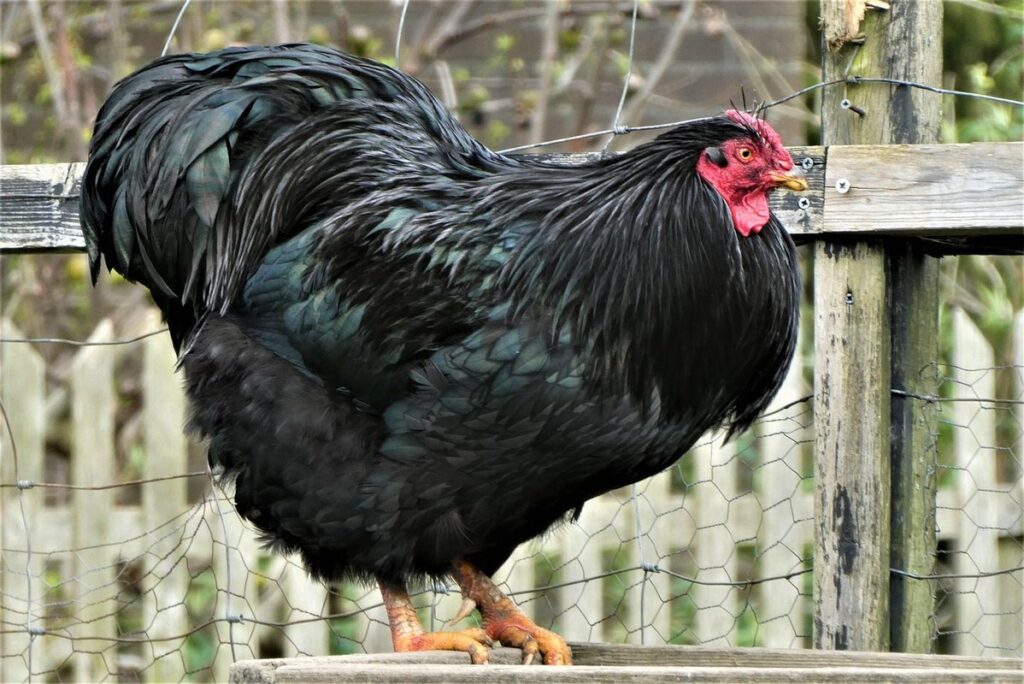
When it comes to identifying Blue Australorps, their unique physical characteristics are one of the most noticeable traits. The breed’s plumage is a key identifier, as they have a striking blue sheen to their feathers. This distinctive coloration can range from a pale sky blue to a deep navy, depending on individual birds and breeding lines.
In terms of body type, Blue Australorps are known for being sturdy and compact, with a medium-sized build that is well-suited to their egg-laying abilities. They have a broad chest, strong legs, and a moderate-length tail. Their comb and wattle are also typical of most chicken breeds, but the overall appearance of the bird is what sets them apart.
To the trained eye, these characteristics can make Blue Australorps easily recognizable among other breeds. However, it’s worth noting that some individuals may have slight variations in their coloring or body type due to genetic diversity within the breed.
Advantages of Keeping Blue Australorps
So, why keep Blue Australorps? These gentle giants offer a range of benefits to backyard chicken enthusiasts, making them an attractive addition to any flock.
Egg-Laying Capacity
One of the most significant advantages of keeping Blue Australorps is their exceptional egg-laying capacity. On average, a healthy Blue Australorp hen can lay around 280-300 large to extra-large brown eggs per year, making them one of the top-producing breeds in the world.
To put this into perspective, let’s consider the daily production rate. Studies have shown that Blue Australorps can produce an impressive 6-7 eggs per week, which translates to about 2-3 eggs per day. This is a remarkable feat, especially considering their relatively calm and docile nature.
When it comes to incorporating Blue Australorps into your flock, it’s essential to provide them with the necessary space and nutrition to maximize their egg-laying potential. A balanced diet rich in calcium and protein, coupled with regular access to fresh water and plenty of space for exercise, will go a long way in supporting their exceptional fertility.
In contrast to other breeds that may require specialized care or housing arrangements, Blue Australorps are relatively low-maintenance when it comes to egg production. Their hardiness and adaptability make them an excellent choice for backyard flocks, ensuring a steady supply of fresh eggs throughout the year.
Temperament and Hardiness
One of the primary reasons Blue Australorps have gained popularity among backyard flock owners is their exceptional temperament. These birds are known for being friendly, docile, and easy-going, making them an excellent choice for families with children or for those living in urban settings where space is limited. Their calm nature allows them to thrive in smaller spaces, such as backyards or even balconies.
Blue Australorps are also remarkably hardy, which means they can adapt well to various climates and environments. They are relatively low-maintenance birds that require minimal fuss and care, making them perfect for small farms or urban settings where resources may be limited. Their robust constitution also makes them less prone to illnesses and diseases, reducing the need for costly vet visits.
This unique combination of temperament and hardiness has made Blue Australorps a favorite among flock owners who value their easy-going nature and resilience.
Breeding Blue Australorps: Tips and Considerations
When it comes to breeding Blue Australorps, you’ll want to consider several factors that will ensure a healthy and successful hatch, including selecting suitable parents and maintaining a controlled environment. This section shares essential tips for breeders of all levels.
Understanding the Genetics of Color
When it comes to breeding Blue Australorps, understanding the genetics behind their distinctive coloration is crucial. The blue color in these birds is a result of the interaction between two types of genes: dominant and recessive.
To start with, let’s clarify that the genetics of plumage coloration involve multiple genes working together. However, the blue color in Australorps is primarily attributed to the extension gene (E), which codes for the production of melanin. The extension gene has an allele that leads to dilution of the pigment, causing the blue color.
When it comes to breeding Blue Australorps, you need to be aware that these birds are carriers of the blue gene. In order to produce Blue chicks, both parents must carry the recessive blue gene (Bb) and express the dominant extension gene (EE). If one parent does not have the recessive gene, the offspring will inherit a mix of colors.
To increase your chances of producing Blue Australorps, make sure to work with birds that have been tested for their genetic makeup. This is particularly important if you’re looking to breed these birds on a large scale or create new bloodlines.
Selecting Breeding Stock
When selecting breeding stock for Blue Australorps, it’s essential to consider several key factors. First and foremost, look for birds with excellent temperament – a calm and friendly nature is crucial when breeding chickens that will thrive in the backyard or on the farm.
A good breeder will also prioritize strong genetics, which means identifying parents that exhibit desirable traits such as high egg production, robust health, and vibrant plumage. Consider the overall conformation of the birds, including their posture, feathering, and overall appearance. You’ll want to identify individuals with a sturdy build, well-set wings, and a balanced profile.
Pay attention to the birds’ egg-laying abilities – you’re looking for parents that are prolific layers, producing an average of 250-300 large brown eggs per year. Also, consider their feather quality – Blue Australorps should have a glossy, iridescent sheen to their feathers. When selecting breeding stock, it’s also crucial to consider inbreeding and outbreeding risks – prioritize birds from reputable breeders or bloodlines with minimal genetic duplication.
Look for birds that are 18-24 months old and have had some breeding experience; this will help you gauge their reproductive performance and overall health. With the right breeding stock, you’ll be well on your way to raising healthy, high-quality Blue Australorps that excel in egg production and charm with their striking good looks.
Caring for Blue Australorp Chickens: Health, Nutrition, and More
When it comes to raising happy and healthy Blue Australorps, providing proper care is crucial. This section will cover essential tips on health, nutrition, and more to ensure your flock thrives.
Nutritional Requirements
When it comes to feeding your Blue Australorp chickens, understanding their nutritional requirements is crucial for maintaining their optimal health and egg production. These birds are known for their high egg-laying abilities, so a well-balanced diet that supports this trait is essential.
A study by the Poultry Science Journal found that Blue Australorps require a diet rich in protein (around 16-18% for layers) to support their high egg production. In addition to protein, your flock will also need adequate amounts of calcium and phosphorus to maintain strong bone health and eggshell quality. Laying hens like Blue Australorps should have access to grit at all times to help with digestion.
In terms of specific dietary needs, consider the following:
• Crude protein content: 16-18%
• Calcium content: 3.5-4.0%
• Phosphorus content: 1.2-1.5%
To ensure your flock is receiving the necessary nutrients, provide a high-quality commercial layer feed as their main staple, supplemented with fresh fruits and vegetables to add variety and fiber. Avoid over-supplementing with calcium, as this can lead to kidney stones.
Common Health Issues
As you care for your Blue Australorp chickens, it’s essential to be aware of common health issues that can affect this breed. Respiratory problems are a frequent concern, particularly during times of stress or when the flock is exposed to harsh weather conditions. You may notice symptoms such as labored breathing, coughing, or wheezing in affected birds.
Another issue you should watch out for is internal parasites like worms and mites. These can cause weight loss, lethargy, and decreased egg production in your hens. Regular deworming treatments and maintaining a clean coop environment can help prevent infestations. Additionally, make sure to monitor your flock’s overall health by keeping an eye on their droppings and behavior.
To mitigate these risks, ensure proper ventilation in the coop, provide adequate space for exercise, and maintain a balanced diet that includes essential nutrients like calcium and protein. By taking proactive measures and staying vigilant, you can reduce the likelihood of health issues arising in your Blue Australorp flock.
Housing and Enrichment for Blue Australorp Chickens
When it comes to providing a happy and healthy home for your Blue Australorps, proper housing and enrichment are crucial. This section covers essential tips on creating an ideal environment for your feathered friends.
Coop Design and Layout
When designing a coop for your Blue Australorp chickens, several key considerations come into play. Firstly, ventilation is crucial to prevent ammonia buildup and maintain a healthy respiratory environment. Ensure the coop has adequate airflow through windows, vents, or other openings that allow air to circulate freely.
In terms of lighting, natural light is always preferred, but supplemental lighting may be necessary during darker months or in areas with limited sunlight. Consider using LED lights, which are energy-efficient and produce minimal heat. Aim for a total light exposure of around 14 hours per day, as this promotes optimal egg production and overall well-being.
Predator protection is also vital, especially if you’re raising your flock outdoors. Implement measures such as secure fencing, hardware cloth, or chicken wire to prevent predators from accessing the coop. Consider elevating the coop off the ground using legs or a platform to further deter predators like foxes or raccoons.
Foraging and Exercise Opportunities
Providing enrichment activities and exercise opportunities is crucial for the physical and mental well-being of Blue Australorp chickens. These birds are bred for egg-laying, but they also require stimulation to prevent boredom, stress, and health issues.
One way to provide exercise is by incorporating a spacious run into their coop design. This allows them to roam freely, engage in natural behaviors like pecking and scratching, and get some much-needed physical activity. Aim for at least 10 square feet of outdoor space per bird, with adequate shelter from the elements.
Foraging activities can also be an excellent way to stimulate your Blue Australorp chickens’ minds and bodies. Offer them a variety of treats, such as sunflower seeds, oats, or fresh vegetables, to forage through. You can hide these treats around their coop or run to create a scavenger hunt-like experience. This will challenge their problem-solving skills and encourage physical activity.
Some examples of enriching activities you can try with your Blue Australorp chickens include:
• Creating a dust bath area with sand or soil
• Providing perches for climbing and roosting
• Rotating toys and objects to keep them interesting
• Offering new sights, smells, and textures
By incorporating these enrichment activities into their daily lives, you’ll be promoting the overall health and happiness of your Blue Australorp chickens.
Conclusion: Why You Should Consider Keeping Blue Australorps
As we wrap up our comprehensive guide, you might be wondering if keeping blue Australorp chickens is right for you and your backyard flock. Let’s summarize the benefits of owning these lovable birds.
Summary of Key Points
In summary, Blue Australorps have proven themselves to be an excellent choice for backyard chicken keepers. Their high egg-laying capabilities, friendly temperament, and striking blue plumage make them a popular breed among enthusiasts. As we’ve discussed throughout this guide, they are known for their exceptional fertility rates and ability to lay large brown eggs.
We’ve also explored the importance of considering individual bird personalities when selecting breeding stock or integrating new birds into your flock. This approach will help you build a harmonious and healthy flock that’s better equipped to thrive in challenging conditions.
Additionally, we’ve touched on the benefits of Blue Australorps as a heritage breed, highlighting their potential for conservation and preservation efforts. By keeping these magnificent birds, you’re not only gaining a rewarding companion but also contributing to the preservation of this unique genetic lineage. With proper care and attention, your Blue Australorps will continue to thrive and bring joy to your backyard flock for years to come.
Final Thoughts and Recommendations
If you’re still with me after reading through this comprehensive guide on Blue Australorps, I hope it’s clear just how wonderful these birds are. If you’re new to poultry farming or simply looking to add some unique personalities to your backyard flock, I want to encourage you to give Blue Australorps a try.
First and foremost, their striking blue feathers make them a conversation starter in any yard or farm. But beyond their looks, they offer a range of benefits for the serious breeder or casual hobbyist alike. Their moderate size makes them perfect for smaller spaces, while their friendly and docile nature ensures they’ll be a joy to handle.
If you’re worried about finding Blue Australorps, don’t be – many breeders now specialize in these birds, offering them for sale through online listings and local shows. With patience and dedication, you can develop your own flock from scratch or find a reputable breeder to help guide you on the journey.
As you start your new adventure with Blue Australorps, remember: they thrive on social interaction, regular exercise, and balanced nutrition. Take these tips to heart and watch them flourish in their new environment – I promise you won’t regret it!
Frequently Asked Questions
Can I keep Blue Australorps with other breeds?
Blue Australorps are known to be friendly and docile, making them an excellent choice for a mixed flock. However, it’s essential to introduce them slowly and under close supervision to ensure a harmonious coexistence. With proper introduction and management, they can thrive alongside other breeds.
How long does it take for Blue Australorps to mature?
Blue Australorps typically take around 18-20 weeks to reach full maturity. During this period, provide them with a nutritious diet, plenty of space, and regular health checks to ensure they develop into healthy adults.
What are the optimal housing conditions for Blue Australorps?
When building or designing your coop, consider providing at least 3-4 square feet of interior space per bird, along with adequate ventilation and protection from predators. This will help keep your Blue Australorps happy, healthy, and thriving.
Can I breed Blue Australorps if I’m a beginner?
Breeding chickens can be complex, and it’s not recommended for beginners. It requires a deep understanding of genetics, breeding principles, and health considerations. If you’re new to chicken keeping, focus on learning the basics before attempting to breed your flock.
How do I determine the sex of my Blue Australorps chicks?
Determining the sex of chicks can be challenging, but it’s essential for responsible breeding practices. Look for visual cues such as feather length, comb size, and wattles to estimate the sex of your chicks. However, keep in mind that accurate sex determination requires experience and may not always be possible.