
Are you fascinated by the beauty and uniqueness of backyard chickens? Look no further than the stunning Blue Laced Red Wyandotte! This breed has been a favorite among chicken enthusiasts for decades, prized for its striking appearance and friendly disposition. But what sets this bird apart from others in the coop?
In this comprehensive guide, we’ll delve into the fascinating history of the Blue Laced Red Wyandotte, exploring how this breed originated and developed its distinctive characteristics. We’ll also cover the essential care tips you need to know to keep your flock healthy and thriving, including diet, habitat, and health considerations. Whether you’re a seasoned chicken owner or just starting out, our guide will provide you with everything you need to make the most of your Blue Laced Red Wyandotte experience.
History of the Breed
The Blue Laced Red Wyandotte has a rich and fascinating history that spans centuries, originating from a cross between the Golden Campine and the Silver Campine breeds. Let’s take a closer look at their origins.
Origins and Development
The blue laced red wyandotte breed has its roots in the early 20th century, when American poultry enthusiasts began experimenting with different breeds to create unique and attractive varieties. The exact origin of the blue laced red wyandotte is unclear, but it’s believed to have been developed by crossing the Golden Wyandotte with other breeds such as the Silver Wyandotte and the Black Java.
One notable breeder who contributed significantly to the breed’s development was Carl J. Brehm, a renowned poultry expert from Wisconsin. In 1914, Brehm introduced his own line of blue laced red wyandottes, which quickly gained popularity among poultry enthusiasts due to their striking appearance and exceptional egg-laying abilities.
The early development of the breed was also influenced by the American Poultry Association (APA), which recognized the blue laced red wyandotte as a distinct breed in 1914. This recognition helped to standardize the breed’s characteristics and paved the way for its widespread adoption among backyard chicken keepers. Today, the blue laced red wyandotte remains a beloved breed among poultry enthusiasts due to its unique appearance and friendly temperament.
Evolution of the Breed Standard
The breed standard for Blue Laced Red Wyandottes has undergone significant changes over time. In the early 20th century, when this breed was first developed, it had a more striking blue-lace pattern on its hackle and saddle feathers. However, as the breed gained popularity, breeders began to prioritize a more intense red coloration, leading to a decline in the distinctive blue-lace pattern.
In response to concerns from enthusiasts about the loss of this unique characteristic, some breeders have worked to reintroduce the original blue-lace pattern through selective breeding. This effort has resulted in a small but dedicated group of breeders who are committed to preserving the breed’s heritage.
Today, there is no single “official” breed standard for Blue Laced Red Wyandottes, as the breed is not yet recognized by major poultry associations like the American Poultry Association (APA). However, many enthusiasts and breeders follow a modified version of the APA’s Standard for Silver-Campbell Wyandottes, with some key modifications to reflect the blue-lace pattern.
Preservation Efforts and Breeder Communities
To ensure the blue laced red wyandotte breed continues to thrive, dedicated breeders and enthusiasts have established preservation efforts. One key initiative is breeding programs focused on maintaining the breed’s unique characteristics. These programs involve selectively breeding birds with desirable traits, such as rich plumage patterns and docile nature.
Many registries, like the American Bantam Association (ABA) and the American Poultry Association (APA), also play a crucial role in preserving the blue laced red wyandotte breed. These organizations establish and maintain breed standards, which help ensure consistency within the breed. By registering their birds with these associations, breeders can demonstrate their commitment to upholding the breed’s integrity.
Online communities have also become essential for preserving this breed. Social media groups and forums allow enthusiasts to share knowledge, resources, and expertise. Breeders can connect with others who are passionate about the blue laced red wyandotte, facilitating collaboration and mutual support. By leveraging these platforms, breeders can stay informed about best practices, address common challenges, and promote the breed’s well-being.
Characteristics of Blue Laced Red Wyandottes
One of the most distinctive features of blue laced red wyandottes is their striking plumage, which sets them apart from other breeds. But what exactly makes this breed so unique?
Physical Characteristics
The blue laced red wyandotte is a stunning breed known for its vibrant plumage and impressive physical characteristics. In terms of size, hens typically weigh between 6-8 pounds, while roosters tip the scales at around 9-11 pounds. This medium to large-sized breed boasts a sturdy build and strong legs, perfect for scratching and strutting around the yard.
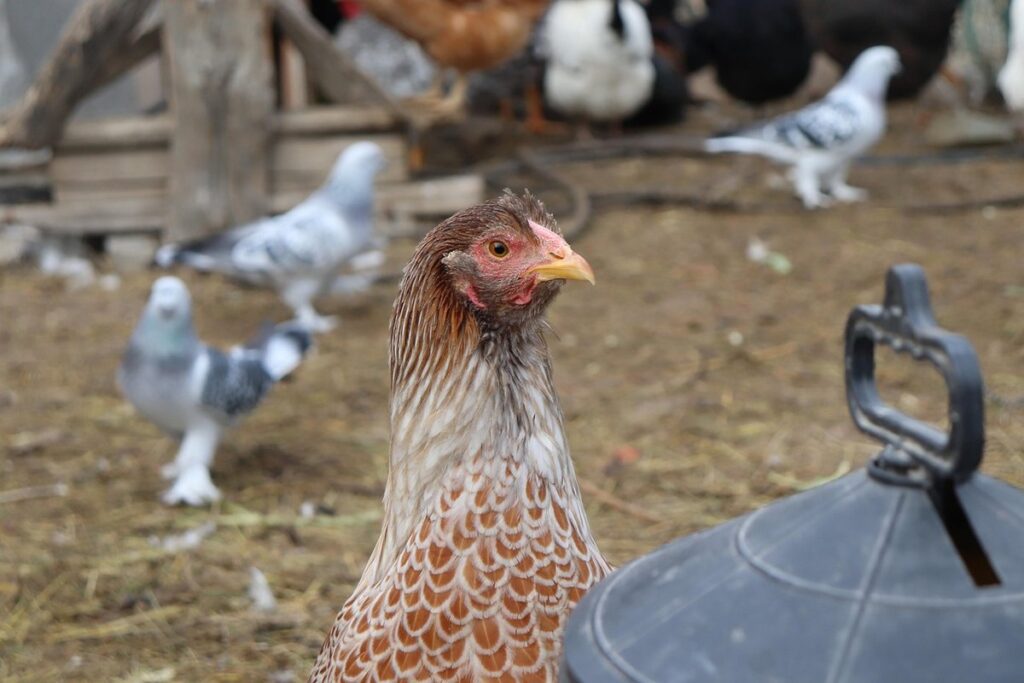
One of the most distinctive features of the blue laced red wyandotte is its plumage. Hens display a beautiful mix of red, gold, and copper hues, with a subtle sheen to their feathers. Roosters, on the other hand, showcase a more vibrant and intense coloration, with a striking blue lace pattern running along their neck, wings, and tail.
In terms of beak shape, the blue laced red wyandotte has a strong, curved beak that’s well-suited for pecking at grain and seeds. Their legs are long and slender, with clean, slate-blue feet that add to their overall elegance.
Interestingly, some breeders have developed variations within the blue laced red wyandotte breed, such as the “blue-lace-less” or “gold-penciled” varieties. These unique birds offer a twist on the classic breed, but still retain its signature charm and character.
Temperament and Personality
Blue Laced Red Wyandottes are known for their exceptional temperament and personality traits, making them an ideal choice for backyard flocks and families with children. These birds are highly intelligent and curious, often described as “dog-like” in their behavior around people. They are naturally friendly and social, thriving on interaction and attention from their owners.
When it comes to friendliness, Blue Laced Red Wyandottes are renowned for their affectionate nature. They love to be around people and will often seek out human companionship, nuzzling and cuddling with their owners. In fact, some owners have reported that their Blue Laced Reds will even follow them around the house, eager to be part of whatever activity is taking place.
In terms of social behavior, these birds are generally harmonious with other animals in the flock, especially when raised together from a young age. However, as with any breed, proper introduction and socialization are essential to ensure a smooth transition into their new home. With patience and attention, Blue Laced Red Wyandottes can become valued members of any backyard flock, providing endless entertainment and joy for years to come.
Egg-Laying Abilities
Blue Laced Red Wyandottes are known for their exceptional egg-laying abilities. On average, a healthy hen will produce around 200-220 large brown eggs per year. The eggs themselves are typically a rich brown color and are medium to large in size. In comparison to other breeds, the Blue Laced Red Wyandotte is considered a high producer, ranking among the top five breeds for egg production.
One of the key factors contributing to their impressive laying abilities is their robust constitution. They have a sturdy build and are well-suited to withstanding the demands of frequent egg-laying. Additionally, they are relatively low-maintenance when it comes to feeding, requiring less energy-rich food than some other breeds. To get the most out of your Blue Laced Red Wyandotte’s laying abilities, be sure to provide a balanced diet that includes plenty of fresh fruits and vegetables.
When choosing from various chicken breeds, consider the following: if you’re looking for a consistent layer, the Blue Laced Red Wyandotte is an excellent choice.
Breeding Blue Laced Red Wyandottes
Breeding Blue Laced Red Wyandottes requires a deep understanding of genetics and careful selection, which we’ll break down in detail to help you get started successfully. If you’re new to breeding, this is essential reading to ensure your flock’s health and diversity thrive.
Choosing a Breeder or Hatchery
When it comes to purchasing blue laced red wyandotte chicks or hatching eggs, choosing a reputable breeder or hatchery is crucial for the health and well-being of your birds. Look for breeders who have extensive experience with the Blue Laced Red Wyandotte breed and can provide documentation to support their claims.
Consider the breeding philosophy of the breeder. Do they prioritize quality over quantity? Are they focused on maintaining the breed’s original characteristics, or are they more concerned with producing chicks that meet specific market demands? Researching a breeder’s reputation online, reading reviews from other customers, and asking for referrals can help you make an informed decision.
A reputable breeder will also be transparent about their breeding practices, including health testing, vaccination protocols, and genetic diversity. They should be able to provide detailed information about the parents of the chicks you’re interested in purchasing, as well as any guarantees or warranties they offer.
When evaluating a hatchery, look for one that has been around for several years and has a good reputation among poultry enthusiasts. Check online reviews, ask for referrals from other customers, and research their Better Business Bureau rating. A reputable hatchery will also provide detailed information about the chicks you’re purchasing, including documentation on parentage, health status, and genetic testing.
Ultimately, it’s essential to do your research and choose a breeder or hatchery that aligns with your values and priorities as a poultry owner. By doing so, you’ll be more likely to receive healthy, well-socialized birds that will thrive in your care.
Health Considerations in Breeding
When breeding Blue Laced Red Wyandottes, it’s essential to be aware of potential health issues that can arise. One common problem is Marek’s disease, a viral infection that affects the nervous system and immune system of young chickens. As a breeder, you’ll want to keep an eye out for symptoms such as lethargy, loss of appetite, and labored breathing.
Another concern is reproductive health. Hens may experience issues with egg production, fertility, or egg binding, which can be caused by factors like nutrition, stress, or genetics. Regular check-ups with a veterinarian can help identify any underlying problems early on.
To ensure the health of your breeding stock, it’s crucial to implement good management practices. This includes maintaining clean and spacious living conditions, providing a balanced diet, and monitoring for signs of illness or stress. By being proactive and aware of potential health issues, you can help minimize the risk of problems arising in your Blue Laced Red Wyandotte flock.
Regular vaccinations and parasite control measures are also vital to prevent disease outbreaks. Additionally, keeping accurate records of breeding history, fertility rates, and mortality levels can aid in identifying any genetic or environmental factors contributing to health issues.
Genetic Diversity and Lineage Preservation
When breeding blue laced red wyandottes, it’s essential to prioritize genetic diversity and lineage preservation. A diverse gene pool is crucial for maintaining the health and vitality of your flock, as well as ensuring the continued improvement of the breed.
Genetic diversity refers to the presence of a wide range of genes within a population, which allows for adaptability and resilience in the face of disease or environmental stressors. Without genetic diversity, a population becomes vulnerable to extinction due to the loss of beneficial traits.
To maintain a healthy and diverse gene pool, consider the following strategies:
* Introduce new bloodlines through intentional breeding programs or purchasing from reputable breeders
* Rotate your rooster every 2-3 years to prevent inbreeding and promote genetic diversity
* Consider participating in national and regional shows to network with other breeders and gain access to new genetics
By prioritizing genetic diversity, you’ll not only safeguard the long-term health of your flock but also contribute to the continued improvement and preservation of the blue laced red wyandotte breed.
Caring for Blue Laced Red Wyandottes
When it comes to keeping your Blue Laced Red Wyandottes happy and healthy, proper care is essential. Here, we’ll cover their specific needs and offer expert tips for providing top-notch care.
Nutrition and Diet
Blue laced red wyandottes are active birds that require a balanced diet to maintain their overall health and well-being. A good quality layer feed should form the basis of their diet, but it’s essential to provide supplements to ensure they get all the necessary nutrients. Calcium and protein are particularly important for these birds, as they can be prone to reproductive issues if their diets are lacking.
You can offer oyster shells or crushed eggshells as a calcium supplement, and consider adding mealworms or suet to boost their protein intake. It’s also crucial to ensure access to fresh water at all times, changing it regularly to prevent bacterial growth. Some owners choose to add probiotics to their birds’ diets, which can help support gut health.
When selecting supplements, be sure to choose products specifically formulated for poultry, as human-grade supplements can be toxic to birds. Also, avoid over-supplementing, as this can lead to digestive issues and other problems. A good rule of thumb is to introduce new foods gradually, monitoring your bird’s response before making any significant changes to their diet.
Health Maintenance and Prevention
As an owner of Blue Laced Red Wyandottes, maintaining their health is crucial to ensure they live long and happy lives. Regular check-ups with a veterinarian are essential for monitoring their overall health, detecting potential issues early on, and providing guidance on care.
At least once a year, schedule a comprehensive veterinary exam to include vaccinations, parasite control, and health checks. Vaccinations will protect your birds from common diseases such as Newcastle disease and avian influenza. For internal parasites like mites, lice, or worms, use deworming medication according to the product’s instructions.
To prevent external parasites, maintain good hygiene in the coop by providing a clean environment with adequate ventilation. Remove soiled bedding regularly, disinfect surfaces with a 3% bleach solution, and wash your hands thoroughly after handling your birds. Regularly inspect your flock for signs of illness, injury, or stress, such as changes in appetite, droppings, or feather condition.
Monitoring temperature fluctuations can also be beneficial to their health. It’s recommended to keep the coop between 40°F and 80°F (4°C and 27°C). Be aware that extreme temperatures, drafts, and humidity levels can cause discomfort and weaken your birds’ immune system.
Regular trimming of nails and beaks is necessary for maintaining proper balance, preventing overgrowth, and ensuring good health. To maintain a healthy weight and prevent obesity, provide a balanced diet that includes a variety of fruits, vegetables, and grains in moderation.
As with any flock management decision, consider factors like the number of birds you have, their age, sex, and breed, as well as your local climate and region’s specific health concerns.
Environmental Enrichment and Space Requirements
When it comes to providing a happy and healthy environment for your Blue Laced Red Wyandottes, environmental enrichment is crucial. These beautiful birds need space to roam, stretch their wings, and engage in natural behaviors like foraging and scratching.
In terms of space requirements, a good rule of thumb is to provide at least 5 square feet of floor space per bird, with plenty of room for them to fly around. You’ll also want to ensure that your coop has adequate ventilation, insulation, and protection from the elements. Consider adding some fun features like perches, swings, or even a play area outside the coop.
Lighting is another essential aspect of environmental enrichment for Blue Laced Red Wyandottes. They require a balance between natural light and artificial lighting to maintain their circadian rhythms. Provide a photoperiod of 14 hours of light and 10 hours of darkness, using LED lights or a combination of natural and artificial light sources.
Temperature control is also vital, as these birds are sensitive to extreme temperatures. Keep the coop well-ventilated to prevent overheating, but also provide enough insulation to maintain a comfortable temperature range between 40°F and 80°F (4°C and 27°C).
Finally, social interaction is crucial for Blue Laced Red Wyandottes. They’re social birds that thrive in flocks, so consider getting at least two birds together or introducing them to other calm birds. With proper care and attention to their environmental enrichment needs, your Blue Laced Red Wyandottes will flourish and become beloved members of your flock.
Frequently Asked Questions
How do I ensure the health and well-being of my Blue Laced Red Wyandotte flock?
To keep your birds healthy, provide a balanced diet that includes high-quality layer feed, fresh vegetables, and clean water. Ensure adequate space for movement and exercise, and maintain a clean coop with proper ventilation.
What are some common health issues I should be aware of in Blue Laced Red Wyandottes?
Be on the lookout for respiratory problems, mites, and lice. Regularly inspect your birds’ droppings, feathers, and overall behavior to catch any potential issues early. Consult a veterinarian experienced with backyard chickens if you notice any unusual symptoms.
Can I breed Blue Laced Red Wyandottes myself, or is it best to work with an established breeder?
While it’s possible to breed Blue Laced Red Wyandottes yourself, working with an experienced breeder can ensure genetic diversity and help preserve the breed’s integrity. If you’re new to breeding, consider partnering with a reputable breeder to learn from their expertise.
How do I choose the right nutrition for my Blue Laced Red Wyandottes?
Feed your birds a high-quality layer feed that meets their nutritional needs, supplemented with fresh fruits and vegetables. Avoid overfeeding, as this can lead to health problems. Consider consulting with a poultry expert or veterinarian to determine the best diet for your flock.
Can I keep Blue Laced Red Wyandottes in a small backyard coop?
While it’s possible to keep these birds in smaller spaces, ensure they have enough room to move around and exercise. Aim for at least 2-4 square feet per bird inside the coop, and provide an enclosed run or area for outdoor activity. This will help maintain their health and happiness.