
Are you wondering how to manage your broody hen and successfully hatch her eggs? You’re not alone. Many backyard chicken keepers face this challenge, but with the right knowledge and guidance, it’s entirely possible to increase your chances of hatching healthy chicks.
As an experienced chicken keeper, I’ve learned that a broody hen can be both a blessing and a curse. On one hand, she’s eager to incubate her eggs and care for her young. But on the other hand, if not managed correctly, this behavior can lead to issues like infertility, egg binding, or even death.
In this comprehensive guide, we’ll delve into the world of broody hens and share expert advice on identifying the causes of broodiness, setting up a safe and healthy environment for your hen, and successfully incubating eggs.
Understanding Broody Hens
When it comes to broody hens, understanding their behavior and instincts is crucial for a successful hatch. This section will delve into the world of these fascinating birds and what drives them to go broody in the first place.
What is a Broody Hen?
A broody hen is a hen that has taken on the instinct to incubate and hatch her eggs. This behavior is characterized by a significant change in the hen’s demeanor, including increased nesting behavior, aggression towards other birds, and a persistent desire to sit on eggs. Broodiness can be triggered by various factors, including genetics, environment, and hormonal changes.
When a broody hen takes over an existing nest, she will claim it as her own and aggressively defend it from any perceived threats. This behavior is often accompanied by a decrease in egg-laying, as the hen redirects her energy towards incubation and nurturing. A broody hen’s primary goal is to hatch eggs successfully, and she will do everything in her power to achieve this.
Identifying a broody hen can be challenging, but look for signs such as frequent visits to the nesting box, excessive clucking, or aggressive behavior when approached. If you’re unsure whether your hen has gone broody, monitor her behavior closely and observe any changes in her egg-laying habits.
Causes of Broodiness in Chickens
Broodiness in chickens can be triggered by a combination of environmental factors, genetic predisposition, and hormonal changes. Environmental influences such as stress, nutrition, and access to light play a significant role in inducing broodiness.
For example, a sudden change in lighting, whether it’s too much or too little, can cause a hen to become broody. Similarly, stress caused by overcrowding, loud noises, or even the introduction of new birds to the flock can trigger broodiness. Nutritional deficiencies, particularly a lack of adequate protein and calcium, have also been linked to increased broodiness.
Genetic predisposition is another factor that contributes to broodiness in chickens. Some breeds are more prone to becoming broody due to their genetic makeup. For instance, Orpingtons, Brahma, and Plymouth Rock are known to be more likely to go broody than other breeds.
Hormonal changes also play a crucial role in triggering broodiness. The release of prolactin, a hormone responsible for milk production in mammals, is the primary trigger for egg-laying to stop and the onset of broodiness in hens. This hormonal shift can be triggered by factors such as the presence of a fertile egg or changes in daylight hours.
To minimize the occurrence of broodiness, it’s essential to maintain a stress-free environment, provide adequate nutrition, and ensure that your flock has access to sufficient light.
Identifying a Broody Hen
Identifying a broody hen can be a challenging task, but by knowing the signs to look out for, you’ll be able to recognize when one of your hens is getting ready to incubate eggs. As a broody hen begins to prepare for motherhood, she’ll start pacing back and forth in her coop or run, often with an anxious expression on her face. She may also begin to vocalize more frequently, making loud clucking noises as she tries to signal to the other hens that it’s time to get ready to lay eggs.
Another common sign of a broody hen is her nesting behavior. Broody hens will often choose a specific spot in their coop or run and spend hours sitting on it, fluffing out their feathers and making themselves as comfortable as possible. This can be an indication that she’s preparing to sit on actual eggs soon.
Some hens are more prone to broodiness than others, but with attention to these signs, you’ll be able to identify your flock members before they start attempting to incubate eggs. By recognizing the early warning signs, you can take steps to intervene and prevent potential health risks associated with prolonged broodiness.
Preparing Your Flock for Hatching
Before you bring home fertile eggs, it’s essential to prepare your flock by introducing new birds and ensuring they’re healthy enough for breeding. This process will help create a harmonious and safe environment for hatching.
Creating a Suitable Environment
Creating a suitable environment for your brood is crucial to ensure a safe and successful hatching experience. A well-prepared incubation area will not only increase the chances of healthy chicks but also help reduce stress on both you and the mother hen.
When setting up the incubation area, temperature control is essential. You’ll want to maintain a consistent temperature between 99°F (37°C) and 100°F (38°C) during the first 24 hours after transferring the eggs from the broody hen. A temperature drop of just 1-2°F (0.5-1°C) can affect embryonic development, so it’s vital to have a reliable thermometer and heating source on hand.
Humidity management is also crucial in the incubation area. Aim for a relative humidity level between 40% to 60%. You can achieve this by misting the area with water daily or using a humidifier. Proper ventilation is equally important, so ensure good airflow to prevent the buildup of carbon dioxide and other gases.
Remember, it’s not just about setting up an incubation area; it’s also about creating a comfortable space for your broody hen. Provide adequate lighting, food, and water, and make sure she has enough space to move around without feeling confined.
Managing the Broody Hen’s Behavior
As your broody hen settles into her nesting box, you’ll likely notice changes in her behavior. To manage this behavior and ensure a smooth hatching process, it’s essential to establish clear boundaries and provide the right environment.
One effective strategy is to create separate nesting areas for each hen. This will prevent her from dominating other birds and reduce stress on the flock. You can do this by providing multiple boxes or designating specific areas as brooding zones. Make sure these areas are well-ventilated, comfortable, and easy to clean.
Another approach is to use visual barriers to limit your broody hen’s access to certain areas of the coop. You can place screens, dividers, or even a towel over the nesting box entrance to block her view and prevent her from stressing out other birds. This method also allows you to monitor her behavior closely without compromising her safety.
By implementing these strategies, you’ll be better equipped to manage your broody hen’s behavior and create a peaceful environment for hatching eggs.
Understanding Flock Dynamics
When a broody hen is incubating eggs, it’s essential to minimize stress and disruption in the flock. A stressed or anxious bird can lead to poor egg fertility, reduced hatch rates, and compromised chick health.
To maintain a calm environment, monitor your broody hen’s behavior closely. If she becomes agitated or aggressive, separate her from the rest of the flock temporarily. This will prevent any potential conflicts and allow her to focus on incubation.
It’s also crucial to provide a quiet and safe space for your broody hen to hatch her eggs. Move her nesting box away from high-traffic areas and noise sources like feeding troughs or waterers. A peaceful environment will help reduce stress levels in the flock, ensuring that all birds can coexist harmoniously during this critical period.
By taking these simple steps, you’ll create a serene atmosphere conducive to successful hatching and happy, healthy chicks.
Collecting and Incubating Eggs
Now that you have a broody hen, it’s time to collect her eggs safely and incubate them properly to increase your chances of successful hatching. We’ll walk you through the process step-by-step.
Choosing Healthy Eggs
When choosing eggs for incubation with your broody hen, it’s essential to select healthy eggs that will increase the chances of successful hatching. First and foremost, check the egg size. A larger egg doesn’t necessarily mean a healthier one. Ideally, you want eggs that are around 50-60 grams in weight, as these are more likely to have developed properly.
Next, inspect the shape and cleanliness of the egg. Look for any visible cracks or breaks on the shell surface. Cracked eggs can be susceptible to bacterial contamination, which may harm your chicks. A clean egg should also indicate good hygiene practices by the breeder. A slightly dirty egg is often not a concern, but if you notice any mold or visible staining, it’s best to avoid that particular egg.
It’s also crucial to choose eggs from healthy and disease-free chickens. Consider buying from reputable breeders who practice good hygiene and health checks on their birds.
Preparing Eggs for Incubation
Preparing eggs for incubation is a crucial step that can make all the difference in the success of your hatch. Before placing them under your broody hen or into an incubator, you’ll want to ensure they’re clean and free from any imperfections.
Start by washing the eggs in warm water to remove any dirt or debris from the surface. Be gentle, as rough handling can damage the eggshell. A soft-bristled brush or a clean cloth will work perfectly for this task. Next, dry the eggs thoroughly with a clean towel or let them air-dry. This step is essential to prevent bacterial growth and contamination.
Candling is another critical process that involves shining a light through the egg to inspect its contents. It’s usually done around 7-10 days into incubation. Use a candle or LED light source specifically designed for candling, and gently place the egg on a flat surface. This will help you detect any potential issues with fertility or embryo development.
Remember, clean eggs are happy eggs! By following these simple steps, you’ll be well on your way to a successful hatch.
Incubator Setup and Maintenance
Setting up an incubator is a crucial step in hatching eggs successfully. To create a conducive environment for egg development, it’s essential to get the temperature right. Most modern incubators come with precise temperature control systems that can be set between 99°F and 100°F (37°C to 38°C). However, some older models or DIY setups might require more manual adjustments.
It’s also vital to maintain a stable humidity level within the incubator, typically around 50-60%. You’ll need to ensure the water reservoir is filled and the evaporation trays are clean to prevent the buildup of condensation. Regularly check the temperature and humidity levels using a thermometer and hygrometer to make necessary adjustments.
Turning eggs is another critical aspect of incubation. Most incubators come with automatic turners that rotate the eggs at set intervals (usually 2-3 times an hour). If your incubator doesn’t have this feature, you’ll need to manually turn the eggs 5-7 times a day. This ensures even development and prevents adhesion to the eggshell.
In addition to these basics, regular cleaning and maintenance of the incubator are crucial. Always wash your hands before handling the eggs or equipment, and disinfect any surfaces that come into contact with the eggs.
Monitoring Progress and Troubleshooting Issues
As you wait for those precious eggs to hatch, it’s essential to monitor your broody hen’s progress closely to ensure a smooth hatching process. This section will cover common issues and how to troubleshoot them.
Recognizing Signs of Fertilization
Recognizing signs of fertilization is crucial to ensure that your eggs are developing properly. As a broody hen owner, you’ll want to check for these indicators regularly, ideally around 7-10 days after incubation begins. One way to determine fertilization is by observing the size and shape of the air sac in the egg. A well-fertilized egg will have a smaller air sac or no air sac at all, whereas an unfertilized egg will have a larger air sac.
Another indicator is the rate of embryonic development. If you notice the eggs are developing rapidly, with visible growth and movement within 14 days, it’s likely they’re fertilized. Conversely, if there’s little to no growth, the eggs may be unfertilized or not developing as expected.
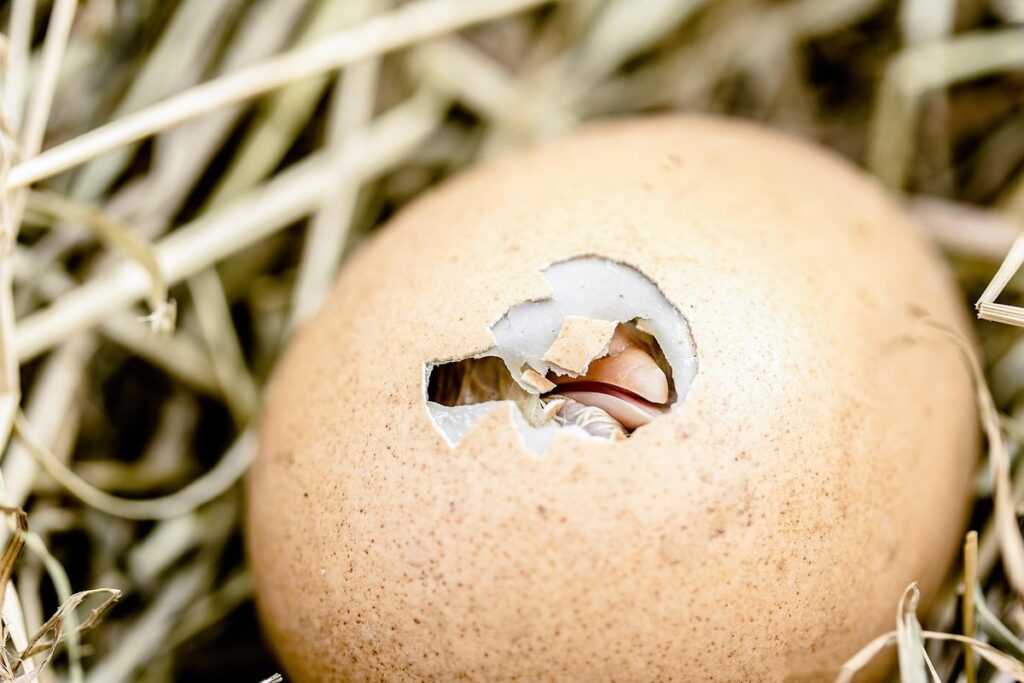
Keep an eye out for other signs such as pipping (the egg cracking open) and the emergence of the chick from the shell. A fertilized egg will typically pip between 18-21 days after incubation begins. If you notice any unusual growth patterns, it’s always best to err on the side of caution and consult with a poultry expert or veterinarian for guidance. Regular checks can help identify potential issues early on, ensuring the health and well-being of your broody hen and her chicks.
Identifying Common Problems
As you observe your broody hen’s incubation progress, it’s essential to identify common problems that may arise during this critical period. Temperature fluctuations are a significant concern, as they can significantly impact the health and viability of the developing embryos. A temperature range between 99°F and 100°F (37°C to 38°C) is ideal for most chicken breeds.
However, if your hen’s nesting box or incubator isn’t maintaining a stable temperature, you may need to intervene. For instance, if the temperature drops below 98°F (36.7°C), it can slow down development, while temperatures above 102°F (39°C) can be fatal for the embryos.
Maintaining optimal humidity levels is equally crucial. A relative humidity of 50-60% is usually sufficient, but this may vary depending on your climate and specific incubation setup. Inadequate humidity can lead to dehydration in the embryos, while excessive moisture can promote bacterial growth and contamination.
Regularly monitor your hen’s temperature and humidity settings to prevent these common issues from arising.
Troubleshooting and Intervention Strategies
When it comes to incubating eggs with a broody hen, unexpected issues can arise. Knowing how to identify and address these problems is crucial for successful hatching. Here are some common troubles that may occur and practical intervention strategies to help you troubleshoot:
Egg Turnovers and Positioning
Ensure the eggs are turned regularly by gently lifting and rotating them to their original position. If your broody hen doesn’t seem to be turning the eggs, intervene manually to avoid embryo death due to improper positioning.
Temperature Control
A consistent temperature between 99°F (37°C) and 100°F (38°C) is crucial for incubation. Monitor the coop’s thermometer to adjust as needed. Don’t hesitate to lower the temperature slightly if you notice your hen panting excessively or avoiding her nesting box.
Infection Prevention
Regularly inspect eggs for cracks, dirt accumulation, or unusual odors. If you suspect infection, carefully remove the affected egg from the nest and discard it to prevent contamination.
By being vigilant and prepared for potential issues, you’ll significantly increase your chances of successful hatching with a broody hen.
Hatching Day and Beyond
Now that your baby chicks have finally hatched, it’s time to focus on their transition from eggs to feathered friends, including introducing them to food and water. We’ll guide you through this crucial next step.
Recognizing Signs of Imminent Hatching
As you wait for the big moment, it’s essential to recognize signs that chicks are preparing to hatch. A broody hen’s instincts will start to kick in, and she’ll exhibit behaviors that indicate she’s getting ready to bring forth her precious babies. One of the most significant indicators is a change in the hen’s posture. She’ll often sit up straighter, puff out her feathers, and stretch her wings.
Another crucial sign is the softening of the eggshell. As the chick prepares to pip (break out of its shell), it will start to crack the shell from the inside out. You might notice a slight change in the appearance of the egg, especially around the air sac or the pointed end. This process can take anywhere from 24 to 48 hours.
Pay close attention to your broody hen’s behavior, as she may become more restless and pace back and forth in front of the nesting box. She might even try to push eggs out of the way or rearrange them. These actions indicate that she’s preparing for the hatch and wants to get ready for her new babies. Keep a close eye on these signs, and you’ll be better prepared for the exciting moment when your chicks finally emerge from their shells.
Assisting with Emergence
As you witness your broody hen’s determination to hatch her eggs, it’s essential to provide assistance during the emergence process. This is a critical stage where the chicks will pip (break out of their eggshells) and take their first breaths.
To create a safe environment for this delicate moment, ensure the nesting box is free from drafts and maintained at a comfortable temperature. A thermometer can help you gauge the ideal range between 90°F to 95°F (32°C to 35°C). Make sure the area is also well-lit, but not directly exposed to direct sunlight.
During emergence, your broody hen will likely become more anxious and restless. Gently supervise her, keeping a safe distance to avoid startling her or the chicks. If you notice any signs of distress or stress in either the mother or the chicks, intervene by providing a shallow dish of warm water for the chicks to access once they’ve piped.
As the chicks begin to emerge, maintain a quiet and calm atmosphere to reduce stress levels. Your assistance should be subtle, allowing the broody hen to do her job while ensuring everything goes smoothly.
Rearing Newly Hatched Chicks
Rearing newly hatched chicks requires careful attention to their nutritional needs, environmental conditions, and social interactions. Immediately after hatching, provide a safe and warm environment by placing the chick under a heat lamp or brooder, maintaining a temperature of around 90-95°F (32-35°C). Ensure the chick has access to food and water within the first few hours of hatching.
For feeding, use a starter feed specifically formulated for young chicks. You can also offer crushed eggshells as a calcium supplement to support bone growth. For brooding, make sure the area is draft-free and free from drafts that may cause stress or chilling.
Socialization techniques are essential for friendly and confident adult birds. Provide opportunities for chicks to interact with each other under close supervision, and ensure they have plenty of space to move around safely. Handling the chicks gently and regularly also helps them become tame and friendly.
Conclusion and Next Steps
Now that you’ve successfully hatched your eggs, let’s take a step back and review what you’ve learned to ensure a smooth and happy experience for both you and your flock. We’ll also discuss next steps and best practices for continued success.
Recap of Key Takeaways
As we conclude our comprehensive guide to broody hen hatching eggs, let’s recap the key takeaways to ensure you’re well-prepared for a successful experience. We’ve covered everything from recognizing the signs of a broody hen to safely incubating fertile eggs.
One crucial aspect is understanding that not all breeds are naturally inclined to go broody, so it’s essential to research your flock’s tendencies before attempting to induce a broody period. By knowing what to expect and how to encourage a broody state, you can avoid unnecessary stress for both the hen and her human caretakers.
Another critical point is maintaining cleanliness and hygiene during the incubation process. Regularly cleaning the coop and providing fresh water and food can help prevent the spread of diseases that could harm your hatching chicks.
By following these guidelines and staying vigilant, you’ll be well on your way to successfully hatching eggs under the watchful care of a dedicated broody hen. Remember to stay informed, adapt to any challenges that arise, and prioritize the health and well-being of both your hens and new additions to the flock.
Encouraging Responsible Broodiness Management
As you’ve successfully hatched eggs under your broody hen’s care, it’s essential to remember that responsible broodiness management is crucial for maintaining a healthy flock. When a broody hen takes over an incubator or nesting box, she can be quite protective and may not allow the rest of the flock to access food and water. This isolation can lead to malnutrition, stress, and even health issues.
To manage broodiness responsibly, make sure your hen has access to adequate nutrition and water while she’s broody. You can try placing a separate feeding station or waterer near her nesting box to ensure she doesn’t exclude the rest of the flock. Additionally, consider removing any eggs from an incubator or nesting box once they’ve developed enough to hatch safely under artificial lighting.
Another critical aspect of responsible broodiness management is recognizing when your hen’s behavior may be detrimental to her health or the well-being of the other hens in the flock. Keep a close eye on your hen’s behavior and watch for signs of exhaustion, stress, or neglect. If you notice any unusual changes, it may be necessary to intervene and separate your broody hen from the rest of the flock temporarily.
Frequently Asked Questions
How to handle a broody hen that refuses to leave her eggs for necessary care and attention?
Yes, it’s essential to intervene when a broody hen shows no signs of breaking her incubation period, as this can lead to health issues. Gently coaxing the hen off the nest or providing alternative nesting areas with regular intervals can help encourage her to move around and engage in normal behaviors.
What are some common reasons why eggs don’t hatch after being incubated by a broody hen?
No, it’s not uncommon for eggs to fail to hatch despite proper incubation. Some common causes include genetic issues with the parents, incorrect egg handling or storage, or inadequate temperature control during incubation.
How can I ensure that my broody hen is getting enough food and water while she’s sitting on her eggs?
To prevent malnutrition and dehydration in a broody hen, make sure to provide her with unlimited access to fresh food and water. Consider supplementing her diet with high-protein foods or probiotics to support her energy needs.
How long should I expect the incubation period to last for my chicken’s eggs?
The average incubation period for most domesticated birds is around 21 days, but this can vary depending on factors like breed and environmental conditions. Keep a close eye on your hen’s behavior and be prepared for any unexpected changes in her cycle.
What should I do if my broody hen shows signs of exhaustion or stress during the incubation period?
If you notice that your broody hen appears fatigued or stressed, take steps to provide relief by offering rest periods, increasing food intake, and maintaining a clean and healthy environment. Consider temporarily separating her from other birds to minimize competition for resources.