
Are you waiting for your chickens to hatch? The suspense can be thrilling, but also nerve-wracking. As a breeder or enthusiast, understanding the development stages of chicks is crucial for hatching success and healthy offspring. One of the most critical periods is when chicks start pipping – breaking out of their shells through tiny openings – and zipping – emerging completely from the eggshell. These milestones are essential indicators of your eggs’ chances of survival and proper incubation conditions.
In this comprehensive guide, we’ll delve into the intricacies of chick development, discussing factors influencing hatching success and expert insights on breeding strategies. We’ll explore what to expect during pipping and zipping stages, as well as share practical advice on maintaining optimal health considerations for your chicks. Whether you’re a seasoned breeder or just starting out, this article will provide valuable information to ensure your eggs hatch strong and healthy chicks.
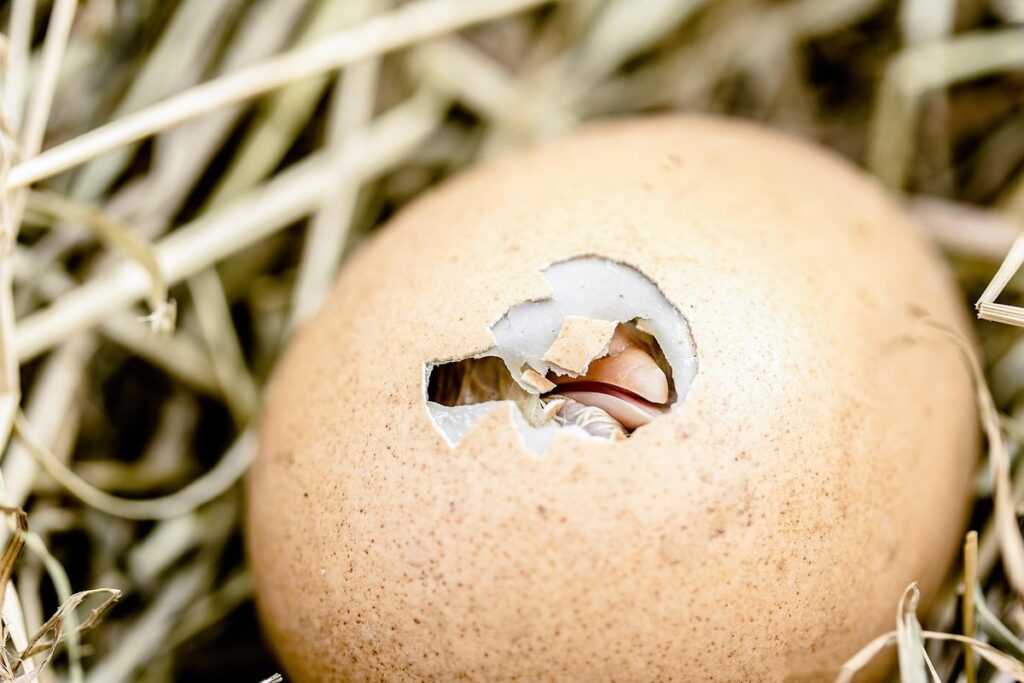
Understanding Chick Development and Stages
To fully grasp the pipping and zipping process, it’s essential to understand the different stages of chick development from egg to hatchling. Let’s break down these critical growth periods together.
Early Embryonic Development (0-18 days)
During the early embryonic development stage of chick formation (0-18 days), several critical processes occur that lay the foundation for the chick’s growth and eventual emergence from the egg. This period starts with fertilization, where a sperm cell penetrates the ovum (egg cell) to form a zygote.
The zygote then undergoes cleavage, a process of repeated cell divisions without significant growth, resulting in a cluster of cells called a morula. As this stage progresses, the morula forms into a blastocyst, which is characterized by an inner cell mass and an outer trophoblast layer. These layers will eventually give rise to the chick’s organs and tissues.
At around 10-12 days after fertilization, the embryo begins to fold in on itself, forming a compact shape that will eventually become the developing chick. It’s essential for breeders and chicken enthusiasts to understand these early stages of development to ensure they provide optimal conditions for the chick’s growth and emergence from the egg.
Keep in mind that the exact timing may vary depending on factors such as temperature, humidity, and nutrition. By recognizing these early embryonic development stages, you’ll be better equipped to support the chick’s progress towards pipping and zipping.
Gastrulation and Organogenesis (19-24 days)
At around 19-24 days of incubation, the chick embryo undergoes two crucial processes: gastrulation and organogenesis. Gastrulation is a complex process where the blastula (the earliest stage of embryonic development) folds in on itself to form three primary germ layers: ectoderm, mesoderm, and endoderm. These germ layers will eventually give rise to all tissues and organs in the chick’s body.
The ectoderm, which forms the outermost layer, will give rise to structures such as the skin, feathers, and eyes. The mesoderm, the middle layer, will develop into muscles, bones, and other connective tissues. Meanwhile, the endoderm, the innermost layer, will form the lining of internal organs like the digestive tract and respiratory system.
As gastrulation progresses, organogenesis begins to take shape. This is when major organs start to develop, including the heart, lungs, liver, kidneys, and gastrointestinal tract. The development of these organs is critical for the chick’s survival outside the eggshell. In fact, any anomalies or defects in these organs can lead to hatchability issues or even embryo mortality.
By understanding the intricate processes of gastrulation and organogenesis, you’ll appreciate the incredible journey that the chick embryo undertakes before hatching.
Heart Formation and Blood Vessel Development
As the chick develops inside the egg, one of the most crucial processes happening is the formation and development of its cardiovascular system. The heart begins to form around day 4-5 of incubation, initially as a simple tube-like structure called the linear heart tube. This tube starts to pump blood through a series of primitive vessels that will eventually become the chick’s circulatory network.
As the embryo grows, the linear heart tube splits into four chambers: two atria and two ventricles. The heart begins to beat around day 6-7, pumping blood through the developing vascular system. This system includes arteries, veins, and capillaries that will eventually supply oxygen and nutrients to the growing chick.
The establishment of circulation is a critical process, as it allows the embryo to receive the necessary oxygen and nutrients for growth. The formation of the cardiovascular system is tightly regulated by genes and hormones, ensuring that everything develops in harmony with the rest of the chick’s anatomy. By day 9-10, the heart has fully developed, and the vascular network is established, ready to support the growing chick as it prepares to pip out of its shell.
Chick Pipping: The Process and Significance
As you’re learning about the pipping and zipping process, it’s essential to understand how chicks emerge from their eggs and what happens next during this crucial period. This section will walk you through the chick pipping process in detail.
What is Pipping?
Pipping is one of the most crucial and exciting stages in chick development. It’s the process by which a chick breaks out of its shell, usually after incubation period. During this time, the chick pecks and pokes at the air sac on top of the egg to create an opening for escape. As it gains strength and determination, the chick will eventually crack open the shell and emerge into the world.
Understanding pipping is vital because it marks a significant milestone in chick development. It’s a sign that the chick has developed enough to take its first breaths outside the egg. Pipping is also a delicate process, as the chick must carefully navigate through the narrow opening of the air sac without causing damage to itself or its shell.
As an incubator or breeder, being aware of pipping signs and symptoms can help you intervene if needed. Keep an eye out for the chick’s attempts to pip by listening for faint pecking sounds and observing any visible cracks in the shell. If you notice any difficulty during pipping, ensure the egg is kept at a stable temperature and humidity level to facilitate safe emergence.
Stages of Pipping
As you wait for your chicks to hatch, one of the most exciting moments is watching them pip. Pipping is a critical stage that requires patience and understanding. The pipping process can be divided into several stages, each marking a significant milestone towards hatching.
Initially, you may notice a tiny crack in the eggshell, usually around 72-96 hours after incubation begins. This is often referred to as the “initial pip attempt.” It’s essential not to intervene at this stage, as it can cause more harm than good. Let the chick continue attempting to break free on its own.
As the chick continues to pip, you’ll start to see a small hole appear in the eggshell. At this point, called the “enlarging pip,” the chick’s beak is becoming visible. The enlarging pip stage is crucial as it signals that hatching is imminent. It’s during this phase that the chick will begin to zip its way out of the shell.
A successful pipping occurs when the chick has broken free from the eggshell, but still remains attached by a small membrane called the umbilical cord. With careful observation and patience, you’ll soon be welcoming your new chicks into the world!
Factors Affecting Piping Success
When it comes to chick pipping success, several factors come into play. The incubation temperature and humidity levels are crucial as they can either slow down or speed up the pipping process. Typically, chicks start pip-ping between 21-30 days of age, but this timeframe may vary depending on the breed. A slight drop in temperature below the recommended range can cause the chick to pip more slowly.
Other factors that affect pipping success include egg orientation and position within the incubator. Make sure the eggs are positioned pointed end up and not touching each other. This ensures even heat distribution, which is essential for healthy development.
It’s also essential to monitor the chicks’ weight gain during this period. Healthy chicks should weigh around 40-50 grams before pipping. Keep an eye on their overall health by checking for signs of illness or stress. Ensure good ventilation in the incubator to maintain a healthy environment for the developing chicks. By paying attention to these factors, you can increase the chances of successful pip-ping and help your chicks hatch strong and healthy.
Chick Zipping: Understanding Its Importance
As you continue on your journey to understand the pipping and zipping process, let’s dive into the importance of chick zipping in ensuring a healthy start for your young chicks.
What is Zipping?
Zipping is a critical stage in chick development that occurs after pipping. At this point, the chick’s beak has pierced the eggshell, and it begins to breathe air for the first time. However, zipping refers specifically to the process of the chick’s head, body, and legs emerging from the shell.
The purpose of zipping is to allow the chick to fully extract itself from the confines of the egg. As the chick’s beak has already broken through, its body begins to push through the remaining shell fragments. This process can take anywhere from a few minutes to several hours, depending on factors such as humidity and the size of the egg.
During zipping, it’s essential to provide a humid environment, typically between 50-60% relative humidity. High temperatures can also aid in the zipping process by increasing the chick’s metabolism and movement within the shell. If you’re incubating eggs at home, ensure your setup meets these conditions to support the healthy emergence of your chicks.
Monitor your eggs closely during this stage, as some may experience complications or delays. Keep an eye out for signs of distress, such as rapid breathing, labored movement, or failure to emerge from the shell. By understanding zipping and its requirements, you can better support your chick’s development and ensure a successful hatch.
Benefits of Zipping for Chicks
When chicks transition from embryonic to post-embryonic life, zipping plays a crucial role in ensuring their smooth adaptation. One of the primary benefits of zipping is that it allows for an increased oxygen supply to the chick’s body. As the membranes surrounding the chick break down during this process, there’s more room for air to reach the lungs and facilitate breathing.
In addition to improved oxygenation, zipping also enhances circulation within the chick’s body. This enhanced blood flow helps to distribute nutrients and waste products efficiently, supporting the chick’s growth and development during this critical period. Furthermore, as the chick begins to absorb its yolk sac and become more independent, zipping facilitates a seamless transition.
In practical terms, you can observe signs of successful zipping in chicks such as increased movement, stronger respiratory function, and an overall sense of vitality. Keep in mind that not all chicks exhibit these signs uniformly, but with proper care and monitoring, most will zip successfully within 12 to 24 hours after pipping.
Potential Issues with Zipping
Zipping is a critical phase of chick development, and while it’s essential for their growth and survival, there are potential issues that can arise. One common issue is when the chick’s beak becomes stuck in the eggshell due to the zipping process being incomplete or uneven.
This can cause stress to the chick, leading to delayed development or even death. If you notice your chicks struggling to breathe or experiencing difficulty moving, it may indicate a problem with zipping. Another potential issue is if the eggshell cracks or breaks during the zipping process, which can expose the chick to bacterial contamination and infection.
To minimize these risks, ensure that the incubation conditions are optimal, including temperature, humidity, and turning. It’s also crucial to monitor the eggs closely for any signs of distress or unusual activity during the zipping phase. If you notice any issues, consult with a veterinarian or poultry expert for guidance on how to intervene safely.
In some cases, chicks may experience delayed zipping due to various factors such as genetic predisposition, nutrition, or environmental conditions. In these situations, it’s essential to provide optimal care and nutrition to support the chick’s development and encourage successful hatching.
Factors Influencing Chick Hatching Success
Several key factors can significantly impact the success of chick hatching, and understanding these is crucial for a successful breeding experience. Let’s explore some of the most influential ones together.
Nutritional Factors
Adequate nutrition plays a crucial role in the hatching success of chicks. During the pipping and zipping process, chicks rely on stored energy reserves to break free from their shells. A diet rich in protein is essential for chick development, as it fuels growth and supports tissue repair.
Calcium intake is also vital during this period, as it helps strengthen eggshell membranes and facilitates pip creation. However, excessive calcium consumption can lead to calcification of the reproductive system in hens. To strike a balance, ensure your flock’s feed contains 2-3% calcium content and follow the recommended feeding schedule.
Vitamins A, E, and K are equally important for chick development. Vitamin A supports skin health, while vitamin E acts as an antioxidant to combat free radicals. The role of vitamin K in blood clotting cannot be overstated during hatching. Provide your flock with a balanced diet that includes these essential nutrients, ensuring optimal egg production and healthy chicks.
Inadequate nutrition can lead to hatching failures or weak chicks. A nutrient-rich feed ensures a strong foundation for the pipping and zipping process. Monitor your flock’s dietary needs closely and adjust feeding schedules accordingly.
Environmental Conditions
Chick development is highly sensitive to environmental conditions, and subtle changes can significantly impact hatching success. Temperature, for instance, plays a critical role in embryonic growth. An ideal temperature range for incubation is between 99°F (37°C) and 100°F (38°C). Deviations from this range can lead to stunted development or failed hatchings.
Humidity also affects the pipping process. A relative humidity of 50-60% is usually recommended during incubation. This moisture level helps maintain a healthy balance between chick development and eggshell integrity. However, extreme humidity levels can compromise both, leading to weaker eggs that may not withstand external forces during transportation or storage.
Proper light exposure is another critical environmental factor. Chicks require an uninterrupted period of darkness for about 18 hours before pipping begins. This ensures optimal energy reserves for the subsequent breaking out process. Artificial lighting should be carefully managed within the incubation environment to replicate a natural photoperiod and minimize stress on the embryos.
Health Risks Associated with Pipping and Zipping Issues
While every chick develops at its own pace, there are potential health risks to be aware of when pipping and zipping issues arise, which we’ll explore next. This section highlights common complications to watch for.
Respiratory Problems
Respiratory problems can arise when pipping or zipping is problematic, leading to hypoxia and air sac pressure issues. Pipping, the process by which chicks break through their eggshells, can be a challenging time for the chick’s respiratory system. If the pip is not done correctly, it can cause the chick to struggle for oxygen.
Hypoxia occurs when the chick is unable to breathe due to its narrow beak and undeveloped lungs. This can lead to increased stress on the chick’s body, making it more susceptible to other health issues. Air sac pressure problems can also arise if the chick’s respiratory system becomes compromised during pipping or zipping.
To minimize the risk of respiratory problems, it is essential to monitor your chicks’ pipping and zipping closely. Keep an eye out for signs of distress, such as rapid breathing, lethargy, or labored breathing. Provide a warm and humid environment to help alleviate hypoxia symptoms. Make sure the incubator or brooder has adequate ventilation to prevent air sac pressure issues. If you notice any signs of respiratory distress, seek veterinary attention immediately.
Chick breeders can also take preventative measures by selecting breeds with improved pipping and zipping characteristics. Regularly cleaning and maintaining equipment, such as incubators and brooders, is crucial in reducing the risk of respiratory problems.
Other Potential Complications
In addition to respiratory distress, there are several other potential complications that can arise from pipping and zipping issues. For example, chicks with severely impacted beaks may experience difficulty eating and drinking, leading to dehydration and malnutrition.
Another complication is the risk of bacterial infections. When a chick’s beak or nostrils become compromised due to pipping or zipping difficulties, bacteria can easily enter the nostril and cause an infection. This can lead to sinusitis, which can be painful for the chick and may even spread to other areas of its body.
It’s also not uncommon for chicks with pipping and zipping issues to develop scissor beaks, a condition where the upper and lower beak don’t meet properly. This can make eating and drinking extremely challenging for the chick, leading to weight loss and further complications.
If you suspect that your chick is experiencing any of these complications, it’s essential to seek veterinary attention immediately. Your veterinarian may recommend antibiotics or other treatments to help manage symptoms and prevent long-term damage.
Supporting Chick Hatching Success: Tips for Breeders and Pet Owners
As you eagerly await the hatching of your chicks, it’s essential to understand how breeders and pet owners can support successful hatching by creating a conducive environment. Here are some expert tips to help ensure a smooth pipping and zipping process.
Breeding Strategies
To promote healthy chick development and hatching success, it’s essential to implement effective breeding strategies. One crucial aspect is selecting parents with a proven track record of producing viable chicks. This can be achieved by choosing grandparents that have successfully raised robust offspring.
It’s also vital to consider the genetic diversity within your flock. Aim for a diverse gene pool by incorporating different breeds and bloodlines into your breeding program. This will help reduce the likelihood of inherited health issues and ensure that your chicks are better equipped to adapt to changing environments.
Maintain a clean and hygienic environment during breeding, keeping eggs away from drafts and moisture. Proper nutrition is also essential; feed your birds a balanced diet rich in calcium, protein, and other vital nutrients to support fetal development.
When selecting eggs for incubation, inspect them carefully for any signs of weakness or damage. A well-planned breeding program will significantly enhance the chances of successful hatching and ensure that your chicks are strong and healthy from the start.
Care Recommendations for Newly Hatched Chicks
Once your chicks have pipped and zipped successfully, it’s essential to provide them with proper care to ensure they thrive. Immediately after hatching, newly emerged chicks are vulnerable to dehydration and hypothermia. Keep the brooder warm by maintaining a temperature of around 90-95°F (32-35°C) during the first 24 hours.
Monitor your chicks’ environment closely, ensuring adequate humidity levels and proper ventilation to prevent respiratory issues. Provide a shallow dish of fresh water for them to drink from, as they may not be able to access the main watering system yet.
Feed the chicks starter feed or crumbles specifically formulated for young poultry, following the manufacturer’s instructions for age-specific feeding guidelines. Keep an eye on their water intake and adjust feeding schedules accordingly.
It’s also crucial to handle your chicks gently and humanely when checking on them, as they are fragile during this initial period. Avoid overcrowding the brooder, providing enough space for each chick to move around freely and regulate its body temperature.
Conclusion and Future Directions in Chick Development Research
Now that we’ve explored the fascinating process of pipping and zipping, let’s look ahead to the future of chick development research and what it could mean for our understanding of poultry growth.
Recap of Key Findings
In conclusion to our comprehensive guide on the pipping and zipping process in chicks, let’s recap some of the key findings discussed throughout this article.
Firstly, we established that the pipping process is a critical stage in chick development where the chick breaks through its eggshell. This process typically occurs between 21-36 hours after incubation begins. We discussed the importance of humidity levels during incubation and how they impact the ease of pipping.
We also explored the role of zipping, which refers to the way the chick’s beak interacts with the eggshell as it pecks its way out. Proper zipping technique is crucial for successful hatching. Furthermore, we touched on common issues that can arise during pipping and zipping, such as sticky eggs or chicks having difficulty breaking free.
In practical terms, if you’re an incubator owner or breeder, paying attention to humidity levels, ensuring proper ventilation in the incubation room, and providing a clean environment will all contribute to smoother pipping and zipping processes. Additionally, closely monitoring chick development and intervening when necessary can make a significant difference in hatching success rates.
Areas for Further Research
While significant progress has been made in understanding the pipping and zipping process, there are still many areas that require further research. One such area is the genetic basis of chick hatching success. By studying the genetic factors influencing eggshell strength, embryonic development, and hatching time, researchers can identify potential breeding targets for improved hatchability.
Another critical area for investigation is the impact of environmental factors on pipping and zipping. Climate change, in particular, poses a significant threat to poultry production, with rising temperatures and humidity levels affecting chick development. Research into how these changes influence embryonic growth and hatching success could provide valuable insights for breeders and producers.
Additionally, exploring the potential for non-invasive monitoring of embryonic development using advanced technologies like AI-powered imaging or machine learning algorithms could revolutionize chick development research. Such innovations would enable researchers to gain a deeper understanding of the pipping and zipping process without disrupting the natural progression of hatching.
Frequently Asked Questions
What are some common signs that a chick is having trouble pipping or zipping?
Some common indicators of difficulty with pipping or zipping include prolonged incubation periods, unusual shell cracking patterns, or chicks struggling to free themselves from the eggshell. If you notice any of these signs, it’s essential to monitor your chicks closely and consider adjusting environmental conditions or seeking expert advice.
How can I prevent respiratory problems in my newly hatched chicks?
To minimize the risk of respiratory issues, ensure that your incubation environment is clean and well-ventilated. Maintain optimal humidity levels (50-60%) and provide a suitable temperature range (95-100°F) for the first 24 hours after hatching. Additionally, handle chicks gently to avoid stressing them.
Can I use a humidifier in my incubator to promote healthy chick development?
Using a humidifier can be beneficial, but it’s crucial to monitor humidity levels closely to avoid overhydration, which can lead to respiratory problems. Aim for a relative humidity of 50-60% and ensure the incubator is well-ventilated to prevent moisture buildup.
What should I do if my chick appears healthy during pipping but zips slowly or with difficulty?
If your chick seems healthy during pipping but experiences difficulties with zipping, it’s possible that the eggshell was too hard or the chick is experiencing muscle fatigue. Gently assist the chick by carefully cracking the remaining shell, taking care not to cause any further stress.
How often should I check on my chicks after they’ve hatched?
Monitor your newly hatched chicks closely during the first 24 hours, ensuring they’re warm and free from complications. After this initial period, reduce monitoring frequency to every few hours, still keeping an eye out for signs of distress or potential health issues.