
As a backyard chicken keeper or farmer, you’re likely no stranger to the fascinating world of flock dynamics. But have you ever stopped to think about how your chickens establish their pecking order? This social hierarchy is crucial for maintaining balance within the flock, but it can also lead to bullying and stress if not managed properly. In this article, we’ll delve into the benefits and drawbacks of a strong pecking order in your chicken coop, exploring why it’s essential to understand how it forms and how you can intervene to prioritize bird welfare. From identifying dominant birds to implementing strategies for maintaining balance, we’ll cover it all – so stick around to learn more about creating a harmonious and healthy flock!
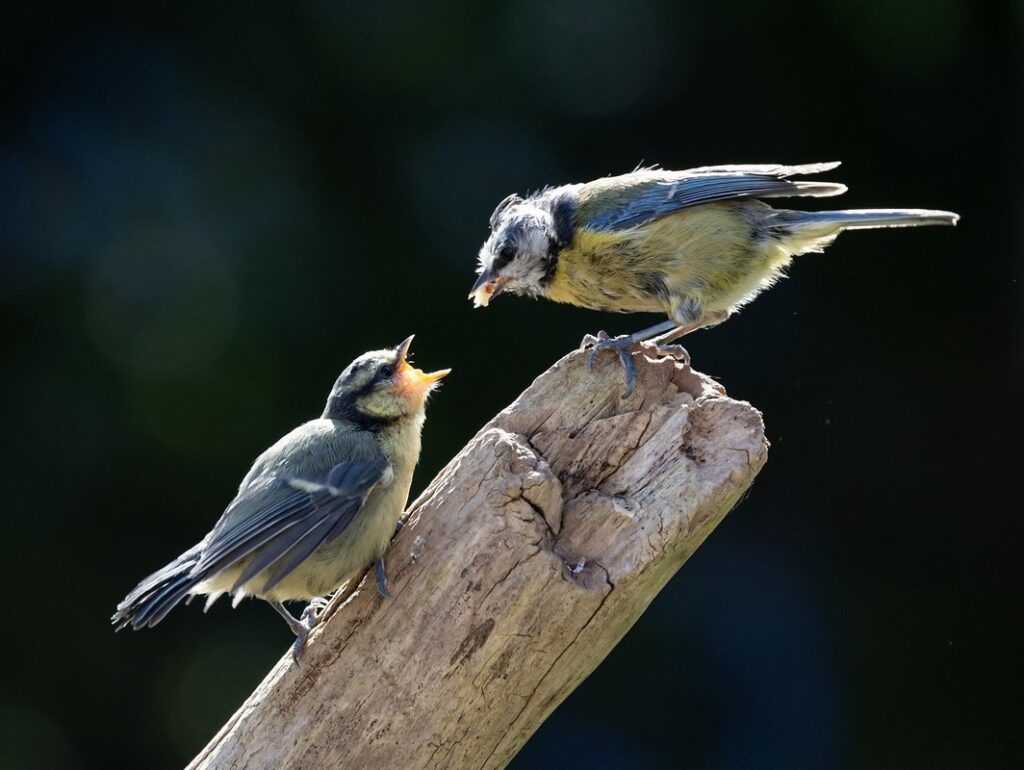
Establishing Dominance and Submission
Now that you’ve set up your flock, let’s dive into how establishing dominance and submission actually works, a crucial aspect of maintaining peace. This delicate balance is key to avoiding those dreaded pecking order problems!
Factors Influencing Pecking Order Formation
The formation of a pecking order is influenced by several key factors that interact with each other to establish dominance. Age plays a significant role, as younger chicks are often at the bottom of the hierarchy due to their vulnerability and inability to defend themselves.
Size also plays a crucial factor in determining dominance, with larger chicks typically asserting their authority over smaller ones. Sex can also influence pecking order formation, with males often dominating females, especially in breeds where there is a clear size difference between sexes.
Breed characteristics can also impact the pecking order, as some breeds are naturally more assertive or submissive than others. For example, Leghorns tend to be more aggressive and dominant, while Orpingtons are generally more docile.
Understanding these factors can help you recognize early signs of dominance in your flock and take steps to prevent conflicts. By introducing chicks at similar ages and sizes, you can also help promote a more harmonious pecking order from the start.
Aggression and Submissive Behavior
Aggression plays a significant role in establishing dominance and submissive behavior within chicken flocks. Dominant birds assert their authority through aggressive displays, such as pecking, chasing, and feather pulling. These actions serve as warnings to subordinate birds, indicating that they must yield or face further aggression.
Submissive birds exhibit behaviors like crouching, avoiding eye contact, and retreating when confronted by dominant individuals. Recognizing these warning signs is crucial for chicken keepers to intervene and prevent injury or stress within the flock.
Why do some chickens become aggressive? In many cases, it’s due to resource competition – fighting over food, water, or nesting boxes. Genetics also play a role, as some breeds are naturally more assertive than others. By understanding these factors, you can take steps to mitigate aggression and create a more harmonious flock.
To address aggressive behavior, provide enough space, resources, and enrichment activities for your chickens. Introduce birds gradually to prevent territorial disputes, and consider separating new additions from the existing flock until they’re integrated smoothly.
The Role of Poultry Breeders and Farmers
Poultry breeders and farmers play a crucial role in shaping the social dynamics of their flocks. The breeding process can inadvertently create imbalances in flock hierarchies, leading to aggression and stress among birds. Some breeds are naturally more assertive or submissive than others, making them better suited for certain roles within the pecking order.
For instance, large breeds like Orpingtons often dominate smaller breeds like Leghorns due to their physical strength and intimidation factor. Conversely, gentle giants like Brahmas can struggle to establish themselves in a flock if they’re not paired with birds of similar temperament. Breeders should be aware of these dynamics when selecting breeding stock.
Farmers can also influence the pecking order by introducing new birds gradually, allowing existing flock members to adjust to their presence. This helps prevent sudden challenges to the status quo and minimizes aggression among birds. By being mindful of breed characteristics and flock dynamics, poultry producers can create more harmonious and productive flocks.
The Benefits and Drawbacks of a Pecking Order
Now that you understand the importance of a pecking order, let’s dive into its benefits and drawbacks to give you a more nuanced perspective on this natural phenomenon. This is crucial for making informed decisions about your flock.
Advantages of Dominance Hierarchies
While it may seem counterintuitive to consider the benefits of a pecking order, these dominance hierarchies play a crucial role in maintaining harmony within flocks. By establishing a clear ranking system, chickens are able to reduce stress and aggression among themselves.
In a flock with no established hierarchy, chickens will often engage in intense battles for status, leading to injuries and even death. However, once a dominant individual emerges and establishes its place within the flock, these conflicts dissipate significantly. In fact, research has shown that flocks with well-defined pecking orders exhibit lower levels of stress-related behaviors, such as excessive feather pecking and pacing.
Maintaining order is another advantage of dominance hierarchies in flocks. When a clear leader emerges, other chickens are more likely to follow established rules and routines, reducing the likelihood of conflicts over resources like food and nesting boxes. By embracing and understanding the natural dynamics of a pecking order, chicken keepers can create a more peaceful and harmonious living environment for their birds.
Disadvantages and Potential Risks
A strong pecking order can have its downsides. For one, subordinate birds may experience increased stress due to their lower status within the hierarchy. This stress can manifest physically and behaviorally, with signs including aggressive pecking at themselves or excessive feather plucking.
In some cases, a dominant bird’s rule can become so tyrannical that it turns on itself. This is particularly true in overcrowded conditions where competition for resources becomes intense. The dominant bird may start attacking its own flock members, sometimes even causing serious injury or death.
One possible explanation for this phenomenon is over-reliance on the pecking order as a means of conflict resolution. When disputes arise within the flock, birds may resort to aggression rather than exploring more peaceful solutions. This can lead to a vicious cycle where dominant and subordinate birds become increasingly aggressive towards each other, ultimately compromising their own well-being.
Recognizing Dominant and Subordinate Birds
Understanding the pecking order isn’t just about observing aggressive behavior, it’s also about recognizing which birds hold power within the flock. Let’s explore how to identify dominant and subordinate birds.
Identifying Signs of Dominance
When it comes to identifying signs of dominance in birds, there are several physical and behavioral cues to look out for. Dominant birds will often posture themselves to appear larger and more intimidating, such as puffed-out feathers on the neck or chest. They may also use aggression to assert their dominance, whether through direct attacks or subtle threats like vocalizations or displays of beak.
One way to identify dominant birds is by observing their access to resources like food and water. Dominant birds will often claim the best spots at feeding and drinking areas, pushing subordinate birds away if necessary. You may also notice that dominant birds are more selective about what they eat, while subordinate birds may scrounge for scraps.
Another key indicator of dominance is an individual bird’s ability to assert its presence in a given space. Dominant birds will often patrol their territory, chasing off intruders and maintaining control over resources. By paying attention to these physical and behavioral signs, you can gain a better understanding of the dominance hierarchy within your flock.
Identifying Signs of Submission
When interacting with birds, it’s essential to recognize signs of submission, as this will help you better understand their social dynamics and avoid causing unnecessary stress. Subordinate birds typically exhibit behaviors that show they are aware of the dominant bird’s status.
One common sign is avoidance behavior. You may notice a subordinate bird deliberately avoiding confrontations with a dominant individual or actively moving out of its way to let it pass. This can be seen during feeding time, where a subordinate bird might allow a dominant bird to access food before it does.
Subordinate birds also often display a submissive posture when interacting with dominant individuals. They may lower their head, spread their wings, or even tilt their body away from the dominant bird as a way of showing deference. In some cases, you might see a subordinate bird allowing a dominant bird to take priority in accessing food or resources.
By recognizing these signs, you can gain valuable insight into the social hierarchy within your flock and make adjustments to create a more harmonious environment for all birds.
Managing Flocks with a Strong Pecking Order
Establishing a strong pecking order is crucial for maintaining harmony within your flock, and in this section, we’ll explore the key strategies for fostering a well-balanced hierarchy.
Strategies for Maintaining Balance
Maintaining balance within a flock is crucial to preventing pecking order issues. One effective strategy is introducing new birds gradually into the existing flock. This can be done by bringing them in one at a time, allowing each new bird to establish its position before adding another. For instance, if you’re expanding your flock from 5 to 10 chickens, bring in 2-3 new birds initially and let them settle in for 2-3 weeks before introducing the next batch.
Providing sufficient space and resources is also essential for maintaining balance. Ensure that your flock has enough room to move around comfortably, with at least 4-6 square feet of space per bird indoors or 8-10 square feet outdoors. Additionally, make sure each bird has access to a balanced diet, fresh water, and adequate nesting boxes.
When introducing new birds or expanding the flock, it’s also crucial to monitor their behavior closely for any signs of stress or aggression. By taking proactive steps to maintain balance and prevent conflicts, you can create a harmonious and thriving flock where all birds feel safe and respected.
Intervening in Agonistic Behavior
When agonistic behavior becomes too severe or persistent, it’s essential to intervene and address the issue. Recognizing signs that require action is crucial in preventing further escalation and potential harm to your flock. Look out for behaviors such as excessive pecking, feather pulling, or even physical attacks.
If you notice any of these warning signs, don’t hesitate to separate the aggressive individuals from the rest of the flock. This can be a challenging task, especially if you’re not familiar with handling chickens. To safely separate aggressive birds, start by carefully observing their behavior and identifying triggers that lead to aggression.
Once you’ve identified the culprits, gently remove them from the main flock and place them in a separate enclosure or quarantine area. Make sure to provide food, water, and adequate shelter for the separated individuals. With time and proper management, these birds can eventually be reintroduced into the flock with reduced aggression levels.
It’s also crucial to address the underlying causes of aggressive behavior, such as overcrowding, inadequate nutrition, or stress. By creating a more harmonious living environment, you’ll reduce the likelihood of agonistic behavior in the future.
Understanding and Addressing Pecking Order Problems
A pecking order problem can be distressing for chicken owners, but understanding the underlying causes is key to resolving issues and creating a harmonious flock. Let’s explore how to address these problems effectively.
Warning Signs and Consequences
If you notice that your flock’s pecking order is becoming too intense, it may be time to take action. Warning signs can be subtle at first, but if left unaddressed, they can escalate into more serious problems. Reduced egg production is a common indicator of stress within the flock. If your chickens are laying fewer eggs than usual, it could be related to their pecking order dynamics.
Another sign of an unstable hierarchy is the presence of blood on feathers. This may seem like a minor issue, but it’s essential to address it promptly. When birds engage in aggressive behavior, they may target each other’s vulnerable areas, such as the eyes or necks, leading to injuries and stress.
If you’re observing increased stress levels among your flock members, consider adjusting their living conditions or providing additional enrichment activities. For example, rotating toys or adding perches can help distract them from their dominance struggles. However, if these measures don’t work, it may be necessary to separate aggressive birds or introduce new flock members to shift the balance of power.
Solutions for Mitigating Aggression
Reducing aggression within flocks is crucial to preventing pecking order problems. A well-designed environment can significantly mitigate aggression by providing birds with opportunities for foraging, exercise, and mental stimulation. Incorporating environmental enrichment features such as dust baths, scratching posts, and perches of varying heights can help redirect birds’ energy towards positive behaviors.
Another effective strategy is using pheromone-based solutions to reduce stress and aggression. Products containing natural pheromones mimicking those produced by hens in a calm state can be placed strategically around the flock to create a sense of relaxation. Examples include synthetic pheromone sprays or diffusers specifically designed for poultry.
Consider implementing a rotation system where birds are moved to different areas of the coop on a regular basis, allowing them to experience new environments and reduce stress caused by dominance hierarchies. By combining these strategies with proper management practices and attention to individual bird needs, you can create a more harmonious flock environment. Regular observation and monitoring will also help identify specific aggression triggers within your flock, enabling targeted interventions to be made.
Conclusion: Balancing Order with Welfare
Now that we’ve explored how dominance hierarchies form and maintain order within a flock, let’s discuss the delicate balance needed to promote welfare among these social birds.
In this final section, we’ll examine the complex relationships between structure and individual well-being in the context of your backyard flock or commercial poultry operation.
Recap of Key Points
As we conclude our exploration of the chick pecking order, let’s take a moment to recap the key points discussed throughout this article. Understanding the dynamics of dominance hierarchies within flocks is crucial for both poultry enthusiasts and professionals alike.
One of the primary takeaways from our discussion is that establishing a clear hierarchy is essential for maintaining peace in the flock. A well-defined order helps prevent stress, aggression, and even fatalities among birds. By recognizing and respecting individual bird personalities, you can foster a harmonious environment where each chicken knows its place within the group.
We also explored how environmental factors, such as feeding practices, living conditions, and management strategies, significantly impact the pecking order. For instance, providing adequate space, ensuring access to resources like food and water, and implementing stress-reducing measures can all contribute to a more stable flock dynamic.
Another important consideration is the role of individual bird personalities in shaping the hierarchy. Some birds may naturally assert dominance due to their size, aggression, or assertiveness, while others may be more submissive. By acknowledging these differences and providing an environment that accommodates varying needs, you can promote overall welfare within the flock.
To apply these insights in your own flock, consider implementing a phased introduction process for new birds to prevent disruptions to the established hierarchy. Monitor bird behavior closely, intervening when necessary to prevent aggression or establish clear boundaries. By doing so, you’ll create a more balanced and harmonious flock where each chicken has its place within the pecking order.
Frequently Asked Questions
What are some early signs that a dominant bird is emerging in my flock?
Identifying dominant birds early on can help prevent pecking order problems from escalating. Look for behaviors such as aggressive posturing, frequent vocalizations, and deliberate attempts to assert control over food or resources.
Can I ever change the established pecking order in my flock without causing more stress?
While it’s difficult to alter an established hierarchy, you can intervene by separating dominant birds from subordinate ones during feeding or resource distribution. This can help shift the balance of power temporarily. However, be cautious not to create a power vacuum that leads to further aggression.
How long does it typically take for a new bird to adjust to its place in the flock?
New birds usually need time (anywhere from several days to weeks) to establish their position within the pecking order. Observe your birds’ behavior, and consider introducing new members during times of low stress or when existing birds are distracted.
What should I do if a bird consistently displays aggressive behavior towards other flock members?
If you notice persistent aggression, it’s essential to identify potential underlying causes, such as resource competition, health issues, or stress. Addressing these factors can help alleviate the problem and promote a more harmonious flock dynamic.
Are there any specific strategies for managing flocks with a strong pecking order during molting season?
Molting can exacerbate existing hierarchies due to changes in feather patterns, reduced egg production, and increased stress. To mitigate this, ensure adequate space, nutrition, and enrichment activities, while closely monitoring bird behavior for signs of distress or dominance shifts.