
If you’re considering adding some fluffy charm to your backyard flock or showing off your birds in the ring, then you might want to think about raising chick silkies. These adorable birds are known for their stunning silken feathers and endearing personalities. But owning a silkie chicken comes with its own unique set of challenges – from their delicate health needs to their specific breeding requirements.
In this article, we’ll delve into the world of silkie chickens, covering everything you need to know about these lovable birds. We’ll explore their characteristics, discuss the ins and outs of breeding and caring for them, and provide valuable tips on how to raise healthy silkies as pets or show-stoppers. Whether you’re a seasoned chicken enthusiast or just starting out, this guide will help you navigate the world of silkie chickens with confidence.
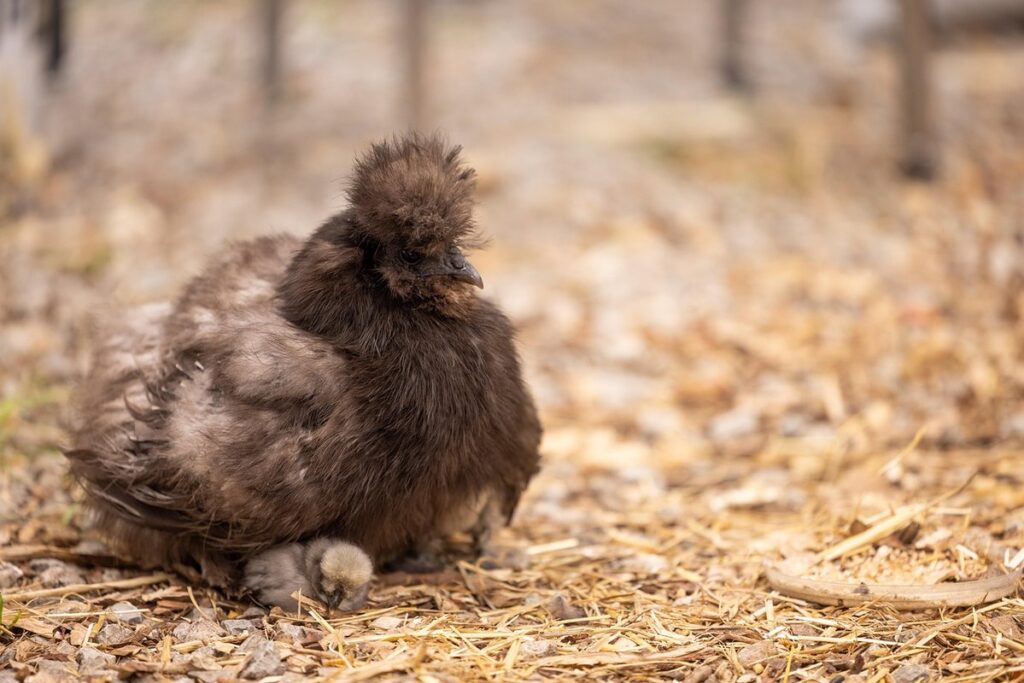
What Are Chick Silkies?
Let’s start at the beginning and explore what makes a chick Silkie so unique. We’ll dive into the characteristics that set them apart from other chicken breeds.
Origin and History of Chick Silkie
Chick Silkies have a rich history that spans centuries, originating from Asia where they were highly prized for their unique characteristics. In China and Japan, these birds were bred specifically for their fluffy feathers, gentle nature, and small size, making them an ideal addition to any backyard flock.
The name “Silkie” is believed to be derived from the Chinese word “sheep,” which refers to the bird’s soft, woolly plumage. These birds have been around since the 13th century, with records showing that they were a popular breed among royalty and nobility in ancient China. In Japan, Silkies were known as “Nankin” chickens, a name still used today.
One of the most distinctive features of Chick Silkies is their genetic mutation, which causes their feathers to grow in a loose, fluffy texture rather than the usual smooth, sleek plumage found in most chicken breeds. This unique characteristic has made them a favorite among backyard chicken enthusiasts and breeders around the world.
Physical Characteristics of Chick Silkies
Chick Silkies are renowned for their enchanting physical characteristics that set them apart from other chicken breeds. Their soft and fluffy feathers make them look like small balls of cotton, earning them the nickname “cotton balls.” One of the most distinctive features of Chick Silkies is their beards and muffs, which are made up of long, flowing feathers that frame their faces.
The texture of their feathers is another unique aspect of Chick Silkies. Unlike other breeds, whose feathers lie flat against their skin, Chick Silkies’ feathers stand upright due to their lack of undercoat, giving them a perpetually fluffy appearance. The fluffiness of their feathers not only adds to their charm but also provides insulation in cold weather.
It’s worth noting that the fluffiness of Chick Silkies can sometimes make it difficult for them to regulate their body temperature. As a result, they require more space and ventilation than other breeds to stay cool in hot weather conditions. With proper care and attention, however, Chick Silkies can thrive and bring immense joy to backyard chicken enthusiasts.
Raising and Caring for Chick Silkies
As a new Silkie owner, it’s essential to know how to raise and care for these adorable birds properly, ensuring they stay healthy and happy. This section covers crucial tips on their specific needs and requirements.
Nutrition and Diet for Healthy Growth
When it comes to raising healthy chick silkie, nutrition plays a vital role in their development. A balanced diet is essential for promoting growth, preventing diseases, and ensuring they reach their full potential. As a responsible breeder or owner, providing the right nutrients from an early age will set your chick silkies up for success.
For starters, you’ll want to provide high-quality starter feed that’s specifically formulated for young chickens. Look for feeds that contain essential vitamins, minerals, and proteins necessary for growth. Some popular options include Purina Chick Starter or Manna Pro Chick Feed. It’s also crucial to provide fresh water at all times, as dehydration can quickly set in.
In addition to a good starter feed, consider adding supplements like oyster shells or crushed eggshells to support strong beak and feather development. You can also mix in some chopped fresh fruits and veggies, such as carrots or apples, to introduce variety and essential nutrients. A general rule of thumb is to provide 1/4 cup of supplement per chick per day. Remember to gradually introduce new foods to prevent digestive upset.
By prioritizing nutrition from the get-go, you’ll be giving your chick silkies the best chance at healthy growth and a long, happy life.
Housing and Environmental Needs
When it comes to providing a suitable environment for your chick Silkies, their housing needs should be prioritized to ensure they thrive and stay healthy. These birds require ample space to roam and exercise, which means you’ll need to provide them with a spacious coop or enclosure that’s specifically designed for Silkies.
As a general rule of thumb, Silkies need about 2-3 square feet of space per bird inside the coop. However, this can be adjusted depending on your flock size and personal preferences. It’s essential to remember that Silkies are social birds and prefer to live in groups, so if you’re planning to keep multiple birds together, make sure their living quarters can accommodate them comfortably.
Another crucial aspect of housing your chick Silkies is ventilation. These birds generate a significant amount of heat due to their compact bodies, so proper airflow is vital to prevent overheating and respiratory issues. To achieve this, ensure that your coop has adequate windows, vents, or other forms of air exchange to keep the environment fresh and well-ventilated.
In terms of temperature control, Silkies are relatively hardy birds but can still be sensitive to extreme temperatures. Ideally, their living space should have a consistent temperature range between 40°F (4°C) and 80°F (27°C). During hot summer months, providing shade or installing a cooling system can help keep them comfortable.
In addition to these physical needs, Silkies also benefit from a stress-free environment. Provide them with adequate bedding material such as pine shavings or straw to cushion their feet and make it easier for them to move around comfortably. Also, ensure that their living quarters are well-maintained and free of drafts, which can cause discomfort and potentially lead to health issues.
By focusing on providing your chick Silkies with the right environment, you’ll be setting them up for a happy and healthy life.
Health Issues in Chick Silkies
As you work with your lovable Chick Silkies, it’s essential to be aware of the potential health issues that can affect this breed. Unfortunately, Silkies are prone to several common health problems due to their unique characteristics. One of the most significant concerns is Mites and Lice Infestation. These external parasites can cause discomfort, lead to secondary infections, and even weaken your birds’ overall health.
Another issue affecting Chick Silkies is Beak Problems. The Silkie’s beak shape and size make it prone to overgrowth, which can hinder eating, drinking, and preening behaviors. Regular beak trimming is crucial to prevent this problem. Moreover, Silkies are more susceptible to respiratory infections due to their flat face structure.
Preventative measures include maintaining a clean coop environment, providing adequate ventilation, and ensuring your birds have access to fresh water and nutritious food. Regular health checks by a veterinarian can also help identify potential issues early on. By being proactive in addressing these common health concerns, you can ensure the overall well-being of your Chick Silkies.
Breeding and Genetics of Chick Silkies
Understanding the unique breeding requirements and genetics behind Chick Silkie’s fluffy coats is essential for any breeder looking to produce high-quality offspring. We’ll delve into the specifics of their genetic makeup.
Understanding Silkie Genetics
At its core, the Silkie breed’s unique characteristics are determined by their genetic makeup. To understand what makes a Silkie a Silkie, we need to look at the genes that influence their traits.
The Silkie’s fluffy coat, for example, is due to the expression of the Fibroblast Growth Factor 5 (FGF5) gene. This gene controls the production of keratin, a protein that gives feathers their shape and structure. In Silkies, the FGF5 gene is mutated, resulting in the characteristic loose, soft plumage.
Other genes also play a role in determining Silkie traits. The Wing Tip Feathering (WTF) gene, for instance, controls the development of the wings’ secondary feathers. When this gene is expressed, it results in the long, flowing wing feathers that Silkies are known for.
Breeding Silkies requires an understanding of these genetic principles. By selecting birds with desirable traits and breeding them to one another, you can introduce new characteristics into your flock. For example, if you’re looking to develop a line of Silkies with particularly fluffy coats, you would breed birds with the FGF5 mutation together.
Keep in mind that genetics is a complex field, and predicting the outcome of a breeding program can be tricky. But by understanding the genetic basis for Silkie traits, you’ll be better equipped to make informed decisions about your flock’s development.
Selecting Breeding Stock
When it comes to selecting breeding stock for Chick Silkies, it’s crucial to prioritize health and desirable traits. A good starting point is to evaluate the overall condition of the birds. Look for birds with bright, alert eyes, clean vents, and smooth feathers. Avoid birds that appear lethargic or have signs of stress.
Check the parents’ pedigree to see if they possess the desired characteristics such as fluffy feathers, bearded faces, or gentle temperaments. Consider whether you want to breed for specific traits like size, egg-laying ability, or color variations. It’s essential to work with birds that are registered with reputable breed associations to ensure consistency and authenticity.
When selecting breeding stock, also consider the temperament of the birds. Chick Silkies are known for their friendly nature, so it’s essential to choose birds that exhibit this trait. Observe how they interact with each other and with humans. Avoid birds that appear aggressive or fearful. By choosing healthy, well-tempered birds, you’ll set your flock up for success and increase the chances of producing high-quality offspring.
Tips for Successful Breeding Programs
Setting up a breeding program for Chick Silkies requires careful planning and attention to detail. To ensure the success of your program, it’s essential to keep accurate records of each bird’s lineage, health, and performance. This information will help you identify patterns and trends in your flock, allowing you to make informed decisions about breeding pairings.
Consider implementing a robust record-keeping system that tracks not only individual birds but also their ancestors. This can be done using a spreadsheet or database program. Regularly update records as new birds are added or removed from the flock. By keeping accurate and up-to-date records, you’ll be able to maintain genetic diversity within your flock.
To promote genetic diversity, consider introducing new bloodlines into your breeding program through carefully selected imports or trades with other breeders. This will help prevent inbreeding and ensure that your Chick Silkies remain healthy and resilient.
Showing and Exhibiting Chick Silkies
When it comes time to show off your beautiful silkie, understanding how to properly exhibit these birds is crucial for success. We’ll walk you through the process of showcasing their unique characteristics.
Show Rules and Regulations
When participating in shows featuring your prized Chick Silkies, it’s essential to familiarize yourself with the rules and regulations governing these events. Breed standards and judging criteria can greatly impact the success of your birds, so understanding what judges are looking for is crucial.
The American Bantam Association (ABA) and the American Poultry Association (APA) are two prominent organizations that establish breed standards for Chick Silkies. According to the ABA, Chick Silkies should have a gentle disposition, be hardy, and exhibit a high level of fertility. Judging criteria typically include characteristics such as plumage quality, size, and type. For example, judges may evaluate the bird’s overall appearance, including its beak shape and color, comb formation, and wing carriage.
To give your Chick Silkies the best chance at success in shows, focus on breeding birds that meet breed standards. Ensure you’re familiar with judging criteria to present your birds confidently. Practice presenting your birds so they become comfortable with being handled and displayed. With dedication and knowledge of show rules and regulations, you can successfully showcase your beautiful Chick Silkies and bring home awards.
Preparing Your Silkie for the Show Ring
When it comes time to show your silkie in the ring, preparation is key. Start by getting your bird comfortable with being handled regularly. This will make the grooming and handling process much smoother for both you and your silkie.
Begin by gently washing and drying your silkies’ feathers, paying extra attention to areas prone to matting such as the beak and wings. Use a soft-bristled brush or a wide-tooth comb specifically designed for silkies to detangle their long, fluffy coats. Make sure to clean around the eyes, ears, and vent area carefully to prevent irritation.
Practice presenting your silkie in front of a mirror or with friends and family who can provide constructive feedback on posture, stance, and overall appearance. This will help you identify any areas for improvement before entering the show ring. Remember, a well-groomed and confident bird is essential for making a great impression on judges.
Strategies for Success in the Show Ring
When it comes to success in the show ring with your Chick Silkies, there are several strategies you can employ to increase your chances of winning. One key aspect is selecting the right birds for showing. This involves choosing birds that not only meet breed standards but also have a high level of quality and appeal.
To start, look for birds with excellent feather quality, symmetry, and type. Ensure they have the characteristic Silkie fluffiness, particularly in their faces, beards, and feet. Pay attention to body shape, posture, and overall movement. You’ll want to choose birds that are healthy, well-nourished, and energetic.
It’s also crucial to select birds with breed-specific characteristics. For example, if you’re showing Silkie pullets, look for those with a more rounded appearance, while Silkies bred for meat production will have a leaner build. Research the specific breed standards and requirements before making your selection. By carefully choosing birds that meet these criteria, you’ll be well on your way to success in the show ring.
Silkies as Pets
If you’re considering bringing home a Silkie chicken, here are some essential things to know about their needs and personalities when raised as pets.
Temperament and Handling of Chick Silkies
Chick Silkies are known for their gentle and affectionate nature, making them an excellent choice as pets. They are often described as “lap chickens” due to their love for human interaction. If you’re considering bringing a Silkie into your home, it’s essential to understand their temperament and requirements.
When handling Silkies, be prepared for their friendly and outgoing personalities. They will happily follow you around the yard or even jump onto your lap for cuddles. However, it’s crucial to socialize them well from an early age to ensure they become confident and calm in new situations.
Some key tips for handling Silkies include:
* Moving gently and calmly when approaching or handling them
* Letting them come to you, rather than picking them up suddenly
* Providing a safe and secure environment where they can move freely
By understanding and respecting their temperament, you’ll be able to build a strong bond with your Silkie and enjoy the rewards of having these lovable birds as pets. With proper care and handling, Silkies can thrive in a variety of settings, from small backyards to apartments.
Providing a Happy Home for Your Silkie
When it comes to creating a happy home for your pet silkie, there are several factors to consider. First and foremost, silkies require plenty of space to roam and exercise. A large cage or aviary with multiple perches is ideal, as they love to climb and scratch. However, if you’re short on space, a well-ventilated and spacious room can also work.
In addition to physical space, silkies need a quiet and calm environment to thrive. Loud noises and sudden movements can startle them, so it’s essential to provide a peaceful area for your silkie to rest. A cozy nesting box or a warm, draft-free corner of the room can help create a sense of security.
When setting up your silkie’s habitat, consider their natural habits in the wild. Silkies are social birds and enjoy being around other animals, but they also value their alone time. Providing multiple hiding spots and visual barriers can help them feel secure and relaxed.
Common Behaviors and Needs in Pet Silkies
When it comes to pet silkies, you’ll find that they exhibit certain behaviors and require specific care. These fluffy friends are known for their curious nature, and they love to explore their surroundings. They’re also intelligent birds that thrive on interaction, so be prepared to spend quality time with your silkie.
One of the most distinctive characteristics of silkies is their need for attention. They’ll often follow you around the house, looking for scratches behind their ears or under their chin. Silkies are social creatures that require regular handling and socialization from an early age. This means setting aside dedicated time to interact with your silkie, whether it’s playing with toys or simply cuddling.
In terms of specific needs, silkies require a balanced diet rich in nutrients, as well as access to fresh water at all times. They also need plenty of space to move around and exercise their wings. If you’re considering bringing a silkie into your home, make sure you have the time and resources to provide the care they deserve.
As with any pet bird, silkies can be prone to certain health issues if not properly cared for. These may include respiratory problems, feather plucking, or obesity. Regular veterinary check-ups and proper nutrition can help prevent these issues. With patience, attention, and the right care, your silkie will thrive as a beloved member of your family.
Where to Buy or Adopt Chick Silkies
If you’re ready to bring home these adorable birds, we’ll guide you on where to buy or adopt Chick Silkies from reputable breeders and sellers. You can also learn about the adoption process in this section.
Reputable Breeders and Suppliers
When searching for reputable breeders and suppliers of Chick Silkies, there are several key considerations to keep in mind. Firstly, look for breeders who provide health guarantees on their birds. This ensures that if you do encounter any health issues with your new chick, the breeder will stand behind their animals.
Researching customer support is also crucial. A good breeder or supplier should be responsive and willing to answer any questions or concerns you may have. Look for reviews and testimonials from other customers to get a sense of their reputation.
Some red flags to watch out for include breeders who seem reluctant to provide health guarantees or refuse to share information about the birds’ lineage. Additionally, be wary of suppliers who are unwilling to let you visit their facilities in person.
To find reputable breeders and suppliers, try reaching out to local poultry clubs or online communities for recommendations. You can also check with state or national organizations that regulate animal breeding practices.
Adoption Options and Rescue Programs
Adopting from rescue programs or rehoming existing Silkies can be an incredibly rewarding experience for both you and the birds. These organizations often have a wealth of knowledge about the Silkies they’re caring for, including their personalities, temperaments, and needs. By adopting through a reputable rescue program, you’ll not only be giving a loving home to a deserving Silkie but also supporting the work of dedicated breeders and enthusiasts who are working tirelessly to improve the breed.
When searching for a rescue program or rehoming organization, look for ones that have experience specifically with Silkies and can provide detailed information about each bird’s history, temperament, and health. Some popular options include local animal shelters, breeder clubs, and online forums dedicated to Silkie enthusiasts. You can also check websites like Petfinder or Adoptapet.com, which allow you to search for rescue groups in your area.
It’s essential to note that adopting from a rescue program may require some patience as they often have a waiting list. However, the reward is well worth it – not only will you be giving a loving home to a deserving Silkie, but you’ll also gain a deeper understanding of their unique characteristics and needs. By adopting through a reputable rescue program or rehoming organization, you can help ensure that Silkies in need receive the care they deserve.
In addition to adopting from rescue programs, some breeders may have Silkies available for rehoming due to various reasons such as health issues, behavior problems, or simply because they no longer have room to keep them. If you’re considering rehoming a Silkie from a breeder, be sure to ask plenty of questions about the bird’s history, temperament, and needs. You should also ensure that the breeder is reputable and willing to provide any necessary documentation or support.
By adopting from rescue programs or rehoming existing Silkies, you’ll not only be giving a loving home to a deserving bird but also contributing to the overall health and well-being of the breed as a whole.
Frequently Asked Questions
How do I know if my Silkie chicken is healthy?
Regular check-ups with a veterinarian, monitoring for signs of illness or injury, and maintaining good hygiene practices are essential to keeping your Silkie healthy. Also, ensure they have access to fresh water, a balanced diet, and adequate space to move around. Yes, regular health checks and proper care can significantly reduce the risk of diseases in silkies.
Can I raise Silkies as pets if I live in an apartment?
While Silkies are relatively small birds, they do require some space to roam. If you live in an apartment, consider investing in a large aviary or enclosure that provides enough room for your Silkie to stretch its wings and exercise. Yes, with proper planning and equipment, it’s possible to raise silkies as pets in apartments.
What are the differences between show-quality Silkies and pet Silkies?
The main difference lies in their breeding and selection process. Show-quality Silkies are bred specifically for their appearance, size, and temperament, whereas pet Silkies may not meet these exacting standards but still make wonderful companions. No, there is no definitive ‘breed’ of Silkie that’s exclusively suited for either showing or as pets.
How long does it take to raise a Silkie from chick to show bird?
The growth rate of silkies can vary depending on several factors such as nutrition and genetics. However, on average, it takes around 18-20 weeks (4.5-5 months) for a silkie to reach full maturity. Yes, with proper care and attention, Silkies can develop into stunning show birds within this timeframe.
Can I cross-breed my Silkie with other chicken breeds?
While you can try crossing your Silkie with another breed, the results may not be predictable or desirable in terms of feather quality, size, or temperament. It’s generally recommended to stick with purebred Silkies for showing and breeding purposes. No, due to genetic variability and potential complications, it is not advisable to cross-breed silkies without expert knowledge.