
Are you looking to start or expand your backyard flock? Or perhaps you’re simply curious about the fascinating world of chickens? Either way, understanding the characteristics of different breeds is crucial for making informed decisions about which birds are right for you. With over 300 recognized chicken breeds worldwide, it’s easy to get overwhelmed by the sheer number of options. From heritage and modern breeds to specialty and hybrid chickens, each has its unique traits that set them apart from one another. In this ultimate guide, we’ll delve into the characteristics of popular chicken breeds, exploring their temperament, egg-laying abilities, and more. Whether you’re a seasoned poultry enthusiast or just starting out, this article aims to provide you with a comprehensive understanding of what makes each breed special.
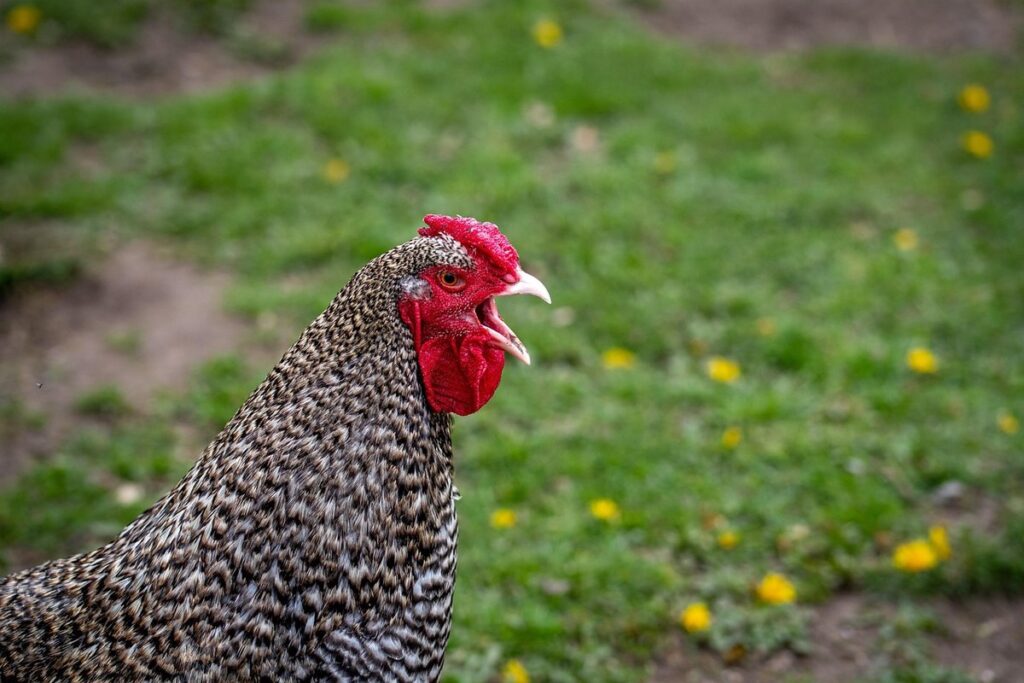
Introduction to Chicken Breeds
When it comes to choosing the perfect chicken for your backyard flock, understanding the unique characteristics of different breeds is crucial. Let’s start by exploring some popular and less-known breeds that will suit every owner’s needs.
History of Domesticated Chickens
Chickens have been domesticated for thousands of years, with evidence suggesting that their ancestors were first tamed around 8,000 years ago. The process of domestication is believed to have begun in Southeast Asia, where wild jungle fowl roamed freely. These early birds were likely attracted to human settlements by the abundance of food and shelter they provided.
As humans began to recognize the value of these birds, they started to actively breed them for specific traits. Chickens were initially bred for their meat, with ancient civilizations such as the Egyptians and Greeks raising them for slaughter. However, it wasn’t long before farmers realized that chickens could also be used for other purposes. They began to select birds with desirable characteristics such as egg-laying ability, feather quality, and docility.
Through careful selection and breeding, humans have been able to create a staggering array of chicken breeds, each with its unique characteristics and uses. Today, there are over 300 recognized breeds worldwide, ranging from the tiny Leghorn to the massive Brahma. By understanding the history of domesticated chickens, you can better appreciate the diversity and complexity of modern chicken breeds, and make more informed decisions when choosing a breed for your backyard flock.
Importance of Understanding Chicken Breeds
Understanding the characteristics of different chicken breeds is crucial for any aspiring backyard farmer or poultry enthusiast. It’s essential to know which breed suits your needs, climate, and lifestyle. Each breed has its unique advantages and disadvantages, making some more suitable for specific purposes.
For example, if you’re looking for eggs, Leghorns are a popular choice due to their high egg production. However, they can be loud and require regular attention. On the other hand, Orpingtons are gentle giants that lay fewer eggs but provide rich brown eggs and make excellent pets.
Knowing the characteristics of different breeds helps you anticipate potential issues, such as noise levels or broodiness. It also enables you to choose a breed that’s resistant to local diseases or tolerant of your climate conditions.
Researching different breeds will help you make an informed decision when selecting chickens for your backyard flock. This knowledge will ultimately lead to a more enjoyable and successful chicken-keeping experience.
Popular Chicken Breeds for Backyard Flocks
If you’re thinking of starting a backyard flock, choosing the right chicken breed is crucial. This section explores popular breeds perfect for small-scale farmers and enthusiastic homesteaders.
Heritage Breeds: A Brief Overview
Heritage breeds are a fascinating group of chickens that offer a glimpse into the past. These breeds have been around for centuries and were often developed for specific purposes, such as egg-laying or meat production. Let’s take a closer look at three popular heritage breeds: Plymouth Rock, Wyandotte, and Brahma.
The Plymouth Rock is a great example of a hardy and docile breed that excels in both egg-laying and meat production. They’re known for their friendly disposition and ability to withstand cold temperatures, making them an excellent choice for backyard flocks. One benefit of keeping Plymouth Rocks is their high fertility rate, which means you can expect consistent hatching rates from your eggs.
The Wyandotte breed is another popular heritage chicken that’s prized for its unique appearance and gentle nature. With a range of colors to choose from, including silver, gold, and blue, the Wyandotte is sure to add some visual interest to your backyard flock. They’re also known for their broody behavior, making them an excellent choice for those looking to raise chicks.
The Brahma is one of the largest chicken breeds available, with roosters reaching up to 24 pounds in weight. Despite their massive size, Brahmas are known for being friendly and docile, making them a great addition to any backyard flock. One benefit of keeping Brahmas is their high egg production, with some hens laying up to 200 eggs per year.
Incorporating heritage breeds into your backyard flock can be a fun and rewarding experience. Not only do they offer unique characteristics and benefits, but they also help preserve the genetic diversity of our poultry population. Whether you’re looking for a hardy breed like the Plymouth Rock or a gentle giant like the Brahma, there’s sure to be a heritage breed that fits your needs.
Modern Breeds: Characteristics and Uses
When it comes to modern chicken breeds, three standouts are the Leghorn, Rhode Island Red, and Australorp. These birds have been bred for centuries to excel in specific areas, making them ideal choices for backyard flocks.
One of the primary characteristics of these breeds is their remarkable egg-laying abilities. For instance, a single Leghorn hen can lay up to 300 eggs per year, while Rhode Island Reds average around 200-220 eggs annually. The Australorp, on the other hand, produces an impressive 250-300 eggs yearly.
Their growth rates are also noteworthy, with many of these breeds reaching maturity within 16-18 weeks. This rapid development enables breeders to quickly replenish their flocks and meet demand for high-quality poultry products.
If you’re looking to establish a thriving backyard flock, consider the benefits of incorporating these modern chicken breeds into your operation. Not only will they provide an abundance of fresh eggs, but they’ll also be relatively low maintenance due to their hardiness and adaptability. By choosing breeds like Leghorns, Rhode Island Reds, and Australorps, you can enjoy a rewarding and productive experience with your chickens.
Specialty Chicken Breeds
When it comes to specialty chicken breeds, you’ll discover unique characteristics and traits that set them apart from more common varieties. From their striking appearances to their impressive abilities.
Game Birds: A Unique Category
Game birds are a unique category of chicken breeds known for their striking appearance and versatility. One of the most distinctive features of game birds is their crested heads, which can come in a variety of shapes and sizes. For example, Silkie chickens have fluffy, soft feathers on their heads, while Polish chickens have a crest that resembles a crown.
These characteristics not only make them visually stunning but also serve specific purposes. Game birds are often used for show purposes due to their unique appearance, making them a popular choice among backyard chicken enthusiasts and breeders. In addition, some game bird breeds, such as the Silkie, are known for their friendly and docile nature, making them a great choice for families with children.
However, it’s essential to note that game birds can be more challenging to care for than other chicken breeds due to their specific needs. For instance, their crests require regular cleaning and maintenance to prevent matting and tangling. If you’re considering adding a game bird breed to your flock, make sure to research their specific requirements and provide them with the necessary care and attention.
Ornamental Breeds: For Show or Pet
If you’re looking for chicken breeds that are as visually stunning as they are charming, ornamental breeds are the perfect choice. These birds have been selectively bred to showcase their unique characteristics, making them a popular pick among backyard chicken enthusiasts and show enthusiasts alike.
Take the Sultan breed, for instance. Originating from the Middle East, this breed is prized for its striking silver-gray plumage, copper hackle feathers, and vibrant red comb. Their elegant appearance makes them a standout in any flock. Another notable ornamental breed is the Campine, a Belgian bird with a unique blue-gray coat and white wing tips.
Ornamental breeds like these are not just stunning to look at; they also make wonderful pets. Many owners find their charming personalities and docile nature endearing. However, it’s essential to remember that these birds were bred for their appearance, which means they may lack the egg-laying prowess of other breeds. If you’re looking to add some visual interest to your backyard flock or bring home a show-stopping companion, ornamental breeds like the Sultan and Campine are certainly worth considering.
If you do decide to keep one as a pet, be prepared for regular grooming to maintain their unique appearance. Regular dust baths and weekly molting sessions will help prevent tangles and matting in their long feathers. With proper care and attention, your ornamental breed can thrive and become a cherished member of your flock.
Hybrid Chicken Breeds
When it comes to choosing a chicken breed, hybrid breeds often offer the best of both worlds: desirable traits from multiple parent lines combined for improved performance and health. Let’s take a closer look at these incredible birds.
Characteristics and Advantages
Hybrid chicken breeds have revolutionized the way we raise chickens for both meat and egg production. These cross-bred birds boast impressive characteristics that make them an attractive choice for farmers and backyard enthusiasts alike. One of the most significant advantages of hybrid breeds is their rapid growth rate, which allows them to mature faster than purebred chickens. This means you can expect your hybrid flock to start laying eggs or reach market weight in as little as 16-20 weeks.
In terms of egg-laying abilities, hybrid breeds are often more productive than purebreds, with some varieties capable of producing up to 300 large eggs per year. Their improved fertility and hatchability rates also make them a popular choice for commercial operations. Another key benefit is their enhanced disease resistance, which reduces the need for antibiotics and other medications in your flock.
When selecting a hybrid breed, look for ones that have been specifically bred for your region’s climate and intended use. For example, if you’re raising chickens for eggs, consider breeds like the Hy-Line or Barred Plymouth Rock. For meat production, try the Cornish Cross or Red Broiler. By choosing the right hybrid breed for your needs, you’ll be well on your way to a thriving and productive flock.
Disadvantages of Hybrid Breeds
While hybrid chicken breeds have gained popularity for their desirable traits such as egg-laying capacity and disease resistance, they also come with some disadvantages. One of the significant drawbacks is reduced fertility. Hybrid chickens often struggle to reproduce, making it challenging for backyard breeders or farmers who want to perpetuate these lines.
Another concern is limited genetic diversity. Since hybrid breeds are created by crossing two specific parent breeds, their gene pool is narrow. This restricts their ability to adapt to changing environments and makes them more susceptible to disease outbreaks. Imagine a severe weather event or a widespread disease outbreak – if your hybrid flock is unable to respond, you may lose your entire stock.
To mitigate these risks, consider the following: If you’re interested in hybrid breeds, look for ones that have been developed with consideration for fertility and genetic diversity. Research the specific characteristics of the breed and understand its limitations. Additionally, always maintain a diverse flock by incorporating non-hybrid breeds to ensure overall health and resilience.
Choosing the Right Chicken Breed for You
When selecting a chicken breed, there are numerous factors to consider, including your available space, desired egg production, and personal preferences for temperament. Let’s break down the key considerations.
Factors to Consider
When selecting a chicken breed, there are several key factors to consider. First and foremost, you’ll want to think about the climate where you live. Different breeds thrive in different temperatures and humidity levels, so it’s essential to choose a breed that can handle your local conditions.
For example, if you live in an extremely hot or cold region, you’ll want to opt for a heat-tolerant or cold-hardy breed respectively. Some popular breeds for warmer climates include the Silkie and the Brahma, while those in colder areas might prefer the Leghorn or the Cochin.
Another crucial consideration is space. If you have limited room in your backyard, you’ll need to choose a smaller breed that requires less space to roam. These “starter” breeds are perfect for city dwellers or those with small plots of land. On the other hand, if you have plenty of space, you can opt for larger breeds like the Orpington or the Plymouth Rock.
Lastly, think about your egg-laying requirements. Some breeds are prolific layers, producing dozens of eggs per week, while others may only lay a few eggs per month. If you’re looking to collect fresh eggs daily, you’ll want to choose a breed that’s known for its high egg production. For instance, the Leghorn is one of the most popular egg-laying breeds, with some hens producing over 300 eggs per year.
Breed Selection Based on Purpose
Choosing the right chicken breed based on your specific needs or goals is crucial for a successful and fulfilling backyard flock experience. When it comes to selecting a breed, you need to consider what you want to achieve with your chickens – whether it’s egg production, meat production, showing, or a combination of these.
For those focused on egg production, breeds like Leghorns, Rhode Island Reds, and Barred Rocks are popular choices due to their high egg-laying capabilities. These birds can produce up to 300 large brown eggs per year, making them ideal for households that rely heavily on homegrown eggs.
On the other hand, if you’re interested in raising chickens for meat, consider breeds such as Plymouth Rock, Cornish Cross, and Freedom Ranger. These birds are bred specifically for their fast growth rate and tender meat, making them a popular choice among backyard farmers.
For those interested in showing, it’s essential to choose breeds recognized by major poultry associations, such as the American Poultry Association (APA). Breeds like Silkies, Polish, and Brahmas are known for their unique appearance and are often sought after at poultry shows.
Health and Welfare of Chicken Breeds
When it comes to your flock’s health and well-being, understanding the specific needs of your chicken breed is crucial. Let’s dive into the unique characteristics that affect their overall health and welfare.
Genetic Diversity and Disease Resistance
Genetic diversity is crucial for maintaining the health and welfare of chicken breeds. It allows individual birds to adapt to changing environments and resist diseases that might otherwise have a devastating impact on a population. When a breed is developed with minimal genetic variation, it can make them highly susceptible to disease outbreaks.
In fact, studies have shown that some commercial chicken breeds have been bred so intensively for specific traits that they’ve lost the ability to fight off common poultry diseases. This has led to widespread health issues and reduced egg production in affected flocks. On the other hand, heritage breeds with diverse genetic backgrounds tend to be more resilient.
To maintain a healthy flock, breeders should strive to preserve genetic diversity within their bird populations. This can be achieved by incorporating different bloodlines and allowing birds to mate naturally rather than relying on artificial insemination. By doing so, you’ll not only increase disease resistance but also improve overall fertility and egg quality in your flock.
Breed-Specific Health Concerns
When it comes to raising chickens, breed-specific health concerns are an essential aspect of their overall well-being. Some chicken breeds are more prone to certain health issues due to their genetic makeup, environment, and lifestyle. Identifying these potential problems can help you take preventive measures and provide the best possible care for your flock.
For example, Leghorns are known to be susceptible to reproductive issues, such as infertility and egg binding. To mitigate this risk, make sure to provide a balanced diet rich in calcium and protein, and ensure they have access to plenty of fresh water. Another breed, the Polish, is prone to respiratory problems due to their compact body type and short beak.
It’s also crucial to research the specific needs of your chicken breed, as some may require more frequent vaccinations or parasite control measures. Some breeds, like Silkies, are known for their calm temperament but can be more susceptible to obesity if overfed. Regular check-ups with a veterinarian can help identify any potential health issues early on and provide guidance on proper care and management.
To manage breed-specific health concerns effectively, it’s vital to:
* Research your chicken breed’s unique needs and potential health risks
* Maintain a clean and well-ventilated coop
* Provide a balanced diet rich in nutrients
* Regularly inspect your flock for signs of illness or stress
* Schedule regular check-ups with a veterinarian
Frequently Asked Questions
Can I raise chickens for egg production and meat at the same time?
Yes, it’s possible to raise chickens for both egg production and meat, but you’ll need to consider their age, breed, and nutritional needs. For example, some heritage breeds like the Plymouth Rock or Wyandotte can provide eggs as well as meat. However, if you’re looking to maximize egg production, it’s best to focus on breeds specifically known for their laying abilities.
How do I determine the right chicken coop size for my flock?
The ideal coop size depends on several factors including your available space, climate, and the number of chickens you plan to keep. A good rule of thumb is to provide at least 3-4 square feet of space per bird inside the coop. Consider the breed’s specific needs, such as ventilation requirements or nesting box needs. You can also refer to local building codes or consult with a veterinarian for personalized advice.
Are there any chicken breeds that are better suited for cold climates?
Yes, some heritage breeds like the Orpington and Brahma are known for their ability to thrive in colder temperatures. These birds have thick feathers and a hardy constitution that help them withstand harsh winters. However, even cold-hardy breeds may still require additional shelter and care during extreme weather conditions.
Can I cross-breed my existing flock with other breeds to create new hybrids?
Cross-breeding can be a complex process and is often discouraged by breeders due to the potential loss of genetic diversity. While it’s possible to create hybrid chickens, it’s essential to consider the risks associated with reduced fertility, increased disease susceptibility, and potential health problems.
How do I ensure that my backyard flock remains healthy and free from diseases?
Maintaining a clean and well-ventilated coop is crucial for your flock’s overall health. Ensure that you provide regular vaccinations, implement proper sanitation practices, and quarantine new birds before introducing them to the main flock. Regular veterinary check-ups can also help identify potential health issues early on.