
When it comes to raising chickens, one of the most crucial decisions you’ll make is choosing the right breed. With over 300 distinct varieties, selecting the perfect bird for your needs can be overwhelming. That’s why we’ve created a comprehensive guide to help you navigate the world of chicken breeds. This ultimate chart breaks down popular breeds into categories like egg-laying, meat production, and temperament, making it easier than ever to find the ideal fit for your flock. In this article, we’ll delve into classification methods, highlight top-performing breeds, and provide expert advice on choosing the right breed for your needs – from backyard hobbyists to commercial farmers. Whether you’re a seasoned chicken enthusiast or just starting out, our guide will help you make informed decisions about which chicken breed is best suited for your lifestyle.
Introduction to Chicken Breeding
Starting your chicken breeding journey? This section provides a thorough overview of the basics, covering breed characteristics and essential considerations for success.
History of Chicken Breeding
Chicken breeding has come a long way since its inception in ancient civilizations. The practice of selectively breeding chickens for desirable traits dates back to around 2000 BC, with evidence suggesting that ancient Egyptians were among the first to recognize and cultivate specific breeds. They prized birds for their unique characteristics such as feather patterns, egg-laying abilities, and meat quality.
As societies evolved, so did chicken breeding. In medieval Europe, monks and farmers began crossing different breeds to create more robust and productive chickens. This selective breeding led to the development of various regional breeds, each with its distinct features and uses.
Today, modern chicken breeding relies heavily on genetics and technology to produce high-quality birds. Breeders use advanced techniques such as artificial insemination and embryo transfer to achieve specific traits and minimize genetic defects. This level of precision has enabled the creation of hundreds of chicken breeds worldwide, catering to diverse needs and preferences.
Importance of Choosing the Right Breed
When it comes to chicken breeding, choosing the right breed is crucial for success. Whether you’re a backyard farmer looking to supplement your family’s eggs, a commercial producer seeking high yields, or an enthusiast simply wanting to raise healthy birds, selecting a suitable breed is essential.
First and foremost, climate plays a significant role in determining which breed to choose. Some breeds are well-suited to hot climates, while others thrive in cooler temperatures. For example, the Rhode Island Red excels in warm weather conditions, laying an impressive 200-220 eggs per year, whereas the Leghorn struggles in cold climates and is better suited for milder temperatures.
Space and egg production goals also come into play when selecting a breed. If you have limited space, smaller breeds like the Bantam or Silkie are perfect for backyards or small farms. Conversely, larger breeds like the Orpington or Plymouth Rock require more space but reward with higher egg production rates.
Ultimately, understanding your specific needs and climate will help you choose a breed that excels in its intended purpose.
Understanding Chicken Breeds Classification
Understanding chicken breeds classification is crucial for choosing the right flock for your backyard, and it’s all about knowing the characteristics that define each breed. We’ll break down the key factors to look out for in this section.
Main Types of Chicken Breeds
When it comes to chicken breeds, there are several main categories that help identify their characteristics and purposes. Let’s take a closer look at some of the most common types: light breeds, heavy breeds, dual-purpose breeds, and ornamental breeds.
Light breeds, such as Leghorns and Cornish, are known for their high egg production and lightweight frame. They’re ideal for backyard flocks where space is limited, but they may not be suitable for meat production due to their smaller size.
Heavy breeds like Orpingtons and Plymouth Rock are built for meat production and can weigh up to 14 pounds or more. These birds require plenty of space to roam and may need special care during breeding season.
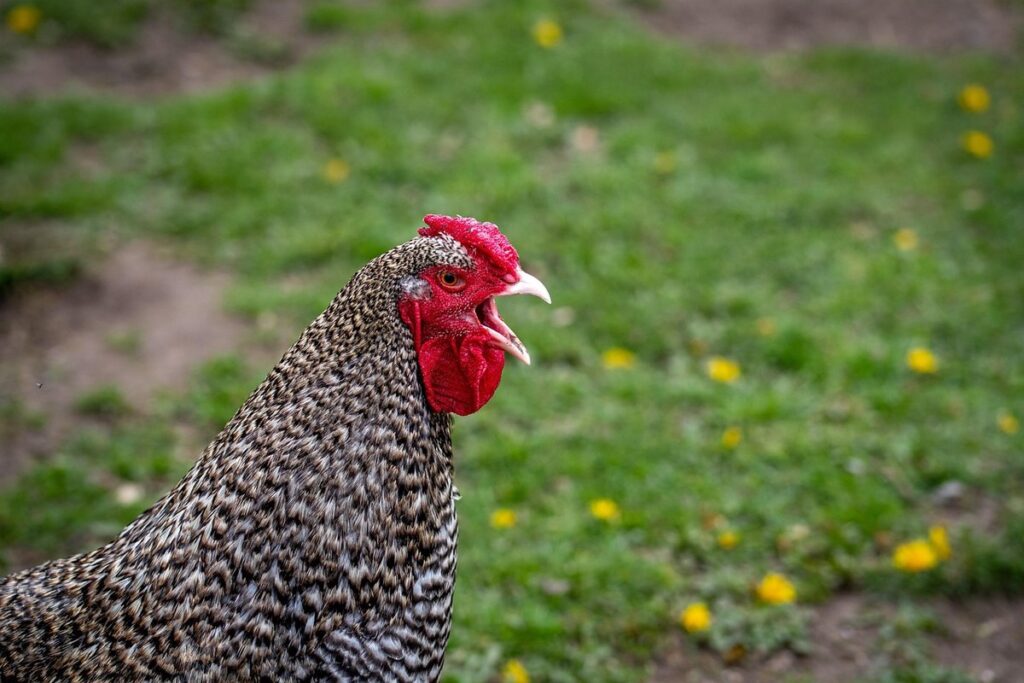
Dual-purpose breeds combine the characteristics of both light and heavy breeds, making them a versatile choice for small-scale farming. Examples include Barred Rocks and Golden Comets, which produce an average of 200-220 eggs per year and can be used for both meat and egg production.
Ornamental breeds are prized for their unique appearance, plumage patterns, or size. These birds often have show-quality feathers, making them a favorite among breeders and enthusiasts.
Breed Groups and Associations
When delving into the world of chicken breeds, you’ll notice that many are grouped together based on specific characteristics and traits. These breed groups play a crucial role in classifying and registering different breeds, ensuring that each has its unique identity within the poultry community.
Breed groups like Ameraucana and Silkie are excellent examples of this classification system. They share common physical features and temperaments, making them part of their respective breed families. On the other hand, associations such as the American Poultry Association (APA) and British Poultry Standards (BPS) provide guidelines for breed registration. These organizations set standards for each breed’s appearance, temperament, and performance.
When considering a new flock member, it’s essential to know which breed group your desired chicken belongs to. This will help you better understand its characteristics, temperaments, and requirements. For instance, if you’re drawn to the gentle nature of Silkie chickens, you can expect them to be friendly and laid-back companions for your backyard flock.
By understanding breed groups and associations, you’ll become a more informed poultry enthusiast, capable of making informed decisions about which breeds will thrive in your specific environment.
Popular Chicken Breeds for Beginners
If you’re new to raising chickens, don’t worry – we’ve got just the breeds for you! This selection features friendly and hardy birds perfect for beginners.
Easy-to-Care-for Breeds
If you’re new to raising chickens, it’s essential to choose breeds that are easy-going and require minimal maintenance. Some of the most beginner-friendly breeds on our comprehensive chart are Leghorns, Rhode Island Reds, and Golden Comets.
Leghorns are known for their friendly and docile nature, making them an excellent choice for first-time chicken keepers. They’re also incredibly hardy and can thrive in a variety of environments. With their high egg production rate (280-300 eggs per year), Leghorns are a great option if you want to collect plenty of fresh eggs.
Rhode Island Reds are another popular breed among beginners, thanks to their easy-going temperament and impressive egg-laying abilities (200-220 eggs per year). They’re also relatively low-maintenance when it comes to feeding and healthcare. Golden Comets, a cross between a Rhode Island Red and a White Leghorn, offer the best of both worlds: high egg production and a friendly demeanor.
To care for these breeds, make sure to provide them with plenty of space to roam, fresh water, and a balanced diet. Regular health checks will also help ensure they stay happy and healthy. With their easy-to-care-for nature, Leghorns, Rhode Island Reds, and Golden Comets are perfect for beginners looking to start their chicken-keeping journey.
High-Egg-Producing Breeds
If you’re looking for chicken breeds that can deliver an abundance of fresh eggs, look no further than the high-egg-producing breeds. These birds are perfect for households with a high demand for eggs, and they’re relatively easy to care for.
Australorps are one of the top egg-laying breeds, producing up to 320 brown eggs per year. They’re known for their friendly and docile nature, making them an excellent choice for families or beginners. Barred Rocks are another popular breed, laying around 300 large white eggs annually. Their energetic personalities make them a joy to have in your backyard.
Buff Orpingtons are also high achievers when it comes to egg production, producing up to 200-220 brown eggs per year. They’re known for their gentle and affectionate nature, which makes them an excellent choice for those who want a friendly flock. These breeds are relatively low-maintenance, requiring regular feeding and watering but minimal attention.
When choosing one of these high-egg-producing breeds, make sure to provide adequate space for your birds to roam and exercise. A well-balanced diet will also ensure they reach their full egg-laying potential. With proper care and attention, you can expect a steady supply of fresh eggs from your flock.
Show-Stopping Chicken Breeds
If you’re looking for some flair in your flock, look no further than these stunning chicken breeds that will add a pop of personality to your backyard. Get ready to meet their unique characteristics!
Large Fowl and Bantam Breeds
When it comes to show-stopping chicken breeds, some of the most impressive birds can be found among the large fowl and bantam varieties. Take, for example, the Brahma breed – with its towering height and gentle nature, this bird is a crowd-pleaser in any backyard flock. The Cochin breed is another standout, known for its fluffy feathers and calm demeanor, making it an ideal choice for families.
But it’s not just size and temperament that make these breeds so special – their unique feather patterns and characteristics are truly one-of-a-kind. The Polish breed, with its crest of feathers on top of the head, is a particular favorite among chicken enthusiasts. When showing your birds, be sure to accentuate these distinctive features by grooming them carefully before the competition.
When considering large fowl or bantam breeds for your flock, remember that their size and feathering requirements may be higher than those of smaller breeds. Be prepared to provide extra space, nutrition, and attention to meet their needs. With proper care and handling, these show-quality birds can thrive and become beloved additions to any backyard flock.
Heritage and Rare Breeds
When exploring the world of chicken breeds, you’ll often come across heritage and rare breeds that are as fascinating as they are unique. These birds have been around for centuries, developed from specific genetic traits and characteristics that set them apart from other breeds. Take the Ayam Cemani, for example – a breed originating from Indonesia with an all-black appearance, including feathers, beak, and internal organs. This is due to a condition called melanization, where excess pigment causes the dark coloration.
Another rare breed is the Naked Neck, hailing from Eastern Europe, known for its, as the name suggests, partially or completely bald neck. This striking feature makes it an interesting choice for backyard chicken keepers looking to add some visual flair to their flock. The Sultan breed from India and Southeast Asia boasts a stunning silver-blue sheen to its feathers, making it a prized addition to many collections.
These breeds not only add variety but also contribute significantly to the rich history of poultry-keeping around the world.
Choosing the Right Chicken Breed for Your Needs
With so many breeds to choose from, selecting the right one can be overwhelming, but don’t worry, we’ve got you covered in the next steps. We’ll break down what to consider when making your selection.
Climate Considerations
When it comes to choosing the right chicken breed for your needs, climate consideration is crucial. Different breeds thrive in various temperatures and conditions, so it’s essential to select birds that can adapt to your region’s climate.
If you live in a cold climate, look for breeds like Buff Orpingtons, which are known for their hardiness and ability to tolerate frost. These gentle giants can withstand temperatures as low as -20°F (-29°C) with ease. On the other hand, if you reside in a hot and humid area, heat-tolerant breeds like Silkie, Marans, or Welsummer would be an excellent choice.
To determine which breed suits your climate, consider the following factors:
• Average temperature range: Choose breeds that can tolerate temperatures within 5-10°F (3-6°C) of your average temperature.
• Humidity levels: Breeds with single combs, like Leghorns or Rhode Island Reds, are more susceptible to heat stress in humid climates.
• Wind chill: Birds with heavy feathers or thick coats, like Orpingtons or Brahmas, can tolerate windy conditions better than breeds with light plumage.
By selecting the right breed for your climate, you’ll ensure a happy and healthy flock that will provide you with fresh eggs all year round.
Space and Resource Availability
When it comes to choosing a chicken breed, one of the most critical factors to consider is the space and resource availability you have on hand. This includes not only the physical space for your birds but also their dietary needs and your ability to provide for them.
For small backyard flocks, bantam breeds are an excellent choice due to their compact size and low feed requirements. These tiny birds can thrive in even the smallest spaces, making them perfect for urban or suburban settings where square footage is limited. Some popular bantam breeds include the Silkie, Polish, and Dutch Bantam.
On the other hand, larger commercial operations will require more substantial space and resources to support their flocks. In these cases, large fowl breeds such as Orpingtons, Leghorns, or Rhode Island Reds are often a better fit due to their high egg production capabilities and efficient feed conversion rates. It’s essential to assess your specific needs and circumstances before making a decision, taking into account factors such as available land, climate, and budget.
Remember to research the breed-specific requirements for each type of chicken you’re considering to ensure they align with your space and resource availability.
Maintaining a Healthy Flock: Health and Hygiene Considerations
When it comes to keeping your flock thriving, maintaining healthy birds is crucial, so let’s dive into the essential health and hygiene considerations you need to know.
Common Chicken Health Issues
When it comes to maintaining a healthy flock, it’s essential to be aware of common chicken health issues that can affect your birds. Respiratory diseases are one of the most prevalent health problems in chickens, caused by bacteria such as Mycoplasma gallisepticum and infectious bronchitis virus (IBV). These diseases can lead to coughing, sneezing, and difficulty breathing.
To prevent respiratory issues, make sure to provide your birds with a clean and dry environment, and keep their living space well-ventilated. Regularly cleaning the coop and runs will also help reduce the risk of disease transmission. Additionally, vaccinate your chickens against IBV if necessary, as per local guidelines.
Parasites like mites, lice, and fleas can also cause significant health problems in chickens. To prevent infestations, regularly inspect your birds for signs of parasites, such as excessive preening or scratching. Keep their living space clean, and use diatomaceous earth or other natural deterrents to keep pests at bay.
Nutritional deficiencies are another common issue in backyard flocks. Ensure your chickens have access to a balanced diet that includes a mix of grains, proteins, and vitamins. A lack of calcium can lead to weakened eggshells and skeletal issues, so provide oyster shells or crushed eggshells as a supplement. Regular health checks and monitoring your birds’ behavior will help you identify any potential issues early on, allowing for prompt intervention and treatment.
Biosecurity Measures and Sanitation
Maintaining a clean coop is crucial for preventing disease transmission and keeping your flock healthy. To start, make sure to remove soiled bedding regularly, ideally every week, to prevent ammonia buildup. Replace it with fresh pine shavings or straw, which are excellent options for absorbing moisture and odor. Keep in mind that sawdust can be a breeding ground for bacteria.
In addition to regular cleaning, implement biosecurity measures such as disinfecting high-touch areas like feeding troughs, nesting boxes, and perches. Use a 1:10 dilution ratio of bleach to water or an organic alternative specifically designed for animal coops. Wear rubber gloves when handling disinfectants to avoid transferring bacteria to your flock.
To ensure optimal living conditions, provide adequate ventilation by installing windows or fans in the coop. This will help reduce moisture and prevent respiratory issues. Also, maintain a balanced temperature range between 40°F and 80°F (4°C and 27°C) during the day, with slightly cooler temperatures at night.
By implementing these simple yet effective measures, you’ll be well on your way to creating a healthy environment for your flock. Regularly inspect your coop to identify potential issues before they become major problems, and don’t hesitate to consult a veterinarian if you notice any unusual behavior or symptoms.
Conclusion: Selecting the Perfect Chicken Breed
Now that you’ve explored our comprehensive chart and learned about various breeds, let’s dive into selecting the perfect chicken breed for your backyard flock.
Recap of Key Takeaways
When selecting the perfect chicken breed for your backyard flock, it’s essential to consider several key factors. First and foremost, think about your climate and available space. Some breeds thrive in hot and humid conditions, while others prefer cooler temperatures. Similarly, larger breeds require more space to roam than smaller ones.
Next, consider your egg production goals. Do you want a breed that lays large numbers of eggs or is content with laying fewer but higher-quality eggs? Certain breeds like Leghorns and Rhode Island Reds are prolific layers, while others like Orpingtons and Plymouth Rock lay fewer eggs but have a more docile temperament.
Temperament is another crucial factor to consider. Some breeds are friendly and social, making them ideal for families with children or as pets in the backyard. Others can be more aggressive and territorial, requiring careful consideration before introducing them to your flock. Finally, think about how much maintenance you’re willing to commit to each day – some breeds require regular grooming and tending, while others are relatively low-maintenance.
Final Tips and Recommendations
When selecting a chicken breed that’s right for you, it’s essential to consider your unique circumstances and needs. Whether you’re a seasoned poultry enthusiast or just starting out, the perfect breed will depend on factors such as climate, available space, and personal preferences.
To further solidify your decision, we recommend taking into account the following key considerations: egg production requirements, noise levels, and temperament compatibility with other pets in the household. Research breeds that excel in these areas and align with your specific needs. For instance, if you’re looking to start a backyard flock for eggs, consider breeds like Leghorns or Rhode Island Reds which are renowned for their prolific laying.
For those new to chicken-keeping, we suggest consulting reputable resources such as online forums, breed associations, and experienced poultry experts. Reach out to local 4-H clubs or attend workshops in your area for hands-on guidance and networking opportunities.
Frequently Asked Questions
What’s the best way to introduce new breeds to my existing flock?
When introducing new breeds, it’s essential to monitor their behavior and ensure they get along with each other. Start by keeping them separate for a few days before gradually introducing them to the same enclosure. This will allow you to observe any potential conflicts and take necessary steps to prevent stress on your birds.
Can I raise heritage or rare chicken breeds in a small backyard flock?
While heritage and rare breeds can be a wonderful addition to any flock, they often require specialized care and may not thrive in small spaces. Research the specific needs of the breed you’re interested in and ensure you have enough space and resources to provide them with a suitable environment.
How do I determine which breeds are best suited for my climate?
Choose breeds that are resistant to extreme temperatures and humidity levels common in your region. Some popular breeds, such as the Brahma or Orpington, excel in colder climates, while others like the Silkie or Polish prefer warmer conditions.
What’s the most important factor when selecting a breed for high egg production?
When it comes to choosing a breed for high egg production, look for birds with a strong genetic predisposition to laying eggs. Breeds like Leghorns, Rhode Island Reds, and Barred Rocks are known for their high egg-laying abilities.
Can I raise multiple breeds together in the same flock, or should they be kept separate?
While it’s possible to keep multiple breeds together, it’s essential to consider compatibility factors such as temperament, size, and feeding requirements. Some breeds may require separate enclosures to prevent stress on your birds and ensure a healthy environment for all.